
 By admin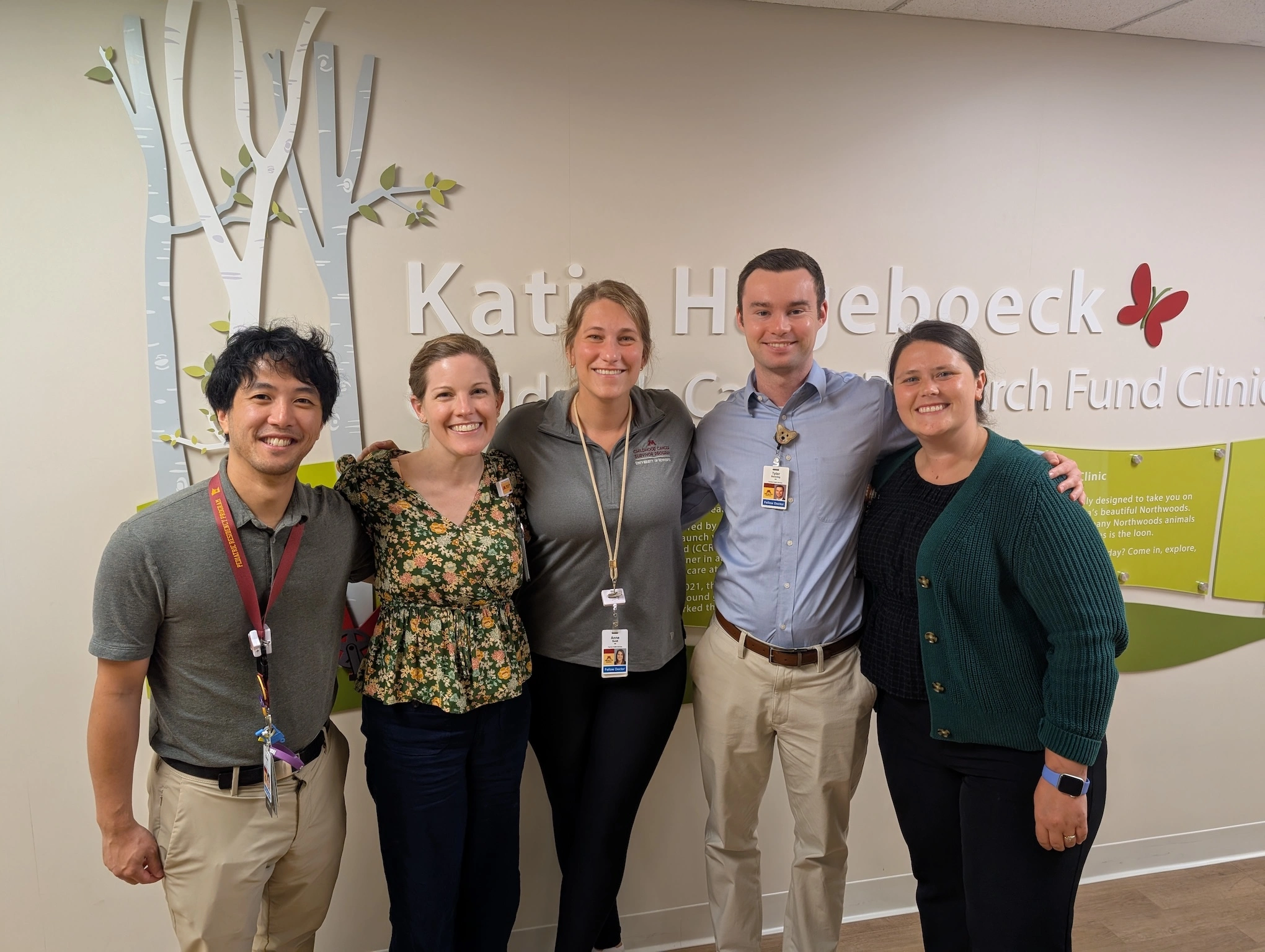
The Children’s Cancer Research Fund (CCRF) has announced a landmark 10-year funding commitment to the University of Minnesota’s Pediatric Hematology/Oncology Fellowship Program, a strategic move designed to address a widening gap in the pediatric cancer workforce. This long-term investment ensures that the next generation of clinician-researchers will have the resources, mentorship, and clinical infrastructure necessary to advance treatments for childhood cancers while managing the growing needs of a rising population of cancer survivors. For more than four decades, CCRF has been a cornerstone of support for graduate research fellows at the University of Minnesota, but this latest decade-long pledge represents a significant escalation in efforts to stabilize the pipeline of specialists entering academic medicine.
The timing of this commitment is critical as the field of pediatric oncology faces a dual challenge: a projected shortage of specialized physicians and an increasingly complex landscape of survivorship care. While the five-year survival rate for all childhood cancers combined has risen to approximately 85% due to decades of research and clinical trials, this success has created a new demand for specialists who understand the long-term "late effects" of toxic treatments, such as secondary cancers, cardiovascular issues, and endocrine disruptions. The CCRF Fellowship Program aims to bridge this gap by training experts who are equally proficient in the laboratory and at the bedside.
Addressing the National Shortage of Pediatric Oncologists
The United States is currently navigating a period of significant demographic and professional shifts within the medical community. Data from the American Board of Pediatrics and the Association of American Medical Colleges (AAMC) suggest that as a substantial portion of the current pediatric oncology workforce nears retirement age, the number of new trainees entering the field is not keeping pace with the specialized needs of the patient population. This shortage is particularly acute in academic medicine—the sector responsible for conducting the clinical trials that lead to new cures.
The CCRF Pediatric Hematology/Oncology Fellowship Program at the University of Minnesota is designed to counteract this trend. By providing a multi-year curriculum that emphasizes both rigorous scientific inquiry and direct patient care, the program creates a pathway for emerging doctors to remain in academic research. Without philanthropic support like that provided by CCRF, many young physicians might be deterred from research-heavy roles due to the high cost of medical education and the competitive nature of federal research grants, which often favor established investigators over early-career fellows.
A Four-Decade Legacy of Academic Excellence
The University of Minnesota has long been recognized as a premier institution for pediatric blood and marrow transplantation and cellular therapies. The partnership between the university and CCRF dates back over 40 years, rooted in a shared mission to transform the prognosis for children diagnosed with high-risk malignancies. Over the decades, CCRF has funded the training of dozens of fellows who have gone on to become leaders in the field, holding prominent positions at cancer centers across the country.
This new 10-year commitment builds upon a foundation of historical success. The program’s longevity has allowed it to adapt to the shifting paradigms of oncology. In the 1980s and 1990s, the focus was largely on refining chemotherapy protocols and improving the safety of bone marrow transplants. Today, the curriculum has expanded to include the most advanced frontiers of biotechnology, including immunotherapy, gene editing, and precision medicine.
The Clinician-Researcher Model: Bridging the Gap from Bench to Bedside
At the heart of the CCRF Fellowship Program is the "clinician-researcher" model. This approach recognizes that the most profound insights into cancer biology often come from the physicians who treat patients directly. The program’s curriculum is structured to ensure that fellows spend significant time in the clinic, learning the nuances of patient interaction and the management of complex cases, while also dedicating years to intensive laboratory research.
During their tenure, fellows work side-by-side with world-renowned faculty mentors. This mentorship is a cornerstone of the program, providing trainees with the institutional knowledge and technical skills required to navigate the complexities of modern oncology. Research within the program is currently focusing on several breakthrough areas:
CAR T-Cell Therapy and Immunotherapy
Fellows are at the forefront of exploring Chimeric Antigen Receptor (CAR) T-cell therapy, a revolutionary treatment that re-engineers a patient’s own immune cells to recognize and attack cancer cells. This innovation has already shown remarkable results in treating certain types of leukemia and lymphoma that were previously considered incurable.
Gene Therapy and CRISPR Technology
The program supports research into gene therapy, which aims to correct the underlying genetic mutations that drive cancer. By utilizing tools like CRISPR-Cas9, researchers at the University of Minnesota are investigating ways to "turn off" oncogenes or enhance the body’s natural defenses against tumor growth.
Health Equity and Access to Care
Recognizing that medical breakthroughs are only effective if they reach all children, the current class of CCRF Fellows is increasingly focused on health equity. This includes studying the socioeconomic barriers that prevent minority and rural populations from accessing clinical trials and high-quality oncology care. By integrating health equity into the fellowship curriculum, CCRF is ensuring that the next generation of doctors is equipped to address systemic disparities in outcomes.
Bioethics and the Human Element of Oncology
The fellowship also places a heavy emphasis on the "soft skills" of medicine, which are often the most difficult to master. Research projects within the program currently include studies on bioethics and prognosis communication. As treatments become more experimental and complex, the ethical considerations surrounding pediatric consent and the communication of difficult news to families become paramount.
Fellows are trained to navigate these sensitive areas, ensuring that the care provided is not only scientifically advanced but also compassionate and family-centered. This holistic approach is intended to prevent physician burnout and ensure that the doctors of tomorrow are as resilient as they are knowledgeable.
The Economic Reality of Medical Research
The role of private philanthropy in medical training cannot be overstated. Federal funding, primarily through the National Institutes of Health (NIH), is often subject to budgetary fluctuations and is increasingly directed toward large-scale, low-risk projects. Philanthropic organizations like CCRF provide the "seed capital" necessary for young researchers to pursue innovative, high-risk, high-reward ideas.
By committing to a 10-year funding cycle, CCRF provides a level of institutional stability that is rare in the non-profit sector. This allows the University of Minnesota to recruit the brightest minds in medicine, knowing that the financial support for their training is secure. It also allows the program to maintain a diverse and robust curriculum that can pivot as new scientific discoveries emerge.
Impact Beyond the University: A National Ripple Effect
While the fellowship is based at the University of Minnesota, its impact is national. Alumni of the CCRF program are currently driving breakthroughs at leading institutions such as St. Jude Children’s Research Hospital, Children’s Hospital of Philadelphia (CHOP), and Dana-Farber Cancer Institute. The expertise gained in Minneapolis is exported across the country, influencing the standard of care for thousands of children.
The "multiplier effect" of this funding is significant. One fellow trained today may go on to lead a clinical trial five years from now that discovers a new cure. They, in turn, will mentor dozens of other students and residents, creating a legacy of knowledge that spans generations.
Analysis of Future Implications
The decision by CCRF to focus on a 10-year window reflects a growing understanding that the fight against childhood cancer is a marathon, not a sprint. As the medical community moves toward "precision oncology"—where treatments are tailored to the individual genetic profile of a child’s tumor—the need for highly trained specialists will only grow.
Furthermore, the emphasis on survivorship care within the fellowship training is a forward-looking strategy. As the population of childhood cancer survivors grows into adulthood, the medical system must be prepared to manage the unique health challenges they face. By training oncologists who are experts in both acute treatment and long-term survivorship, CCRF is addressing a future public health need before it reaches a crisis point.
In conclusion, the 10-year funding commitment to the University of Minnesota’s Pediatric Hematology/Oncology Fellowship Program is more than a charitable donation; it is a vital investment in the infrastructure of pediatric medicine. By securing the future of this program, Children’s Cancer Research Fund is ensuring that when a family receives the devastating news of a cancer diagnosis, there will be a highly skilled, compassionate, and innovative specialist ready to lead the way toward a cure. The partnership between CCRF and the University of Minnesota remains a beacon of hope, proving that through sustained investment and rigorous training, the future of childhood cancer care can be fundamentally transformed.
