
 By George Ongkojoyo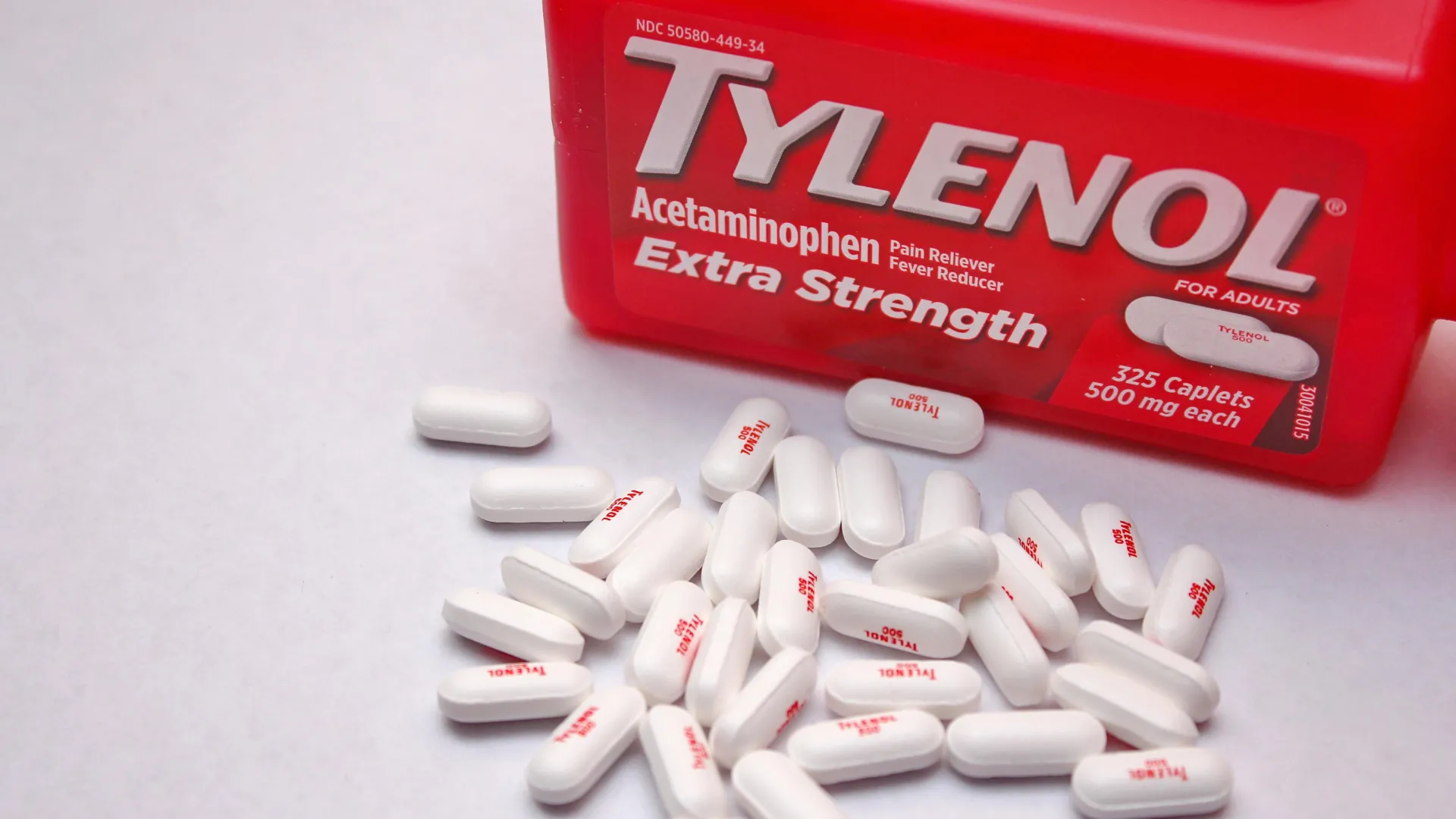
New research from the University of South Australia has revealed that two of the world’s most common over-the-counter medications, ibuprofen and acetaminophen (paracetamol), may be inadvertently accelerating the global crisis of antibiotic resistance. The study, led by Associate Professor Rietie Venter, demonstrates that these widely used painkillers do not merely interact with antibiotics in a passive manner; rather, they actively drive bacterial mutations that render common pathogens, such as Escherichia coli (E. coli), immune to standard medical treatments. This discovery marks the first time that the synergistic effect of these specific non-antibiotic medications has been shown to amplify resistance, posing a significant challenge to global public health strategies and clinical prescribing habits, particularly within the context of aged care.
The findings come at a critical juncture as the World Health Organization (WHO) continues to warn that antimicrobial resistance (AMR) is one of the top ten global public health threats facing humanity. In 2019 alone, bacterial resistance was directly responsible for an estimated 1.27 million deaths worldwide and contributed to nearly 5 million more. The UniSA study suggests that the problem may be more insidious than previously believed, as the drivers of resistance are not limited to the misuse of antibiotics themselves but extend to the very medications millions of people take daily for minor aches, pains, and fevers.
The Mechanism of Resistance: How Common Drugs Shield Bacteria
The core of the UniSA research focused on the interaction between non-antibiotic drugs, the broad-spectrum antibiotic ciprofloxacin, and E. coli. E. coli is a ubiquitous bacterium responsible for a vast array of infections, ranging from mild urinary tract infections (UTIs) to life-threatening sepsis and gut-related illnesses. Under normal circumstances, ciprofloxacin—a fluoroquinolone antibiotic—is highly effective at inhibiting bacterial DNA replication, thereby killing the infection.
However, the study found that when E. coli was exposed to ciprofloxacin in the presence of ibuprofen or acetaminophen, the bacteria developed genetic mutations at a significantly accelerated rate compared to exposure to the antibiotic alone. These mutations allowed the bacteria to not only survive the treatment but to thrive and grow faster. Most concerning was the discovery that the resistance was not confined to ciprofloxacin. The bacteria displayed "cross-resistance," becoming less susceptible to multiple other classes of antibiotics to which they had not even been exposed.
Associate Professor Rietie Venter and her team identified the specific genetic mechanisms behind this phenomenon. The presence of ibuprofen and acetaminophen appears to trigger the bacteria’s natural defense systems. Specifically, these painkillers activate "efflux pumps"—biological vacuum cleaners within the bacterial cell wall that identify and expel foreign substances, including antibiotics. By ramping up the activity of these pumps, the bacteria effectively lower the concentration of the antibiotic within their cells to sub-lethal levels, giving them the time and environment necessary to develop permanent genetic mutations for total resistance.
The Perils of Polypharmacy in Aged Care Settings
While the implications of this study are universal, the researchers highlighted a specific demographic at extreme risk: the elderly living in residential aged care facilities. This population is frequently subject to "polypharmacy," the concurrent use of five or more medications. In these environments, it is common for a resident to be prescribed long-term treatments for chronic conditions such as hypertension, diabetes, or high cholesterol, while simultaneously receiving PRN (pro re nata, or "as needed") doses of ibuprofen or paracetamol for pain management.
"This is especially prevalent in residential aged care facilities, where older people are more likely to be prescribed multiple medications—not just antibiotics, but also drugs for pain, sleep, or blood pressure," Associate Professor Venter noted. "This makes it an ideal breeding ground for gut bacteria to become resistant to antibiotics."
The study expanded its scope to assess nine medications commonly found in the pill organizers of aged care residents. These included:
- Ibuprofen: A non-steroidal anti-inflammatory drug (NSAID) used for pain and inflammation.
- Acetaminophen (Paracetamol): A staple for fever and mild-to-moderate pain.
- Diclofenac: A potent anti-inflammatory often used for arthritis.
- Furosemide: A diuretic used to manage high blood pressure and edema.
- Metformin: The primary medication for managing blood sugar levels in Type 2 Diabetes.
- Atorvastatin: A statin used to lower cholesterol and prevent cardiovascular disease.
- Tramadol: An opioid pain medication used for more severe or post-surgical pain.
- Temazepam: A sedative used to treat insomnia.
- Pseudoephedrine: A common decongestant found in cold and flu remedies.
The interaction of these various chemical compounds creates a complex biochemical environment within the human gut. When an antibiotic is introduced into this mix to treat an infection, the cumulative effect of the other medications can inadvertently shield the target bacteria, facilitating the rise of "superbugs" within the individual patient before they ever spread to the wider community.
A Chronology of Antibiotic Resistance and the "Discovery Void"
To understand the weight of the UniSA findings, one must look at the historical trajectory of antibiotic efficacy. The era of modern medicine began in 1928 with Alexander Fleming’s discovery of penicillin, which revolutionized the treatment of infectious diseases. For several decades, the "Golden Age" of antibiotics saw the discovery of numerous drug classes, including tetracyclines, aminoglycosides, and macrolides.
However, by the 1980s, the "discovery void" began. No new classes of antibiotics have been successfully brought to market since 1987, while bacterial evolution has continued unabated.
- 1940s: Widespread use of penicillin leads to the first reports of resistant Staphylococcus aureus.
- 1960s: The emergence of Methicillin-resistant Staphylococcus aureus (MRSA).
- 1990s: Fluoroquinolones (like ciprofloxacin) face rising resistance rates in E. coli and Salmonella.
- 2010s: The rise of "pan-resistant" bacteria, which are immune to all known antibiotics, becomes a clinical reality.
- 2024: The UniSA study adds a new chapter to this timeline, shifting the focus from the misuse of antibiotics to the unintended consequences of non-antibiotic drug interactions.
This chronology illustrates that resistance is an inevitable biological process, but the UniSA research suggests that human activity—specifically our reliance on a broad pharmacopeia—is accelerating this timeline far beyond natural rates.
Global Implications and the Economic Burden of AMR
The socio-economic impact of these findings is profound. Antimicrobial resistance is not just a clinical hurdle; it is a massive economic drain. According to World Bank projections, AMR could result in US$1 trillion to US$3.4 trillion in additional healthcare costs per year by 2030. When common painkillers like ibuprofen contribute to this problem, the cost-benefit analysis of these "safe" drugs begins to shift.
If first-line antibiotics like ciprofloxacin lose their efficacy due to interactions with over-the-counter painkillers, clinicians are forced to move to "last-resort" antibiotics. These drugs are often more expensive, require intravenous administration, and carry a higher risk of severe side effects, such as kidney toxicity or hearing loss. Furthermore, the loss of effective antibiotics threatens the safety of modern surgical procedures, organ transplants, and cancer chemotherapy, all of which rely on the ability to prevent and treat opportunistic infections.
While the UniSA study does not suggest that patients should immediately cease using ibuprofen or acetaminophen, it does advocate for a paradigm shift in how these drugs are viewed by the public and medical professionals. They are active chemical agents that alter the internal microbial environment, and their use must be weighed against the risk of compromising future antibiotic treatments.
Official Responses and the Path Forward for Clinical Practice
The medical community has reacted to these findings with a mixture of concern and a call for more nuanced prescribing guidelines. While major health bodies like the CDC and the WHO have not yet issued new directives based solely on this single study, the data aligns with a growing body of evidence regarding the "non-antibiotic" drivers of resistance.
Assoc Prof Venter emphasizes that the solution is not to stop using essential medications but to foster a greater awareness of drug-drug-bacteria interactions. "This study is a clear reminder that we need to carefully consider the risks of using multiple medications," she said. "We need to be more mindful about how they interact with antibiotics—and that includes looking beyond just two-drug combinations."
Future research is already being planned to investigate whether these interactions occur with other classes of antibiotics, such as penicillins or cephalosporins, and whether other common drugs—such as antidepressants or proton pump inhibitors—play a similar role in fostering resistance.
The UniSA researchers are calling for an immediate increase in funding for studies into long-term medication regimes. For the millions of people who rely on daily medication to manage chronic health conditions, the goal is to develop "resistance-aware" treatment plans. This might include staggering the timing of doses to ensure that painkillers and antibiotics are not present in the gut at the same time, or developing new adjunct therapies that can inhibit bacterial efflux pumps, thereby "re-sensitizing" the bacteria to the antibiotic.
In conclusion, the revelation that ibuprofen and acetaminophen are silent contributors to antibiotic resistance serves as a wake-up call for global health. It underscores the complexity of the microbial world and the unintended consequences of our modern reliance on pharmaceuticals. As we move forward, the fight against superbugs will require not just new antibiotics, but a more sophisticated understanding of the everyday medications we once thought were harmless.
