
 By admin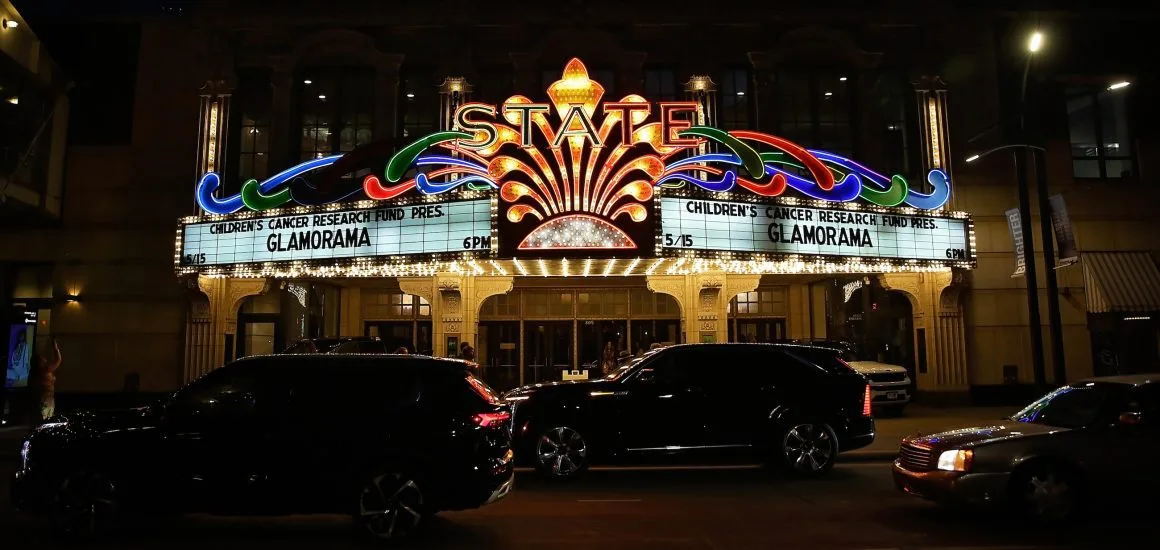
The iconic intersection of high fashion and philanthropy reclaimed its place in the Twin Cities cultural landscape as Glamorama made its highly anticipated return to Minneapolis after a hiatus spanning more than ten years. Held at the historic State Theatre, the event served as a high-profile benefit for the Children’s Cancer Research Fund (CCRF), a Minneapolis-based national nonprofit dedicated to ending childhood cancer. The evening was characterized by a sophisticated blend of immersive fashion experiences, legendary musical performances, and a focused mission to drive funding toward pediatric medical breakthroughs. The revitalization of this event marks a significant milestone for the local community, signaling a renewed commitment to large-scale charitable gatherings that leverage the arts to address critical healthcare challenges.
The Visionary Inspiration Behind the Revival
At the heart of the evening’s festivities was a deeply personal narrative centered on the experiences of five young survivors and patients: Fritz, Isaac, Valerie, Anikah, and Alice. These children served as the primary muses for the event’s creative direction, with their personal journeys and imaginative worlds providing the thematic framework for the runway and immersive displays. During the opening remarks, Kenna Dooley, Chief Development Officer of the Children’s Cancer Research Fund, emphasized the human element of the gala. She noted that the night was inspired by these five "incredible kids," whose imaginations were brought to life through the artistic lens of Grant Whittaker.
Whittaker, a longtime champion of both Glamorama and CCRF, served as the visionary director for the production. His task was to translate the abstract resilience and creativity of children facing life-threatening diagnoses into a tangible, high-fashion spectacle. The result was a series of vignettes that moved beyond traditional runway walks, incorporating storytelling elements that highlighted the "worlds" these children inhabit during their treatment and recovery. This approach sought to bridge the gap between the glitz of the fashion industry and the sobering reality of pediatric oncology, creating a space where attendees could engage with the mission on an emotional level.
A Chronology of Glamorama’s Legacy in the Twin Cities
To understand the weight of Glamorama’s return, one must look at its historical significance within the Minneapolis-St. Paul metropolitan area. Originally launched decades ago as a signature production by Dayton’s (and later Marshall Field’s and Macy’s), Glamorama was once the premier fashion event in the Midwest. It combined retail promotion with high-end entertainment, often featuring major musical acts and top-tier designers. However, as the retail landscape shifted and corporate priorities evolved, the event was eventually phased out, leaving a void in the local social and philanthropic calendar for over a decade.
The decision to bring Glamorama back in 2024 was not merely a nostalgic exercise but a strategic move by CCRF to diversify its fundraising portfolio. In the years since Glamorama’s absence, the landscape of charitable giving has changed, with donors increasingly seeking "experiential philanthropy"—events that offer unique, high-value experiences in exchange for their support. By reviving a brand with existing name recognition and a history of success, CCRF tapped into a legacy of community engagement while modernizing the format to suit contemporary tastes.
The Immersive Experience: Fashion, Texture, and Sound
The State Theatre was transformed into a multi-sensory environment where guests were led through "immersive fashion experiences." Unlike a standard seated fashion show, the event utilized the unique architecture of the theater to create a journey for the attendees. The production featured a vibrant palette of colors and rich textures, utilizing choreography to elevate the presentation of couture pieces. The fashion segments were designed to be nostalgic yet forward-looking, nodding to the iconic "over-the-top" aesthetic of previous Glamorama iterations while incorporating modern sustainable practices and diverse designer voices.
The atmosphere was further electrified by performances from three legendary figures in house and dance music: CeCe Peniston, Crystal Waters, and Robin S. These artists, who rose to prominence in the 1990s—the heyday of the original Glamorama—provided a high-energy soundtrack that resonated with the event’s themes of joy and resilience. Their presence served as a bridge between the event’s past and its present, drawing a direct line from the golden era of Minneapolis fashion shows to the current revival. The inclusion of these specific performers underscored the event’s intent to celebrate life and movement, contrasting with the often-somber nature of medical fundraising.
Supporting Data: The Critical Need for Pediatric Cancer Research
While the evening was a celebration, the underlying data regarding childhood cancer provided a sobering reminder of why such events are necessary. According to the National Cancer Institute, while survival rates for many childhood cancers have improved significantly over the last few decades, cancer remains the leading cause of death by disease among children in the United States. Furthermore, pediatric cancer research historically receives a disproportionately small fraction of federal funding compared to adult cancers.
The Children’s Cancer Research Fund fills this gap by providing "seed grants" to researchers who are pursuing innovative, high-risk ideas that might not yet qualify for federal support. These early-stage investments are often what lead to the breakthroughs required for Phase I clinical trials. Data provided by CCRF indicates that their funding has contributed to significant advancements in bone marrow transplants, immunotherapy, and the understanding of genetic markers in rare pediatric tumors. Events like Glamorama are essential for maintaining this pipeline of innovation, as the costs associated with specialized pediatric research continue to rise due to the complexity of the diseases involved.
Official Responses and Strategic Impact
Elizabeth Allen, CEO of the Children’s Cancer Research Fund, spoke to the broader implications of the event during the gala. She articulated a vision where "bold support" is the primary catalyst for changing the trajectory of pediatric oncology. "Only through bold support can we change what’s possible for kids and families facing cancer," Allen stated. She further explained that Glamorama’s role extends beyond a single night of financial contributions; it acts as a gateway for new supporters to enter the CCRF mission, sparking "meaningful connections" and building "lasting momentum" for the cause.
From a strategic standpoint, the return of Glamorama allows CCRF to engage a different demographic of donors—those who may be more inclined toward the arts, fashion, and lifestyle sectors. By creating a high-profile "must-attend" event, the organization increases its visibility not just locally, but nationally, as the fashion industry takes note of the collaboration between designers and the nonprofit sector.
Community Collaboration and Sponsorship
The success of the revival was bolstered by a coalition of local and national sponsors, reflecting a broad base of community support. The list of partners included notable Twin Cities entities such as 50th and France, Grethen House, Fashion Avenue, and Kowalski’s. Other contributors included Landscape Structures, Martha Dayton Design, MartinPatrick 3, Opitz, Odele, and Park Chrysler Jeep. These sponsorships highlight the interconnectedness of the Minneapolis business community and its commitment to local philanthropy.
The involvement of local retailers like MartinPatrick 3 and Grethen House is particularly significant, as it demonstrates the retail sector’s willingness to invest in the city’s cultural vitality. For these businesses, Glamorama provides a platform to showcase their aesthetic and values while contributing to a cause that affects families across the region. The logistics of the event—requiring designers, volunteers, crew members, and talent—also provided a temporary boost to the local creative economy, showcasing the professional capabilities of the Twin Cities’ event production industry.
Analysis: The Implications of Glamorama’s Return
The return of Glamorama suggests a broader trend in the revitalization of downtown Minneapolis. Following several years of economic and social challenges, the hosting of a large-scale, high-glamour event at the State Theatre serves as a signal of confidence in the city’s core. It demonstrates that there is still an appetite for grand, communal experiences and that the downtown area remains the primary stage for the region’s most significant cultural moments.
Furthermore, the focus on "immersive" experiences reflects a shift in how non-profits approach fundraising. In an era of digital fatigue, physical events must offer something that cannot be replicated on a screen. By turning a fashion show into a sensory-rich journey inspired by the imaginations of children, CCRF successfully created a narrative that was both entertaining and impactful. This model of "storytelling through spectacle" is likely to be emulated by other organizations looking to reinvigorate their donor bases.
Future Outlook for CCRF and the Glamorama Brand
As the dust settles on the 2024 revival, the question remains whether Glamorama will once again become an annual staple of the Twin Cities. Given the positive reception and the significant funds raised for childhood cancer research, the momentum appears to favor a continued presence. The challenge for future iterations will be to maintain the balance between its high-fashion roots and its philanthropic mission, ensuring that the spectacle never overshadows the children it aims to help.
The Children’s Cancer Research Fund continues to monitor the impact of the funds raised during the event. These proceeds are slated to support ongoing research initiatives at the University of Minnesota Masonic Cancer Center and other leading institutions across the country. As researchers work toward more effective treatments with fewer long-term side effects, the "imaginations" of kids like Fritz, Isaac, Valerie, Anikah, and Alice remain the driving force behind the organization’s efforts. The return of Glamorama has not only brought style back to the State Theatre but has also re-energized a community in the fight against pediatric cancer, proving that fashion can, indeed, be a powerful force for good.
