
 By admin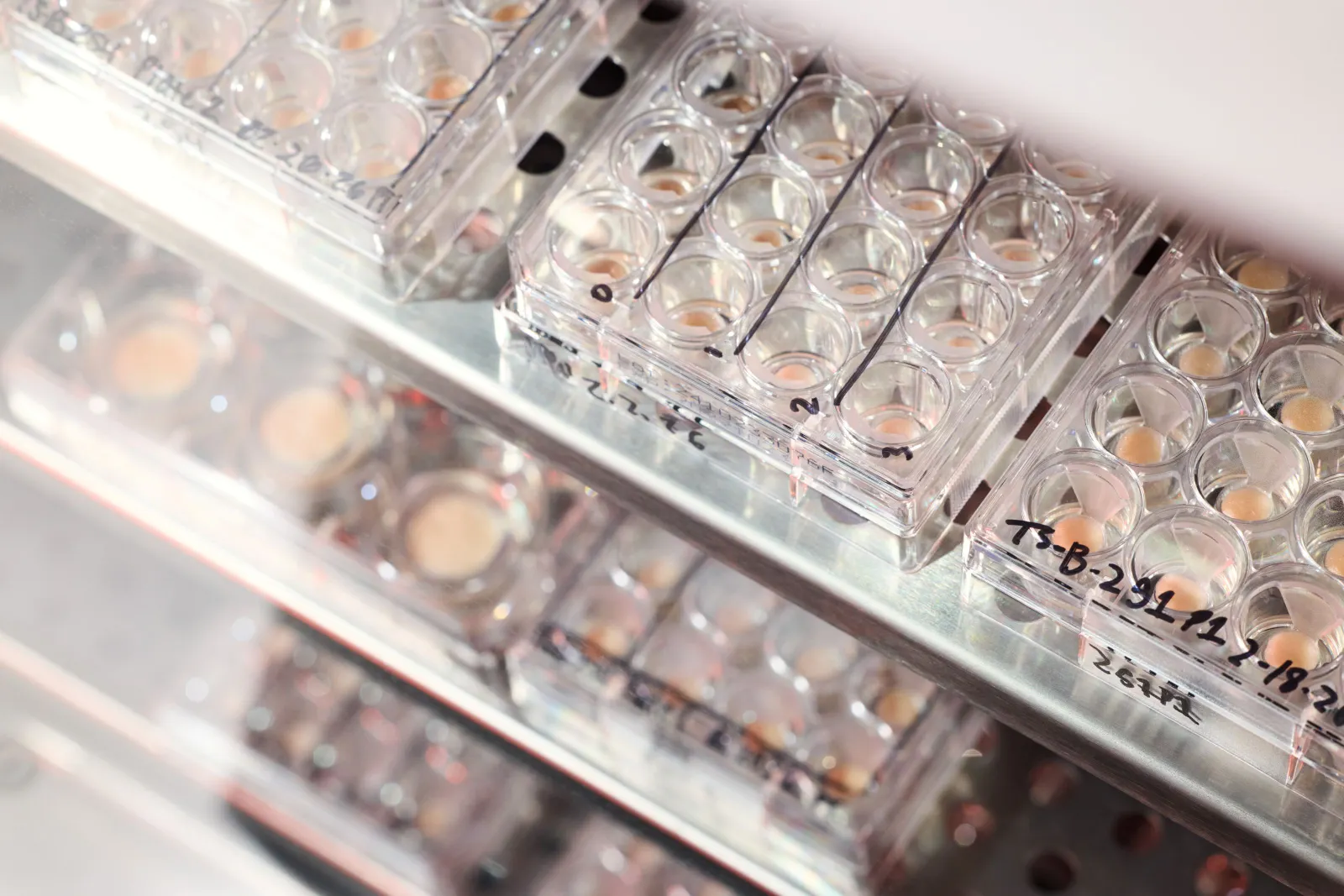
Outer Bio, a pioneering startup operating at the nexus of biotechnology and artificial intelligence, has recently emerged from stealth, unveiling a groundbreaking platform capable of sustaining harvested human skin tissue in a living, resilient state for approximately one month. This represents a significant advancement over conventional methods, which typically see such tissues degrade within roughly a week. The company’s innovative approach, detailed in a preprint of its research published in May, combines this extended tissue viability with sophisticated AI tools to rapidly screen millions of compounds, aiming to identify novel ingredients for skincare products and potential treatments for a range of dermatological conditions.
The Breakthrough: Sustaining Human Skin Ex Vivo
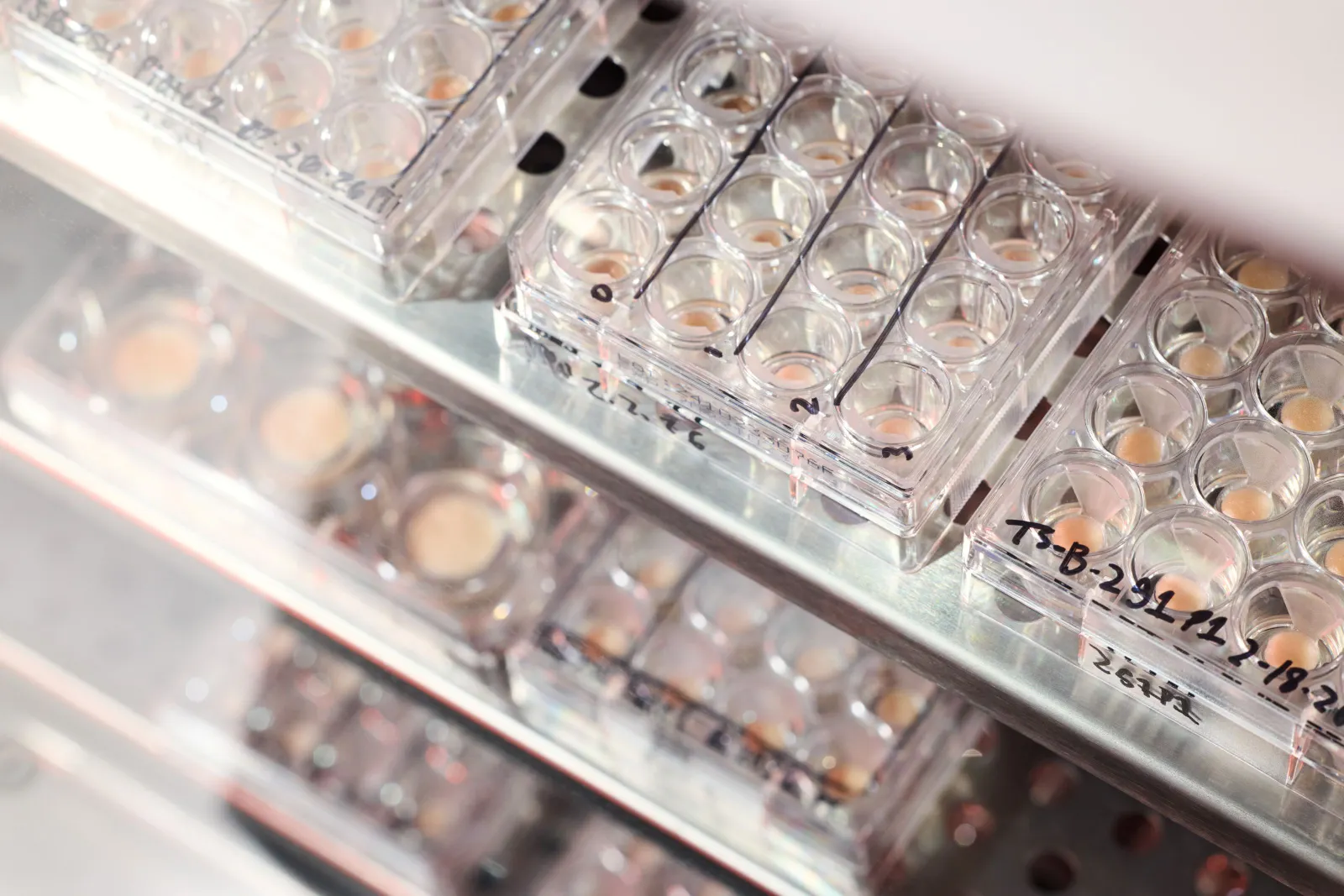
At the core of Outer Bio’s offering is its ability to maintain the integrity and functionality of human skin tissue ex vivo for an unprecedented duration. In a laboratory setting, the harvested skin samples are not merely kept alive but retain their complex structure, physiological resilience, and the crucial presence of resident immune cells. These immune cells are vital for detecting pathogens, responding to injuries, and regulating inflammation, mirroring the intricate functions of skin in vivo. This extended viability — a four-fold improvement over standard practices — is attributed to a series of closely guarded, proprietary technologies and techniques. These include specialized handling procedures, unique processing methods, custom-crafted support structures for cell culture, and a proprietary media formulation.
The significance of this achievement cannot be overstated. Traditional in vitro models of human skin often suffer from rapid degradation, limiting the duration and complexity of experiments that can be performed. The ability to maintain tissue integrity for a month provides a far more physiologically relevant platform for studying skin biology, disease progression, and the long-term effects of various compounds. It offers researchers an unparalleled window into dynamic biological processes, including cellular interactions, immune responses, and regenerative capacities, which are critical for understanding and treating complex skin conditions.
A New Paradigm for Discovery: AI-Powered Screening
Outer Bio’s innovation extends beyond tissue preservation. The company integrates its long-lived skin tissue models with advanced artificial intelligence and machine learning tools to accelerate the discovery process. Each compound-sample pairing subjected to the platform generates more than 30,000 data points. To date, this sophisticated system has amassed over 10 terabytes of data, drawing from more than 300 unique donors and evaluating over 10,000 potential treatments. This massive, high-quality dataset is crucial for training and validating AI models, enabling the identification of subtle patterns and correlations that would be impossible for human researchers to discern manually.
The traditional drug discovery pipeline is notoriously slow, expensive, and prone to high failure rates, often taking 10-15 years and costing billions of dollars to bring a single drug to market. A significant bottleneck is the early-stage screening of compounds and the translation of in vitro findings to human relevance. By providing a more accurate and prolonged human tissue model, coupled with rapid, data-rich AI screening, Outer Bio aims to dramatically reduce the time and cost associated with identifying promising candidates, de-risking the early stages of both cosmetic ingredient and therapeutic development. This could lead to a more efficient and targeted approach, potentially delivering effective solutions to consumers and patients much faster than conventional methods.
Leadership and Vision: Bridging Tech and Biology
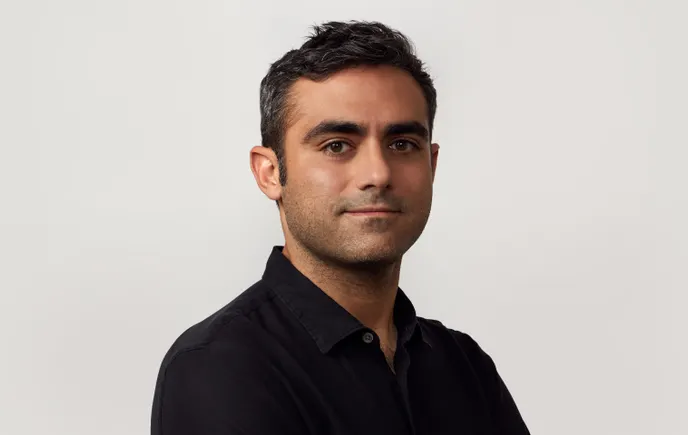
The company’s strategic direction is spearheaded by Michael Polansky, a serial tech entrepreneur serving as co-founder and CEO. Polansky’s background includes nearly 15 years running the family office of Sean Parker, the co-founder of Napster and first president of Facebook. During this tenure, he played a pivotal role in establishing the Parker Institute for Cancer Immunotherapy, gaining firsthand insight into the arduous and often frustrating pace of drug development within the traditional biotechnology sector.
Polansky articulated his motivation for founding Outer Bio, stating, "I spent the first 12, 15 years of my career working primarily in software, and you get used to a pace of innovation that starts to feel natural and appropriate for what we want to see in the world, in terms of solving problems and improving things." His transition to life sciences revealed a stark contrast, particularly the challenge of generating relevant data at a speed and cost conducive to rapid innovation. "If the goal is generating good, relevant data cheaper and faster, there needs to be companies dedicated to doing that," Polansky emphasized, expressing concern that such data-focused companies often pivot into drug development themselves.
Formed in 2020, Outer Bio’s journey has been deliberately meticulous. Polansky acknowledged that the company’s timeline has been "long in startup years," primarily because many components of its skin-preserving process required custom-crafting and extensive optimization. This patience underscores the scientific complexity involved, as Polansky noted, "Biology is super complicated." The company’s scientific foundation is further strengthened by its CSO, KJ Jang, and CTO, Chris Hinojosa, both alumni of Emulate Bio and the prestigious Wyss Institute, bringing deep expertise in organ-on-a-chip technologies and advanced biological systems.
Strategic Positioning: Cosmetics, Therapeutics, and Investor Dynamics
Outer Bio occupies a unique strategic position, intentionally blurring the lines between the cosmetics and pharmaceutical industries. While its technology undeniably has significant applications in drug development, Polansky is adamant about not following the conventional biotech path, which often entails lengthy and capital-intensive clinical trials. Instead, Outer Bio plans to initially "skew ourselves towards the cosmetic avenue to market," defining "cosmetic" as a non-drug product. This strategy is driven by the obvious advantages of lower development costs and faster market entry associated with non-drug products.
However, the company maintains flexibility. Polansky stated, "If we discover a mechanism of action in a disease indication that’s important, and what we have is going to work and is novel, we would be foolish not to try to develop a product around that." This hybrid approach aims to leverage the vast consumer demand for healthier skin, a market Polansky describes as "profound and universal, particularly as we start thinking about aging."
This dual focus initially presented challenges in securing investment. Polansky recounted early conversations with investors who often viewed the company through either a purely therapeutic or purely consumer lens. "We had a hard time at first widening the aperture enough [for them] to see we were organ-first, and that the data was equally relevant to drugs and cosmetic products," he explained. Some investors were only interested if Outer Bio pursued a traditional therapeutic path, while others questioned the relevance of rigorous science to a consumer market they perceived as driven primarily by branding and marketing. The company ultimately found partners who understood and supported its broader, data-centric vision.
Building the Foundation: Proprietary Systems and Scientific Rigor
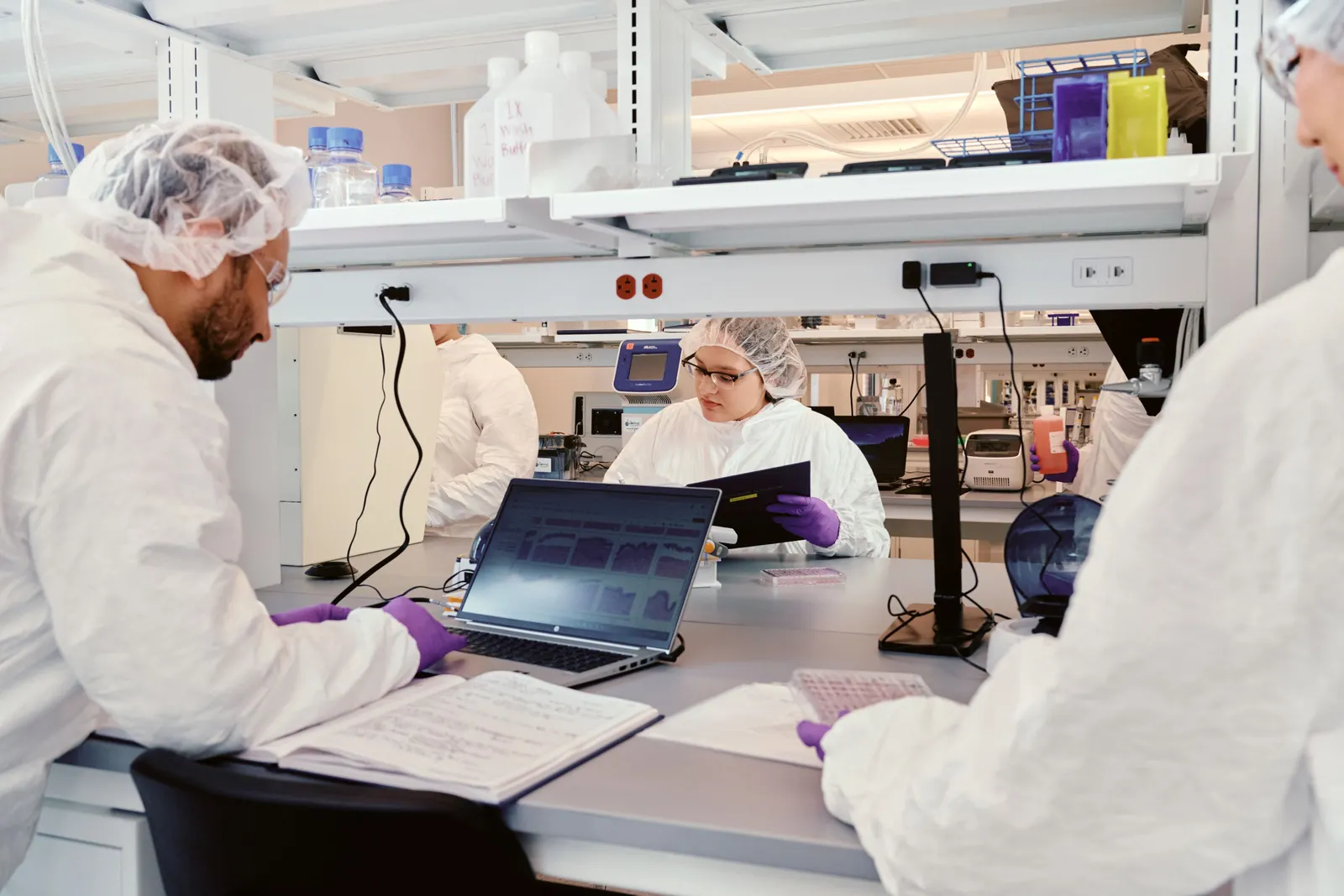
The proprietary system that enables Outer Bio to keep skin tissue alive and functional for a month is not a singular invention but rather a testament to iterative optimization and a holistic engineering approach. Polansky explained, "The truth is, it’s not any one thing. It’s everything from how we handle the tissue and how we process [the skin] to how it’s supported in culture." This comprehensive workflow encompasses custom-designed support structures, proprietary media formulations, and refined protocols developed over four years of intensive research and development.
The company’s scientific team diligently identified and addressed every reason why the tissue might fail to survive, continuously refining each step of the process. This meticulous optimization resulted in a "portfolio of things we had to get right," ensuring the integrity of the skin tissue architecture across a wide variety of donors. While the extended duration of tissue viability is a headline-grabbing achievement, Polansky emphasizes that preserving the tissue’s structural integrity and demonstrating reproducibility across diverse human samples were equally critical objectives. These factors are essential for ensuring that the data generated by the platform is "truly human relevant and [trustworthy]."
The Role of AI in Biological Discovery: Beyond the Hype
Polansky offered a nuanced perspective on the role of artificial intelligence in biological discovery, acknowledging both the current "hype" and the fundamental challenges. He noted that much of the AI employed by Outer Bio involves "more traditional machine learning" rather than the large language models that have garnered significant public attention in the past year. However, he believes the recent advancements in AI, particularly LLMs, have fostered a new belief in the transformative potential of AI across various domains, including biology.
A critical issue in applying AI to biology, Polansky highlighted, is the scarcity of appropriate data. "The interesting thing to me is that you just don’t have the data you need in biology, for a variety of reasons," he stated. While some believe existing data is merely unstructured or improperly labeled, Polansky argues that much of the necessary data simply "doesn’t exist at all; it needs to be generated." He posits that the answer likely lies in a combination of both.
This perspective underscores Outer Bio’s foundational strategy: to become a dedicated generator of high-quality, relevant biological data. Unlike other AI applications where data can be scraped from the internet or synthesized, biological data often requires running complex wet lab experiments. Polansky envisions a future where companies may emerge with the sole purpose of generating data, acknowledging that even large AI labs are beginning to establish their own wet labs for this reason. Outer Bio’s platform, by efficiently generating massive datasets from long-lived human skin, directly addresses this critical need, positioning itself as a vital engine for future AI-driven biological discovery.
Funding and Partnerships: A Strong Start and Strategic Alliances
Outer Bio has secured $23 million in funding from a diverse syndicate of more than half a dozen investors. Notable participants in this round include Wing Venture Capital, Initialized Capital, Sozo Ventures, and Hawktail, the venture capital firm established by Michael Polansky in 2021. This substantial early-stage investment reflects confidence in the company’s innovative platform and its potential to disrupt both the skincare and pharmaceutical industries.
Beyond financial backing, Outer Bio is actively forging strategic partnerships. Polansky confirmed that the company is collaborating with "a number of companies," including Lady Gaga’s makeup brand, Haus Labs. This partnership is particularly noteworthy given Polansky’s engagement to Lady Gaga, both of whom serve on Outer Bio’s board. This connection highlights the company’s commitment to bridging high-science innovation with consumer-facing applications, leveraging both scientific rigor and market influence. Such collaborations are critical for Outer Bio’s strategy of commercializing its discoveries through partnerships rather than solely pursuing internal drug development.
Future Outlook and Industry Implications
Outer Bio’s long-term vision transcends the development of individual products. Polansky articulates a desire to build a company where "the ultimate data corpus and the AI models are going to be much more valuable than any one active chemical we validate and productize." This perspective positions Outer Bio not merely as a discovery engine but as a foundational data and intelligence platform for dermatological science.
This approach could have profound implications for the broader industry. For the cosmetics sector, it promises a new era of evidence-based product development, moving beyond traditional ingredient testing to truly understand biological mechanisms of action within human tissue. For pharmaceuticals, it offers a pathway to faster, more accurate identification of therapeutic targets and drug candidates for a wide array of skin diseases, from inflammatory conditions like eczema and psoriasis to wound healing and anti-aging interventions.
Polansky believes this model, centered on efficient data generation and AI-driven insights, might represent the future of biotech itself. By focusing on generating specialized, human-relevant data and developing powerful AI models, Outer Bio aims to avoid the pitfalls that have traditionally derailed many biotech ventures. The company’s unique blend of scientific innovation, strategic market positioning, and a long-term vision rooted in data intelligence positions it as a significant player poised to reshape the landscape of dermatological research and product development. The journey ahead will involve continuous scientific refinement and strategic partnerships, but Outer Bio’s emergence signals a potent new force in the quest for healthier skin and more effective treatments.
