
 By admin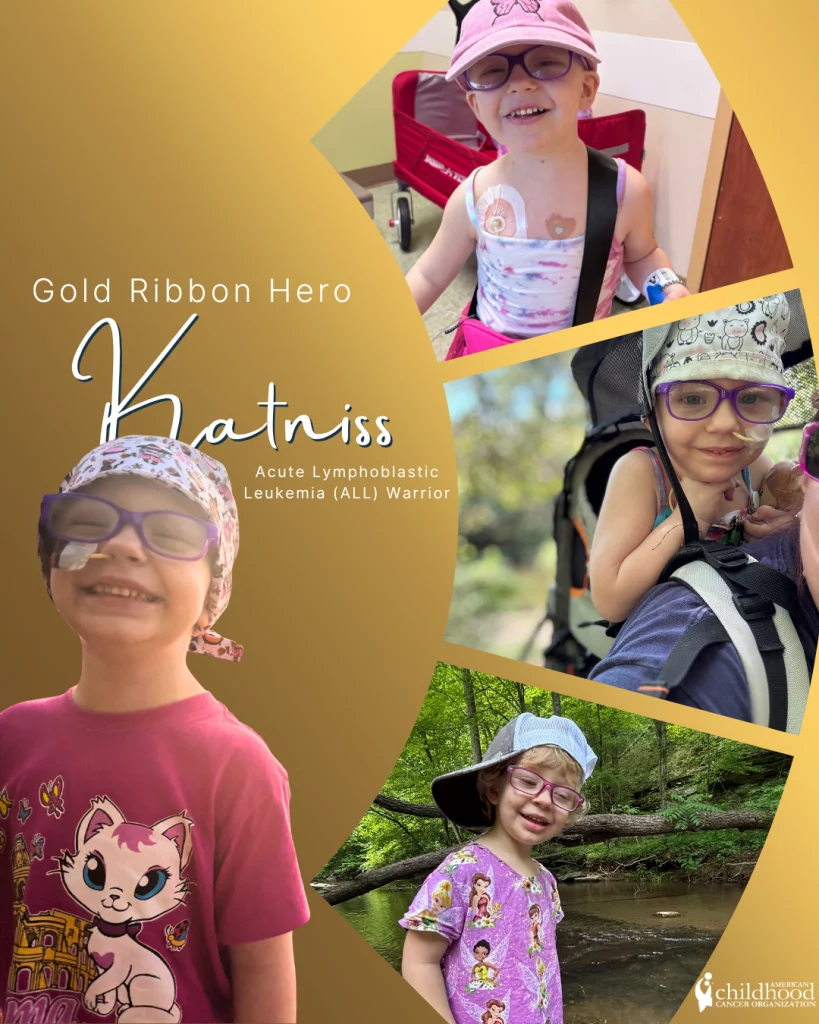
The landscape of pediatric oncology is often defined by stories of profound resilience, yet few cases illustrate the intersection of personal history and medical adversity as poignantly as that of Katniss, a young girl recently diagnosed with Acute Lymphoblastic Leukemia (ALL). In a diagnosis that reverberated through her family and the Nashville community, Katniss began a multi-year treatment protocol in June 2025, a journey that mirrors the childhood experience of her own mother, Katherine. This intergenerational struggle against the most common form of pediatric cancer highlights not only the advancements in modern hematology but also the critical role of community advocacy through organizations such as the American Childhood Cancer Organization (ACCO) and cultural institutions like the Grand Ole Opry.
The Clinical Onset and Diagnosis
The medical trajectory for Katniss began with symptoms that initially appeared routine. In early June 2025, she was treated for strep throat, a common bacterial infection in children. However, the expected recovery did not materialize. Instead, her condition deteriorated rapidly, culminating in an emergency department visit after she began vomiting blood—a severe symptom indicating systemic distress. Upon admission, clinical evaluations revealed that Katniss was suffering from profound neutropenia and anemia. Neutropenia, characterized by an abnormally low count of neutrophils (a type of white blood cell essential for fighting off infections), and anemia, a deficiency in red blood cells, are classic hallmarks of bone marrow failure often associated with leukemic infiltration.
Within days of her initial ER presentation, diagnostic tests, likely including peripheral blood smears and bone marrow aspiration, confirmed a diagnosis of Acute Lymphoblastic Leukemia. ALL is a type of cancer of the blood and bone marrow that affects white blood cells. It is characterized by the overproduction of immature lymphocytes, which crowd out healthy blood cells. For the family, the diagnosis was not merely a medical crisis but a hauntingly familiar trauma. Katherine, Katniss’s mother, is herself a survivor of childhood leukemia. The emotional weight of this "double diagnosis" underscores a rare and difficult reality for families where cancer spans generations, even when the disease is not strictly classified as a hereditary genetic disorder.
Understanding Acute Lymphoblastic Leukemia: Data and Context
Acute Lymphoblastic Leukemia remains the most prevalent cancer diagnosed in children, representing approximately 25% of all pediatric cancer cases. According to data from the National Cancer Institute (NCI) and the American Cancer Society, approximately 3,000 children and adolescents are diagnosed with ALL annually in the United States. While the diagnosis is formidable, the evolution of treatment over the last five decades represents one of the greatest success stories in modern medicine. In the 1960s, the five-year survival rate for pediatric ALL was less than 10%; today, thanks to standardized protocols and clinical trials, that rate has climbed to approximately 90%.
Despite these high survival statistics, the treatment remains grueling. Katniss has embarked on a treatment plan projected to last two and a half years. This timeline is standard for ALL, particularly for female patients (male patients sometimes undergo longer maintenance phases). The protocol is divided into several intensive phases: induction, consolidation, and maintenance.
During the induction phase, the primary goal is to achieve remission by eliminating leukemic cells from the blood and bone marrow. For Katniss, this has involved the surgical placement of a chemo-port—a device implanted under the skin to allow frequent access to the bloodstream—as well as repeated bone marrow biopsies and lumbar punctures. The latter is necessary to deliver intrathecal chemotherapy directly into the cerebrospinal fluid, a preventive measure to ensure the cancer does not spread to the central nervous system.
The Role of Community Advocacy: The Grand Ole Opry Chili Cook-Off
In the wake of her diagnosis, Katniss was selected as a representative ambassador for the Grand Ole Opry Chili Cook-Off in Nashville, Tennessee. This annual event serves as a significant fundraiser for the ACCO, bridging the gap between the music industry and pediatric health advocacy. The choice of Katniss as an ambassador was intended to put a face to the statistics, reminding donors and participants of the tangible lives impacted by pediatric cancer research and support services.
However, the realities of oncology treatment often interfere with public appearances. Due to the immunosuppressed state caused by her chemotherapy—a condition where the body’s ability to fight off common pathogens is nearly non-existent—Katniss was unable to attend the actual event in person. This is a common occurrence for pediatric "warriors"; the very treatments that save their lives also isolate them from the community events held in their honor.
Recognizing the importance of providing normalcy and joy to patients, the Grand Ole Opry and the ACCO arranged a private visit for Katniss and her family several weeks after the fundraiser. This visit included a comprehensive tour of the historic Nashville facility and the opportunity to watch a live performance. Such experiences are categorized by child life specialists as "therapeutic distractions," which play a vital role in the psychological well-being of children undergoing long-term medical treatment. These moments allow children like Katniss to reclaim their identities as children, rather than just patients, fostering the resilience that her family describes as her "sassy personality."
The American Childhood Cancer Organization and the "Gold Ribbon" Mission
The involvement of the American Childhood Cancer Organization (ACCO) in Katniss’s story is a testament to the organization’s long-standing mission. Founded in 1970 by a group of parents whose children had been diagnosed with cancer, the ACCO is the oldest and largest grassroots childhood cancer organization in the United States. Their mission focuses on providing resources to families, advocating for increased research funding at the federal level, and raising awareness through the symbol of the Gold Ribbon.
The ACCO’s advocacy is particularly relevant in the context of the Research to Accelerate Cures and Equity (RACE) for Children Act and the Childhood Cancer STAR Act. These legislative milestones are designed to ensure that pharmaceutical companies prioritize pediatric applications for new cancer drugs. For patients like Katniss, who must endure 30 months of systemic chemotherapy, the development of more targeted, less toxic therapies is a primary goal of the advocacy community. The current standard of care, while effective at curing the cancer, often leaves survivors with long-term "late effects," including cardiac issues, secondary cancers, and cognitive challenges.
Chronology of Events and Projected Timeline
The timeline of Katniss’s journey reflects the rapid and sustained nature of pediatric cancer care:
- Early June 2025: Onset of symptoms; initial diagnosis of strep throat.
- Mid-June 2025: Escalation of symptoms; emergency room admission; identification of neutropenia and anemia.
- Late June 2025: Formal diagnosis of Acute Lymphoblastic Leukemia; commencement of the Induction phase of chemotherapy.
- Summer 2025: Surgical placement of chemotherapy port; initial rounds of bone marrow biopsies and lumbar punctures.
- Autumn 2025: Appointment as Ambassador for the Grand Ole Opry Chili Cook-Off; private tour of the Grand Ole Opry following medical clearance.
- 2025–2027: Projected duration of the "Frontline" and "Maintenance" phases of treatment.
- Late 2027: Anticipated completion of chemotherapy and transition to long-term survivorship monitoring.
Official Responses and Implications for Pediatric Care
While HIPAA regulations and privacy concerns often limit specific medical commentary, pediatric oncologists generally emphasize the importance of early detection and the psychological support of the family unit. In cases where a parent is a survivor, medical teams often provide additional psychosocial support to address the "triggering" nature of a child’s diagnosis.
Spokespersons for the ACCO have frequently noted that the bravery of children like Katniss serves as the primary catalyst for legislative change. "Every child diagnosed with cancer deserves a future," is a common refrain within the organization. The partnership with the Grand Ole Opry highlights a growing trend of "philanthro-tainment," where major cultural landmarks use their platform to drive localized funding for national health crises.
The broader implications of Katniss’s story lie in the ongoing need for pediatric-specific oncology research. Despite the high cure rates for ALL, the medical community acknowledges that the "90% survival rate" is an average that masks the difficulties faced by those with high-risk subtypes or those who suffer significant treatment-related toxicity. By sharing the stories of ambassadors like Katniss, advocacy groups ensure that the momentum for finding a 100% cure rate—with zero long-term side effects—remains a national priority.
Conclusion: The Path Forward
Katniss’s journey is far from over, but her initial response to treatment and her ability to engage with the Nashville community through the Grand Ole Opry signify a hopeful trajectory. Her story is a microcosm of the larger battle against childhood cancer—a battle defined by medical precision, parental courage, and the unwavering support of a community that refuses to let a diagnosis define a child’s potential. As Katniss continues her two-and-a-half-year protocol, she stands as a symbol of the "Gold Ribbon" movement, representing the thousands of children who, through the advancement of science and the strength of the human spirit, fight to become the next generation of survivors.
