
 By admin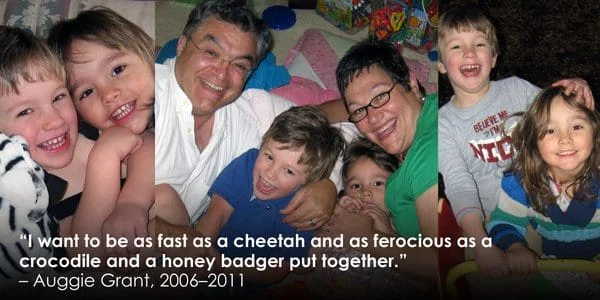
The story of Augusto “Auggie” Grant serves as a poignant catalyst for a broader discussion regarding the current state of pediatric oncology, the critical need for accelerated research, and the transformative power of community-driven philanthropy. Auggie, a vibrant five-year-old with aspirations of becoming an astronaut, a superhero, and a “ninja warrior,” was diagnosed with acute monoblastic leukemia in late 2011. The speed with which the disease claimed his life—just five days after diagnosis—highlights a harrowing reality in the field of pediatric medicine: for many children, the window for effective intervention is tragically narrow. His parents, Jon and Cheryl Grant, have since channeled their profound loss into a sustained effort to fund medical research through CureSearch for Children’s Cancer, specifically focusing on projects designed to move quickly from laboratory settings to clinical applications.
The Clinical Reality of Acute Monoblastic Leukemia
To understand the urgency of Auggie’s story, one must examine the medical context of his diagnosis. Acute monoblastic leukemia (AML-M5) is a subtype of acute myeloid leukemia, a cancer of the blood and bone marrow. While pediatric leukemia is often associated with high survival rates in its lymphoid forms, myeloid leukemias—and monoblastic subtypes in particular—can be exceptionally aggressive. AML-M5 is characterized by the rapid proliferation of immature monoblasts, which crowd out healthy blood cells.
In many cases, the symptoms can be non-specific, mimicking common childhood ailments until the disease has reached a critical stage. For Auggie, the progression was largely asymptomatic until the very end, demonstrating the "silent" nature of certain pediatric malignancies. As Cheryl Grant noted, a standard five-minute blood test was the only tool required to reveal the severity of the condition, yet by that time, the cancer had already overwhelmed his system. This underscores a significant challenge in pediatric oncology: the need for better early detection methods and more potent, targeted therapies that can act as rapidly as the diseases they are designed to combat.
Chronology of a Crisis and a Mission
The timeline of the Grant family’s experience illustrates the suddenness with which childhood cancer can upend a household. In November 2011, Auggie was an active child, known for his high energy and imaginative play. By early December, the diagnosis of acute monoblastic leukemia was delivered. On December 5, 2011, less than a week after the initial medical finding, Auggie passed away.
In the immediate aftermath of this tragedy, the Grant family sought a way to honor their son’s memory that would yield tangible benefits for other families. Rather than traditional floral tributes, the family requested donations to CureSearch for Children’s Cancer. This decision was based on a recommendation from Auggie’s oncology team, who identified CureSearch as an organization dedicated to addressing the specific hurdles of pediatric drug development.
Since 2012, the Grants have remained active in the advocacy space. They founded "Auggie’s Honey Badgers," a fundraising team named after one of Auggie’s favorite animals, known for its ferocity and resilience. This team participates annually in the "Ultimate Hike," a signature endurance event for CureSearch that challenges participants to complete a 28.3-mile trek in a single day. These efforts have transitioned from a private act of mourning into a public-facing movement that contributes significant capital to the pediatric cancer research pipeline.
The Funding Gap in Pediatric Oncology
The advocacy of families like the Grants is necessitated by a significant disparity in medical research funding. According to data from the National Cancer Institute (NCI) and various pediatric cancer foundations, childhood cancer research receives a disproportionately small fraction of federal funding compared to adult cancers. While the NCI allocates billions of dollars annually to cancer research, only approximately 4% of that budget is historically directed toward pediatric-specific studies.
This funding gap has several consequences:
- Limited New Drug Development: In the last several decades, only a handful of new drugs have been specifically developed and approved for first-line treatment in children, compared to hundreds for adults.
- Reliance on "Off-Label" Treatments: Many children are treated with adult chemotherapy protocols that are scaled down, which can lead to severe long-term side effects, including secondary cancers, heart damage, and cognitive impairments.
- Research Stagnation: Rare subtypes of pediatric cancer often lack the "market incentive" for large pharmaceutical companies to invest in research and development, leaving the burden of funding to non-profit organizations and private donors.
CureSearch for Children’s Cancer addresses this by focusing on "fast-tracked" research. Their model prioritizes projects that have a high probability of reaching clinical trials within a short timeframe. By bypassing some of the traditional bureaucratic hurdles and focusing on translational medicine, the organization aims to bridge the gap between laboratory discovery and patient care.
Community and Institutional Responses
The response to Auggie’s story has been characterized by a blend of grassroots mobilization and institutional support. Jon Grant’s reflections on the "Ultimate Hike" experience highlight a shift in how families process medical trauma. He described the experience as "transformative," noting that the communal nature of the hike creates a support structure that functions more like a family than a traditional charity team. This psychological aspect of advocacy is a critical component of the "legacy" model, where the memory of a deceased child becomes a source of collective strength rather than isolated grief.
From an institutional perspective, the oncology community has increasingly recognized the importance of such advocacy groups. Oncologists often recommend specific foundations to families because these organizations provide the "venture philanthropy" necessary to test high-risk, high-reward theories that federal grants might overlook. The collaboration between bereaved families, medical professionals, and researchers creates a feedback loop that ensures research remains patient-centered and urgent.
Broader Implications and the Path Forward
The implications of Auggie Grant’s story extend into the realms of public health policy and medical ethics. The "jubilant ferocity" described by his parents is now a trademark of the movement to reform how pediatric cancer is handled at a national level. This includes advocating for legislation like the STAR (Survives, Treatment, Access, and Research) Act and the RACE (Research to Accelerate Cures and Equity) for Children Act, which aim to increase transparency and mandate that pharmaceutical companies investigate adult cancer drugs for pediatric applications.
Furthermore, the emphasis on "five minutes"—referring to both the time it took for a diagnostic blood test and the time it takes to set up a recurring donation—serves as a metaphor for the critical nature of time in pediatric oncology. In a field where a five-day delay can be the difference between life and death, the efficiency of the research and funding apparatus is paramount.
Childhood Cancer Awareness Month and Future Outlook
Every September, Childhood Cancer Awareness Month serves as a period of heightened visibility for these issues. The gold ribbon, the universal symbol for childhood cancer, represents the value of children as a "precious metal." During this month, organizations like CureSearch utilize stories like Auggie’s to remind the public that despite being the leading cause of death by disease in children in the United States, pediatric cancer remains underfunded.
The ongoing work of "Auggie’s Honey Badgers" and the broader CureSearch community provides a roadmap for how private citizens can influence medical outcomes. By funding research that is specifically tailored to the unique biology of children, these advocates are working toward a future where a diagnosis of acute monoblastic leukemia is no longer a terminal sentence within a week.
In conclusion, the legacy of Augusto Grant is defined not by the brevity of his life, but by the enduring impact of the movement he inspired. His story highlights the systemic gaps in pediatric healthcare while simultaneously showcasing the capacity for human resilience to drive scientific progress. As research continues to evolve, the focus remains on the "fast-track"—ensuring that the next generation of children has access to the life-saving innovations that were not yet available in 2011. The transition from grief to purpose, as demonstrated by the Grant family, remains one of the most powerful forces in the fight against pediatric disease, turning a personal tragedy into a blueprint for survival for children worldwide.
