
 By admin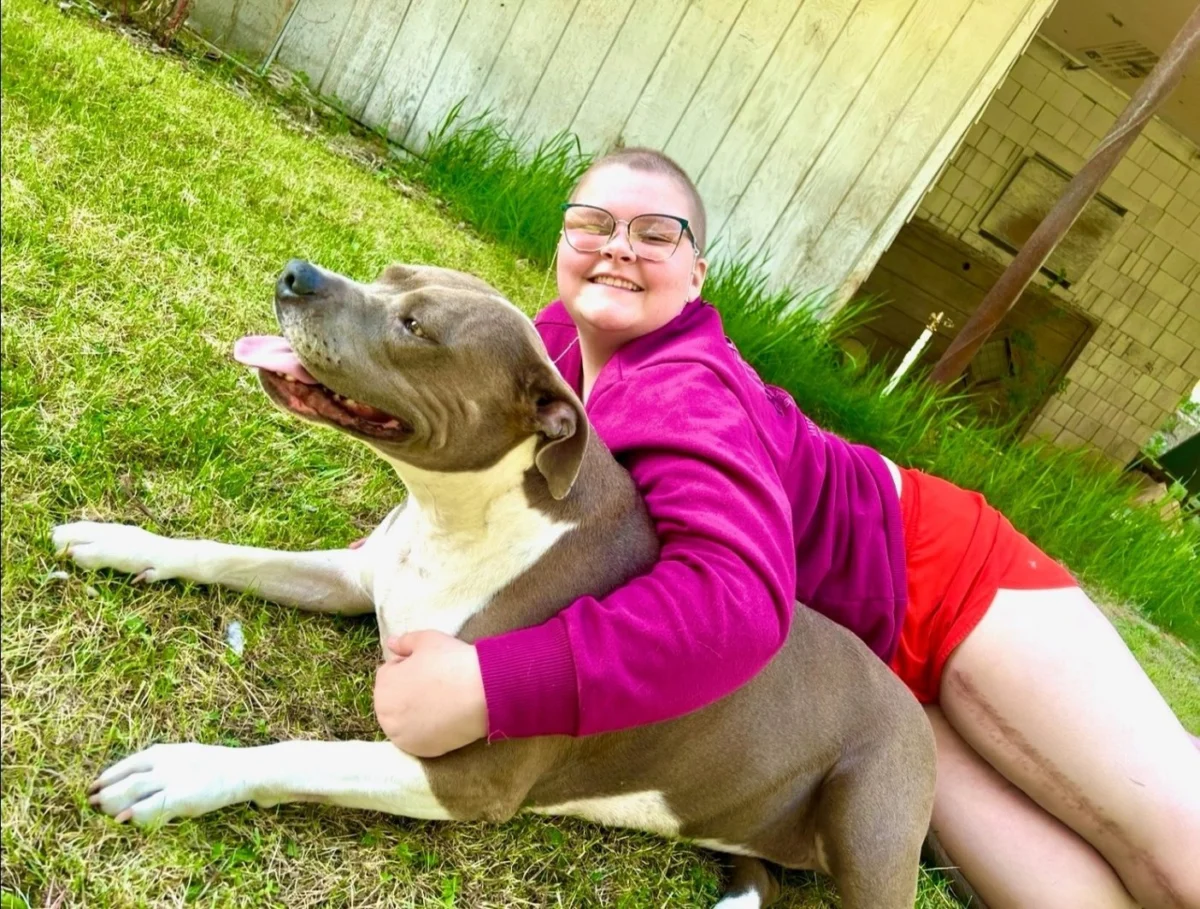
The final drop of chemotherapy fluid sliding through an intravenous line often symbolizes a hard-won victory for pediatric cancer patients. For 14-year-old Madelyn, that moment was marked by an immediate release of tension, as she rose from her hospital bed to embrace her mother, Toni, and a family friend in a celebratory dance. The exclamation of "I did it!" echoed through the oncology ward, signaling what the family believed was the conclusion of a harrowing ordeal. However, as medical experts and survivor families increasingly recognize, the cessation of active treatment is frequently not the end of the journey, but rather the commencement of a complex new phase characterized by physical rehabilitation and significant psychological adjustment.
The Onset of Osteosarcoma: From Athletic Injury to Oncology
Madelyn’s medical trajectory began in the summer of 2024, a period originally defined by the typical activities of an adolescent athlete. While practicing sliding techniques with her softball teammates, she began experiencing persistent leg pain. In the context of competitive youth sports, such discomfort is often dismissed as a routine muscular strain. However, when the pain escalated to a debilitating level a month later, clinical intervention became necessary.
Diagnostic imaging via X-ray revealed a significant tumor that had compromised the integrity of her femur, the human body’s longest and strongest bone. Subsequent biopsies confirmed a diagnosis of osteosarcoma. Osteosarcoma is a primary bone malignancy that most frequently affects adolescents and young adults, typically occurring during periods of rapid bone growth. According to data from the American Cancer Society, while osteosarcoma is the most common type of bone cancer in children, it remains rare, accounting for approximately 2% of childhood cancers. The standard of care involves a multi-modal approach: aggressive chemotherapy to shrink the primary tumor and address potential micrometastases, followed by surgical resection.
Clinical Challenges and the Failure of Prosthetic Integration
Madelyn’s treatment protocol was intensive, involving 30 rounds of chemotherapy. The side effects were systemic and severe, encompassing chronic nausea and alopecia. The surgical phase of her treatment aimed for limb-salvage rather than amputation, a common goal in modern pediatric orthopedics. This required the replacement of her femur and knee with titanium prosthetics.
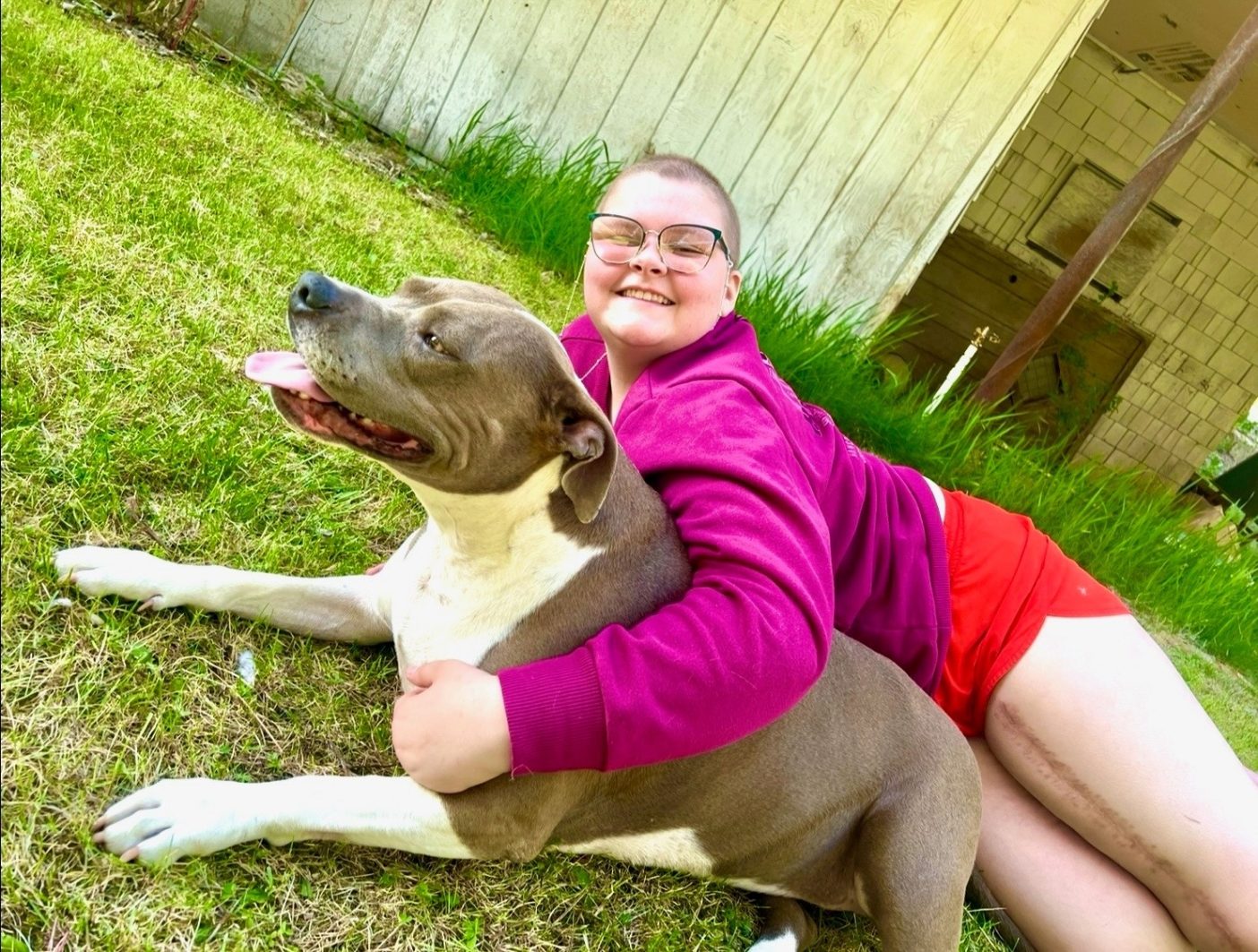
The recovery process was significantly hindered by repeated mechanical and manufacturing failures. Toni, Madelyn’s mother, noted the grueling nature of waiting for custom-made medical hardware. The production of these internal prostheses involves precise engineering; however, in Madelyn’s case, three separate prototypes failed during the pressure-testing phase of production. This series of setbacks resulted in a 10-month period during which Madelyn was entirely unable to walk.
It was only after four major surgical interventions that a viable combination of titanium components—spanning the hip, femur, and knee—was successfully implanted. This ordeal highlights a critical gap in the pediatric medical device pipeline: the need for more resilient, rapidly produced customized hardware for growing children whose bone structure and activity levels place immense stress on prosthetic materials.
The Transition to Survivorship: Physical and Social Reintegration
By March 2026, Madelyn reached the milestone of being one year cancer-free. Despite this clinical success, the physical reality of her life had been permanently altered. The transition from a hospital setting back to a secondary school environment presented immediate logistical and social hurdles.
Madelyn demonstrated remarkable resilience by returning to her school’s marching band. Unable to march on the field, she assumed the role of drum major, leading her peers from a wheelchair. As her physical therapy progressed, she moved from a wheelchair to a crutch, eventually participating in school theater productions. This transition underscores the importance of adaptive participation in extracurricular activities for the long-term recovery of pediatric patients.
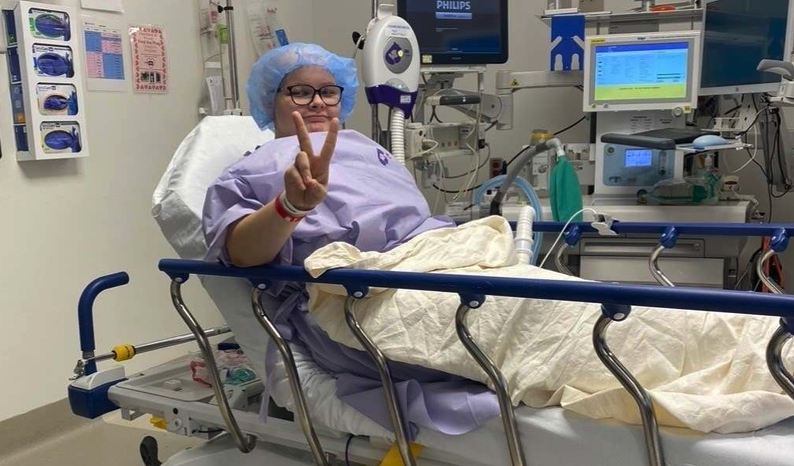
However, the social reintegration proved more difficult than the physical movements. Toni observed that the "maturity gap" between Madelyn and her peers had widened significantly. The trauma of facing a life-threatening illness often accelerates psychological development, leaving survivors feeling disconnected from the age-appropriate concerns of their classmates. Madelyn described this sensation as feeling like an "alien" in her own life—a common sentiment among childhood cancer survivors who find that their old social circles no longer offer the same sense of belonging.
The Psychological Aftermath: Anxiety and the Post-Treatment Void
While the physical scars of osteosarcoma are visible, the mental health implications are often more insidious. Madelyn began experiencing heightened anxiety and symptoms consistent with Post-Traumatic Stress Disorder (PTSD). Her preference for staying at home—a "safe zone"—and her fear regarding her mother’s safety are indicative of the hyper-vigilance that often follows a medical crisis.
"In her mind, if something happens to me, and then something happens to her again, what would she do?" Toni explained, highlighting the catastrophic thinking that can emerge when a child’s sense of bodily autonomy and safety has been shattered.
This phenomenon is well-documented in survivorship literature. The National Institutes of Health (NIH) notes that childhood cancer survivors have a significantly higher risk of developing depression and anxiety compared to their healthy siblings. The "end of treatment" is often when the adrenaline of "fight mode" dissipates, leaving both the patient and the caregivers to process the trauma they have endured. For parents like Toni, the expectation from the outside world is often that life should return to "normal" immediately.
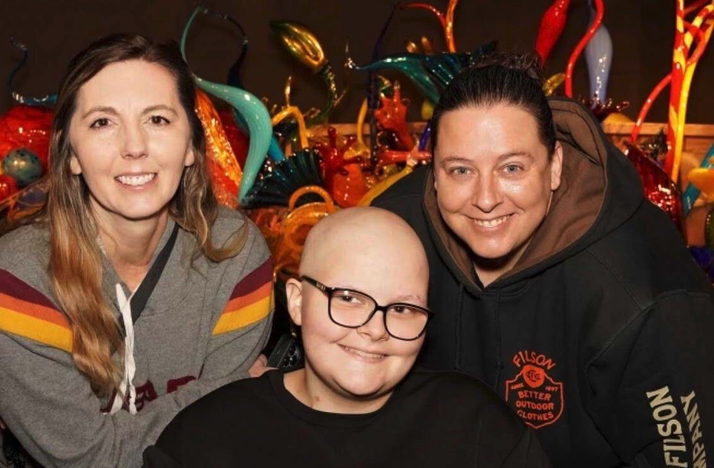
"From the outside, people think the hard part is over," Toni stated. This lack of societal understanding can lead to secondary trauma for caregivers who are expected to return to full-time productivity while still managing the emotional fallout of their child’s illness.
Analysis of Implications: The Need for Survivorship Research
The case of Madelyn and Toni illustrates why organizations like the Children’s Cancer Research Fund (CCRF) are shifting focus toward survivorship research. Historically, pediatric oncology research focused almost exclusively on survival rates. While those rates have improved dramatically—now exceeding 80% for many pediatric cancers—the quality of life for survivors remains a secondary concern in many clinical settings.
Survivorship research aims to address:
- Late Effects: Monitoring and mitigating the long-term physical damage caused by toxic chemotherapy and radiation, such as heart disease, secondary cancers, and infertility.
- Psychosocial Support: Developing targeted interventions for the anxiety, depression, and social isolation that peak after treatment ends.
- Resilience Building: Creating frameworks for teenagers to navigate the transition into adulthood with the limitations imposed by their medical history.
For Madelyn, the road to being considered "cured" remains long. In oncology, the five-year cancer-free mark is the standard benchmark for a cure. Until then, she must undergo regular scans and check-ups, each of which carries the potential for "scanxiety"—the acute distress felt before medical testing.
Current Status and Future Outlook
Now 15, Madelyn is actively working to reclaim her identity outside of the "cancer patient" label. This involves age-appropriate experimentation, such as changing her hair color and style, and exploring new interests like food vlogging. Her leadership in the marching band and theater suggests a successful, albeit modified, reintegration into her community.
The support of her peers, who attended her "ringing of the bell" ceremony virtually, indicates that while the "maturity gap" exists, a supportive community remains vital for recovery. Toni’s shift in parenting—moving from frustration to a profound patience born of the realization that "tomorrow isn’t promised"—reflects the transformative nature of the caregiving experience.
Madelyn’s story serves as a poignant reminder that the end of chemotherapy is a milestone, not a conclusion. As pediatric medicine continues to advance, the focus must expand beyond merely saving the lives of children to ensuring they have the psychological and physical infrastructure to live those lives fully. The integration of mental health services into standard post-cancer care, the development of better prosthetic technologies, and the creation of survivor-specific social networks are essential steps in supporting the thousands of "Madelyns" who navigate the difficult terrain of life after cancer.
