
 By admin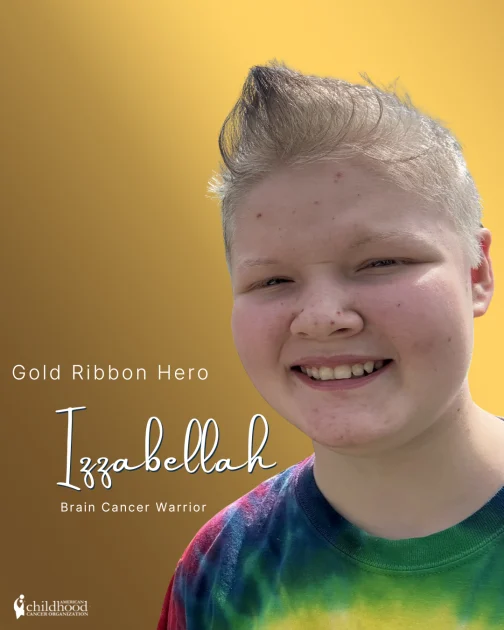
The trajectory of pediatric oncology often begins not with a definitive crisis, but with a series of subtle, escalating symptoms that challenge both parental intuition and medical diagnostics. For Izzabellah “Bellah” and her family, the journey into the world of pediatric brain cancer was marked by four months of persistent, worsening headaches—a common yet frequently misdiagnosed symptom in young patients. This period of diagnostic uncertainty ended abruptly when a magnetic resonance imaging (MRI) scan revealed significant neurological abnormalities, setting off a multi-year medical intervention that highlights the complexities of modern pediatric cancer care.
According to her mother, Natalie, the realization of the severity of the situation was instantaneous upon viewing the initial imaging. The subsequent clinical response was rapid: within an hour of the scan, the family was contacted by medical professionals, redirected to a regional medical center, and subsequently transferred to Riley Children’s Hospital in Indianapolis, an institution specialized in high-acuity pediatric cases. This swift transition from a routine diagnostic procedure to emergency neurological intervention is a hallmark of pediatric oncology, where the window for effective treatment often necessitates immediate action.
Clinical Progression and the Multi-Modal Treatment Regimen
Upon arrival at Riley Children’s Hospital, Bellah underwent her primary surgical intervention to remove the identified tumor. While the initial resection was successful, subsequent monitoring and pathology revealed the presence of additional malignant growths. This discovery shifted the clinical strategy from a localized surgical focus to a comprehensive, multi-modal treatment plan designed to address systemic risks and potential recurrence.
The ensuing 13 months were defined by the administration of oral chemotherapy. Unlike traditional intravenous chemotherapy, oral agents allow for a degree of domestic stability but require rigorous adherence and management of chronic side effects. Despite the completion of this initial round, the aggressive nature of the disease necessitated a second neurosurgical procedure. This was followed by an intensive eight-week course of radiation therapy, a treatment modality that, while effective at targeting residual tumor cells, carries significant risks for pediatric patients whose neurological systems are still in development.
The cyclical nature of Bellah’s treatment—moving from surgery to chemotherapy, back to surgery, and then to radiation and further chemotherapy—illustrates the "recursive" challenge of pediatric brain tumors. Medical data suggests that pediatric brain cancers often require these overlapping tiers of treatment to manage the high rate of cellular proliferation and the difficulty of crossing the blood-brain barrier with standard pharmacological agents.
Understanding Pediatric Brain Cancer: A Clinical Overview
Pediatric brain tumors are the most common solid tumors in children and adolescents, accounting for approximately 20 percent of all childhood cancers. They are also the leading cause of cancer-related death in the pediatric population, surpassing leukemia in recent years due to advancements in blood cancer treatments and the inherent difficulty of treating the central nervous system.
Data from the American Childhood Cancer Organization (ACCO) and the National Cancer Institute (NCI) indicate that approximately 4,000 children and adolescents in the United States are diagnosed with a primary brain or central nervous system tumor each year. The five-year survival rate for pediatric brain tumors varies significantly based on the specific histological subtype, the age of the patient, and the location of the tumor. While overall survival rates have improved to approximately 75 percent, the quality of life for survivors remains a critical concern for the medical community.
The treatment protocols Bellah underwent—resection, radiation, and chemotherapy—are the standard pillars of care, yet they are often described as a "double-edged sword" by oncologists. The aggressive nature of these treatments is necessary to eradicate malignant cells but can lead to long-term "late effects," including cognitive impairment, endocrine dysfunction, and secondary malignancies.
The Psychosocial Impact and the Challenge of Peer Attrition
Beyond the physiological toll, Bellah’s experience sheds light on the profound psychosocial challenges faced by pediatric patients. One of the most significant hurdles cited by families is the loss of social connectivity and the phenomenon of "friendship attrition." When a child is removed from the school environment for extended periods of treatment, the natural development of peer relationships is frequently disrupted.
For Bellah, the side effects of treatment were not limited to physical exhaustion and nausea; they included the social isolation inherent in long-term hospitalization and the inability to participate in the standard milestones of adolescence. The "missing out" factor is a documented psychological stressor in pediatric oncology, often leading to feelings of alienation and depression.
In response to this isolation, Bellah pivoted toward digital advocacy. By creating short-form videos and blog posts, she transformed her personal struggle into a public narrative. This form of "digital resilience" serves a dual purpose: it provides the patient with a sense of agency and purpose while offering a roadmap of hope for other families navigating similar diagnoses. This type of peer-to-peer support is increasingly recognized by child life specialists as a vital component of holistic cancer care.
Vocational Resilience and Current Status
Today, Bellah represents a growing demographic of pediatric cancer survivors who are navigating the transition from intensive treatment back into society. She has maintained her academic commitments while simultaneously entering the workforce as an activity aide at a local nursing facility.
This professional choice is notable within the context of her medical history. Working in a caregiving capacity at a nursing home requires high levels of empathy, patience, and physical stamina—traits that are often forged in the crucible of long-term illness. Her ability to contribute to the well-being of the elderly, while still managing her own ongoing health monitoring and education, serves as a testament to the efficacy of the multidisciplinary care she received and her own personal fortitude.
Her role as an activity aide also highlights the importance of vocational rehabilitation for cancer survivors. The transition from "patient" to "employee" is a critical milestone in the recovery process, signaling a return to normalcy and the reclamation of an identity outside of the clinical setting.
Institutional Responses and the Funding Gap
The case of patients like Bellah also brings into focus the broader systemic issues regarding pediatric cancer research and funding. Organizations such as the ACCO advocate for increased federal and private investment in pediatric-specific treatments. A common point of contention in the advocacy community is the disparity in research funding; historically, only about 4 percent of federal funding for cancer research in the U.S. is directed specifically toward pediatric cancers, with the vast majority allocated to adult-onset diseases.
Because pediatric cancers are biologically distinct from adult cancers, treatments designed for adults are often poorly suited for children. This "funding gap" means that many pediatric oncology protocols rely on drugs developed decades ago, which may lack the precision of modern targeted therapies. Bellah’s journey through traditional chemotherapy and radiation underscores the need for more innovative, less toxic treatments that can target brain tumors without compromising the long-term neurological health of the child.
Institutions like Riley Children’s Hospital continue to be at the forefront of clinical trials and integrative care, but specialists argue that without a significant shift in national funding priorities, the pace of discovery for pediatric brain cancer will continue to lag behind other oncology sectors.
Implications for Future Pediatric Oncology Care
The narrative of Izzabellah Bellah is more than a story of individual survival; it is a case study in the evolving landscape of pediatric oncology. It emphasizes several critical areas for future improvement in the healthcare system:
- Early Diagnostic Awareness: The four-month delay in Bellah’s diagnosis highlights the need for better education for primary care physicians and parents regarding the neurological symptoms of brain tumors, which can often mimic less severe ailments.
- Psychosocial Integration: There is a growing need for "school-reentry" programs and social support networks that prevent the isolation Bellah experienced, ensuring that the social development of the child is treated with the same urgency as their physical health.
- Long-term Survivorship Care: As more children survive brain cancer, the medical community must refine its approach to "survivorship clinics," which monitor for late effects and provide the necessary cognitive and physical therapy to ensure a high quality of life post-treatment.
- Advocacy-Driven Funding: The use of personal narratives to drive donations and policy changes remains the most effective tool for organizations like the ACCO to bridge the 4 percent funding gap.
Bellah’s ongoing commitment to her community, both through her vocational work and her digital presence, serves as a reminder that the goal of pediatric oncology is not merely the absence of disease, but the restoration of a child’s ability to participate fully in the world. Her journey reflects the multifaceted nature of the fight against childhood cancer—a fight that requires clinical excellence, familial support, and a societal commitment to funding the next generation of life-saving research. Through continued advocacy and public awareness, the hope is that future "warriors" will have access to even more effective treatments with fewer long-term burdens.
