
 By Suherman Candra Maholtra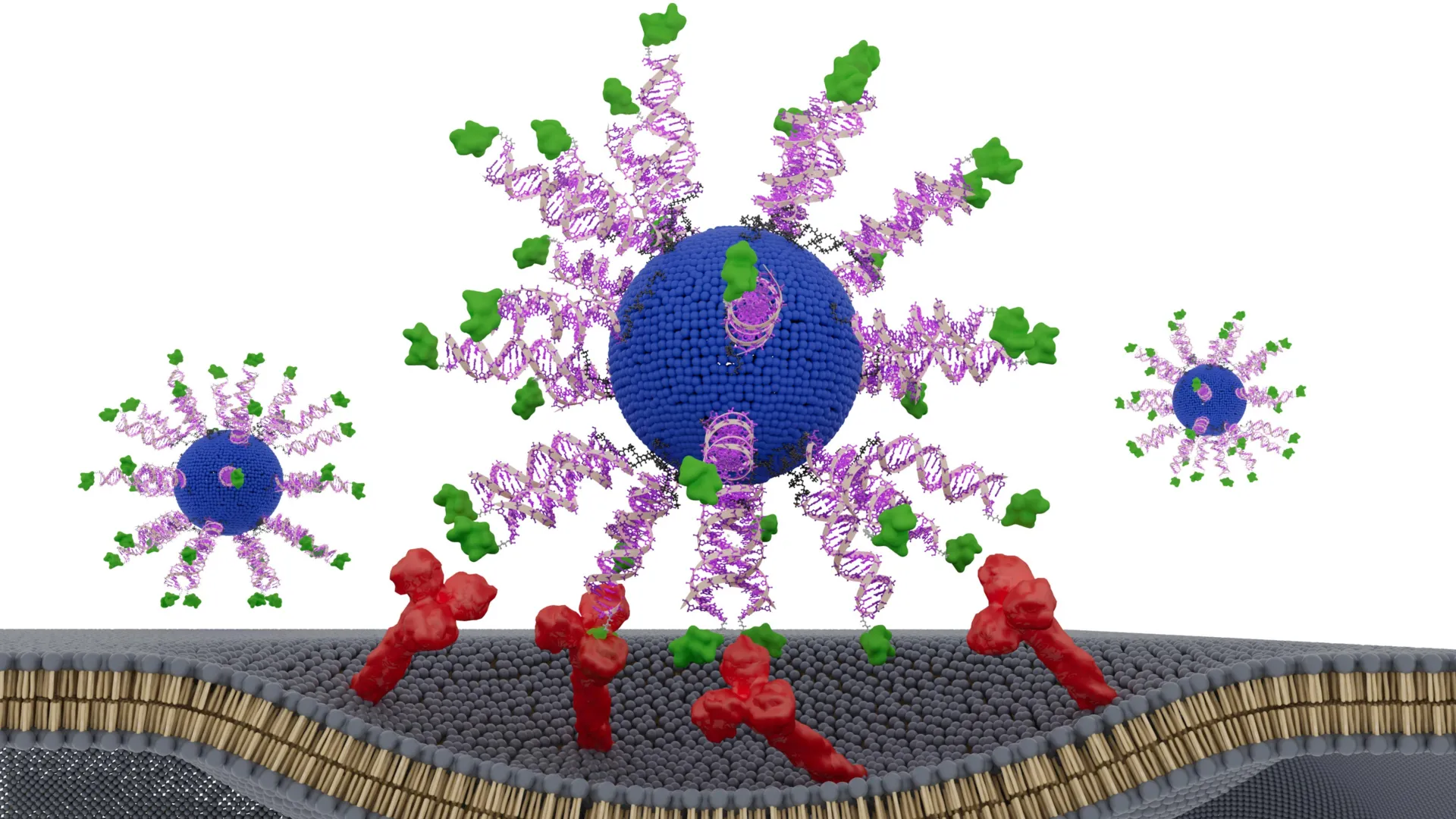
The field of immunology has long focused on the identification of specific biological triggers, known as antigens, to stimulate the body’s defense mechanisms against disease. However, a decade of research at Northwestern University has culminated in a paradigm-shifting discovery: the efficacy of a vaccine is determined not only by its chemical components but also by the precise spatial arrangement of those components at the nanoscale. This realization has birthed the field of "structural nanomedicine," a discipline that seeks to engineer medical treatments from the bottom up with atomic-level precision. In a landmark study published on February 11 in the journal Science Advances, researchers demonstrated that by simply reorienting a single peptide within a nanoparticle, they could transform a mediocre immune response into a potent, tumor-destroying assault.
The study specifically addressed therapeutic vaccines for cancers driven by the human papillomavirus (HPV). Unlike preventive vaccines, which aim to stop an infection before it occurs, therapeutic vaccines are designed to treat established diseases by training the immune system to recognize and eliminate existing malignant cells. The Northwestern team, led by nanotechnology pioneer Chad A. Mirkin and oncologist Jochen Lorch, found that the geometry of a vaccine dictates how effectively immune cells process information, ultimately deciding the fate of the patient’s internal battle against cancer.
The Evolution of Spherical Nucleic Acids (SNAs)
At the heart of this technological leap is the Spherical Nucleic Acid (SNA), a platform technology invented by Chad A. Mirkin. Unlike the linear, double-helix structure of DNA found in nature, an SNA consists of a dense core—often made of lipids or gold—surrounded by a shell of highly organized, radially oriented DNA or RNA strands. This unique globular architecture grants the SNA properties that its linear counterparts lack: it can easily penetrate cell membranes without the need for toxic delivery agents, and it is highly resistant to degradation by enzymes.
For over a decade, Mirkin’s laboratory has explored the versatility of SNAs. To date, the technology has been integrated into more than 1,000 commercial products and has served as the foundation for seven different drugs currently in human clinical trials. The SNA’s ability to act as both a delivery vehicle and an immune stimulant (adjuvant) makes it an ideal candidate for cancer immunotherapy. In the context of a vaccine, the SNA serves as a "scaffold" upon which antigens and adjuvants are placed. The recent study proves that where and how these pieces are attached to the scaffold is the most critical variable in vaccine design.
The HPV Study: Precision Engineering vs. The Blender Approach
The Northwestern researchers focused their efforts on HPV-positive cancers, which include the majority of cervical cancers and a rapidly increasing number of head and neck cancers. Despite the success of preventive vaccines like Gardasil, thousands of patients are diagnosed annually with HPV-driven malignancies that require aggressive intervention.
The team developed a series of SNA-based vaccines containing identical ingredients: a lipid core, immune-stimulating DNA, and a specific peptide (a fragment of a protein) derived from the HPV virus. While the ingredients remained constant, the researchers engineered three distinct structural configurations:
- Encapsulated Design: The HPV peptide was hidden inside the lipid core of the nanoparticle.
- C-Terminus Surface Design: The peptide was attached to the outer surface of the SNA via its C-terminus (one end of the protein chain).
- N-Terminus Surface Design: The peptide was attached to the outer surface via its N-terminus (the opposite end of the protein chain).
In a traditional pharmaceutical framework—what Mirkin calls the "blender approach"—these three formulations would be considered identical because their chemical "recipes" are the same. In the blender approach, antigens and adjuvants are mixed together in a vial and injected, leaving the final structure of the particles to chance. Mirkin notes that even modern breakthroughs, such as the mRNA COVID-19 vaccines, utilize lipid nanoparticles where the internal organization is stochastic and inconsistent from one particle to the next.
The results of the Northwestern study, however, soundly rejected the blender approach. The "N-terminus surface" configuration outperformed the others by a staggering margin.
Supporting Data: Quantifying the Immune Surge
The researchers evaluated the different vaccine designs using humanized animal models and actual tumor samples harvested from patients with head and neck cancer. The data revealed that the N-terminus surface design triggered a massive increase in the production of interferon-gamma, a critical signaling protein that "activates" the immune system’s killer T cells.
Specifically, the optimal SNA configuration produced up to eight times more interferon-gamma than the other designs. This heightened signaling led to a surge in CD8+ T cells—the "assassins" of the immune system—which were then able to identify and infiltrate tumors with far greater efficiency. In the animal models, this structural optimization resulted in significantly slowed tumor growth and extended survival rates. When tested on human patient samples, the optimized SNAs increased the rate of cancer cell destruction by twofold to threefold.
Dr. Jochen Lorch, the medical oncology director of the Head and Neck Cancer Program at Northwestern Medicine, emphasized that these gains were achieved without increasing the dosage or adding new, potentially toxic chemicals. "The immune system is sensitive to the geometry of molecules," Lorch explained. "By optimizing how we attach the antigen to the SNA, the immune cells processed it more efficiently."
A Chronology of Structural Nanomedicine
The journey toward this breakthrough has been one of incremental refinement and cross-disciplinary collaboration.
- 1996: Chad Mirkin’s group at Northwestern first describes the synthesis of DNA-functionalized gold nanoparticles, the precursor to the modern SNA.
- 2000s: Researchers discover that the dense orientation of DNA on the SNA surface allows it to enter cells via class A scavenger receptors, a pathway linear DNA cannot access.
- 2010-2020: The Mirkin lab begins applying SNAs to immunotherapy, testing the platform against melanoma and triple-negative breast cancer. Preclinical trials show that SNAs can "reprogram" the immune system to attack tumors.
- 2021-2023: Seven SNA-based therapies enter human clinical trials, targeting conditions ranging from psoriasis to glioblastoma (an aggressive brain cancer).
- 2024: The publication in Science Advances establishes the "structural nanomedicine" framework, proving that the orientation of a single peptide can be the difference between vaccine failure and success.
Institutional Support and Multidisciplinary Leadership
The complexity of this research required a convergence of expertise from chemistry, engineering, and clinical oncology. Chad Mirkin, the George B. Rathmann Professor of Chemistry at Northwestern, holds appointments in the Weinberg College of Arts and Sciences, the McCormick School of Engineering, and the Feinberg School of Medicine. His role as the director of the International Institute of Nanotechnology allowed for the high-level synthesis of these diverse fields.
The study was a collaborative effort with the Robert H. Lurie Comprehensive Cancer Center and was supported by significant funding from the National Cancer Institute (NCI) and the Lefkofsky Family Foundation. This level of institutional backing underscores the perceived potential of structural nanomedicine to change the standard of care for oncology.
Broader Implications: Rescuing "Failed" Drugs
One of the most provocative implications of this research is the possibility of "rescuing" vaccine candidates that failed in previous clinical trials. For decades, pharmaceutical companies have abandoned various antigens because they failed to elicit a strong enough immune response in patients. Mirkin suggests that many of these antigens may have been perfectly viable, but were simply delivered in an "unstructured" or "incorrectly structured" format.
By applying the principles of structural nanomedicine, scientists can now go back to these previously discarded components and re-engineer them into SNA configurations. This could potentially save billions of dollars in R&D costs by utilizing molecules that have already passed safety and toxicity screenings, requiring only a structural "facelift" to become effective medicines.
Furthermore, the integration of Artificial Intelligence (AI) is expected to accelerate this process. With thousands of possible variables in the arrangement of nanoparticles, AI and machine learning algorithms can be used to predict which structural configurations will offer the highest efficacy. Instead of relying on trial and error, researchers will use computational models to design the "perfect" vaccine architecture before ever entering a laboratory.
Conclusion: A New Era of Precision Immunotherapy
The findings from Northwestern University represent a fundamental shift in how the scientific community views drug formulation. If the 20th century was defined by the discovery of new chemical compounds, the 21st century is increasingly defined by the precise control of those compounds in three-dimensional space.
As structural nanomedicine continues to evolve, the "blender approach" to vaccine manufacturing may soon be viewed as a relic of the past. By treating the physical arrangement of a vaccine as a primary active ingredient, researchers are opening the door to a more potent, less toxic, and highly personalized generation of cancer treatments. The "train roaring down the tracks," as Mirkin describes it, is headed toward a future where the geometry of a molecule is just as important as its name.
