
 By Gabriel Paijo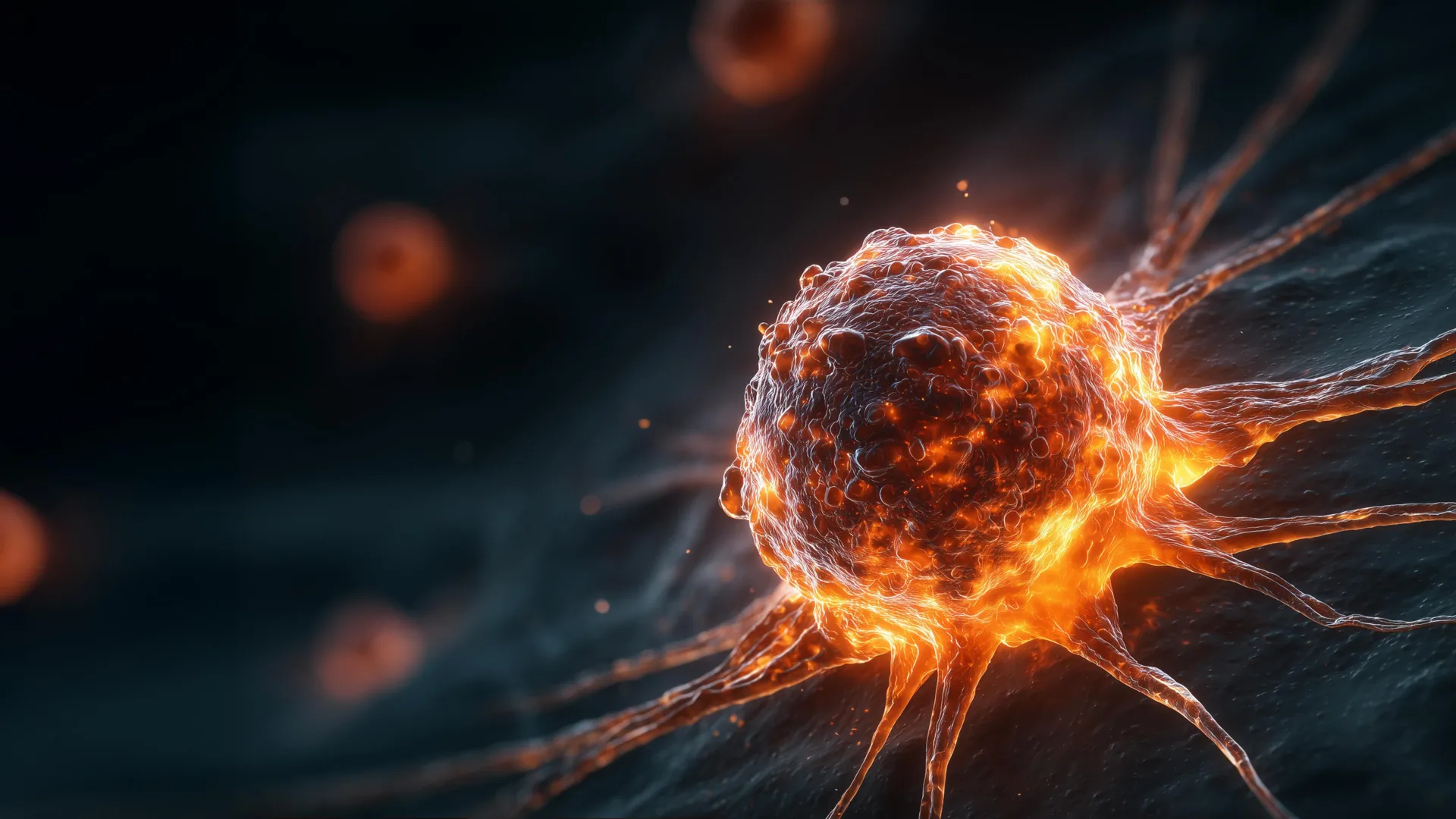
In a landmark study that could redefine the landscape of oncology and regenerative medicine, researchers at the MRC Laboratory of Medical Sciences (LMS) and Imperial College London have identified a critical biological weakness in "senescent" cells. These cells, colloquially known as "zombie cells," are damaged units that refuse to die, lingering in the body and secreting harmful substances that drive tumor growth and age-related decline. By pinpointing a specific protective protein, GPX4, as the primary shield for these cells, the research team has demonstrated that targeted pharmacological intervention can force these cells into a specialized form of self-destruction known as ferroptosis. This discovery, published in the journal Nature Cell Biology, offers a potential blueprint for a new class of "senolytic" drugs designed to enhance the efficacy of chemotherapy and improve long-term outcomes for patients with chronic diseases.
The Paradox of Cellular Senescence
To understand the significance of this discovery, one must first look at the dual nature of cellular senescence. For decades, biologists viewed senescence as a primary defense mechanism against cancer. When a cell sustains significant DNA damage or experiences oncogenic stress, it enters a state of permanent growth arrest. By refusing to divide, the cell prevents the formation of a tumor, effectively sacrificing its reproductive capability for the safety of the organism. This phenomenon, often referred to as the "Hayflick limit" in the context of aging, is a cornerstone of cellular biology.
However, the "zombie" moniker arises from what happens after the cell stops dividing. Instead of undergoing apoptosis—the orderly process of programmed cell death—senescent cells remain metabolically active. They develop what scientists call a Senescence-Associated Secretory Phenotype (SASP). This means they begin pumping out a potent cocktail of pro-inflammatory cytokines, growth factors, and proteases. In the short term, these signals may help repair tissue or alert the immune system to the damage. In the long term, however, the accumulation of these cells becomes toxic. The SASP factors can degrade the surrounding tissue matrix, promote the migration of nearby cancer cells (metastasis), and create a chronic inflammatory environment that suppresses the "good" immune cells while recruiting "bad" immune cells that shield tumors from detection.
The Search for the Achilles’ Heel: Screening 10,000 Compounds
The research led by Mariantonietta D’Ambrosio and Professor Jesus Gil focused on a high-stakes search for a compound that could distinguish between healthy, functioning cells and these harmful senescent remnants. The challenge in developing senolytic therapies—drugs that selectively kill senescent cells—lies in the fact that these cells are remarkably resilient. They have evolved complex survival pathways to resist the very stress signals that should normally trigger their death.
The study involved a massive screening effort, testing a library of 10,000 different chemical compounds. To increase the chances of finding a viable clinical candidate, the team collaborated with experts from Imperial College London’s Department of Medicinal Chemistry. They specifically focused on "covalent compounds." Unlike traditional drugs that bind loosely to their targets, covalent drugs form a permanent, irreversible chemical bond with a protein. This approach is particularly effective for "undruggable" proteins—targets that lack the deep pockets or traditional binding sites that most medicines require.
The screening process was rigorous. Researchers applied the compounds to both healthy cells and senescent cells induced by various stressors, including chemotherapy and oncogene activation. The goal was to find a "goldilocks" molecule: one that left healthy cells untouched while triggering a rapid death response in the senescent population. Out of 10,000 candidates, the list was narrowed down to four potent molecules. Upon further analysis, the researchers were surprised to find that three of the four top-performing compounds targeted the exact same protein: Glutathione Peroxidase 4, or GPX4.
GPX4 and the Shield of Ferroptosis
The identification of GPX4 as the primary target provided a crucial insight into the survival strategy of zombie cells. GPX4 is an enzyme that acts as a primary antioxidant defense, specifically protecting the cell’s lipid membranes from oxidative damage. Without functioning GPX4, cells accumulate lipid peroxides—toxic byproducts of metabolism—which eventually lead to a form of regulated cell death called ferroptosis.
Ferroptosis is distinct from the more commonly known apoptosis. It is an iron-dependent process characterized by the catastrophic collapse of the cell membrane due to oxidation. The study revealed that senescent cells exist in a state of extreme oxidative stress; they are essentially "on the edge" of ferroptosis at all times. To survive this internal volatility, senescent cells upregulate the production of GPX4.
Mariantonietta D’Ambrosio, the study’s lead author, utilized a poignant analogy to describe this state: the cells are like an athlete running on a severely injured ankle while taking massive doses of painkillers. The painkillers (GPX4) don’t fix the injury; they simply mask the pain and allow the athlete to keep moving. When the researchers introduced drugs that blocked GPX4, they effectively "removed the painkillers." Without the protection of GPX4, the underlying damage in the senescent cells became fatal, and the cells underwent immediate ferroptotic collapse.
Experimental Success in Cancer Models
The implications of this mechanism were tested across multiple preclinical models. The research team utilized three different mouse models of cancer to observe how GPX4 inhibitors performed in a living system. The results were consistent and promising. In models where tumors were treated with conventional chemotherapy, the treatment successfully stopped tumor growth but left behind a large population of senescent cells. These "zombie" remnants often lead to cancer recurrence or resistance to further treatment.
When the researchers followed the chemotherapy with the newly identified GPX4-targeting senolytics, the results improved significantly. The combination therapy not only reduced the overall tumor size more effectively than chemotherapy alone but also significantly extended the survival rates of the subjects. By clearing out the senescent cells, the researchers removed the SASP factors that usually encourage the surviving cancer cells to become more aggressive and metastatic.
Furthermore, the study addressed a critical concern in oncology: the "pro-tumor" immune environment. Professor Jesus Gil, Head of the Senescence group at the LMS, noted that the removal of senescent cells might "awaken" the immune system. By eliminating the inflammatory signals that recruit suppressive immune cells, the treatment may allow T-cells and Natural Killer (NK) cells to better recognize and attack the primary tumor.
Broader Implications for Aging and Chronic Disease
While the primary focus of the study was cancer, the discovery of the GPX4 vulnerability has far-reaching implications for the field of geroscience—the study of the biology of aging. Senescent cells are known to accumulate in various organs as humans age, contributing to a wide range of pathologies beyond oncology.
For instance, the accumulation of senescent cells in the lungs is a primary driver of idiopathic pulmonary fibrosis (IPF), a condition where lung tissue becomes scarred and stiff. In the kidneys, these cells contribute to chronic kidney disease, and in the brain, they are linked to the neuroinflammation seen in Alzheimer’s and Parkinson’s diseases. By developing a reliable method to trigger ferroptosis in these cells via GPX4 inhibition, scientists may eventually be able to treat or even reverse the progression of these age-related conditions.
The study also benefited from a global collaborative framework, involving the Institute of Oncology Research (IOR) in Switzerland and the M3 Research Centre at the University of Tübingen in Germany. This international effort highlights the growing consensus in the scientific community that targeting senescence is one of the most promising frontiers in modern medicine.
The Path to Clinical Application
Despite the excitement surrounding these findings, the transition from mouse models to human clinical trials requires careful navigation. One of the primary hurdles is patient stratification—identifying which individuals will benefit most from this approach. Professor Gil suggested that in the future, patients undergoing chemotherapy could be screened for GPX4 expression levels. If their tumors show a high density of GPX4-protected senescent cells, they would be ideal candidates for a combination therapy involving GPX4 inhibitors.
There is also the question of toxicity. While the study found that healthy cells were relatively unharmed, GPX4 is essential for certain physiological functions, particularly in the central nervous system. Developing "second-generation" senolytics that are even more selective or that can be delivered locally to a tumor site will be a priority for medicinal chemists moving forward.
The research marks a shift in how scientists think about "curing" cancer. Rather than simply trying to kill every rapidly dividing cell, the focus is shifting toward managing the entire cellular ecosystem of a tumor. By clearing the "zombie" cells that support the tumor’s infrastructure, doctors may be able to make existing treatments like immunotherapy and chemotherapy vastly more effective.
As the global population ages and the prevalence of cancer and age-related diseases continues to rise, the need for innovative therapeutic strategies has never been more urgent. The identification of the GPX4-ferroptosis axis provides a new weapon in the medical arsenal, offering hope that the harmful legacy of "zombie" cells can finally be laid to rest. The next phase of research will focus on refining these compounds for human use, potentially ushering in an era where the negative side effects of cellular aging are no longer an inevitable part of the human condition.
