
 By Hendra Lukman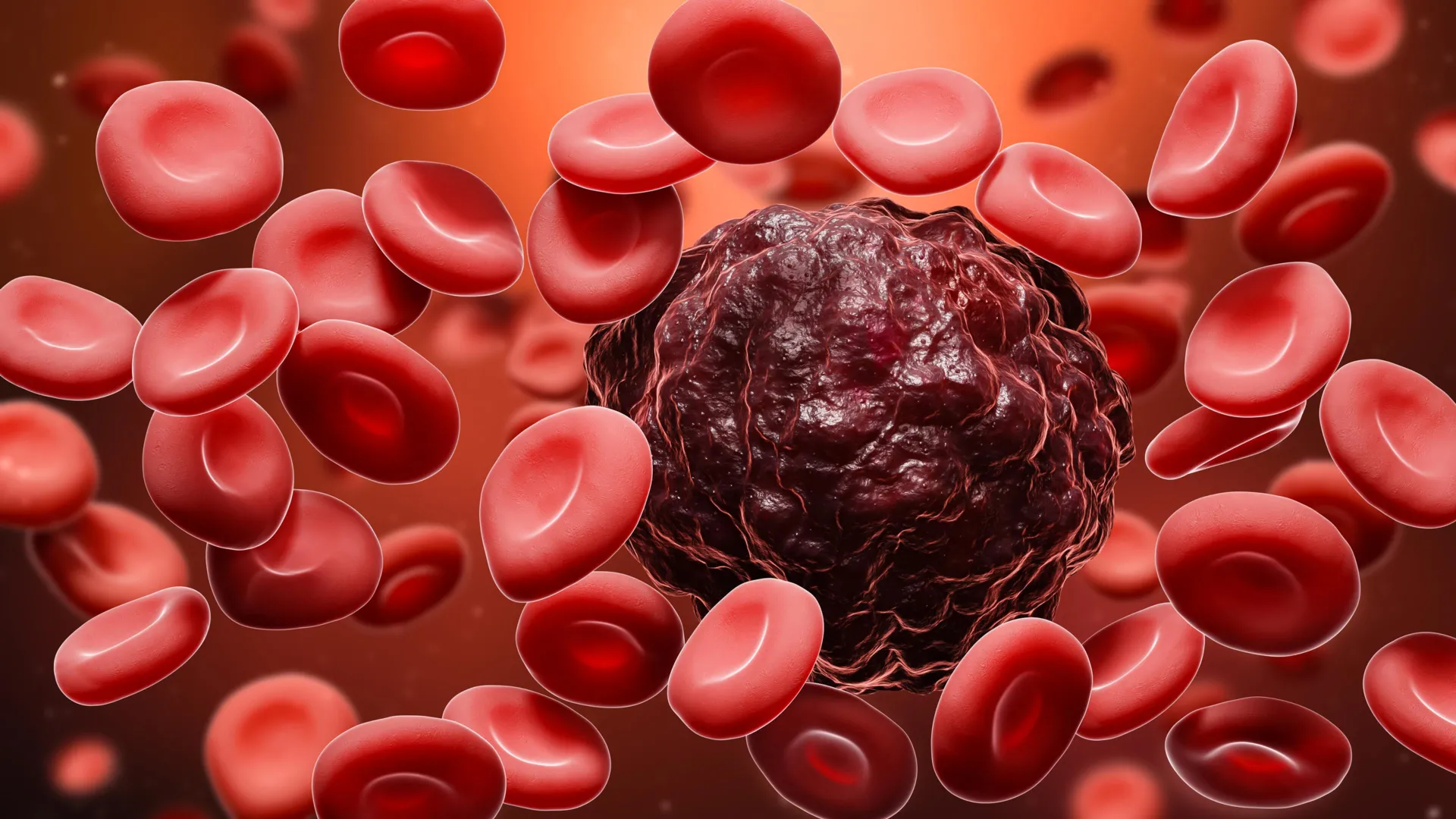
A significant breakthrough in the fight against a particularly aggressive form of leukemia, KMT2A-rearranged Acute Myeloid Leukemia (KMT2A-r AML), has emerged from the University of Surrey. Researchers have identified a plant-derived compound, forskolin, which demonstrates a remarkable capacity to improve existing treatment strategies and potentially enhance patient outcomes. This natural molecule’s dual mechanism of action, offering both direct anti-leukemic effects and potent synergy with chemotherapy, marks a promising step forward in the management of this challenging disease.
Understanding KMT2A-Rearranged Acute Myeloid Leukemia
Acute Myeloid Leukemia (AML) is a heterogeneous group of blood cancers characterized by the rapid proliferation of abnormal myeloid cells in the bone marrow. AML accounts for approximately 20% of all childhood leukemias and is the most common type of acute leukemia in adults. While overall survival rates for AML have improved over the decades, certain subtypes remain notoriously difficult to treat, leading to poor prognoses.
KMT2A-rearranged AML, formerly known as mixed-lineage leukemia (MLL)-rearranged AML, is one such aggressive subtype. This form of leukemia is defined by specific chromosomal rearrangements involving the KMT2A gene (also known as MLL). These rearrangements lead to the production of aberrant fusion proteins that disrupt normal gene regulation, driving uncontrolled leukemia cell growth and contributing to treatment resistance. KMT2A-r AML is more prevalent in infants and young children, but it also affects adults, often presenting with a particularly aggressive clinical course. Standard chemotherapy regimens, while effective against some AML subtypes, frequently struggle to achieve durable remission in KMT2A-r AML, highlighting the urgent need for novel therapeutic approaches.
The Dual Action of Forskolin
The research, published in the prestigious British Journal of Pharmacology, details how forskolin exerts its beneficial effects through a two-pronged attack on leukemia cells. Firstly, the compound directly inhibits the proliferation of KMT2A-r AML cells. This is achieved, in part, by forskolin’s ability to activate Protein Phosphatase 2A (PP2A), a crucial enzyme involved in regulating various cellular processes, including cell growth and survival. Activation of PP2A by forskolin leads to a reduction in the activity of key cancer-promoting genes such as MYC, HOXA9, and HOXA10. These genes are frequently overexpressed in KMT2A-r AML and are known drivers of leukemia cell proliferation and survival. By downregulating their activity, forskolin effectively puts the brakes on leukemia cell growth.
However, the researchers uncovered an even more compelling aspect of forskolin’s therapeutic potential: its remarkable ability to sensitize KMT2A-r AML cells to conventional chemotherapy. In a significant and somewhat unexpected finding, forskolin dramatically enhanced the responsiveness of these leukemia cells to daunorubicin, a widely used anthracycline antibiotic that forms a cornerstone of AML treatment. This enhanced sensitivity was not solely dependent on the activation of PP2A. Instead, the study revealed that forskolin interferes with the function of P-glycoprotein 1 (P-gp1), a transmembrane efflux pump that cancer cells often exploit to expel chemotherapy drugs.
Overcoming Chemotherapy Resistance: The P-glycoprotein 1 Mechanism
P-glycoprotein 1 is a member of the ATP-binding cassette (ABC) transporter superfamily. These proteins are naturally present in various tissues, including the intestines, kidneys, and blood-brain barrier, where they play a protective role by pumping out toxins and drugs. However, cancer cells, including those of KMT2A-r AML, can upregulate the expression of P-gp1. This increased expression allows them to actively pump out chemotherapeutic agents like daunorubicin, rendering the treatment ineffective. This mechanism is a major contributor to multidrug resistance in cancer.
The Surrey team’s discovery that forskolin can inhibit P-gp1 offers a crucial insight into overcoming this common resistance mechanism. By limiting the efflux of daunorubicin from leukemia cells, forskolin ensures that a higher concentration of the drug remains within the cancer cells. This sustained exposure to daunorubicin then allows the chemotherapy to exert its cytotoxic effects more potently, leading to a more profound and effective eradication of leukemia cells. This dual action – directly inhibiting cancer growth and enhancing chemotherapy efficacy by overcoming resistance – makes forskolin a highly attractive candidate for further therapeutic development.
Expert Perspectives on the Findings
Dr. Maria Teresa Esposito, Senior Lecturer in Biochemistry at the University of Surrey and lead author of the study, expressed her enthusiasm for the findings. "Our findings have highlighted an exciting dual mechanism of action for forskolin," Dr. Esposito stated. "Not only does it have direct anti-leukemic effects, but it also acts as a powerful enhancer to conventional chemotherapy. Combining forskolin with daunorubicin could lead to a more effective treatment strategy, potentially allowing for lower doses of chemotherapy and reducing the severe side effects often associated with AML treatments."
The potential for reducing chemotherapy doses is particularly significant. AML treatments are often associated with severe side effects, including myelosuppression (a decrease in bone marrow activity leading to low blood cell counts), infections, nausea, and fatigue. By enabling lower, yet more effective, doses of chemotherapy, forskolin could substantially improve patients’ quality of life during treatment and reduce the risk of life-threatening complications.
The research was supported by Leukaemia UK, a charity dedicated to funding vital research into blood cancers. Dr. Simon Ridley, Director of Research and Advocacy at Leukemia UK, underscored the importance of this collaborative effort. "We are committed to funding innovative research and are proud to have supported Dr. Esposito’s work," Dr. Ridley commented. "AML is one of the most aggressive and deadly cancer types, and this study not only deepens our understanding of KMT2A-rearranged AML but also opens the door to kinder, more effective treatments. Work like this is essential if we are to achieve our goal of doubling the five-year survival rate for AML within the next decade."
Leukemia UK’s commitment to supporting groundbreaking research reflects the broader challenges in treating aggressive leukemias. The organization’s ambitious goal to double the five-year survival rate for AML within the next decade underscores the pressing need for advancements such as those demonstrated by the forskolin study.
A Collaborative Research Endeavor
This significant research was not the product of a single institution but rather a testament to a broad and comprehensive collaborative effort. Scientists from a range of esteemed institutions contributed their expertise to this project, underscoring the multidisciplinary nature of modern biomedical research. Key collaborators included researchers from the University of Roehampton, Barts Cancer Institute at Queen Mary University of London, the Great Ormond Street Institute of Child Health at University College London (UCL), and the Genomic Regulation Centre for Genomic Regulation (CRG) in Barcelona, Spain.
This extensive network of collaboration allowed for a comprehensive approach, bringing together diverse perspectives and specialized skills. Such partnerships are increasingly vital in tackling complex diseases like KMT2A-r AML, enabling the pooling of resources, data, and intellectual capital to accelerate scientific discovery.
Timeline and Future Directions
The journey from initial hypothesis to published findings represents a significant investment of time and resources. While the specific timeline of this research project is not detailed in the provided text, scientific studies of this nature typically involve several years of laboratory work, data analysis, and peer review.
The initial stages likely involved in vitro studies to identify the effects of forskolin on leukemia cell lines. This would have been followed by experiments to elucidate the molecular mechanisms involved, such as measuring PP2A activity and gene expression levels, and assessing the impact on P-gp1 function. The successful demonstration of enhanced chemotherapy sensitivity in laboratory settings would then pave the way for preclinical studies in animal models, if not already completed.
The implications of this research are profound. If further studies, including rigorous clinical trials, confirm these promising results, forskolin could be integrated into treatment protocols for KMT2A-r AML. The potential for a "kinder, more effective treatment" as described by Dr. Ridley, could revolutionize how this aggressive leukemia is managed, offering new hope to patients and their families. Future research will undoubtedly focus on optimizing dosing strategies, evaluating combinations with other chemotherapeutic agents, and assessing the safety and efficacy of forskolin in human clinical trials. Understanding the precise dose-response relationship and potential synergistic effects with other targeted therapies will be critical next steps. Furthermore, exploring the potential of forskolin in other AML subtypes or even different types of cancer where P-gp1-mediated resistance is a significant hurdle will be of considerable interest to the broader oncology community.
Broader Impact and Implications for Cancer Therapy
The discovery of forskolin’s dual mechanism of action has broader implications that extend beyond KMT2A-r AML. The identification of a natural compound that can effectively overcome P-glycoprotein 1-mediated multidrug resistance in cancer cells is a significant advancement. P-gp1 is implicated in resistance to a wide range of chemotherapeutic agents across numerous cancer types, including breast cancer, ovarian cancer, and colon cancer. Therefore, strategies that can effectively inhibit P-gp1 activity hold the potential for a wide-ranging impact on cancer treatment.
The use of plant-derived compounds in medicine is not new, with many established drugs originating from natural sources. Forskolin itself has been used for centuries in traditional Ayurvedic medicine and has been investigated for various therapeutic applications, including glaucoma and asthma. This study reaffirms the value of exploring natural products for novel therapeutic leads, particularly in areas where conventional treatments face limitations.
The collaborative nature of this research also highlights a positive trend in scientific inquiry. By bringing together diverse expertise and resources, complex challenges can be addressed more effectively, accelerating the pace of discovery and translation of research findings into clinical practice. The commitment of organizations like Leukemia UK in funding such vital research is instrumental in driving these advancements and ultimately improving patient care. The path from laboratory discovery to widespread clinical application is often long and complex, involving extensive testing and regulatory approval. However, the findings surrounding forskolin in KMT2A-r AML represent a beacon of hope, offering a glimpse into a future where more effective and less toxic treatments for aggressive leukemias are a reality.
