
 By Hendra Lukman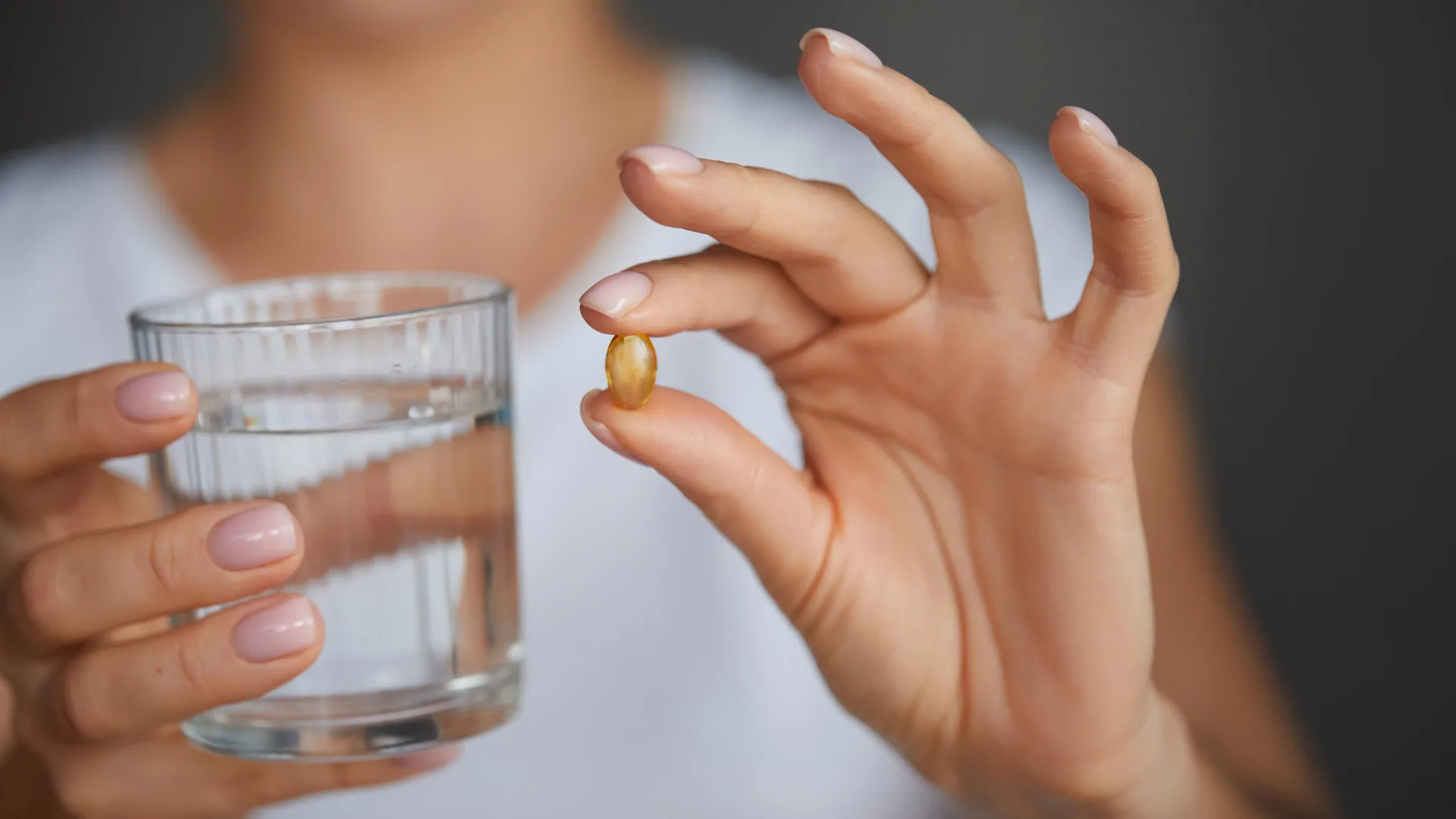
Findings from a large-scale, rigorous randomized controlled trial led by Mass General Brigham suggest that while high-dose vitamin D3 supplementation does not appear to reduce the severity of acute COVID-19 infections or hospitalizations, it may hold a promising signal for mitigating the risk and impact of long COVID. The comprehensive study, published in the prestigious Journal of Nutrition, involved a significant number of participants across the United States and Mongolia, aiming to definitively answer questions surrounding vitamin D’s role in the pandemic.
The VIVID Trial: A Deep Dive into Vitamin D and COVID-19
The Vitamin D for COVID-19 (VIVID) Trial was designed to address the considerable scientific and public interest in whether vitamin D supplements could offer protection against COVID-19. Vitamin D, a fat-soluble vitamin crucial for bone health, also plays a vital role in immune function. Its potential impact on viral infections, including influenza and other respiratory illnesses, has been a subject of ongoing research. However, studies investigating vitamin D’s efficacy against COVID-19 had yielded inconsistent results, necessitating a large-scale, well-controlled trial to provide clearer answers.
"There’s been tremendous interest in whether vitamin D supplements can be of benefit in COVID, and this is one of the largest and most rigorous randomized trials on the subject," stated senior author JoAnn Manson, MD, DrPH, of the Mass General Brigham Department of Medicine. "While we didn’t find that high-dose vitamin D reduced COVID severity or hospitalizations, we observed a promising signal for long COVID that merits additional research."
The VIVID Trial specifically evaluated the impact of high-dose vitamin D3 supplementation on individuals recently diagnosed with COVID-19 and their household contacts. The trial’s design was meticulously crafted to ensure robust data collection and analysis, accounting for numerous factors that could influence COVID-19 outcomes.
Trial Design and Implementation: A Global Effort
The VIVID Trial commenced in December 2020 in the United States, with the Mongolian arm of the study initiating in September 2021. The research concluded in September 2022 in the U.S. and April 2022 in Mongolia. This temporal overlap allowed researchers to gather data during different phases of the pandemic and across varied demographic and environmental contexts.
A total of 1,747 adults who had recently tested positive for COVID-19 and 277 of their household contacts were enrolled in the study. Participants were randomly assigned to receive either high-dose vitamin D3 or a placebo daily for a duration of four weeks. The vitamin D3 supplementation protocol was substantial, involving 9,600 International Units (IU) per day for the initial two days, followed by 3,200 IU per day for the remainder of the four-week period. This dosage was chosen to represent a high intake, exceeding the typical recommended daily allowance for many individuals.
Crucially, participants generally began their assigned treatment approximately three days after receiving a positive COVID-19 test. This timing was intended to capture the early stages of the infection when interventions might have the greatest impact on acute illness.
Ensuring Scientific Rigor: Balancing Study Groups
Ensuring the integrity and validity of the study’s findings was paramount. Lead authors Davaasambuu Ganmaa, Kaitlyn Cook, and their colleagues employed sophisticated statistical methods, including stratified randomization and statistical weighting. These techniques were essential for balancing key factors known to influence COVID-19 outcomes between the vitamin D and placebo groups. These critical factors included:
- Age: Older individuals are generally at higher risk for severe COVID-19.
- Sex: Some studies have indicated differences in COVID-19 susceptibility and severity between males and females.
- Body Mass Index (BMI): Obesity is a significant risk factor for severe COVID-19.
- Race/Ethnicity: Different racial and ethnic groups have experienced disproportionately higher rates of infection and mortality from COVID-19, potentially due to a complex interplay of socioeconomic, genetic, and environmental factors.
- COVID-19 Vaccination Status: Vaccination status is a primary determinant of protection against severe illness and hospitalization.
By meticulously balancing these variables, the researchers aimed to minimize the possibility that any observed differences in outcomes were due to pre-existing disparities between the groups rather than the intervention itself. This rigorous approach is a hallmark of high-quality clinical research.
Acute COVID-19 Outcomes: No Significant Impact
The primary analysis of the VIVID Trial focused on the immediate impact of high-dose vitamin D3 supplementation on the severity of acute COVID-19 infections and transmission. Over the four-week study period, the researchers found no statistically significant differences between the vitamin D and placebo groups in several key metrics:
- Healthcare Utilization: This encompassed hospital stays, in-person or virtual clinic visits, and emergency room visits. The study found no evidence that vitamin D supplementation reduced the need for medical care related to COVID-19.
- Death: The mortality rate from COVID-19 was similar in both the vitamin D and placebo groups.
- Symptom Severity: Participants in both groups reported comparable levels of symptom severity during their acute infection.
- Transmission to Household Contacts: High-dose vitamin D supplementation did not appear to reduce the likelihood of household contacts contracting COVID-19 from an infected individual.
These findings align with several other large-scale studies and meta-analyses that have failed to demonstrate a clear benefit of vitamin D supplementation in preventing or treating acute COVID-19 illness. This suggests that for individuals already infected with the virus, high doses of vitamin D may not be a potent therapeutic agent for acute disease management.
A Glimmer of Hope: The Long COVID Connection
Despite the lack of impact on acute illness, the VIVID Trial unearthed a potentially significant finding related to long COVID. When the researchers focused on participants who adhered strictly to their assigned vitamin D regimen, they observed a "promising signal" suggesting a possible reduction in the incidence of persistent symptoms.
Among the participants who consistently took their assigned vitamin D supplements, 21% reported experiencing at least one lingering symptom eight weeks after their initial infection. In contrast, 25% of those in the placebo group reported persistent symptoms. While this difference was considered borderline statistically significant, it indicates a trend that warrants further investigation.
Long COVID, a complex and often debilitating condition, can manifest with a wide array of symptoms that can persist for weeks, months, or even longer after the initial infection. These symptoms can include:
- Fatigue: Profound and persistent tiredness.
- Shortness of Breath: Difficulty breathing or a feeling of not getting enough air.
- Cognitive Dysfunction ("Brain Fog"): Problems with memory, concentration, and thinking clearly.
- Muscle and Joint Pain: Aches and pains throughout the body.
- Headaches: Persistent or recurring headaches.
- Cardiovascular Issues: Palpitations, chest pain, and changes in heart rate.
- Neurological Symptoms: Dizziness, tingling sensations, and altered smell or taste.
- Mental Health Challenges: Increased anxiety and depression.
The potential for vitamin D to influence these long-term sequelae is a critical area of research, given the significant public health burden posed by long COVID.
"Long COVID, which can include symptoms of fatigue, shortness of breath, brain fog, other cognitive challenges and more, continues to significantly impact people’s lives," Dr. Manson emphasized. "We hope to conduct further research in larger populations on whether long-term vitamin D supplementation reduces the risks and severity of long COVID."
Implications and Future Directions
The results of the VIVID Trial carry important implications for both clinical practice and future research. While the study does not support the use of high-dose vitamin D for preventing or treating acute COVID-19, the intriguing signal regarding long COVID opens up new avenues of inquiry.
For Clinicians: Healthcare providers can use these findings to inform discussions with patients about vitamin D supplementation. While routine high-dose supplementation for acute COVID-19 prevention or treatment is not recommended based on this evidence, maintaining adequate vitamin D levels for general health remains important, especially for individuals with known deficiencies.
For Researchers: The VIVID Trial’s findings strongly advocate for further, larger-scale studies specifically designed to investigate the long-term effects of vitamin D supplementation on long COVID. Future research could explore:
- Optimal Dosage and Duration: Determining the most effective dose and duration of vitamin D supplementation for long COVID prevention or management.
- Specific Subgroups: Investigating whether vitamin D might be more beneficial for certain subgroups of individuals experiencing long COVID, perhaps based on their baseline vitamin D levels or specific symptom profiles.
- Mechanisms of Action: Delving into the biological mechanisms through which vitamin D might influence the inflammatory processes and immune dysregulation associated with long COVID.
- Combination Therapies: Exploring the potential synergistic effects of vitamin D in combination with other interventions for long COVID.
The global nature of the VIVID Trial, involving participants from the United States and Mongolia, adds to the robustness of its findings and their potential generalizability. The meticulous attention to balancing demographic and health-related factors between study groups further strengthens the scientific validity of the conclusions.
Authorship and Funding: Transparency in Research
The VIVID Trial was a collaborative effort involving numerous researchers and institutions. The Mass General Brigham authors contributing to the study include Allison Clar, Michael Rueschman, Aditi Hazra, Howard D. Sesso, Valerie E. Stone, Patricia Copeland, and Georgina Friedenberg. Additional contributing authors from other institutions include Kaitlyn Cook, Polyna Khudyakov, Dorjbal Enkhjargal, Tsolmon Bilegtsaikhan, Kenneth H. Mayer, Raji Balasubramanian, Douglas C. Smith, Quanhong Lei, Todd Lee, Emily G. McDonald, Tserenkhuu Enkhtsetseg, Erdenebaatar Sumiya, Yansanjav Narankhuu, Myagmarsuren Erdenetuya, Dalkh Tserendagva, Rikard Landberg, Niclas Roxhed, and Susanne Rautiainen.
Transparency regarding potential conflicts of interest is a cornerstone of scientific integrity. Niclas Roxhed, one of the study authors, is noted as a founder and shareholder of Capitainer AB, a company involved in the commercialization of blood collection devices used in the study. All other authors declared no conflicts of interest.
The research received support from an anonymous foundation and philanthropic contributions from Jon Sabes of Minneapolis, Minn. The Tishcon Corporation generously donated the vitamin D and placebo study capsules, and support was also acknowledged from Takeda and Capitainer cards. The authors have not declared a specific grant for this research from any publicly funded or commercial entities.
In conclusion, the VIVID Trial provides valuable insights into the complex relationship between vitamin D and COVID-19. While it may not be a panacea for acute infection, the potential role of vitamin D in mitigating the long-term consequences of the virus offers a hopeful direction for future research and potential therapeutic strategies. The scientific community will undoubtedly be following further investigations into this promising area closely.
