
 By admin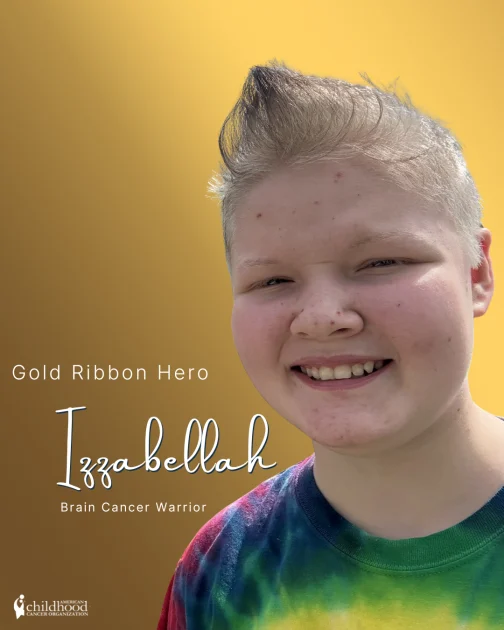
The diagnostic journey for pediatric brain cancer often begins not with a definitive event, but with a series of persistent, seemingly common symptoms that gradually escalate into a medical crisis. For Izzabellah “Bellah” and her family, this process was defined by four months of intensifying headaches, a period of uncertainty that eventually led to a life-altering diagnosis. Bellah’s experience, characterized by multiple surgeries, prolonged chemotherapy, and intensive radiation, serves as a poignant case study in the resilience of pediatric patients and the systemic challenges inherent in treating central nervous system (CNS) tumors in children. Her transition from a patient to an advocate and a healthcare worker underscores the long-term journey of survivorship and the critical importance of specialized pediatric care facilities like Riley Children’s Hospital.
The Diagnostic Path and Initial Clinical Intervention
The onset of Bellah’s symptoms followed a trajectory familiar to many families dealing with pediatric oncology. Persistent headaches in children can often be misattributed to stress, vision issues, or migraines; however, when these symptoms do not resolve, neuroimaging becomes a critical diagnostic tool. After four months of worsening pain, an Magnetic Resonance Imaging (MRI) scan was performed, providing the first objective evidence of a neurological abnormality.
Natalie, Bellah’s mother, recalls the immediate shift in atmosphere following the imaging results. The transition from a routine diagnostic test to an emergency medical intervention was swift. Within an hour of the MRI, the family was notified of the findings and directed to a regional hospital. Recognizing the complexity of the case, medical staff quickly facilitated a transfer to Riley Children’s Hospital, a facility renowned for its specialized pediatric neuro-oncology department. This rapid escalation is standard protocol when a brain tumor is suspected, as intracranial pressure and tumor progression can necessitate immediate surgical or medicinal stabilization.
Upon arrival at the specialized facility, Bellah underwent her first major surgical intervention. The primary goal of such surgeries is maximal safe resection—removing as much of the tumor as possible without damaging critical brain tissue. While the initial surgery successfully removed the primary mass, subsequent evaluations revealed additional areas of concern, necessitating a multi-modal treatment plan that would span more than a year.
A Comprehensive Treatment Chronology
The clinical management of pediatric brain cancer is rarely a singular event; it is a protracted process involving various therapeutic disciplines. Bellah’s treatment timeline illustrates the rigorous nature of modern oncology protocols:
- Initial Diagnosis and First Resection: Following the four-month symptomatic period, the first tumor was surgically removed shortly after admission to Riley Children’s Hospital.
- Detection of Secondary Sites: Post-operative monitoring and further imaging identified additional tumor activity, shifting the treatment goal from local control to systemic management.
- Extended Oral Chemotherapy: Bellah underwent 13 months of oral chemotherapy. Unlike intravenous chemotherapy, oral agents allow for a degree of home-based care but require strict adherence and constant monitoring for hematological toxicity and other side effects.
- Second Neurosurgical Intervention: Despite the chemotherapy regimen, the clinical situation required a second brain surgery to address recurring or residual tumor growth.
- Intensive Radiation Therapy: Following the second surgery, Bellah completed an eight-week course of radiation therapy. This treatment uses high-energy beams to target remaining cancer cells but carries significant risks of long-term cognitive and physical side effects in developing brains.
- Consolidation Chemotherapy: To ensure the most robust defense against recurrence, Bellah returned to a chemotherapy protocol following the completion of her radiation treatments.
Throughout this period, Bellah was managed by a multidisciplinary team. In addition to oncologists and neurosurgeons, her care required the involvement of endocrinologists, neurologists, and rehabilitation specialists to address the secondary effects of both the cancer and its aggressive treatments.
Supporting Data: The Landscape of Pediatric Brain Cancer
Bellah’s struggle reflects broader trends in pediatric health. According to data from the American Cancer Society and the National Cancer Institute (NCI), brain and other central nervous system tumors are the second most common cancers in children, following leukemia. Crucially, they are the leading cause of cancer-related death among children and adolescents under the age of 19.
The complexity of these cases is driven by the diversity of tumor types. While some pediatric brain tumors are low-grade and highly treatable, others are aggressive and resistant to standard therapies. Furthermore, the "blood-brain barrier" presents a significant pharmacological challenge, as it often prevents systemic chemotherapy from effectively reaching the tumor site, which is why surgical intervention and localized radiation remain cornerstones of treatment.
Survival rates for pediatric brain cancer have improved significantly over the last several decades due to advancements in neuro-imaging, surgical techniques, and targeted therapies. However, the "cure" often comes at a high cost. Statistics indicate that a significant majority of childhood cancer survivors will develop at least one chronic health condition as a result of their treatment by the time they reach age 45. These "late effects" can include cognitive impairments, hormonal imbalances, and increased risks of secondary malignancies.
Psychosocial Impact and the Challenges of Adolescence
Beyond the physiological toll, the impact of a cancer diagnosis on a young person’s social and emotional development is profound. Bellah’s journey highlights a frequently overlooked aspect of pediatric oncology: the loss of social connectivity. During the most intensive phases of her treatment, Bellah faced the dual burden of physical illness and social isolation.
In professional literature, this is often referred to as "social toxicity." For adolescents, school is not merely an educational environment but the primary site of social development. Missing months of school and being unable to participate in extracurricular activities can lead to a sense of alienation. Bellah reported the difficulty of losing friends and missing out on the social milestones that define the teenage years.
In response to this isolation, Bellah utilized digital platforms to regain a sense of agency. By creating short videos and maintaining blogs, she was able to document her journey and connect with a broader community of "warriors" and supporters. This form of digital advocacy is increasingly recognized by child life specialists as a vital tool for maintaining mental health and fostering a sense of purpose during long-term hospitalization.
Institutional and Advocacy Responses
The role of specialized institutions and non-profit organizations is critical in supporting patients like Bellah. Organizations such as the American Childhood Cancer Organization (ACCO) emphasize that "kids can’t fight cancer alone." These groups provide essential resources, ranging from educational materials that help families navigate complex medical jargon to advocacy efforts aimed at increasing federal funding for pediatric cancer research.
Currently, pediatric cancer research receives a disproportionately small percentage of federal funding compared to adult cancers. Advocates argue that because children’s bodies are still developing, they require unique treatment protocols and specifically formulated drugs, rather than "scaled-down" versions of adult treatments. Bellah’s case, involving multiple modalities of treatment over several years, highlights the necessity for continued investment in more effective and less toxic therapies.
While official statements from medical providers at Riley Children’s Hospital are bound by privacy regulations, the institution’s general philosophy emphasizes a family-centered approach. This involves not only treating the malignancy but also supporting the family unit through the financial and emotional strain of a multi-year medical battle.
Implications for Survivorship and Future Contributions
Bellah’s current status represents a successful, albeit ongoing, transition into survivorship. While she continues her education, she has also entered the workforce as an activity aide at a local nursing facility. This career choice is significant, as many pediatric cancer survivors find themselves drawn to caregiving professions, utilizing their firsthand experience with the healthcare system to provide empathy and support to others.
Her role at the nursing facility demonstrates a remarkable level of resilience. After years of being the recipient of care and interventions, Bellah has transitioned into a provider of support for the elderly. This shift underscores a key finding in survivor studies: the "post-traumatic growth" that can occur following a life-threatening illness. Many survivors report a clarified sense of purpose and an increased desire to contribute to their communities.
Conclusion: The Path Forward
The story of Izzabellah Bellah is more than a narrative of individual perseverance; it is a reflection of the current state of pediatric oncology. It highlights the necessity of early detection, the sophistication of modern multi-modal treatment, and the enduring need for psychosocial support systems. While medical science provided the tools to combat her tumors, it was Bellah’s own initiative—through her videos, blogs, and eventual entry into the healthcare workforce—that defined her recovery.
As the medical community continues to refine treatment protocols to reduce late effects and improve survival rates, the focus remains on ensuring that survivors like Bellah do not just survive, but thrive. The integration of medical excellence, community advocacy, and individual resilience remains the most effective strategy in the ongoing fight against pediatric brain cancer. Bellah’s journey serves as both a reminder of the hardships faced by thousands of families and a testament to the hope that remains possible through dedicated care and unwavering resolve.
