
 By Budi Oetomo Narendra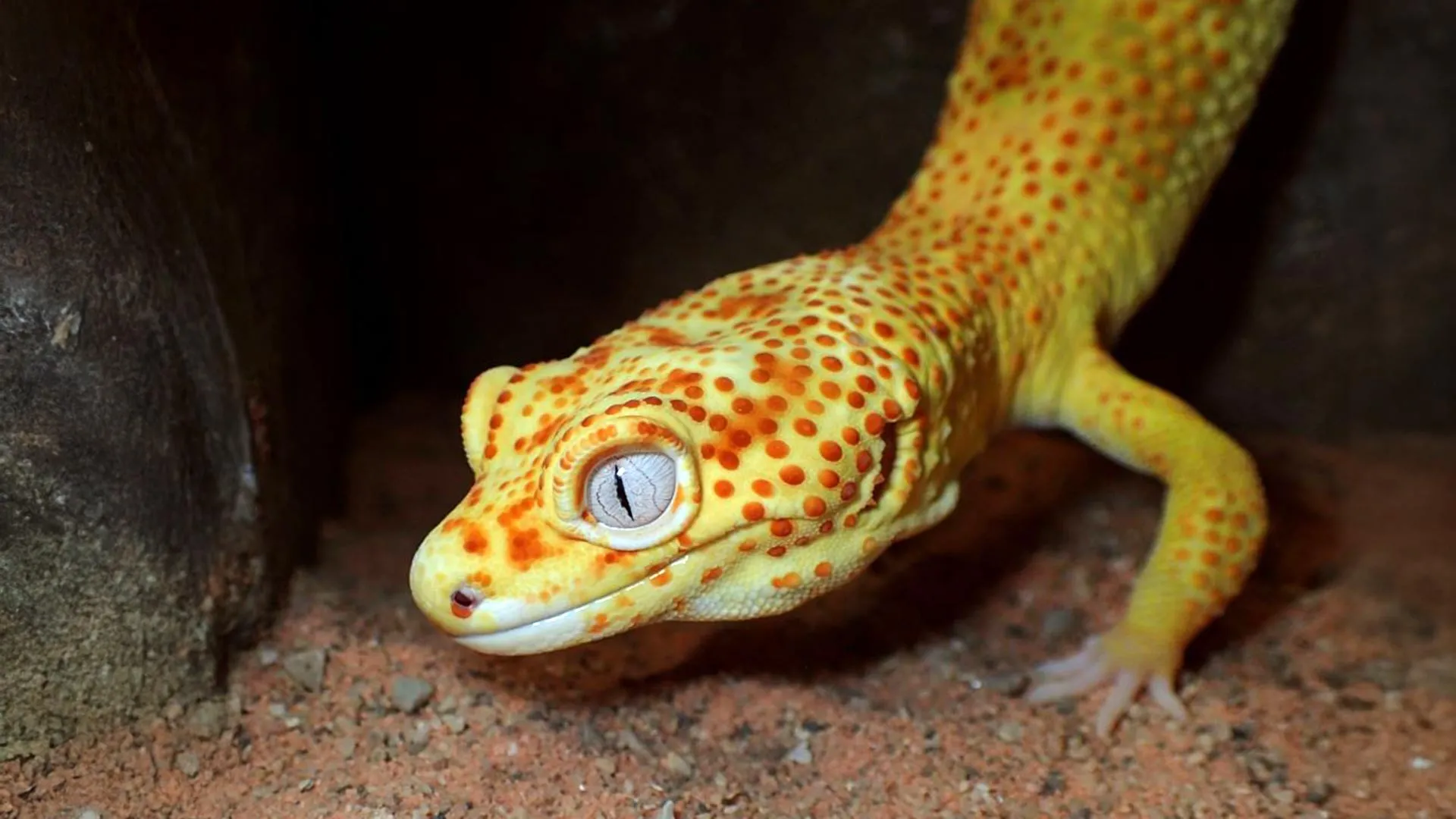
A vibrant pet gecko, known for its striking coloration and an unusual susceptibility to developing cancer, has been identified as a potentially groundbreaking tool for researchers investigating the complex mechanisms of tumor formation and metastasis. Scientists believe that the naturally occurring cancers in this particular reptile species could offer invaluable insights into the puzzling variations in cancer vulnerability and resistance observed across the animal kingdom. The study, spearheaded by the University of Nottingham and published in the peer-reviewed journal BMC Biology, meticulously detailed the genetic alterations linked to tumors in a unique variety of leopard gecko, revealing significant parallels with human cancers. This discovery opens new avenues for understanding the disease and potentially developing novel strategies for prevention, detection, and treatment in humans.
The research illuminates a critical area of comparative oncology, a field dedicated to studying cancer across different species to uncover universal truths about the disease. While cancer risk varies dramatically among reptiles – with species like turtles and tortoises exhibiting remarkable resistance – a specific morph of the leopard gecko (Eublepharis macularius), known in the pet trade as the "lemon frost," presents a stark contrast. Approximately 80% of individuals from this distinct genetic line develop aggressive tumors, which frequently metastasize, or spread, to other parts of the body. This high incidence and natural progression of the disease make the lemon frost gecko an unparalleled model for studying cancer’s intricate biology.
The Genesis of the "Lemon Frost" Morp and Its Cancer Predisposition
The story of the lemon frost gecko begins not in a laboratory, but within the vibrant world of reptile selective breeding. Leopard geckos, native to the arid regions of Afghanistan, Pakistan, Iran, and India, have long been popular pets due to their docile nature, manageable size, and the wide array of color patterns, or "morphs," that breeders have meticulously developed over decades. These morphs arise from spontaneous genetic mutations that are then selectively bred to amplify desired traits.
The "lemon frost" morph emerged from such a spontaneous genetic mutation within a large breeding colony of leopard geckos. Its distinctive appearance, characterized by a bright white and yellow coloration, quickly captured the attention of reptile enthusiasts and breeders. The visual appeal translated into high demand within the pet trade. However, as these geckos matured, breeders began to observe a troubling and consistent pattern: a high percentage of lemon frost individuals developed aggressive skin tumors, often appearing as raised, discolored lesions, that proved to be malignant and frequently spread internally. This unfortunate predisposition, discovered anecdotally by the breeding community, eventually drew the attention of the scientific community, prompting the detailed investigation by the University of Nottingham-led team.
Unpacking the Genetic Link: Shared Pathways with Human Cancers
The international research team, led by Dr. Ylenia Chiari from the School of Life Sciences at the University of Nottingham, embarked on a comprehensive study to unravel the biological underpinnings of this susceptibility. The team included PhD researcher Brandon Hastings (University of Nottingham), Dr. Scott Glaberman (University of Birmingham), Dr. Tony Gamble (Marquette University), Dr. Robert Ossiboff (University of Florida), and Virginia Gazziero and Dr. Giulio Caravagna (University of Trieste).
Their primary methodology involved whole-genome sequencing, a powerful technique that maps an organism’s entire genetic code. By comparing DNA sequences from tumor samples with healthy tissue taken from the same geckos, the researchers were able to pinpoint specific genetic changes consistently present in the cancerous cells. This comparative analysis revealed a recurring set of genetic alterations across the tumors, providing concrete evidence of the mutation’s role in oncogenesis.
Crucially, many of the genes and biological pathways identified as altered in the lemon frost gecko tumors are already well-known in the context of human cancers and cancers in other mammalian species. This striking conservation of cancer-related genes across disparate species underscores the fundamental, shared mechanisms that drive tumor development. For instance, common oncogenes (genes that promote cell growth) and tumor suppressor genes (genes that regulate cell division and prevent tumor formation) often play analogous roles across the tree of life. The similarities observed in the gecko’s genetic profile suggest that insights gained from studying these reptiles could have direct relevance to human oncology, extending far beyond the realm of reptile biology.
The Advantage of Natural Cancer Models: A Comparative Perspective
The significance of the lemon frost gecko as a research model cannot be overstated, particularly when contrasted with traditional laboratory models. For decades, genetically modified mice have been the workhorse of cancer research. While invaluable, these models often require researchers to artificially induce tumor growth, which may not perfectly mimic the complex, natural progression of cancer in humans. Furthermore, many mouse models are designed to study specific cancer types or genetic mutations, sometimes limiting the scope of observations regarding overall disease evolution.
In contrast, lemon frost geckos develop cancer naturally and at a relatively young age, typically within their first few years of life. This spontaneous onset provides scientists with a unique opportunity to observe the entire lifecycle of the disease, from its initial cellular changes to its aggressive metastatic spread, under conditions that more closely mirror natural biological processes. The fact that these tumors frequently metastasize is particularly critical, as metastasis remains the primary cause of cancer-related mortality in humans and is one of the most challenging aspects of the disease to study and treat. Understanding how cancer cells acquire the ability to migrate and establish secondary tumors in different organs is a major focus of ongoing research.
Dr. Chiari emphasized the broader implications of this research: "By studying why some animals are so susceptible to cancer while others are remarkably resistant, we hope to uncover the different ways species have evolved to deal with cancer. Specifically, this gecko could become an incredible model in cancer research because tumors appear naturally at a relatively early age. Together, these natural strategies could inspire new ways of preventing, detecting, and treating cancer in humans." This statement highlights the potential for uncovering evolutionary adaptations that either confer resistance or vulnerability to cancer, thereby offering new therapeutic targets.
Timeline and Historical Context of Comparative Oncology
The exploration of animal models for cancer research has a rich history, evolving significantly over the past century. Early observations of naturally occurring cancers in domestic animals like dogs and cats provided initial clues about the disease’s prevalence beyond humans. The mid-20th century saw the rise of genetically engineered mouse models, revolutionizing the study of specific oncogenes and tumor suppressor pathways. However, a growing recognition of the limitations of these models, particularly their ability to fully replicate the human disease, has spurred a renewed interest in comparative oncology.
The "lemon frost" gecko study aligns with this contemporary trend, building on a foundation of discoveries from other unique animal models. For example, naked mole-rats have garnered significant attention for their extraordinary resistance to cancer, attributed to unique cellular mechanisms. Dogs, with their diverse genetic backgrounds and natural exposure to environmental carcinogens, serve as excellent models for studying spontaneously arising cancers, particularly those with strong parallels to human sarcomas and lymphomas. The current gecko study, published in BMC Biology, marks a significant milestone in this timeline, offering a non-mammalian vertebrate model with a strikingly high incidence of naturally occurring, metastatic cancer directly linked to a specific genetic mutation. This provides a clear, controllable genetic basis for the disease, a feature often challenging to isolate in other spontaneous animal cancer models.
Broader Implications: Biodiversity, Drug Discovery, and Veterinary Medicine
The findings from the lemon frost gecko study underscore the immense value of biodiversity in medical research. Brandon Hastings, one of the study’s authors, articulated this sentiment: "Overall, our paper demonstrates the importance of looking across the tree of life in search of answers that are needed to better understand diseases that can have a profound impact on human life, such as cancer. Methodologically, it also highlights that the variety of genomic software programs developed to analyze human cancers can be adapted to provide meaningful insights in diverse organisms." This highlights not only the biological lessons but also the methodological advancements that can arise from interspecies research.
Dr. Scott Glaberman of the University of Birmingham further elaborated on this point, stating, "We often look inward to solve human problems, but every species has something to teach us. By studying both animals that are vulnerable to cancer and those that resist it, we have far greater power to understand the disease itself. This is one of the many reasons why protecting biodiversity is so important." This perspective aligns with Peto’s Paradox, an observation that large, long-lived animals do not necessarily have higher cancer rates than smaller, short-lived ones, suggesting that larger species have evolved superior cancer suppression mechanisms. Studying species like the lemon frost gecko (vulnerable) alongside turtles (resistant) could help unravel these evolutionary adaptations.
Potential Impact on Human Cancer Research:
- Drug Discovery and Therapy Development: Identifying shared genetic pathways means that therapies effective in geckos might offer insights into potential treatments for humans. The gecko model could be used for preclinical testing of novel anti-cancer drugs, particularly those targeting specific genetic mutations or pathways.
- Understanding Metastasis: The natural metastatic behavior of tumors in lemon frost geckos provides an unprecedented opportunity to study the complex cascade of events involved in cancer spread, a process that remains poorly understood and a major hurdle in treating advanced human cancers.
- Biomarker Identification: Researchers could identify biomarkers in geckos that signal early tumor development or progression, potentially leading to the discovery of analogous biomarkers for early cancer detection in humans.
- Evolutionary Medicine: The study contributes to a deeper understanding of the evolutionary biology of cancer, shedding light on why some species are highly susceptible while others have evolved robust resistance mechanisms. This comparative approach can reveal fundamental principles of cancer biology that transcend species boundaries.
Implications for Veterinary Medicine and Ethical Breeding:
- Improved Reptile Health: The findings will directly benefit veterinary care for pet reptiles, particularly leopard geckos. A better understanding of the genetic basis of cancer in lemon frost geckos could lead to improved diagnostic tools, targeted treatments, and preventive strategies for these popular pets.
- Ethical Breeding Practices: The study raises important ethical considerations for selective breeding in the pet trade. While desirable aesthetic traits are often prioritized, this research underscores the potential for unintended negative consequences, such as increased disease susceptibility. It advocates for more informed and responsible breeding practices that prioritize animal welfare.
- Conservation: Beyond individual pet health, the broader message about the value of biodiversity resonates with conservation efforts. Protecting diverse ecosystems and species ensures that nature’s "solutions" to complex biological problems, including diseases like cancer, remain available for scientific inquiry.
Expert Commentary and Future Directions
While the original article provides direct quotes from the lead researchers, the broader scientific community is expected to view this discovery with considerable interest. Veterinary oncologists might express enthusiasm for a new animal model that mirrors human cancer so closely, potentially offering new insights into comparative oncology that could benefit both human and animal patients. Geneticists will likely highlight the power of whole-genome sequencing in uncovering the precise genetic underpinnings of disease, even in non-traditional model organisms. The interdisciplinary nature of the research, combining expertise in genetics, veterinary pathology, and evolutionary biology, exemplifies the collaborative approach increasingly necessary to tackle complex biomedical challenges.
Moving forward, researchers aim to further characterize the specific genetic mutations and pathways involved in the gecko’s cancers, potentially identifying novel therapeutic targets. Longitudinal studies could track individual geckos over time to observe the precise progression of the disease and evaluate the efficacy of experimental treatments. The lemon frost gecko stands as a compelling testament to the idea that answers to some of humanity’s most pressing medical questions may lie in the most unexpected corners of the natural world, reinforcing the critical importance of biological exploration and conservation.
