
 By Suherman Candra Maholtra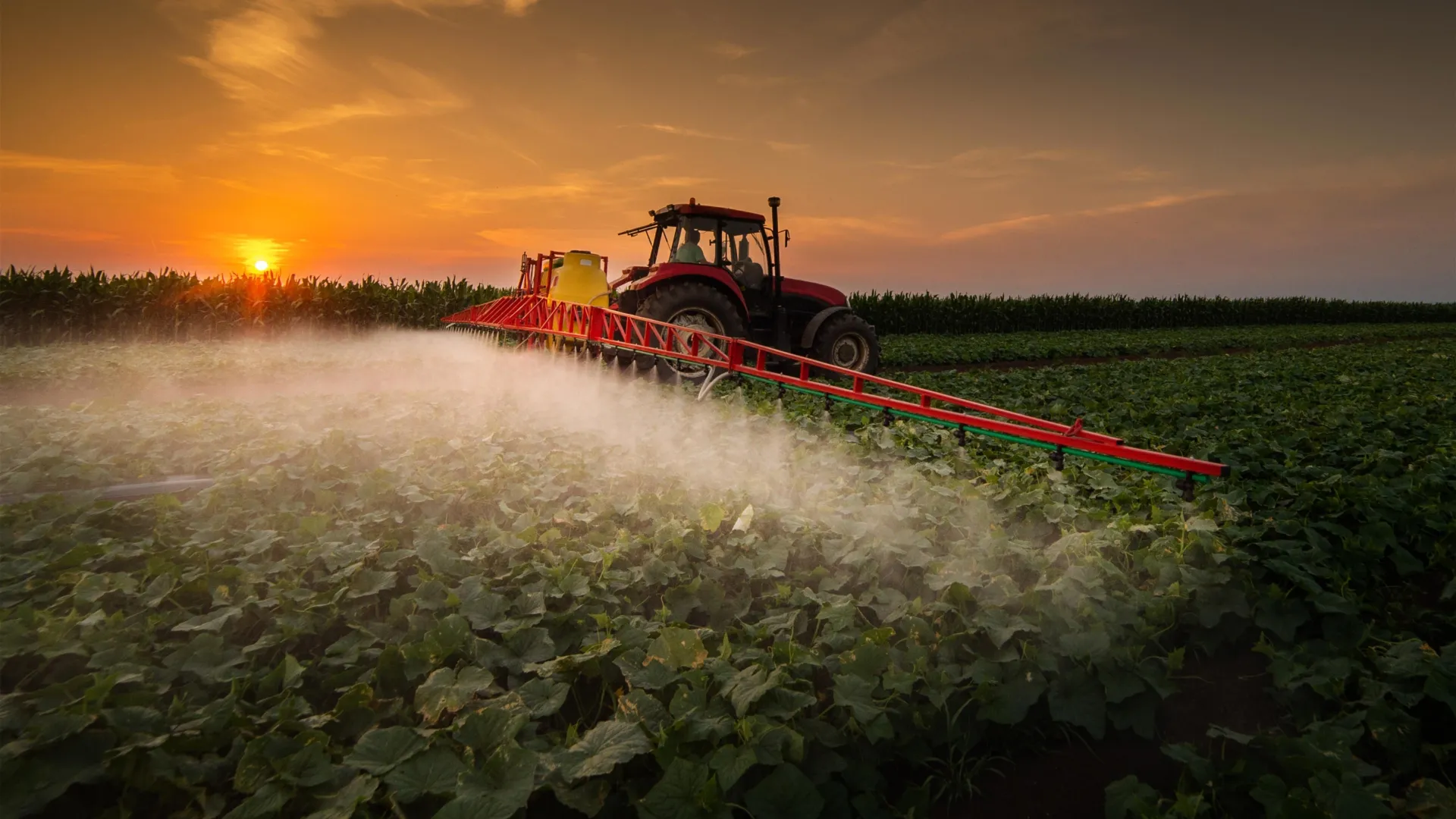
A comprehensive analysis led by researchers at the Penn State Cancer Institute has identified a startling correlation between agricultural environments and the incidence of melanoma, the most lethal form of skin cancer. According to the study, which reviewed cancer registry data from 2017 through 2021, adults over the age of 50 residing in a specific 15-county region of South Central Pennsylvania are 57% more likely to be diagnosed with melanoma than those living in other parts of the state. The findings, published on Nov. 14 in the journal JCO Clinical Cancer Informatics, suggest that the risk factors for skin cancer may extend well beyond traditional concerns regarding sun exposure and ultraviolet (UV) radiation.
The research team, spearheaded by experts in dermatology and public health, discovered that the elevated risk persists even when adjusting for varying levels of UV radiation and socioeconomic factors. This indicates that environmental factors unique to agricultural regions—specifically the prevalence of cultivated cropland and the intensive use of herbicides—may play a significant role in the development of the disease. The study highlights a growing concern that melanoma is not merely a consequence of recreational sunbathing or occupational outdoor labor, but may be linked to broader community-wide environmental exposures.
Chronology and Methodology of the Penn State Study
The investigation began as an effort to understand why certain geographic clusters in Pennsylvania exhibited higher-than-average rates of skin cancer. Researchers utilized the Pennsylvania Cancer Registry, a robust database that tracks cancer diagnoses across the Commonwealth. By focusing on the five-year period between 2017 and 2021, the team was able to capture a contemporary snapshot of cancer trends in the state.
The analysis specifically targeted adults aged 50 and older, a demographic typically at higher risk for melanoma due to cumulative lifetime exposure to carcinogens. The researchers mapped these diagnoses against land-use data provided by agricultural census reports, focusing on the density of "cultivated cropland"—land used primarily for the production of crops such as corn, soybeans, and wheat.
To ensure the integrity of the findings, the team employed sophisticated statistical models to control for confounding variables. These included regional differences in UV index levels, as well as socioeconomic indicators like income and education, which often influence health outcomes and access to preventative screenings. Despite these adjustments, the link between agricultural land and melanoma remained statistically significant, prompting a deeper look into the chemical components of modern farming.
Statistical Correlation: Cropland and Chemical Use
The core of the study’s findings lies in the direct mathematical relationship between land use and cancer incidence. The researchers identified two primary drivers: the total acreage of cultivated land and the frequency of herbicide application.
According to the data, a 10% increase in the amount of cultivated land within a county was associated with a 14% rise in melanoma cases. Furthermore, the use of herbicides showed a nearly identical pattern of risk. A 9% increase in land treated with herbicides corresponded to a 13% increase in melanoma incidence. These figures suggest that the more a community is surrounded by industrial-scale farming, the higher the collective risk of developing skin cancer.
Charlene Lam, an associate professor of dermatology at Penn State Health and a co-author of the study, emphasized that these elevated cases were not restricted to rural, isolated farming communities. The 15-county area of South Central Pennsylvania includes a mix of rural landscapes and rapidly growing urban centers. This geographic diversity suggests that the risk factors are mobile, potentially affecting suburban residents and city dwellers who live in proximity to agricultural operations.
The Biological Mechanism: How Herbicides May Trigger Melanoma
While the study establishes a strong association rather than a direct cause-and-effect link, the researchers pointed to several biological mechanisms that could explain why herbicides might contribute to melanoma. Eugene Lengerich, emeritus professor of public health sciences at Penn State and the study’s senior author, noted that pesticides and herbicides are inherently designed to disrupt biological systems.
"Some of those same mechanisms, like increasing photosensitivity or causing oxidative stress, could theoretically contribute to melanoma development," Lengerich stated. Photosensitivity is a condition in which the skin becomes abnormally sensitive to UV light, making it more susceptible to damage from even moderate sun exposure. If certain herbicides increase the skin’s sensitivity to sunlight, they could effectively "prime" the body for the carcinogenic effects of UV radiation.
Furthermore, the study cited existing literature suggesting that these chemicals can interfere with the body’s immune response and cause direct damage to DNA. In animal and plant studies, exposure to various agricultural chemicals has been shown to inhibit DNA repair mechanisms, a critical defense against the mutations that lead to cancer. When the body cannot repair the damage caused by the sun or environmental toxins, the likelihood of malignant cell growth increases.
Community-Wide Exposure and the Phenomenon of Chemical Drift
One of the most significant implications of the Penn State research is the realization that environmental exposure is not limited to those who work directly with agricultural chemicals. For decades, melanoma prevention has focused on occupational hazards for farmers or recreational hazards for beachgoers. However, this study suggests a "bystander" effect, where entire communities are exposed through indirect pathways.
The researchers identified "chemical drift" as a primary concern. When herbicides are sprayed onto crops, fine droplets can be carried by air currents into neighboring residential areas. Additionally, these substances can settle into household dust or be washed into local water sources through soil runoff. This means that individuals who have never set foot in a cornfield or handled a sprayer could still be ingesting or absorbing low levels of these chemicals over many years.
"Our findings suggest that melanoma risk could extend beyond occupational settings to entire communities," Lam explained. "This is relevant for people living near farmland. You don’t have to be a farmer to face environmental exposure." This shift in perspective necessitates a broader approach to public health, focusing on environmental protection as a form of cancer prevention.
Comparative Trends and Global Context
Pennsylvania is not unique in observing this trend. The Penn State study noted that similar associations between agricultural practices and skin cancer have been identified in other regions across the globe. Farming-heavy areas in Utah, as well as agricultural districts in Poland and Italy, have reported comparable spikes in melanoma rates.
These international parallels suggest a systemic issue within modern industrial agriculture. As farming practices have become more reliant on chemical interventions to maximize yield and control weeds, the unintended consequences for human health have become more apparent. The consistency of these findings across different climates and populations adds weight to the theory that agricultural chemicals are a significant, if under-recognized, environmental carcinogen.
Professional Reactions and the "Signal vs. Verdict" Cautionary Note
The lead author of the paper, Benjamin Marks—a medical and public health student at the Penn State College of Medicine—was careful to frame the study as a critical starting point for future investigation rather than a definitive condemnation of specific chemicals. He cautioned that while the patterns are clear, many other variables could be influencing the data.
"Think of this as a signal, not a verdict," Marks said. He noted that factors such as genetics, personal behavior (such as outdoor hobbies), and local access to healthcare facilities could all contribute to the higher rates observed in South Central Pennsylvania. However, he maintained that the "signal" is strong enough to warrant immediate attention from both the medical community and policymakers.
Other experts in the field have reacted to the study by calling for more granular research. Future studies are expected to move beyond county-level data to individual-level exposure assessments. This would involve testing air, water, and soil quality in specific neighborhoods and correlating those results with the health records of long-term residents.
Implications for Public Health and the "One Health" Approach
The discovery of the link between herbicides and melanoma has profound implications for how public health is managed in agricultural states like Pennsylvania. Eugene Lengerich advocated for a "One Health" approach, a framework that recognizes the inextricable link between the health of people, animals, and their shared environment.
"Cancer prevention can’t happen in isolation," Lengerich remarked. "If herbicides and farming practices are contributing to melanoma risk, then solutions must involve not just doctors, but farmers, environmental scientists, policymakers, and communities working together."
This approach suggests that reducing cancer rates may require changes in agricultural policy, such as stricter regulations on chemical drift, the promotion of integrated pest management strategies that reduce chemical reliance, and improved water filtration systems in rural areas.
In the immediate term, Charlene Lam and her colleagues are encouraging residents in high-risk counties to be vigilant. While environmental factors may be at play, traditional prevention methods—such as using sun-protective clothing, applying high-SPF sunscreen, and conducting routine skin checks—remain the first line of defense. Early detection of melanoma is crucial, as the disease is highly treatable in its initial stages but becomes rapidly fatal once it metastasizes.
As part of the next phase of their research, the Penn State team is launching field studies in rural Pennsylvania communities. These studies will aim to gather more detailed information on specific farming practices and identify the most common exposure pathways for local residents. By understanding how these chemicals move through the environment and into the human body, researchers hope to develop more targeted interventions to protect the health of all Pennsylvanians.
