
 By Gabriel Paijo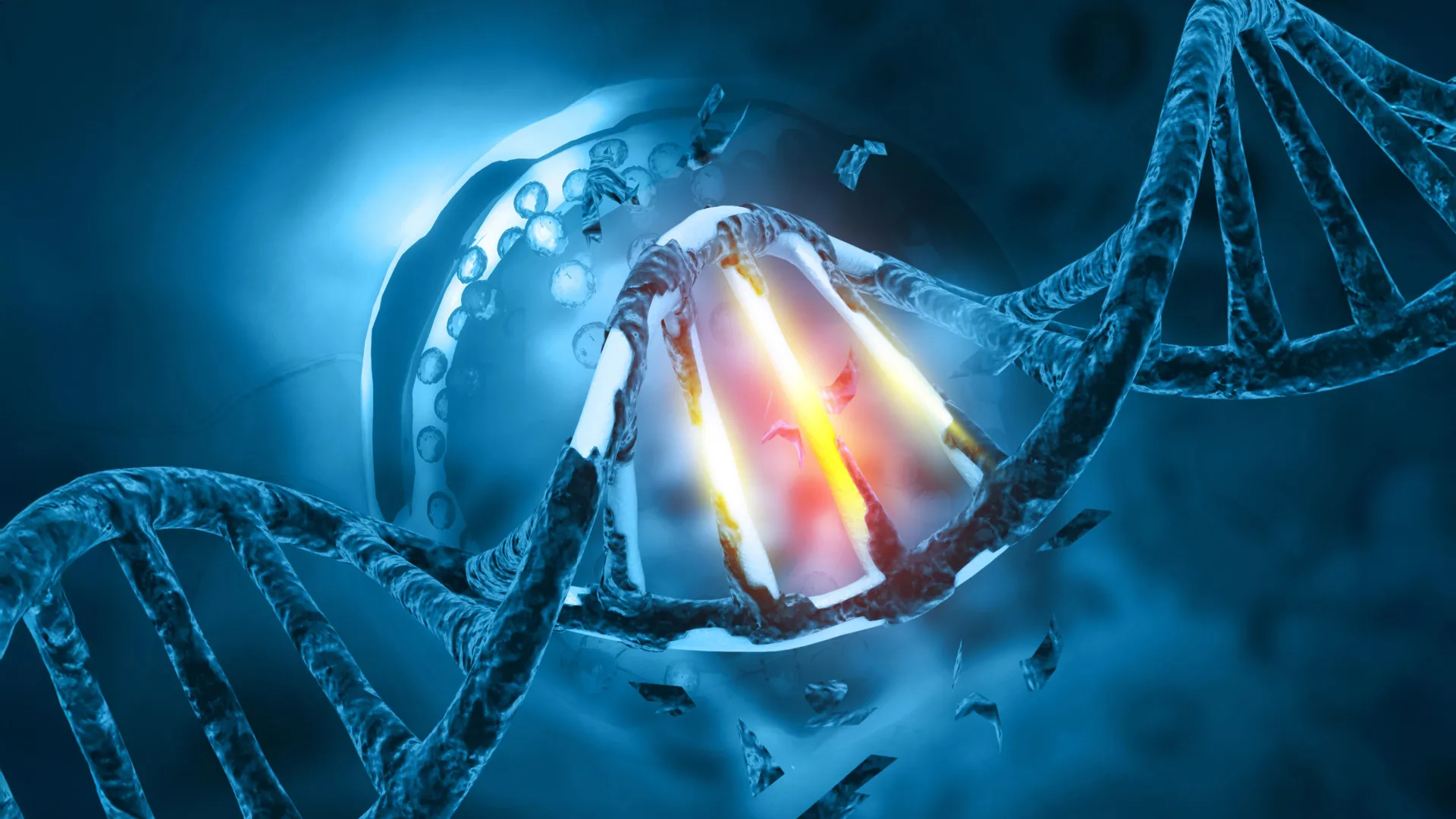
The traditional understanding of oncology often characterizes tumor suppressor genes as the stalwart guardians of the genome, producing essential proteins that monitor, repair, and maintain the integrity of human DNA. Under normal physiological conditions, these genes act as a biological fail-safe, preventing the accumulation of the genetic mutations that drive malignant transformation. However, groundbreaking research from the Penn State College of Medicine has unveiled a paradoxical reality: an overabundance of one such DNA repair protein, EXO1, can actually compromise genomic stability and facilitate the progression of various cancers.
The study, recently published in the prestigious journal Nature Communications, reveals that when the EXO1 gene is overexpressed, its protein product ceases to function as a restorative agent and instead begins to systematically dismantle DNA structures. This discovery provides a critical missing link in understanding why certain cancers behave as though they possess BRCA1 or BRCA2 mutations—the well-known genetic drivers of hereditary breast and ovarian cancer—even when those specific genes are perfectly intact. By identifying this "BRCA-like" behavior in tumors with high EXO1 levels, the research team has opened a significant new door for targeted therapies and personalized medicine.
The Paradox of DNA Repair: When Guardians Turn Destructive
In the complex machinery of the human cell, DNA is constantly under threat from both internal metabolic processes and external environmental factors. To counter this, the body utilizes a suite of repair enzymes. EXO1, or Exonuclease 1, is typically categorized as one of these essential tools. In its standard role, EXO1 acts as a pair of "molecular scissors," precisely trimming damaged sections of DNA so that other repair proteins can fill the gaps and restore the genetic code.
However, the Penn State research team, led by Dr. George-Lucian Moldovan, professor of molecular and precision medicine, found that this process is highly dependent on balance. When the cell produces an excessive amount of EXO1, the "scissors" become hyperactive. Instead of selectively pruning damage, they begin cutting into healthy, vital DNA structures. This leads to the destabilization of the genome, a hallmark of aggressive cancer development.
The study indicates that this overexpression is not a rare occurrence. Data suggests that EXO1 is overexpressed in approximately 20% to 30% of breast and ovarian cancers. Furthermore, the researchers identified similar patterns of overexpression in melanoma, testicular, cervical, and hepatobiliary cancers (including those of the liver, gallbladder, and bile ducts). This broad prevalence suggests that EXO1 could serve as a universal biomarker across a wide spectrum of malignancies.
Mimicking the BRCA Mutation Landscape
Perhaps the most significant finding of the study is the functional similarity between EXO1 overexpression and BRCA mutations. The BRCA1 and BRCA2 genes are responsible for repairing double-strand breaks in DNA. When these genes are mutated, the cell loses its ability to protect vulnerable DNA structures during the replication process. This "BRCA deficiency" makes the cell prone to mutations but also leaves it uniquely vulnerable to certain types of chemotherapy that target DNA repair pathways.
The Penn State team discovered that tumors with high EXO1 levels exhibit nearly identical behaviors to BRCA-mutant tumors. Mechanistically, the excess EXO1 overwhelms the cell’s natural protective barriers. Even if the BRCA genes are functioning normally, the sheer volume of EXO1 activity creates a level of DNA degradation that the BRCA proteins cannot counteract.
"Mechanistically, this overexpression does exactly what the loss of the BRCA pathway does in BRCA-mutant tumor cells," Dr. Moldovan explained. This phenomenon, often referred to in oncology as "BRCA-ness," describes a state where a tumor shares the molecular characteristics and therapeutic vulnerabilities of a BRCA-mutant cancer, despite lacking the actual inherited mutation.
Molecular Mechanisms of DNA Erosion
To understand how excess EXO1 damages the cell, the researchers conducted rigorous laboratory experiments using human cancer cell lines. They utilized advanced genetic engineering to artificially increase EXO1 production and compared the results against a control group where a "disabled" version of the protein was produced. This allowed the team to confirm that the damage was a direct result of the protein’s biochemical activity rather than its mere presence.
The study identified two primary pathways through which EXO1 erodes the genome:
- Expansion of Single-Stranded DNA Gaps: During DNA replication, small gaps occasionally form in the newly synthesized strands. Under normal conditions, these are quickly filled. However, excess EXO1 expands these gaps, making the DNA strand fragile and prone to breakage.
- Degradation of Reversed Replication Forks: When the DNA replication machinery encounters an obstacle, it can sometimes "reverse" its direction to stabilize the area—a structure known as a reversed replication fork. The research showed that excessive EXO1 attacks and degrades these forks, leading to a localized loss of genetic material.
Alexandra Nusawardhana, the study’s lead author and a recent doctoral graduate from Penn State, noted that both pathways culminate in the accumulation of "toxic lesions," such as double-strand breaks. While these lesions drive the initial development of the cancer, they also represent a "heel" in the tumor’s armor that clinicians can exploit during treatment.
Expanding the Reach of Targeted Therapies
The clinical implications of these findings are profound. Currently, a class of drugs known as PARP inhibitors (such as olaparib) is specifically approved for patients with BRCA mutations. These drugs work by inhibiting an alternative DNA repair pathway, essentially "trapping" the cancer cell in a state where it cannot repair its DNA, leading to programmed cell death—a concept known as synthetic lethality.
Because EXO1-overexpressing tumors mimic BRCA-mutant tumors, the Penn State researchers hypothesized that they might also be sensitive to PARP inhibitors. Their laboratory tests confirmed this: tumors with elevated EXO1 responded to olaparib with high sensitivity.
"The same drugs that are reserved for treating BRCA-mutant tumors and that have fewer side effects could potentially be used to treat EXO1 overexpressing tumors," Dr. Moldovan said. This discovery could vastly expand the patient population eligible for targeted therapies. Instead of being restricted to the small percentage of patients with hereditary BRCA mutations, PARP inhibitors could potentially benefit the 20-30% of patients whose tumors overexpress EXO1.
Furthermore, the study found that these tumors are also highly sensitive to cisplatin, a common but often toxic chemotherapy agent. The findings suggest that for patients with high EXO1 levels, clinicians might be able to use lower doses of cisplatin to achieve the same therapeutic effect, thereby reducing the grueling side effects associated with the drug.
The Path Toward Precision Oncology
The methodology of the study highlights the increasing importance of "big data" in modern medical research. The team began by mining data from The Cancer Genome Atlas (TCGA), a comprehensive national effort to map the genetic changes in various types of cancer. By correlating EXO1 levels with patient outcomes and tumor characteristics across thousands of samples, the researchers were able to identify the specific cancer types most affected by this phenomenon, including aggressive basal-like breast cancers.
This data-driven approach is a hallmark of precision medicine—the philosophy that cancer should be treated based on its specific molecular and genetic landscape rather than the organ in which it originated.
"We shouldn’t treat cancers based on what tissue they come from but based on the landscape of the genetic mutations present in the tumors," Dr. Moldovan asserted. "That would result in high-efficiency treatment. That’s the future of cancer treatment."
Chronology and Future Directions
The study represents the culmination of years of investigation into the proteins involved in DNA replication stress. Following the publication of their findings in Nature Communications, the Penn State team is now looking toward the next phase of research.
The timeline for integrating these findings into clinical practice involves several key steps:
- Validation of EXO1 as a Diagnostic Biomarker: Standardized tests must be developed to accurately measure EXO1 levels in patient biopsies within a clinical setting.
- Expanded Retrospective Studies: Researchers will likely look back at past clinical trials of PARP inhibitors to see if patients who responded well—despite not having BRCA mutations—had high levels of EXO1.
- Prospective Clinical Trials: The team plans to launch trials specifically enrolling patients with EXO1-overexpressing tumors to test the efficacy of targeted DNA-repair therapies.
The work was supported by the National Institutes of Health (NIH) and Four Diamonds, an organization dedicated to conquering childhood cancer. While the current study focused largely on adult cancers, the implications for pediatric oncology are also being considered, as genomic stability is a critical factor in many childhood malignancies.
Conclusion and Broader Impact
The discovery that EXO1 can act as a "double-edged sword" in the genome provides a nuanced understanding of cancer biology. It challenges the simplistic view of tumor suppressors and highlights the delicate balance required for cellular health. For the medical community, the identification of EXO1 as a driver of "BRCA-ness" offers a tangible strategy for improving survival rates and quality of life for a significant portion of cancer patients.
By shifting the focus from the presence of a mutation to the overexpression of a protein, this research expands the horizon of who can benefit from the latest advancements in oncology. As the field moves closer to a truly personalized approach, studies like those conducted at Penn State College of Medicine serve as the necessary foundation for the next generation of life-saving treatments.
