
 By Budi Oetomo Narendra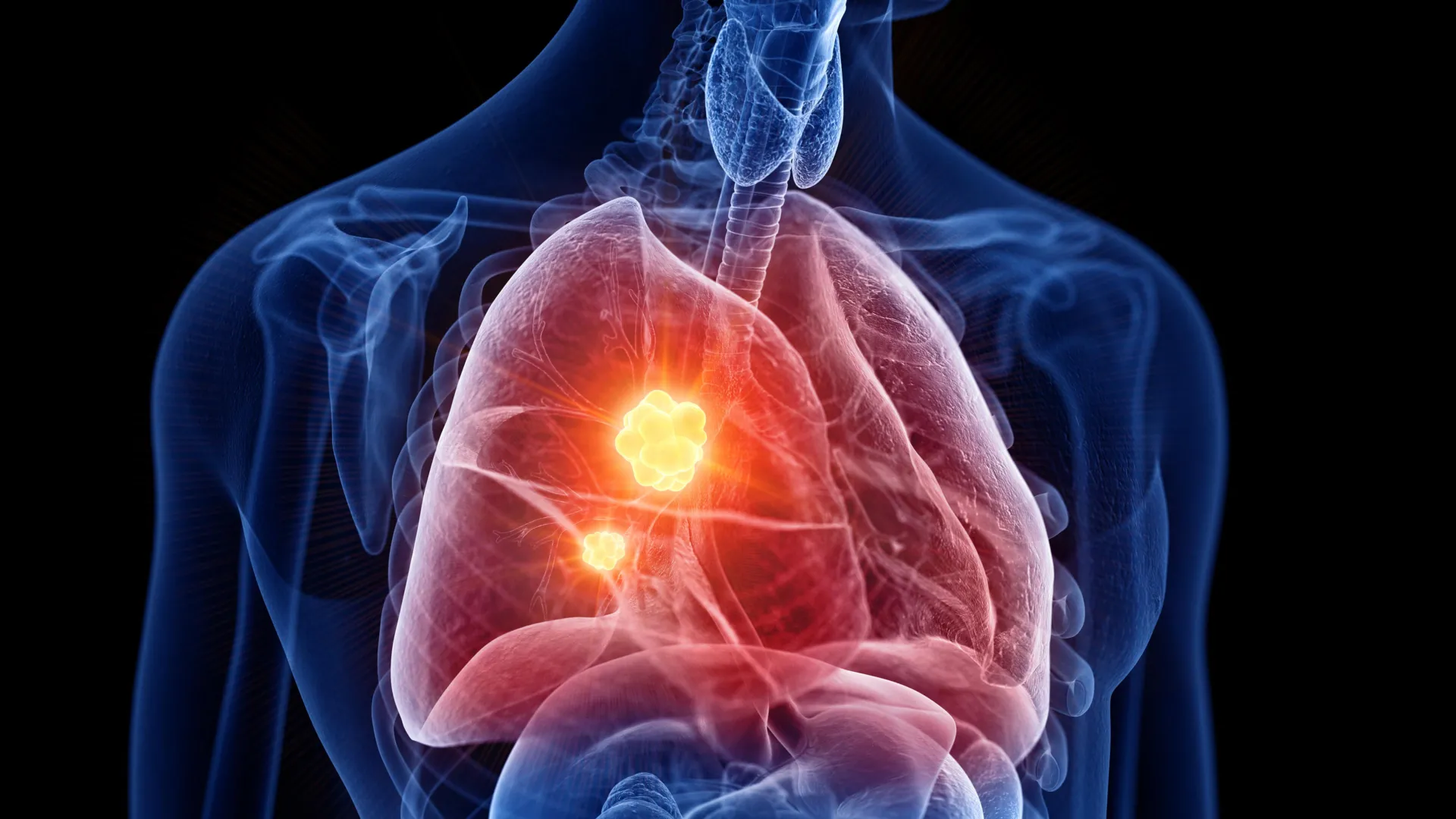
The grim reality of mesothelioma, a malignancy predominantly associated with occupational asbestos exposure, has long presented a significant challenge to the medical community. With an estimated 30,000 new diagnoses worldwide each year, patients face a daunting prognosis, often with a median survival of merely 12 months and a five-year survival rate hovering around 10 percent. Traditional treatment modalities, including chemotherapy and immunotherapy, offer limited efficacy, underscoring a profound unmet medical need for more effective therapies. However, recent groundbreaking research originating from the University of Vermont (UVM) and published in Nature Communications offers a beacon of hope, describing an innovative strategy that has shown promising results in early clinical trials. This approach, which strategically targets a crucial antioxidant defense system within cancer cells, represents a paradigm shift in the fight against mesothelioma and potentially other intractable cancers.
Understanding Mesothelioma: A Persistent Global Health Challenge
Mesothelioma primarily affects the pleura, the lining of the lungs, but can also occur in the peritoneum (lining of the abdomen), pericardium (lining of the heart), and tunica vaginalis (lining of the testicles). Its insidious nature stems from the long latency period, often 20 to 50 years, between initial asbestos exposure and the manifestation of the disease. This delayed onset means that many patients are diagnosed at an advanced stage, limiting treatment options.
Asbestos, a naturally occurring fibrous mineral once widely used in construction, shipbuilding, and manufacturing due to its heat resistance and insulating properties, is the primary causative agent. Despite widespread bans and restrictions on asbestos use in many developed nations since the 1970s and 80s, legacy exposure continues to drive new cases globally, particularly in regions where asbestos remains in use or where environmental remediation efforts are incomplete. Occupations historically at high risk include shipbuilders, insulation workers, miners, construction workers, and even family members exposed to asbestos fibers carried home on clothing. The global burden of asbestos-related diseases remains substantial, with organizations like the World Health Organization advocating for a complete ban on all types of asbestos to prevent future tragedies. The enduring challenge of mesothelioma underscores the urgent need for therapeutic innovation.
A Novel Strategy: Turning Cancer’s Defense into a Weakness
For decades, cancer research has explored various avenues to combat tumor growth. One such area involved the manipulation of reactive oxygen species (ROS)—unstable molecules that can damage cellular components. Cancer cells, characterized by their rapid proliferation and highly active metabolisms, inherently produce unusually high levels of ROS. This oxidative stress, while potentially damaging, is paradoxically managed by cancer cells through an increased production of antioxidant enzymes, which act as a protective shield.
Historically, scientists attempted to fight cancer by increasing antioxidant levels, hoping to reduce ROS and thereby inhibit tumor growth. However, many of these clinical trials yielded disappointing results, with some research even suggesting that boosting antioxidants could inadvertently aid tumor survival and growth by providing cancer cells with an enhanced defense mechanism.
The UVM research team, led by Professor Brian Cunniff and research scientist Victoria Gibson, pursued a revolutionary, counter-intuitive approach: instead of augmenting antioxidants, they sought to deprive cancer cells of one of their most critical antioxidant defenses. Their focus landed on peroxiredoxin 3 (PRX3), an enzyme operating within the mitochondria—the powerhouse of the cell. Mitochondria are not only responsible for generating most of a cell’s energy but are also a significant source of ROS. PRX3 plays a vital role in neutralizing hydrogen peroxide within mitochondria, protecting these essential organelles from oxidative damage.
The hypothesis was audacious: what if blocking PRX3 could overload cancer cells with their own damaging ROS, pushing them beyond their coping capacity and triggering cell death?
The Science Behind the Breakthrough: Targeting PRX3
Cancer cells are particularly vulnerable to this strategy for several reasons. Firstly, their already elevated metabolic activity leads to a higher baseline production of ROS compared to healthy cells. This means they are constantly operating closer to the brink of oxidative stress. Secondly, PRX3, the enzyme targeted by the new therapy, turns over more rapidly in tumor cells. This differential activity could allow for a more selective targeting of cancer cells, minimizing adverse effects on healthy tissues where PRX3 activity is more stable.
Laboratory experiments conducted by the UVM team provided robust evidence supporting the critical role of PRX3 in mesothelioma survival. When PRX3 was completely deleted from mesothelioma tumor cell lines, the researchers observed a significant decline in mitochondrial function, a sharp slowdown in cell growth, and, crucially, an inability of these modified cancer cells to form tumors in animal models. This demonstrated PRX3’s indispensable role in tumor propagation.
Furthermore, a significant concern in targeting mitochondria, given their essential functions across nearly all cell types, is the potential for widespread systemic toxicity. However, other research groups have shown that eliminating PRX3 in healthy mice does not produce adverse effects. As Victoria Gibson noted, "People will come up to us at conferences and state that you can’t target the mitochondria because they’re too important. The evidence—that you can knock out PRX3 in mice and there’s no adverse phenotype—supports our approach." This finding is pivotal, demonstrating that mice can develop and function normally even without the genes responsible for producing PRX3, thereby mitigating concerns about the safety of this mitochondrial-targeted strategy.
From UVM Laboratory to Human Patients: The Development of RSO-021
The scientific groundwork for this novel treatment began at UVM’s Cancer Center around 2015. Early experiments with thiostrepton, a naturally occurring antibiotic known for its ability to disable PRX3, yielded encouraging results. Recognizing the immense potential of these discoveries, the researchers helped establish RS Oncology, LLC, a private pharmaceutical company specifically created to translate the UVM findings into clinical therapies. Brian Cunniff, an associate professor in the Department of Pathology and Laboratory Medicine at UVM’s Larner College of Medicine, assumed the role of the company’s chief science officer, guiding the transition from basic science to drug development.
The team meticulously transformed thiostrepton into a clinical formulation known as RSO-021. This journey involved overcoming numerous challenges, including optimizing drug delivery and ensuring its stability and efficacy for human application.
Between 2022 and 2023, RSO-021 underwent a crucial Phase One clinical trial in the United Kingdom, conducted under the stringent oversight of the Medicines and Healthcare products Regulatory Agency (MHRA), the UK’s equivalent of the FDA. The trial focused on patients with relapsed mesothelioma, a population with limited remaining treatment options and a particularly dire prognosis.
A key aspect of RSO-021’s administration is its local delivery. The treatment is delivered directly into the chest cavity via a catheter—a device many mesothelioma patients already have in place to manage pleural effusions. Pleural effusions, a debilitating buildup of fluid between the lung and chest wall, affect approximately 90 percent of mesothelioma patients. This localized delivery mechanism offers several critical advantages: it allows for a high concentration of the drug directly at the tumor site, maximizing its therapeutic effect, while simultaneously minimizing systemic exposure and reducing the risk of widespread side effects that often plague traditional chemotherapy.
Encouraging Phase One Results: A Glimmer of Hope
The Phase One study successfully met its primary objectives of assessing safety and tolerability at a dose of 90 milligrams. Critically, no patient deaths were attributed to the drug, a significant milestone for any new experimental therapy, especially in a cohort of critically ill patients.
Beyond safety, researchers found compelling evidence that RSO-021 was hitting its intended biological target within patient tissues. This confirmed that the mechanism of PRX3 inhibition and subsequent oxidative stress, previously observed in laboratory cell cultures and animal models, was indeed occurring in human tumors.
While the average progression-free survival (PFS) of 4.2 months was comparable to existing treatments, the researchers were particularly encouraged by the overall survival (OS) data. Among the 15 patients in the cohort, overall survival was notably better than what is typically observed with currently available therapies for relapsed mesothelioma. Cunniff characterized this finding as a potential "game changer," stating, "Our overall survival data is very promising and will hopefully persist with additional patients."
Further analysis of the trial results suggested that RSO-021 might possess a dual mechanism of action. Beyond directly inducing cancer cell death (cytotoxic activity), the drug appears to also exert an immunomodulatory effect. It may alter the immune microenvironment around the tumor in a way that primes the patient’s own immune system to attack or restrain the cancer more effectively. As Cunniff explained, "Our drug has both cytotoxic activity, it can kill the tumor cells, but it also has immunomodulatory capacity where it can modulate the immune system to now manage the tumor." This potential for synergistic action—directly killing cancer cells while simultaneously enhancing immune response—could significantly amplify the therapeutic benefit.
The successful completion of Phase One has paved the way for further clinical investigation. Phase Two of the clinical trial has now concluded, and the researchers anticipate presenting these results at a global oncology meeting later this year, a moment eagerly awaited by the oncology community and patient advocacy groups alike.
Expanding the Strategy Beyond Mesothelioma: Future Directions and Broader Impact
The promising results from the RSO-021 program are propelling research in multiple directions. Collaborations between scientists from UVM, RS Oncology, the University of Leicester, and other UK institutions are focused on developing second-generation PRX3 inhibitors. These next-generation compounds aim for improved solubility, which could enable more convenient administration, potentially even as an oral tablet. An oral formulation would significantly enhance patient convenience, simplify treatment protocols, and broaden the drug’s applicability beyond localized delivery for mesothelioma, making it accessible for a wider range of cancers.
At UVM, Victoria Gibson, the lead author of the recent study, continues her pivotal work as a postdoctoral researcher. She is now spearheading investigations into the potential utility of thiostrepton in treating other peritoneal malignancies, including various forms of mesothelioma, gastric cancer, and other gastrointestinal cancers. This collaborative effort with Conor O’Neill, a surgical oncologist at the UVM Cancer Center and UVM Health, underscores the belief that the underlying mechanism—targeting PRX3 and leveraging oxidative stress—could be broadly applicable to other tumor types that exhibit similar metabolic vulnerabilities. "We believe this mechanism could be applicable to other cancers," Cunniff affirmed.
For researchers like Gibson, witnessing the progression of their work from initial laboratory experiments to tangible impact on human patients has added a deeply personal dimension to the scientific endeavor. "I’ve always just had a desire to help people because I feel like everyone has experienced cancer in their life, whether it’s them, friends, or family members," she shared. The profound realization of their work’s real-world significance hit home when a family member contacted the laboratory, hoping to enroll their dying father in the clinical trial. "We just work in a lab all day working with cells," Gibson recalled, "and the fact that we’re making an impact on people, that they’re wanting to be on this clinical trial, just was amazing to me."
This personal connection underscores the universal hope that such breakthroughs represent. The innovative approach of turning cancer’s protective system into its ultimate weakness, demonstrated by RSO-021, marks a significant step forward. It not only offers a new therapeutic avenue for mesothelioma patients, who have long faced a desperate struggle, but also opens promising new frontiers for cancer treatment research, potentially transforming the landscape of oncology for a broader spectrum of malignancies. The scientific community and patient populations worldwide eagerly await the forthcoming Phase Two results, which could solidify RSO-021’s position as a transformative agent in cancer therapy.
