
 By admin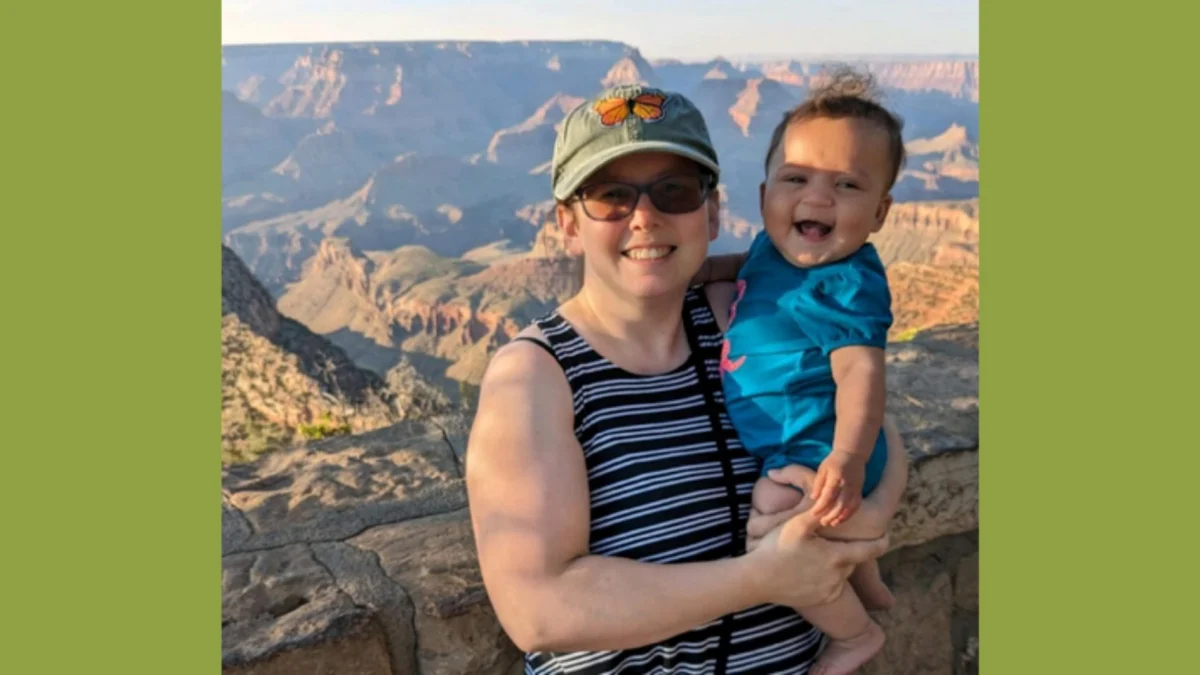
The trajectory of a young athlete’s life can change in an instant, shifting from the competitive energy of a volleyball court to the sterile, high-stakes environment of an oncology ward. For Liz Kaiser, that shift occurred when she was 13 years old and in the eighth grade. What was initially dismissed as a common sports injury—a persistent pain in her right leg—eventually revealed itself to be a life-threatening malignancy. Nearly two decades later, Kaiser’s journey from a frightened teenager to a professional radiologic technologist and a mother serves as both a testament to human resilience and a stark reminder of the stagnant nature of pediatric cancer treatments. Her story highlights the critical need for increased research funding and the development of modern therapeutic protocols for rare childhood cancers.
The Path to Diagnosis: From Sports Injury to Oncology
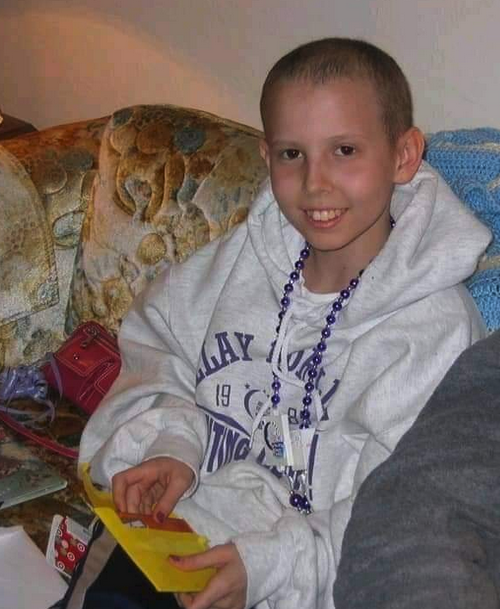
In the autumn of her eighth-grade year, Liz Kaiser was a typical active teenager. When she began experiencing pain in her right leg, she and her family followed the standard protocol for athletic strain: rest, ice, compression, and elevation. However, the pain proved resistant to conventional first aid. When the volleyball season ended and the discomfort persisted, her parents sought a secondary evaluation from her pediatrician. This clinical intuition proved life-saving, as the physician ordered a Magnetic Resonance Imaging (MRI) scan to investigate the underlying cause of the localized pain.
The MRI revealed a significant mass situated just below the right knee, a common site for primary bone malignancies in adolescents. The day after Thanksgiving—a period usually reserved for family and gratitude—Liz underwent a biopsy to determine the nature of the growth. The results confirmed the family’s greatest fear: osteosarcoma.
Osteosarcoma is the most common type of bone cancer in children and young adults, typically manifesting in the metaphysis of long bones, such as the distal femur or proximal tibia, during periods of rapid growth. For Liz and her father, Greg, the diagnosis was a traumatic pivot point. Liz recalls waking from the biopsy to a room filled with tears, describing the realization as "everyone’s worst nightmare." For Greg, the terminology itself was paralyzing. The word "cancer" was introduced into their vocabulary before the specific subtype was even fully categorized, marking the beginning of a grueling medical marathon.
A Rigorous Treatment Protocol and Reconstructive Surgery
Liz’s treatment commenced in December of that year, involving an aggressive regimen of chemotherapy designed to shrink the tumor and eliminate potential micrometastases. Osteosarcoma treatment protocols are notoriously demanding, often requiring high-dose methotrexate, doxorubicin, and cisplatin. After several rounds of systemic treatment, Liz underwent an intensive eight-hour reconstructive surgery on her knee. This procedure was necessary to remove the cancerous bone while attempting to preserve the limb’s functionality—a complex task in a growing adolescent.
Following a brief recovery period from the surgery, Liz returned to the hospital for maintenance chemotherapy. This phase of treatment lasted nearly a year, concluding just as the seasons shifted toward autumn once again. On the day before Halloween, Liz completed her final round of chemotherapy.
The transition from patient back to peer was marked by a poignant moment of normalcy. On Halloween night, Liz joined her younger siblings for trick-or-treating. Though she was still dependent on crutches and required a wagon for transport due to her physical exhaustion and surgical recovery, she participated in the holiday festivities dressed as the Sesame Street character Zoey, while her younger brother dressed as Elmo. It was a milestone that signaled the end of active treatment, though the road to true recovery remained fraught with complications.
The Long-term Impact of Survivorship and "Late Effects"
The conclusion of chemotherapy does not equate to the end of the medical journey for childhood cancer survivors. Months after her final treatment, the long-term toxicity of the drugs took a physical toll. Liz suffered a fall that resulted in both of her legs breaking—a direct consequence of the weakened bone density and structural fragility caused by intensive chemotherapy. This setback necessitated further surgeries and an extended period of rehabilitation.
The return to a traditional school environment also presented unique challenges. Navigating high school in a wheelchair required significant adjustments, both physical and social. Liz recalls with a sense of humor how her peers would vie for the opportunity to push her wheelchair, often as a means to exit class early. Beneath the humor, however, was the reality of a young woman navigating a world not designed for her temporary disability.
Now, nearly twenty years after her initial diagnosis, Liz continues to manage the "late effects" of her life-saving treatment. Pediatric cancer survivors often face a lifetime of chronic health issues resulting from the very treatments that cured them. For Liz, this includes significant hearing loss—a known side effect of cisplatin—and limited range of motion in her right knee. Medical professionals have indicated that she will eventually require a full knee replacement. These lingering physical burdens underscore the "cost of cure" that many survivors must pay.
The Stagnation of Pediatric Cancer Research
The treatment Liz received two decades ago was, even at that time, based on protocols developed thirty years prior. This lack of innovation in pediatric oncology is a central concern for advocates like Liz’s father, Greg. While adult cancer research has seen a surge in targeted therapies, immunotherapies, and precision medicine, rare pediatric cancers like osteosarcoma often lag behind.
The economic landscape of the pharmaceutical industry contributes to this disparity. Because pediatric cancers are relatively rare compared to adult malignancies like lung or breast cancer, there is often less financial incentive for drug companies to invest the hundreds of millions of dollars required to develop and trial new pediatric-specific drugs. Consequently, many children are treated with "off-label" adult medications or decades-old regimens that, while effective at killing cancer cells, cause significant collateral damage to developing tissues and organs.
"For rare cancers like hers, research is often underfunded," Greg noted, emphasizing that every dollar raised for pediatric research is a step toward "better, safer treatments." The goal for the next generation of patients is not just survival, but survival with a higher quality of life and fewer long-term comorbidities.
From Patient to Professional: A Career Inspired by Scans
Liz’s extensive history with medical imaging—from the initial MRI that found her tumor to the countless follow-up scans required during her remission—eventually shaped her professional aspirations. Today, she works as a radiologic technologist. Her firsthand experience as a patient provides her with a unique level of empathy and insight when performing scans on others.
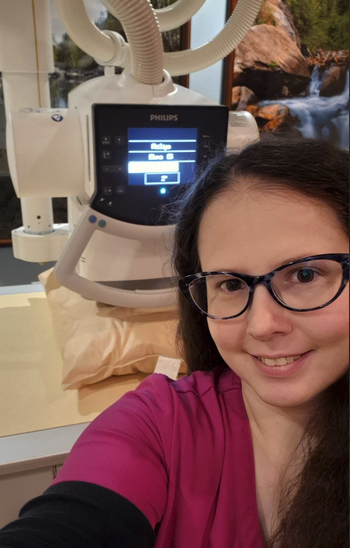
In the medical field, the radiologic technologist is often the first point of contact during a diagnostic crisis. Liz’s journey has come full circle; she now operates the very machinery that once revealed her own diagnosis, providing a sense of comfort and expertise to patients who may be facing their own "worst nightmares." Her career is a living example of post-traumatic growth, where the trauma of illness is transformed into a vocation of service.
The Milestone of Motherhood
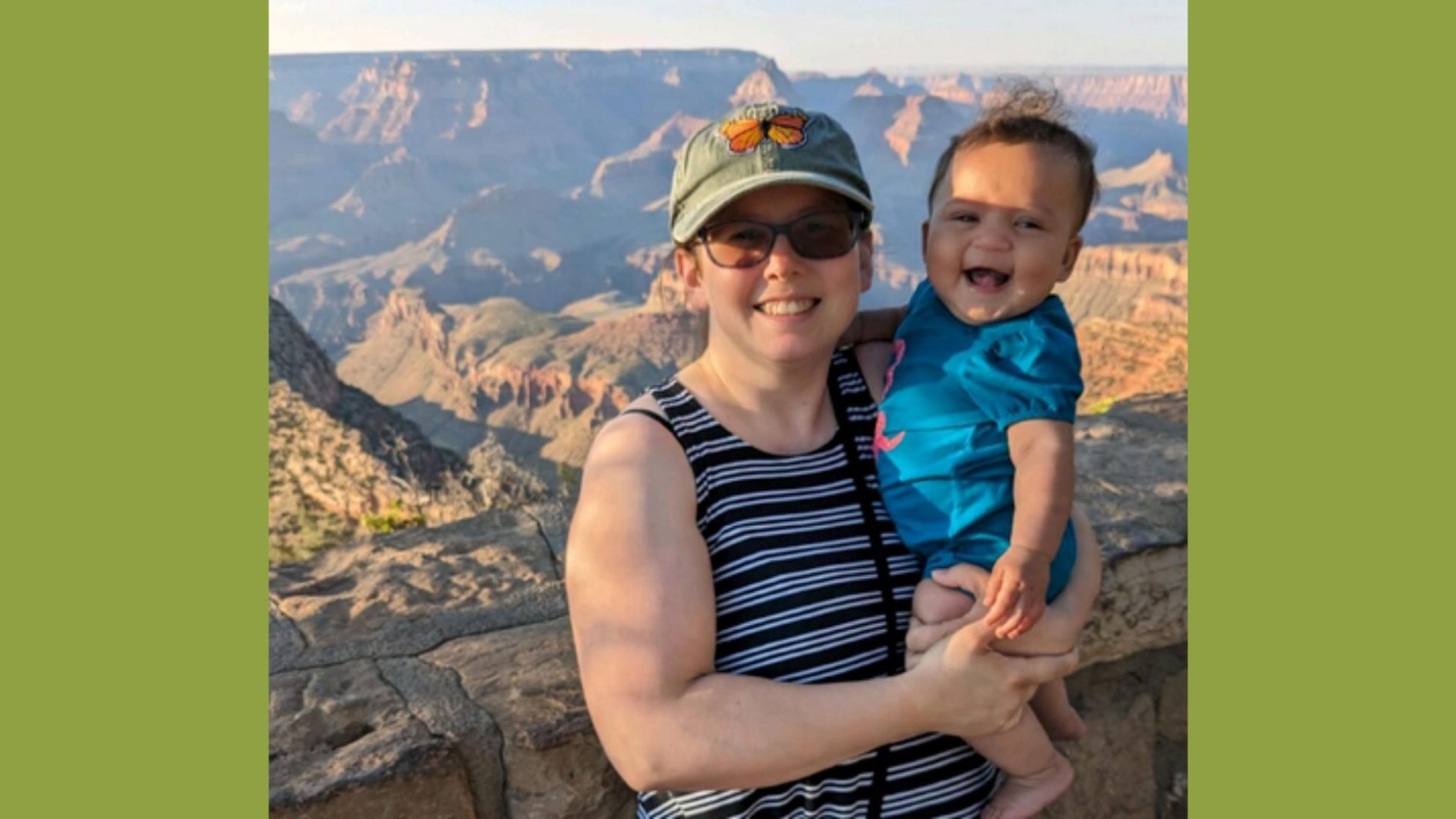
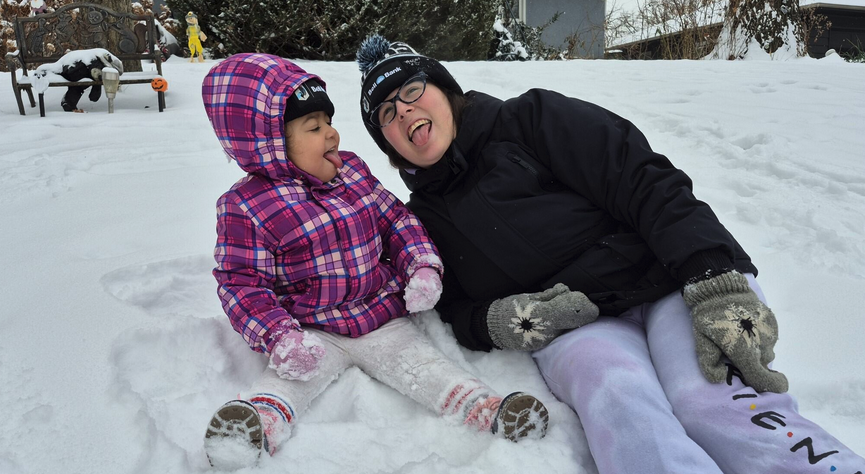
Perhaps the most significant milestone in Liz’s life is one that once seemed statistically improbable: becoming a mother. Many childhood cancer treatments can impact future fertility, making the birth of her daughter, Isabelle, a particularly meaningful event for the entire Kaiser family.
Now three years old, Isabelle (or "Izzy") is described as a high-energy child who loves reading, music, and dancing. For Liz, watching Isabelle’s personality develop is the "best part" of her daily life. However, the physical limitations imposed by her past cancer treatment remain a factor in her parenting. Liz is candid about the challenges of keeping up with a toddler when her own mobility is compromised.
"I tell her sometimes, ‘Mommy can’t do that,’" Liz explained. She cannot run after her daughter or crawl on the floor with ease, limitations she accepts with a smile. To bridge this gap, Liz relies on a robust support system, including her mother and stepfather, who assist in ensuring Isabelle has ample opportunities for physical play and exploration. For Greg, seeing Liz as a mother is a profound experience, noting that for many years, the family was unsure if such a future was even possible.
Analysis: The Broader Implications of the Kaiser Story
The story of Liz Kaiser is more than a personal narrative; it is a case study in the evolving field of "survivorship." As medical advancements have improved the five-year survival rates for many pediatric cancers—now exceeding 80% for most types—the focus of the medical community has shifted toward the long-term health of these survivors.
Data from the Childhood Cancer Survivor Study (CCSS) indicates that by age 50, more than half of childhood cancer survivors will have experienced a severe or life-threatening health condition related to their previous treatment. Liz’s hearing loss and joint issues are classic examples of these "late effects." Her story highlights the dual necessity of the current medical landscape:
- The need for "de-escalation" of toxicity: Researching ways to maintain high cure rates while reducing the long-term damage caused by chemotherapy and radiation.
- The need for novel therapeutics: Breaking the decades-long reliance on 20th-century drug protocols by incentivizing the development of targeted 21st-century medicines.
Furthermore, Liz’s career choice and her success as a parent demonstrate the importance of comprehensive psychosocial support during and after treatment. Survival is the first step, but the ultimate goal of pediatric oncology is to return the child to a trajectory where they can achieve their professional and personal dreams.
Conclusion: A Message of Hope and Persistence
Looking back on a journey that began with a mysterious leg pain in the eighth grade, both Liz and Greg maintain a perspective rooted in hope. Liz’s advice to others facing similar hardships is simple: "Don’t give up. Don’t avoid trying something because you think it might be difficult."
Her life serves as a blueprint for navigating the complexities of a "new normal" following a catastrophic illness. While she may not be able to run with her daughter in the traditional sense, she has successfully navigated the much more difficult terrain of cancer, recovery, and professional achievement. As Greg emphasizes, the core of their message is the persistence of hope—a hope fueled by the resilience of survivors and the ongoing efforts of researchers to ensure that future children face a path that is not only survivable but also free from the lasting scars of the cure.
