
 By admin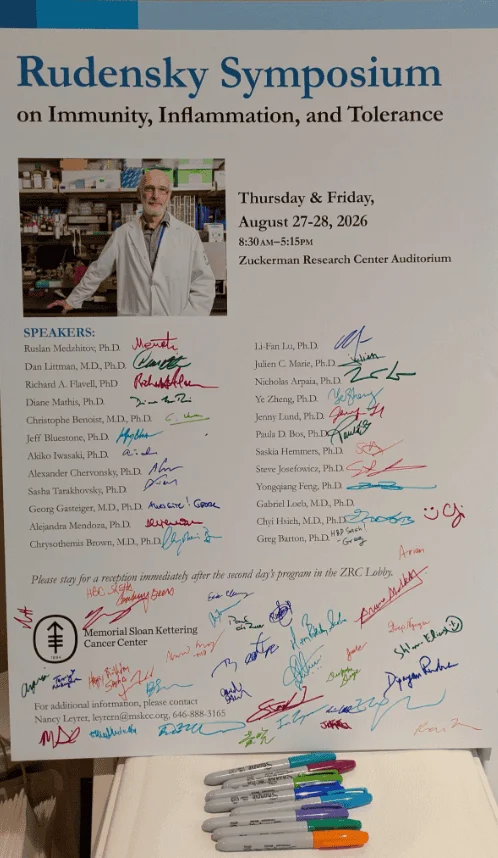
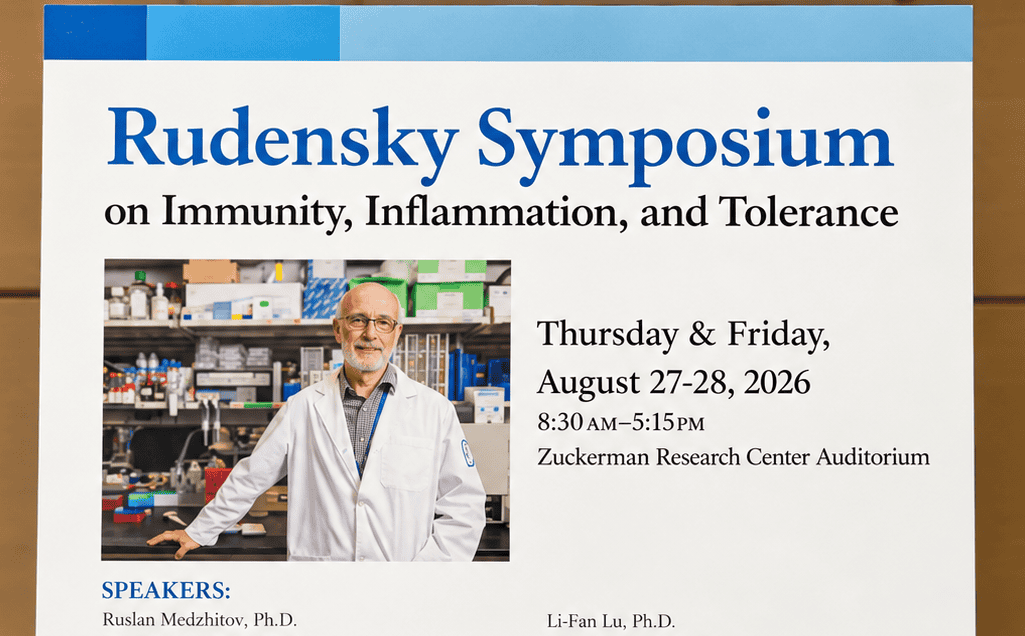
The Rudensky Symposium on Immunity, Inflammation and Tolerance, convened on August 27–28, 2026, transcended the conventional framework of a scientific conference, evolving into a profound tribute to Dr. Alexander “Sasha” Rudensky, PhD, a towering figure in immunology at Memorial Sloan Kettering Cancer Center, as he marked his 70th birthday. This two-day event served as a nexus for an illustrious gathering of former trainees, collaborators, and esteemed colleagues, whose professional and personal relationships with Dr. Rudensky have spanned decades, weaving a rich tapestry of shared scientific endeavor and personal camaraderie. Amidst rigorous scientific presentations that pushed the boundaries of current understanding, participants shared heartfelt memories and anecdotes, underscoring the profound impact of Dr. Rudensky’s mentorship and the enduring friendships that have indelibly shaped countless lives and careers within the global immunology community.
A Pioneer’s Legacy: Dr. Alexander Rudensky and the Dawn of Treg Research
Dr. Alexander Rudensky stands as a luminary in the field of immunology, particularly celebrated for his groundbreaking contributions to the understanding of regulatory T cells (Tregs). His pioneering work has been instrumental in elucidating the critical role these specialized immune cells play in maintaining immunological self-tolerance, preventing autoimmunity, and modulating inflammatory responses. Before his seminal discoveries, the mechanisms by which the immune system differentiates between self and non-self, preventing attacks on healthy tissues while robustly defending against pathogens, were not fully understood. Dr. Rudensky’s research meticulously uncovered how Tregs act as a crucial brake on the immune system, orchestrating a delicate balance that is essential for health.
His laboratory at Memorial Sloan Kettering Cancer Center has been a crucible of innovation, attracting bright minds from around the globe. Many of his former trainees have gone on to establish their own successful research programs, carrying forward his rigorous scientific approach and collaborative spirit. The symposium itself was a living testament to this expansive scientific lineage, with many speakers having trained directly under him or collaborated extensively on projects that have reshaped our understanding of immune regulation. The celebration of his 70th birthday was not merely a personal milestone but an opportunity to reflect on the immense and continuing impact of his scientific curiosity and dedication.
The Cancer Research Institute’s Enduring Partnership and Vision
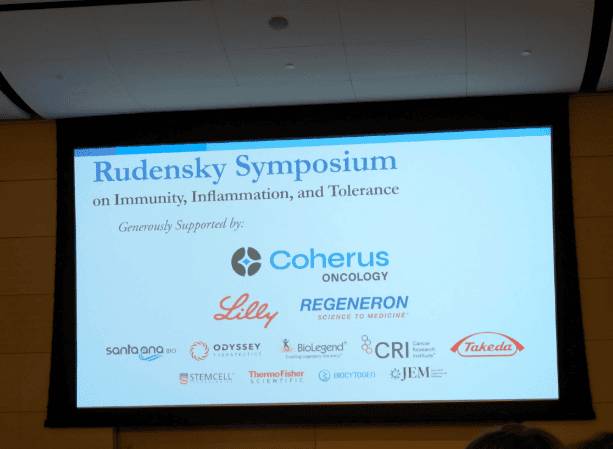
The Cancer Research Institute (CRI), a global leader in funding cancer immunology research, proudly supported the Rudensky Symposium, recognizing Dr. Rudensky not only as a preeminent scientist but also as a valued member of its Scientific Advisory Council (SAC). This partnership spans more than two decades, during which CRI has consistently championed Dr. Rudensky’s transformative research and his unwavering commitment to nurturing the next generation of scientists. Over a dozen CRI-funded fellows have honed their skills and launched their careers within his laboratory, a testament to the symbiotic relationship between CRI’s mission and Dr. Rudensky’s dedication to discovery and mentorship.
In 2015, Dr. Rudensky’s profound contributions were formally recognized with the prestigious CRI William B. Coley Award for his pioneering work on regulatory T cells. This award honors scientists who have made seminal discoveries in basic immunology and tumor immunology, and Dr. Rudensky’s work on Tregs perfectly embodies this criterion. His insights into how Tregs restrain excessive immune responses and protect healthy tissues from damage have had far-reaching implications, not only for autoimmune diseases but also for understanding how cancer evades immune surveillance.
CRI’s deep connection to this scientific community reflects a fundamental philosophy: a longstanding commitment to funding basic immunology alongside targeted cancer immunology research. This support is rooted in the conviction that a comprehensive understanding of the immune system’s intricate workings is absolutely fundamental to effectively harness its power against cancer. As Dr. Jill O’Donnell-Tormey, CEO and Director of Scientific Affairs at the Cancer Research Institute, might have remarked, "Dr. Rudensky’s work exemplifies the critical link between foundational immunological discovery and its eventual translation into life-saving cancer therapies. Supporting visionary scientists like Sasha and fostering the next generation of researchers is at the very core of CRI’s mission." This synergistic approach ensures that breakthroughs in fundamental science pave the way for innovative cancer prevention and treatment strategies.
Unveiling Immunity’s Broader Role: Beyond Pathogen Defense
A pervasive theme throughout the symposium was the revelation that the immune system’s functions extend far beyond its traditionally understood role as a defender against infection. Across discussions spanning tissue repair, the intricate gut microbiome, the nuances of immune tolerance, and the complexities of cancer progression, a unifying principle emerged: the very processes that meticulously maintain the equilibrium of healthy tissues also exert profound influence on how cancer develops, spreads, and ultimately responds to therapeutic interventions. This interconnectedness is now opening entirely new avenues for cancer prevention and therapy, frequently stemming from initial discoveries that began with seemingly unrelated biological questions.
One such illuminating presentation came from Dr. Ruslan Medzhitov, a distinguished CRI scientist and 2003 CRI Coley Awardee. Dr. Medzhitov elucidated how stressed cells can actively recruit macrophages, traditionally known for engulfing pathogens, to remove damaged protein "garbage." This intriguing discovery reframes macrophages not merely as immune defenders but as essential "tissue maintenance crews," playing a vital role in cellular housekeeping and repair.
Further expanding on the multifaceted roles of immune cells, Dr. Diane Mathis, a 2024 CRI Coley Awardee, presented compelling evidence of Treg populations that extend beyond immune suppression. Her research demonstrated their crucial involvement in helping injured muscle control inflammation, guiding the complex processes of tissue repair, and effectively limiting scar formation. Complementing this, Dr. Christophe Benoist, also a 2024 CRI Coley Awardee, showcased how the specific molecular target recognized by a Treg can profoundly determine its unique identity and functional capabilities. These insights collectively underscore the intricate precision required for immune restraint: an insufficiency can precipitate debilitating autoimmunity and widespread tissue damage, while an excess can inadvertently create an environment conducive to cancer’s insidious escape from immune surveillance.
The Immune System as a Sentinel: Early Cancer Detection and Intervention
A particularly forward-looking segment of the symposium delved into the tantalizing prospect of whether immunity can act preemptively, even before cancer fully takes hold. Dr. Richard A. Flavell, a CRI scientist and 2012 CRI Coley Awardee, presented groundbreaking research exploring the mechanisms of early cancer immunosurveillance. His work investigated mutant intestinal stem cells, long before any visible tumor manifested. Using sophisticated mouse models, his team observed that cells carrying a cancer-linked BRAF mutation initially gained a competitive survival advantage. However, a significant proportion of these potentially dangerous cells were still eliminated, suggesting an active immune role.
These pioneering experiments strongly indicated that immune recognition is a critical determinant of which abnormal cells survive in the very early stages of carcinogenesis. When these mutant cells were genetically engineered to lose a key molecule involved in communicating with T cells, they became significantly more likely to proliferate and dominate the small compartments where intestinal stem cells reside. Furthermore, his research highlighted the involvement of Tregs and the immune signal IL-10 in helping to restrain these early clonal expansions. While still preclinical, this work presents a powerful conceptual shift: the immune system may actively influence cancer development from the precise moment a potentially dangerous cell begins to compete with its normal, healthy neighbors.
Approaching the intricate inflammation-cancer connection from a different yet equally crucial angle, Dr. Julien C. Marie presented research demonstrating that disrupting a critical regulatory signal called TGF-β in mice pushed intestinal Th17 cells, another type of immune cell, into a persistently inflammatory state. This chronic inflammation was directly associated with localized DNA damage and, eventually, the development of cancer. Intriguingly, restoring the TGF-β signal reversed many aspects of this harmful inflammatory state, suggesting that even established inflammatory programs linked to cancer may retain a degree of flexibility and therapeutic susceptibility.
The Tumor Microenvironment: A Complex Ecosystem for Immune Modulation
The symposium also dedicated substantial attention to the intricate relationship between cancer and its wider ecosystem, particularly the tumor microenvironment (TME). Dr. Dan Littman, a CRI SAC member and 2016 CRI Coley Awardee, presented fascinating preclinical work connecting the gut microbiome to the efficacy of cancer immunotherapy. His research explored how specific gut bacteria can "train" T cells, profoundly influencing their responses to checkpoint immunotherapy, thereby illustrating how an immune response initiated in the intestine can exert systemic effects and impact cancer progression in distant parts of the body. This work highlights the potential for microbiome-based interventions to augment existing cancer treatments.
Further dissecting the complexities of the TME, Dr. Paula D. Bos unveiled how Tregs can exert their influence on breast cancer through their interactions with macrophages and the physical scaffolding (extracellular matrix) surrounding a tumor. Her team’s research demonstrated that temporarily removing Tregs in mouse tumors shifted macrophages toward a more tumor-fighting (M1-like) state. Concurrently, this intervention disrupted the aligned collagen fibers that often act like "highways" for cancer cells to escape and metastasize. Consequently, the mice in these experiments subsequently exhibited fewer circulating tumor cells and a reduced incidence of metastatic disease. This research underscores that the goal is not a broad, potentially harmful elimination of Tregs, which could trigger widespread autoimmune responses, but rather to uncover more specific, nuanced ways to influence macrophage behavior and impede tumor spread.
Dr. Nicholas Arpaia also contributed to this understanding of immune-suppressive neighborhoods within tumors. His group identified a specific fibroblast population that actively recruits suppressive Tregs around lung tumors, effectively creating an immunosuppressive shield that protects the cancer cells. Furthermore, Dr. Arpaia described collaborative work developed with CRI Lloyd J. Old STAR investigator Dr. Tal Danino, which involves using engineered bacteria to deliver targeted therapies directly inside tumors. The overarching goal of this innovative approach is to concentrate immune-modulating treatments precisely where they are needed most, thereby maximizing therapeutic effect while minimizing systemic side effects.
A Tapestry of Mentorship and Collaborative Discovery
Beyond the groundbreaking scientific presentations, the Rudensky Symposium served as a powerful reminder that advances in cancer research are not merely the result of isolated experiments but grow organically from fundamental questions about immune cells, their tissue context, and their intricate interactions. Critically, the symposium underscored how this progress is inextricably linked to the cultivation of exceptional mentorship, robust collaboration, healthy and rigorous scientific disagreement, and, perhaps most importantly, the intellectual freedom to pursue questions whose immediate clinical relevance may not be overtly obvious.
Witnessing generations of scientists, each bearing the indelible mark of Dr. Rudensky’s influence, gathered in one room made the concept of a "ripple effect" profoundly tangible. For more than 70 years, the Cancer Research Institute has strategically invested in this foundational pillar of discovery, providing crucial support not only to the cutting-edge science itself but also to the exceptional people who are dedicated to carrying it forward. The symposium brought this long-term commitment vividly to life: former trainees evolving into accomplished mentors themselves, fundamental discoveries informing entirely new fields of study, and collaborative endeavors seamlessly connecting fundamental biological questions to the ultimate, shared goal of improving patients’ lives.
Looking Ahead: The Future of Immuno-Oncology
The insights shared at the Rudensky Symposium represent critical steps forward in the field of immuno-oncology. The understanding that the immune system plays roles in tissue maintenance, early cancer immunosurveillance, and the shaping of the tumor microenvironment opens up a plethora of new therapeutic avenues. Future research, building upon these foundational discoveries, will likely focus on:
- Targeted Immune Modulation: Developing therapies that specifically enhance anti-tumor immunity without broadly suppressing the immune system, thereby avoiding severe autoimmune side effects.
- Early Intervention: Strategies to boost the immune system’s ability to eliminate pre-cancerous cells or early stage malignancies, potentially preventing full-blown cancer development.
- Microbiome Engineering: Leveraging the gut microbiome to improve responses to existing immunotherapies and discover novel targets for intervention.
- Precision Medicine: Tailoring immunotherapies based on an individual patient’s unique tumor microenvironment and immune profile.
The confluence of basic science and clinical translation, so evident at this symposium, promises to accelerate the development of more effective and less toxic cancer treatments.
Conclusion: The Enduring Value of People and Fundamental Research
The Rudensky Symposium was more than a celebration of a distinguished scientist; it was a powerful affirmation of the scientific enterprise itself. It highlighted the enduring value of curiosity-driven basic research, the indispensable role of mentorship in shaping future leaders, and the profound impact of collaborative spirit in tackling some of humanity’s most pressing health challenges. As the scientific community looks to the future, events like this serve as vital reminders that the relentless pursuit of fundamental knowledge, coupled with a commitment to nurturing human talent, remains the most potent engine for progress in the relentless fight against cancer and other debilitating diseases. The legacy of Dr. Alexander Rudensky, amplified by the work of his expansive scientific family, continues to illuminate the path forward, promising a future where the intricate balance of immunity can be harnessed for profound therapeutic benefit.
