
 By Budi Oetomo Narendra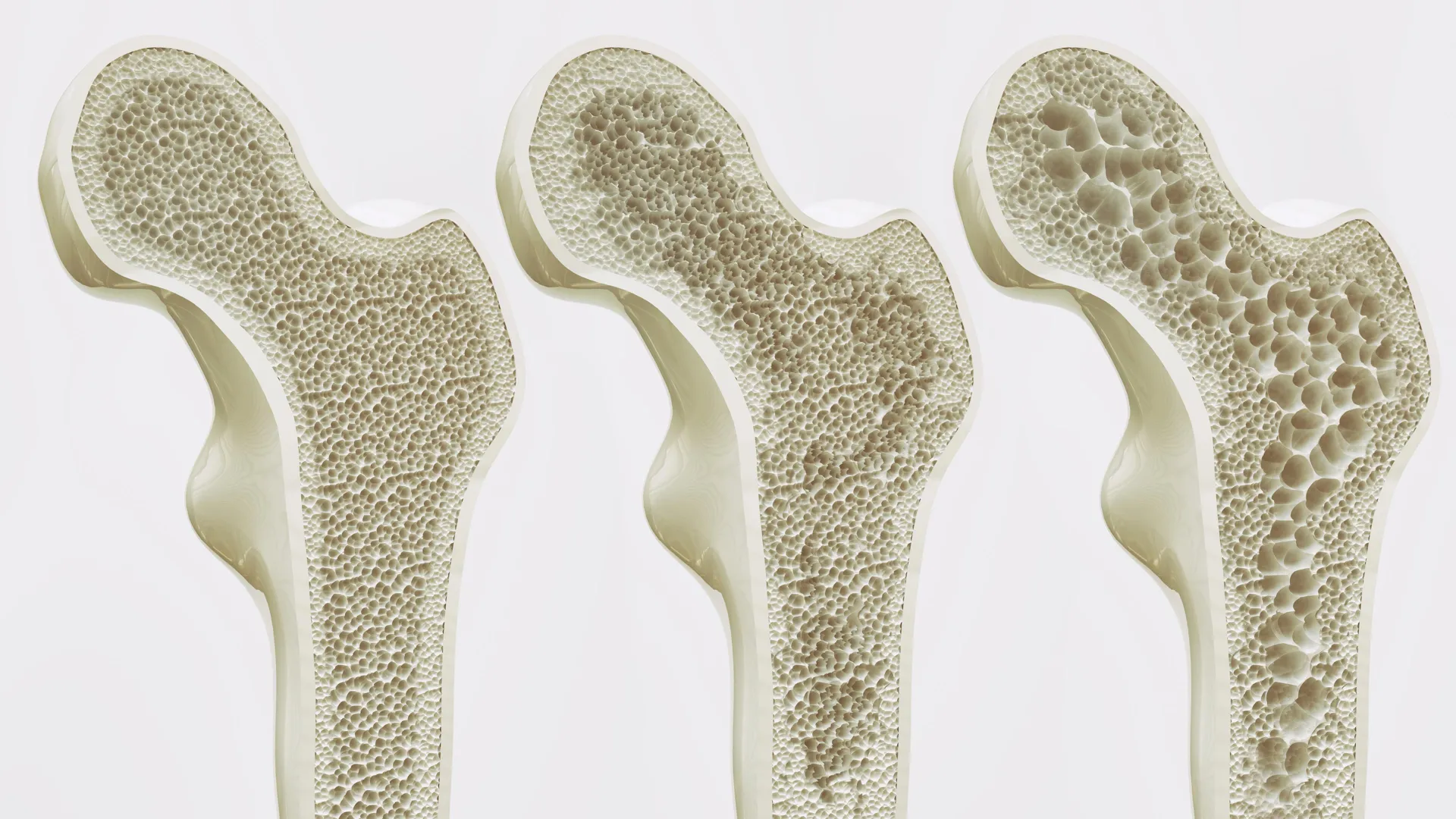
A comprehensive and rigorous review published in The BMJ has cast significant doubt on the widespread practice of routinely recommending calcium and vitamin D supplements to older adults for the prevention of falls and bone fractures. The large-scale analysis, encompassing nearly 154,000 participants across 69 randomized controlled trials, suggests that for the majority of the elderly population, these commonly used supplements provide little to no clinically meaningful protection, prompting calls for a re-evaluation of established clinical guidelines and public health recommendations.
The Pervasive Challenge of Falls and Fractures in Aging Populations
Falls represent a critical public health concern globally, particularly among older adults. Statistics indicate that approximately one in three individuals aged 65 and above experiences a fall each year. These incidents are not merely minor inconveniences; they are a leading cause of injury, often resulting in debilitating fractures—most notably hip, vertebral, and wrist fractures—that can severely compromise an individual’s independence, lead to chronic pain, diminish quality of life, and frequently necessitate a transition to residential care facilities. The economic burden associated with fall-related injuries is staggering, with healthcare costs running into billions annually across developed nations. For instance, in the United States alone, fall-related injuries account for an estimated $50 billion in medical costs each year. Given these profound implications, the search for effective preventative strategies against falls and fractures remains a top priority for researchers and healthcare providers alike.
A Longstanding Association: Calcium and Vitamin D in Bone Health
The association between calcium and vitamin D and bone health is deeply ingrained in both medical understanding and public perception. Calcium, as the primary mineral component of bone, is crucial for maintaining bone density and structural integrity. Vitamin D, often dubbed the "sunshine vitamin," plays an indispensable role in calcium absorption in the gut and is essential for bone mineralization and remodeling processes. This fundamental understanding led to the widespread belief that supplementing these nutrients could directly translate into stronger bones and reduced fracture risk, especially in populations vulnerable to age-related bone loss, such as postmenopausal women and older men.
Historically, the scientific journey linking these nutrients to bone health dates back centuries. The discovery of rickets, a bone-softening disease in children, and its eventual link to vitamin D deficiency in the early 20th century, cemented vitamin D’s importance. Similarly, the understanding of calcium’s role evolved, leading to dietary recommendations and, subsequently, the fortification of various food products, particularly milk, with both calcium and vitamin D. Over decades, clinical practice guidelines and public health campaigns worldwide have consistently advocated for adequate intake of these nutrients, often recommending supplementation to ensure optimal bone health in aging populations. This has contributed to a substantial increase in prescriptions and over-the-counter sales of calcium and vitamin D supplements, becoming a multi-billion dollar industry.
However, despite this strong historical context and widespread use, the scientific evidence regarding the preventative efficacy of these supplements against fractures and falls has been less conclusive than many might assume. Previous systematic reviews and meta-analyses have yielded mixed results, with some studies showing marginal benefits in specific subgroups, while others found no significant effect. In particular, the efficacy of vitamin D in reducing falls, a distinct outcome from fracture prevention, has remained a subject of ongoing debate and uncertainty, leading to what the researchers of the current BMJ study term "unanswered questions."
The Rigorous BMJ Review: A Closer Look at the Evidence
To provide a definitive answer to these lingering questions, researchers based in Canada undertook a meticulous and comprehensive systematic review and meta-analysis. Their methodology focused exclusively on randomized controlled trials (RCTs), which are widely considered the gold standard for evaluating the effectiveness of medical interventions due to their ability to minimize bias by randomly assigning participants to treatment or control groups.
The team meticulously sifted through vast amounts of scientific literature, ultimately synthesizing data from 69 distinct RCTs involving a staggering total of 153,902 adult participants. These trials compared the use of calcium supplements, vitamin D supplements, or a combination of both, against either a placebo or no active treatment. The primary outcomes of interest for the researchers were the incidence of fractures (all fractures, hip fractures, vertebral fractures) and falls. The quality of the included studies varied, as is common in such large reviews, but the research team employed established methodologies to assess the risk of bias within each study and to determine the overall certainty of the evidence for their conclusions, primarily using the GRADE (Grading of Recommendations Assessment, Development and Evaluation) approach.
Key Findings: Little to No Meaningful Benefit for Most
The results of this extensive analysis were stark and remarkably consistent across various supplement types and outcomes. After establishing pre-defined thresholds for what would constitute a "clinically meaningful benefit"—a crucial step to differentiate statistical significance from practical relevance—the researchers concluded that, for the vast majority of older adults, routine supplementation offered negligible protection.
Specifically:
- Calcium Supplements Alone: Based on moderate certainty evidence from 11 trials involving 9,067 participants, calcium supplements showed little to no meaningful effect on the chance of experiencing any type of fracture.
- Vitamin D Supplements Alone: With high certainty evidence derived from 36 trials involving 92,045 participants, vitamin D supplements also demonstrated little to no meaningful impact on overall fracture risk.
- Combined Calcium and Vitamin D Supplementation: Even when taken together, a strategy often recommended to maximize benefits, high certainty evidence from 15 trials involving 51,126 participants revealed little to no meaningful effect on fracture prevention.
This consistent pattern extended to specific, often more severe, outcomes. When the researchers specifically examined hip fractures, which are particularly devastating for older adults due to their high morbidity and mortality rates, calcium, vitamin D, and combined supplementation all appeared to have little to no effect. Similarly, the analysis of falls, a precursor to many fractures, yielded the same conclusion: no meaningful reduction in fall incidence attributable to these supplements. The certainty of evidence for these specific outcomes was predominantly rated as moderate to high, bolstering the confidence in the study’s conclusions.
Important Nuances and Exceptions to the Broad Findings
While the overall conclusions are robust, the researchers were careful to highlight important caveats and potential exceptions. They acknowledged that certain parts of their analysis, particularly for less common outcomes or specific subgroups, were based on relatively smaller numbers of trials or participants. Therefore, these specific findings should be interpreted with a degree of caution.
Crucially, the conclusions of this review may not be universally applicable to all older adults. The study explicitly states that individuals with specific underlying bone disorders, such as severe osteoporosis requiring pharmacological treatment (e.g., bisphosphonates), or those with documented severe vitamin D deficiency (clinical levels below 12 ng/mL or 30 nmol/L), may still benefit from targeted supplementation under medical supervision. Similarly, individuals with malabsorption syndromes or other medical conditions affecting nutrient uptake might have different needs. The study’s focus was on routine supplementation for the general older adult population, not on therapeutic interventions for diagnosed deficiencies or diseases.
Despite these exceptions, the broad consistency of the results remained even after accounting for various influential factors, including participants’ age, sex, history of previous fractures or falls, and average dietary calcium intake. This consistency across diverse subgroups further strengthened the overall confidence in the study’s findings, suggesting that the lack of benefit is not easily explained away by demographic or lifestyle variations within the study population.
Calls for Re-evaluation from Clinical and Public Health Perspectives
The implications of this landmark review are far-reaching. Based on their comprehensive findings, the researchers unequivocally state that the evidence "does not support routine supplementation with calcium or vitamin D, or combined supplementation to prevent fractures and falls" in the general older adult population.
This strong conclusion naturally leads to a direct challenge to current practices. The authors explicitly urge clinicians, guideline development panels, and regulatory agencies worldwide to "re-evaluate their general recommendations for calcium and vitamin D supplementation in light of current evidence." This call to action could trigger significant shifts in clinical practice, public health messaging, and even the marketing of these widely consumed supplements.
In a linked editorial accompanying the BMJ review, independent experts echoed these sentiments, emphasizing the need for a paradigm shift. They suggest that while the current review provides compelling evidence for the general population, more rigorous and well-powered trials are still needed to precisely identify whether supplementation might offer genuine benefits for individuals at especially high risk of fractures or severe deficiency, ensuring that resources are allocated effectively.
Shifting Focus: Exercise and Multi-Component Interventions as Proven Strategies
The editorial authors further argue that, for now, medical and public health communities should pivot their attention and resources towards interventions that have already demonstrated clear and meaningful benefits for preventing falls and related injuries. These proven strategies include:
- Balance Training: Exercises specifically designed to improve balance and stability, such as Tai Chi, can significantly reduce the risk of falls.
- Resistance Exercise: Strength training helps build and maintain muscle mass, which is crucial for supporting bones, improving stability, and enhancing overall physical function.
- Multi-Component Programs: Comprehensive interventions that combine several approaches have shown particular promise. These often include tailored exercise regimens, home hazard assessments (to identify and mitigate environmental risks for falls), medication reviews (to identify drugs that may increase fall risk), and individualized education on fall prevention strategies.
These non-pharmacological interventions not only address the physical aspects of fall prevention but also empower individuals to take an active role in their health and well-being, fostering greater independence and confidence.
Broader Implications and Future Directions
The BMJ review marks a pivotal moment in the discourse surrounding bone health and aging. Its findings carry several critical implications:
- Clinical Practice: Clinicians may need to adjust their prescribing habits and counseling for older patients, moving away from routine supplementation unless there is a clear indication such as diagnosed deficiency or specific medical conditions.
- Public Health Messaging: Public health campaigns might need to be recalibrated to reflect the new evidence, perhaps shifting emphasis from supplements to proven lifestyle interventions.
- Economic Impact: A reduction in routine supplementation could lead to significant cost savings in healthcare systems and for individuals, while also re-directing funds towards more effective prevention programs.
- Patient Education: There is a need to educate older adults and their caregivers about the updated evidence, helping them make informed decisions about their health and dispelling long-held beliefs that may not be fully supported by current science.
- Future Research: While the review is comprehensive, it highlights areas for future research, particularly in identifying specific subgroups who might still benefit from supplementation and further optimizing non-pharmacological interventions.
In conclusion, the latest evidence strongly suggests that preventing falls and fractures in older adults requires a more nuanced and holistic approach than simply adding calcium or vitamin D supplements to a daily routine. While these nutrients remain essential for overall health, their role in broad-spectrum fracture and fall prevention appears to be minimal for most older individuals. The emphasis is now firmly shifting towards comprehensive strategies that integrate physical activity, balance training, hazard reduction, and individualized care, promising more effective and evidence-based pathways to healthy aging.
