
 By George Ongkojoyo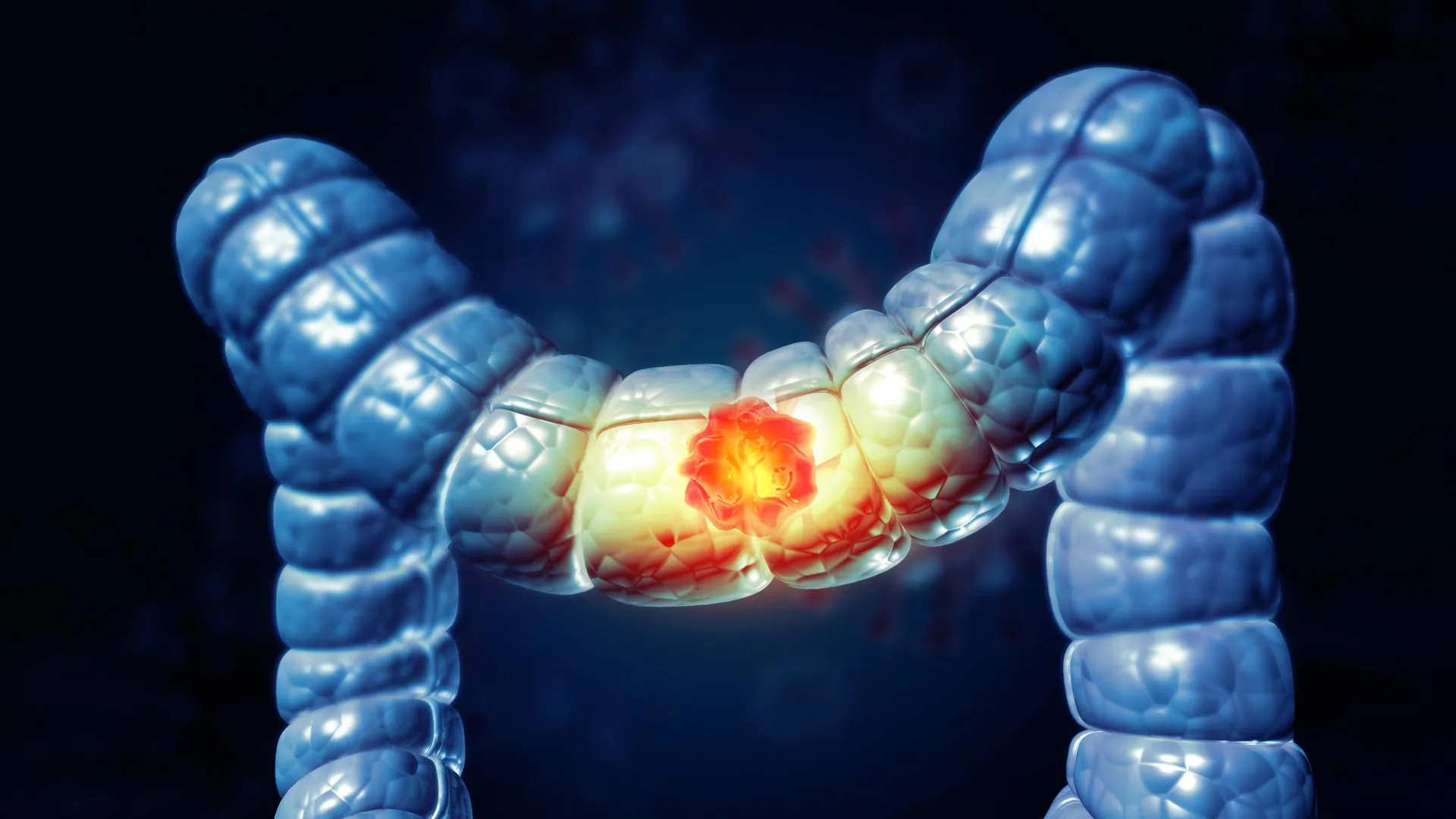
The landscape of cancer immunotherapy has long been guided by a fundamental principle: regulatory T cells, or Tregs, are the primary obstacles to a successful immune response against tumors. These cells, which function as the "brakes" of the immune system to prevent autoimmune attacks, are typically recruited by tumors to shield themselves from the body’s natural defenses. In the vast majority of solid malignancies, such as lung or breast cancer, a high concentration of Treg cells within the tumor microenvironment is a harbinger of poor clinical outcomes. However, colorectal cancer has historically presented a perplexing deviation from this rule. For decades, oncologists observed that colorectal cancer patients with high levels of Treg cells often lived longer, a paradox that defied the established logic of tumor immunology.
A landmark study from the Sloan Kettering Institute at Memorial Sloan Kettering Cancer Center (MSK), recently published in the journal Immunity, has finally decoded this mystery. The research reveals that the prognostic value of Treg cells in colorectal cancer is determined not by their quantity, but by their specific functional subtype. By identifying two distinct populations of Treg cells with diametrically opposed effects on tumor progression, the researchers have provided a roadmap for a more nuanced and effective approach to immunotherapy, particularly for the 85% of colorectal cancer patients who currently do not respond to standard treatments.
The Treg Paradox: A Decades-Old Medical Mystery
To understand the significance of this discovery, one must look at the broader history of immunotherapy. Regulatory T cells were first characterized for their role in maintaining "immune tolerance," ensuring that the immune system does not attack the body’s own tissues, beneficial gut microbes, or harmless food proteins. Dr. Alexander Rudensky, Chair of the Immunology Program at MSK and a co-senior author of the study, has spent more than 20 years investigating these cells. His work established that while Tregs are essential for survival—preventing lethal systemic inflammation—they are often co-opted by tumors to create an "immune-privileged" zone where cancer can grow unchecked.
In most cancers, the strategy is simple: reduce Treg activity to "release the brakes" and allow killer T cells to destroy the tumor. Yet, in colorectal cancer, this strategy frequently failed or produced inconsistent results. The observation that some Tregs seemed to protect the patient rather than the tumor suggested that the immune landscape of the colon was governed by different rules than the rest of the body.
Identifying the Dual Subtypes: IL-10 Positive vs. IL-10 Negative
The MSK team, led by first authors Dr. Xiao Huang, Dr. Dan Feng, and Dr. Sneha Mitra, utilized advanced mouse models and sophisticated computational analysis to dissect the Treg population in colorectal tumors. They discovered that these cells are not a monolithic group but are split into two primary lineages characterized by the presence or absence of the signaling molecule interleukin-10 (IL-10).
The first group, IL-10-positive Treg cells, was found to be beneficial. These cells primarily reside in the healthy tissue surrounding the tumor and act to restrain a specific type of inflammation driven by Th17 cells. Th17 cells produce interleukin-17 (IL-17), a cytokine that acts as a potent growth factor for colorectal cancer cells. By suppressing Th17 activity, IL-10-positive Tregs indirectly slow down tumor growth. When the researchers experimentally removed these specific cells, the tumors in the mouse models grew significantly faster.
The second group, IL-10-negative Treg cells, represents the traditional "villain" in the cancer story. These cells are found deep within the tumor mass and focus their efforts on suppressing CD8+ T cells—the "serial killers" of the immune system capable of direct tumor destruction. By neutralizing these defenders, IL-10-negative Tregs allow the cancer to flourish. The study demonstrated that when this specific subtype was eliminated, the tumors shrank.
Implications for Microsatellite Stable (MSS) Colorectal Cancer
This discovery is particularly vital for the treatment of the most common form of the disease. Colorectal cancer is currently the second leading cause of cancer-related deaths globally when combining data for men and women. Approximately 80% to 85% of these cases are classified as Microsatellite Stable (MSS) with proficient mismatch repair (MMRp).
Unlike Microsatellite Instability-High (MSI-H) tumors, which have many mutations and respond remarkably well to existing checkpoint inhibitors like pembrolizumab, MSS tumors are often described as "cold" tumors. They possess fewer mutations and are adept at hiding from the immune system, making them largely resistant to current immunotherapies. By identifying that the failure of immunotherapy in MSS patients may be due to the presence of harmful IL-10-negative Tregs—and the simultaneous need to preserve helpful IL-10-positive Tregs—the MSK study provides a new target for drug development.
The Role of CCR8 as a Precision Target
One of the most actionable findings of the study involves a protein called CCR8. The researchers found that the harmful, IL-10-negative Treg cells express exceptionally high levels of CCR8, while the beneficial IL-10-positive cells do not. This molecular signature offers a way to selectively "weed" the immune system.
Dr. Rudensky noted that the concept of using CCR8-depleting antibodies is already moving toward clinical application. Earlier work by MSK breast cancer surgeon Dr. George Plitas showed that CCR8 is also a marker for harmful Tregs in breast cancer and other malignancies. By targeting CCR8, clinicians hope to eliminate only the cells that shield the tumor, leaving the protective, IL-10-producing Tregs intact to continue their work of suppressing tumor-promoting inflammation.
Currently, several clinical trials are underway at MSK and other global research centers to test CCR8-targeted therapies. These trials are evaluating the drugs both as monotherapies and in combination with established PD-1/PD-L1 inhibitors, aiming to turn "cold" MSS tumors into "hot" tumors that the immune system can recognize and attack.
Chronology of Research and Data Validation
The study’s conclusions were not limited to laboratory models. To ensure the findings were relevant to human health, the team analyzed a dataset of more than 100 colorectal cancer patients. The clinical data mirrored the experimental results: patients with a higher ratio of IL-10-positive to IL-10-negative Tregs had significantly better survival rates.
The timeline of this research reflects a multi-decade effort:
- Early 2000s: Dr. Rudensky’s lab defines the role of the FOXP3 gene in Treg development.
- 2010s: Research begins to highlight the "colorectal exception," where Treg presence correlates with better outcomes.
- 2017-2019: MSK researchers identify CCR8 as a potential selective marker for tumor-infiltrating Tregs in breast cancer.
- 2020-2023: The current team employs single-cell sequencing and mouse models to differentiate the IL-10 lineages in the gut.
- 2024: Publication in Immunity provides the definitive explanation for the colorectal Treg paradox.
Beyond the Colon: Barrier Tissues and Metastasis
The implications of this research extend beyond colorectal cancer. The team analyzed T cell data from 16 different types of cancer and found that the same division of Treg subtypes exists in other "barrier tissues." These include the skin and the linings of the mouth, throat, and stomach.
"What these tissues have in common is that immune cells play a critical role in constantly defending and repairing them as they’re exposed to microbes and environmental stresses," explained Dr. Sneha Mitra. In these environments, the body has evolved a system where some Tregs focus on tissue repair and the suppression of environmental inflammation (the IL-10+ group), while others are co-opted by tumors. This suggests that CCR8-targeted therapies could be effective for a wide range of cancers originating in these protective linings.
However, the study also issued a cautionary note regarding metastatic disease. When colorectal cancer spreads to the liver, the immune environment changes. In liver metastases, the harmful IL-10-negative cells vastly outnumber the helpful ones. In this specific context, removing all Treg cells—not just the CCR8-positive ones—led to tumor shrinkage. This indicates that as cancer evolves and moves to different organs, the "rules" of the immune system change, requiring doctors to tailor immunotherapy based on the stage and location of the disease.
A New Paradigm in Immuno-Oncology
The findings from Memorial Sloan Kettering mark a shift from "broad-spectrum" immunotherapy to "precision" immunotherapy. For years, the goal was simply to activate the immune system. This study proves that the immune system is a delicate balance of competing forces, and that indiscriminate activation can sometimes do more harm than good.
By demonstrating that the "brakes" of the immune system can sometimes be the very thing keeping a patient alive, Dr. Rudensky and his colleagues have provided a clear explanation for a long-standing medical anomaly. As clinical trials for CCR8-depleting antibodies progress, the hope is that the 85% of colorectal cancer patients who have been left behind by the first wave of immunotherapy will soon have a powerful new weapon in their fight against the disease.
The research was supported by the National Cancer Institute, the Howard Hughes Medical Institute, and the Ludwig Center for Cancer Immunotherapy, among others. With multiple patents pending and global pharmaceutical interest in CCR8, the transition from this fundamental discovery to bedside treatment is expected to accelerate in the coming years.
