
 By Suherman Candra Maholtra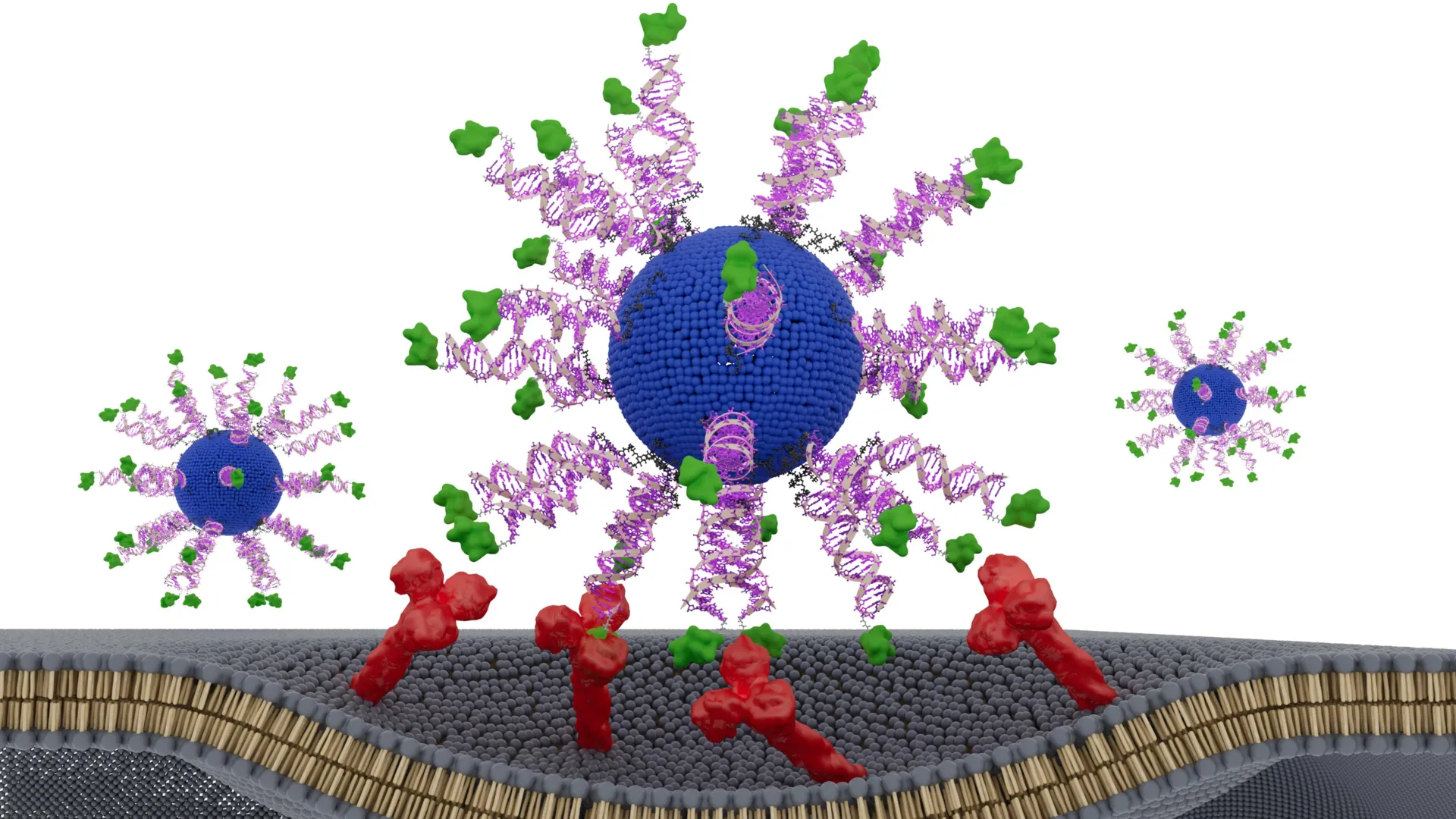
In a paradigm-shifting development for the field of oncology, researchers at Northwestern University have demonstrated that the physical arrangement of vaccine components is a primary determinant of therapeutic success. For over a decade, scientists have operated under the assumption that the chemical composition of a vaccine—the specific antigens and adjuvants used—dictated its ability to trigger an immune response. However, a new study published February 11 in the journal Science Advances reveals that the spatial orientation and structural architecture of these ingredients can be the difference between a negligible reaction and a potent, tumor-destroying defense. This breakthrough, centered on the treatment of cancers driven by the human papillomavirus (HPV), provides a definitive framework for the emerging discipline of structural nanomedicine.
The research, led by nanotechnology pioneer Chad A. Mirkin and oncologist Dr. Jochen Lorch, utilized Spherical Nucleic Acids (SNAs) to prove that moving a single targeting peptide by a few nanometers or flipping its orientation can amplify the immune system’s efficacy by several hundred percent. By optimizing the "geometry" of the vaccine, the team was able to generate significantly higher numbers of highly active cancer-killing T cells, offering a blueprint for more effective immunotherapies that could eventually be applied to a wide array of solid tumors.
The Evolution of Structural Nanomedicine
The concept of structural nanomedicine marks a departure from traditional pharmaceutical development, which Mirkin frequently refers to as the "blender approach." In conventional vaccine manufacturing, researchers typically mix antigens (the molecules that identify the target) and adjuvants (the compounds that stimulate the immune system) into a single formulation. While effective for many infectious diseases, this lack of structural control often results in heterogeneous mixtures where no two particles are identical.
The Northwestern team’s work over the last ten years has focused on moving beyond these "loose" mixtures toward precisely engineered nanoparticles. At the heart of this effort are Spherical Nucleic Acids, a technology invented by Mirkin. SNAs consist of a central nanoparticle core—often a lipid or a gold cluster—surrounded by a dense, highly oriented shell of DNA or RNA. This unique globular structure allows the particles to enter immune cells more efficiently than linear strands of genetic material, acting as a "Trojan horse" that delivers a concentrated payload of instructions directly to the body’s internal defense mechanisms.
"There are thousands of variables in the large, complex medicines that define vaccines," said Mirkin, the George B. Rathmann Professor of Chemistry at Northwestern. "The promise of structural nanomedicine is being able to identify from the myriad possibilities the configurations that lead to the greatest efficacy and least toxicity. In other words, we can build better medicines from the bottom up."
Addressing the HPV Crisis through Therapeutic Innovation
The focus of the latest study is human papillomavirus (HPV), a group of more than 200 related viruses. While many HPV infections resolve on their own, persistent high-risk strains are responsible for nearly all cases of cervical cancer and an increasing number of head and neck cancers. According to data from the Centers for Disease Control and Prevention (CDC), HPV is associated with approximately 36,000 cases of cancer in the United States annually.
While preventative vaccines like Gardasil have been highly effective at stopping new infections, they offer no benefit to patients who have already developed HPV-positive tumors. For these individuals, therapeutic vaccines are required to train the immune system to recognize and attack existing malignant cells. The Northwestern study targeted this specific need, focusing on the activation of CD8+ "killer" T cells, which are the primary agents responsible for seeking out and eliminating cancerous growth.
Methodology: The Impact of Peptide Orientation
To test the influence of structure on vaccine performance, the researchers designed three distinct versions of an SNA-based vaccine. Each version contained the exact same chemical ingredients: a lipid nanoparticle core, immune-stimulating DNA (the adjuvant), and a fragment of an HPV protein (the antigen). The only difference was the placement and orientation of the antigen.
- Internalized Configuration: The HPV-targeting peptide was tucked inside the nanoparticle core, hidden from immediate surface contact.
- C-Terminus Surface Display: The peptide was attached to the outer shell of the SNA via its C-terminus (the "tail" end of the protein fragment).
- N-Terminus Surface Display: The peptide was attached to the outer shell via its N-terminus (the "head" end of the protein fragment).
The team evaluated these designs using humanized animal models and tumor samples derived from patients with head and neck cancer at the Robert H. Lurie Comprehensive Cancer Center. The results were stark. The vaccine that presented the antigen on its surface via the N-terminus outperformed the other configurations in every metric.
Quantitative Results and Clinical Observations
The data published in Science Advances highlights the sensitivity of the immune system to molecular geometry. The N-terminus configuration triggered a response that produced up to eight times more interferon-gamma—a critical signaling protein that coordinates the body’s attack on tumors—compared to the other designs.
In animal models of HPV-positive cancer, the optimized SNA vaccine led to a marked reduction in tumor growth rates and a significant extension of survival. Furthermore, the researchers observed a twofold to threefold increase in cancer cell killing when testing the vaccine on actual human tumor samples.
Dr. Jochen Lorch, a professor of medicine at Northwestern’s Feinberg School of Medicine and medical oncology director of the Head and Neck Cancer Program, emphasized that these gains were achieved without increasing the dosage or introducing new chemical compounds. "This effect did not come from adding new ingredients or increasing the dose," Lorch stated. "It came from presenting the same components in a smarter way. The immune system is sensitive to the geometry of molecules. By optimizing how we attach the antigen to the SNA, the immune cells processed it more efficiently."
Chronology of SNA Development and Commercial Integration
The success of the HPV study is the culmination of nearly three decades of nanotechnology research at Northwestern University. The timeline of this technology’s development illustrates a steady progression from basic science to clinical application:
- 1996: Chad Mirkin first reports the synthesis of Spherical Nucleic Acids, originally using gold nanoparticle cores.
- 2000s: Research demonstrates that SNAs possess unique biological properties, including the ability to cross cellular membranes without the need for toxic transfection agents.
- 2010s: Mirkin’s lab begins applying SNA technology to immunotherapy, identifying that the dense packing of DNA on the sphere’s surface creates a potent stimulus for immune receptors.
- 2018-2022: Preclinical studies apply structural nanomedicine principles to melanoma, triple-negative breast cancer, and prostate cancer, consistently showing that structure dictates the level of T-cell activation.
- 2024: The current HPV study provides the most detailed evidence yet that even subtle changes in peptide orientation (N-terminus vs. C-terminus) can fundamentally alter a vaccine’s therapeutic profile.
Today, SNA technology is no longer confined to the laboratory. It is incorporated into more than 1,000 commercial products, and seven SNA-based drug candidates have entered human clinical trials for various conditions, including psoriasis and certain types of brain cancer (glioblastoma).
The Role of Artificial Intelligence in Future Design
Looking forward, Mirkin and his team anticipate that the "myriad possibilities" of structural nanomedicine will be managed through the integration of artificial intelligence and machine learning. Because there are thousands of ways to arrange the components of a nanoparticle, finding the optimal configuration through manual experimentation is time-consuming and costly.
By feeding structural data into AI models, researchers hope to predict which arrangements will yield the highest efficacy and lowest toxicity. This "digital design" phase could allow scientists to simulate how different peptide orientations interact with immune cell receptors before ever entering a wet lab.
"This approach is poised to change the way we formulate vaccines," Mirkin said. "We may have passed up perfectly acceptable vaccine components simply because they were in the wrong configurations. We can go back to those and restructure and transform them into potent medicines."
Broader Implications for Oncology and Public Health
The implications of this research extend far beyond HPV. If the physical structure of a vaccine is indeed a universal factor in immune potency, the pharmaceutical industry may need to re-evaluate how it develops immunotherapies for all types of cancer.
The traditional "blender approach" used for the COVID-19 mRNA vaccines was an extraordinary success for a global pandemic, but the Northwestern researchers argue that the next generation of cancer treatments will require a higher level of precision. Solid tumors are notoriously difficult for the immune system to penetrate and destroy; therefore, the "killer" T cells generated by a vaccine must be as numerous and as active as possible.
Furthermore, this structural framework offers a potential path toward reducing the cost of drug development. By repurposing existing, safe antigens and simply rearranging them into an SNA format, researchers can bypass the lengthy and expensive process of discovering entirely new drug compounds.
The study, titled "E711-19 placement and orientation dictate CD8+ T cell response in structurally defined spherical nucleic acid vaccines," was supported by the National Cancer Institute, the Lefkofsky Family Foundation, and the Robert H. Lurie Comprehensive Cancer Center. As the "train of structural nanomedicine" continues to gain momentum, the scientific community is beginning to accept a new fundamental truth: in the fight against cancer, the architecture of the medicine is just as important as the medicine itself.
