
 By Gabriel Paijo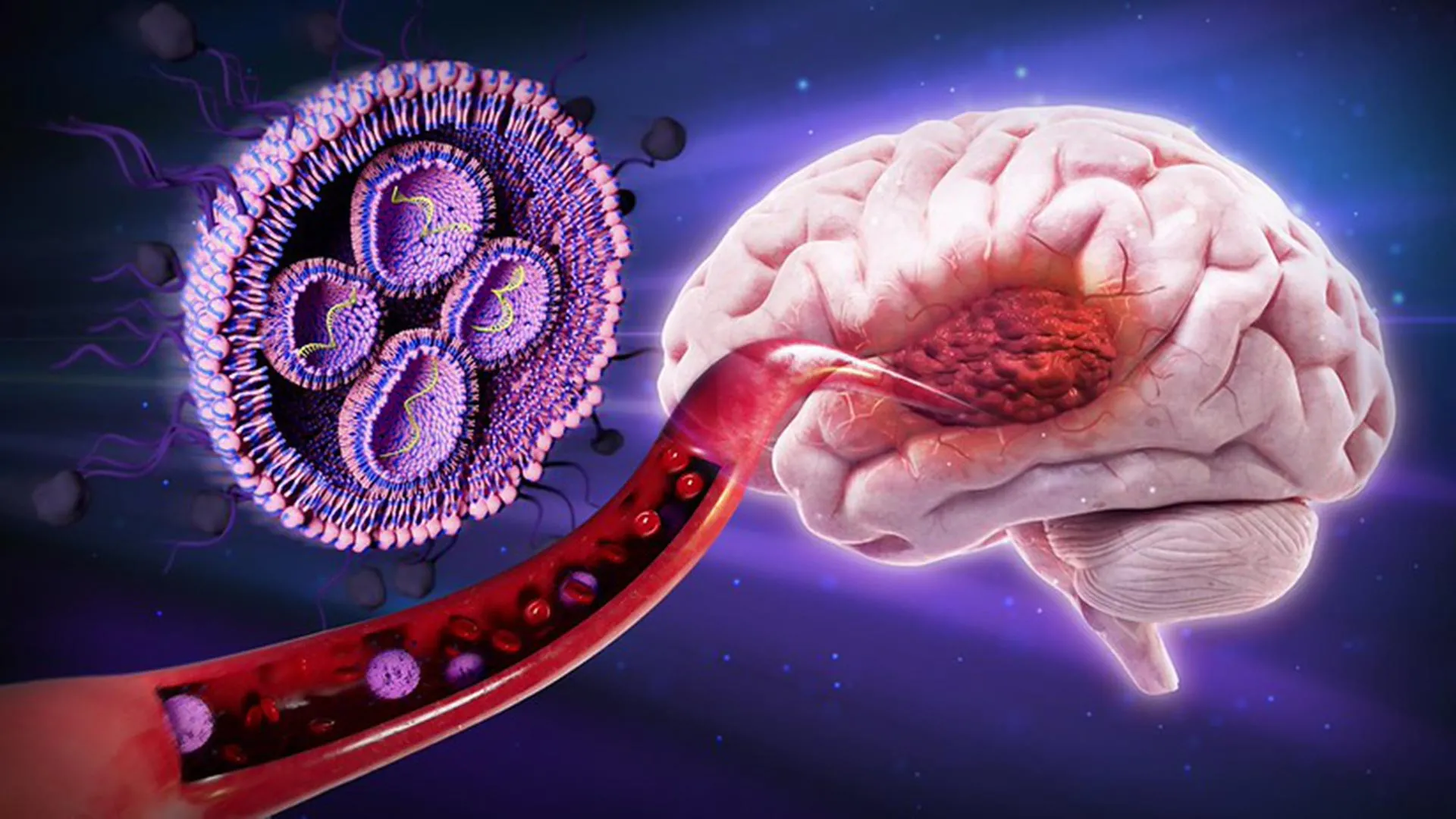
In a significant advancement for neuro-oncology, a multidisciplinary team of researchers at Oregon State University (OSU) has announced the development of a novel experimental strategy designed to penetrate the blood-brain barrier and deliver life-saving genetic therapy to glioblastoma cells. This breakthrough, detailed in the Journal of Controlled Release, addresses one of the most formidable challenges in modern medicine: the treatment of glioblastoma multiforme (GBM), a primary brain cancer characterized by its rapid progression and extreme resistance to conventional therapies. Currently, the prognosis for patients diagnosed with this malignancy remains grim, with fewer than 30% of patients surviving more than two years and a five-year survival rate that plummets to less than 5%.
The research, spearheaded by Professors Oleh Taratula, Olena Taratula, and Yoon Tae Goo from the OSU College of Pharmacy, utilizes lipid nanoparticles (LNPs) engineered with a unique "sugar coating" to deceive the brain’s protective mechanisms. By leveraging the tumor’s own metabolic hunger, the team has successfully demonstrated a method to deliver tumor-suppressing messenger RNA (mRNA) directly into the heart of the malignancy, resulting in a 50% increase in median survival times in preclinical mouse models.
The Biological Barrier: The Challenge of Glioblastoma Treatment
Glioblastoma is the most common and aggressive primary brain tumor in adults. Its lethality stems from its highly infiltrative nature, meaning tumor cells often weave themselves into healthy brain tissue, making complete surgical resection nearly impossible. Furthermore, the brain is protected by the blood-brain barrier (BBB), a physiological "gatekeeper" composed of tightly packed endothelial cells, pericytes, and astrocytes. While the BBB is essential for protecting the central nervous system from toxins and pathogens circulating in the blood, it also serves as a nearly impenetrable wall for over 98% of small-molecule drugs and nearly 100% of large-molecule biologics, including many chemotherapies.
For decades, the standard of care—consisting of surgical debulking followed by radiation and the chemotherapy drug temozolomide—has seen little innovation. The fundamental problem has always been two-fold: achieving sufficient therapeutic concentrations within the brain without causing systemic toxicity, and ensuring that the treatment specifically targets cancerous cells while sparing the surrounding delicate neural architecture.
The Innovation: A "Trojan Horse" Strategy Using Mannose
The OSU researchers turned to nanomedicine to solve the delivery dilemma. They developed lipid nanoparticles—microscopic fatty spheres—that encapsulate genetic material. The innovation lies in the exterior of these particles. The team coated the nanoparticles with mannose, a type of sugar that is chemically similar to glucose.
The brain is an energy-intensive organ that relies almost exclusively on glucose for fuel. To transport glucose across the blood-brain barrier, the body utilizes a specialized transporter protein called GLUT1. Because mannose is structurally related to glucose, the GLUT1 transporters recognize the mannose-coated nanoparticles and usher them across the barrier, effectively acting as a "Trojan Horse."
Oleh Taratula, one of the study’s lead authors, explained that the primary hurdle in this approach was competition. "Blood contains relatively high concentrations of glucose, and that’s what the nanoparticles are competing against for GLUT1’s attention," Taratula noted. "For the nanoparticles to get it, they need a densely coated sugar surface, and that’s our central innovation. By chemically connecting mannose to cholesterol, a major structural component of the nanoparticles, we improved surface coverage sixfold."
This high-density coating ensures that the nanoparticles have a higher affinity for the GLUT1 transporters than the surrounding free-floating glucose, allowing for efficient passage into the brain’s parenchyma.
Restoring the "Brakes": Delivering PTEN mRNA
Once the nanoparticles successfully cross the blood-brain barrier, they must find and enter the tumor cells. Glioblastoma cells exhibit a phenomenon known as the Warburg effect, where they undergo metabolic reprogramming to consume vast amounts of glucose to fuel their rapid division. Consequently, glioblastoma cells express GLUT1 transporters at levels approximately three times higher than normal brain tissue. This disparity allows the mannose-coated nanoparticles to preferentially accumulate within the tumor mass.
The "cargo" carried by these nanoparticles is messenger RNA (mRNA) designed to produce PTEN (Phosphatase and tensin homolog). PTEN is a critical tumor-suppressor protein that acts as a biological "brake," preventing cells from growing and dividing too rapidly. In the vast majority of glioblastoma cases, the gene responsible for producing PTEN is either mutated, deleted, or silenced, allowing the cancer to grow unchecked.
By delivering the mRNA blueprint for PTEN directly into the tumor cells, the researchers are essentially "re-arming" the cells with the instructions they need to stop their own malignant growth. To ensure the fragile mRNA remains intact during its journey through the bloodstream and into the cell, the team incorporated a positively charged cholesterol derivative. This derivative creates a stable electrostatic bond with the negatively charged mRNA, shielding it from enzymatic degradation.
Preclinical Results and Safety Profile
The efficacy of the strategy was tested in a rigorous mouse model of glioblastoma. The results were statistically significant and highly promising. Mice treated with the sugar-coated, PTEN-loaded nanoparticles saw their median survival time increase by 50% compared to control groups. Furthermore, the researchers observed visible tumor shrinkage through imaging.
Critically, the treatment appeared to be safe. One of the primary concerns with nanoparticle-based therapies is "off-target toxicity," where the treatment accumulates in and damages organs like the liver, kidneys, or lungs. However, the OSU study reported no measurable organ toxicity even after repeated dosing.
"Restoring PTEN expression in tumor cells reinstates growth control," said Olena Taratula. "The particles preferentially accumulate in tumor tissue after crossing the blood-brain barrier due to the overexpression of GLUT1. This dual-targeting approach—targeting the BBB first and then the tumor cells specifically—minimizes the risk to healthy brain tissue."
Chronology of Development and Collaborative Efforts
The development of this technology is the result of years of iterative research into lipid chemistry and RNA delivery. The project began with the identification of the GLUT1 transporter as a viable target for brain delivery. Early stages of the research focused on optimizing the chemical linkage between mannose and cholesterol to ensure the nanoparticles remained stable in the bloodstream.
Following the successful synthesis of the mannose-cholesterol conjugate, the team transitioned to in vitro (cell culture) testing to verify that glioblastoma cells would indeed uptake the particles and translate the mRNA into functional PTEN protein. The final phase, which led to the recent publication, involved the complex in vivo (animal) studies required to prove that the particles could navigate the circulatory system and cross the physiological blood-brain barrier.
The study was a collaborative effort within the OSU College of Pharmacy, involving researchers Vincent Cataldi, Vladislav Grigoriev, Neera Yadav, Tetiana Korzun, Chao Wang, and Adam Alani. The work was supported by several prestigious institutions, including the National Cancer Institute (NCI) of the National Institutes of Health, the Eunice Kennedy Shriver National Institute of Child Health and Human Development, and the National Research Foundation of Korea.
The Broader Context: Glioblastoma Statistics and Demographics
The urgency for new treatments is underscored by the epidemiology of the disease. In the United States, glioblastoma affects approximately 3.19 people per 100,000 annually. While it is a relatively rare cancer compared to breast or lung cancer, its impact is disproportionately devastating due to its mortality rate.
Data indicates that glioblastoma occurs more frequently in males than in females and is most commonly diagnosed in older adults, with a median age of 64 at the time of diagnosis. Despite decades of research into immunotherapy, viral therapy, and targeted molecular inhibitors, the "gold standard" of treatment has remained largely stagnant since the mid-2000s. The OSU research represents a departure from traditional "kill-all" chemotherapy, moving instead toward a "restorative" approach that fixes the underlying genetic failures of the cancer cell.
Implications for the Future of Neuro-Oncology
The implications of this research extend beyond glioblastoma. If a mannose-coated nanoparticle can successfully ferry mRNA across the blood-brain barrier, the same platform could potentially be used to deliver other therapeutic agents for a variety of neurological conditions. This could include proteins for Alzheimer’s disease, enzymes for lysosomal storage disorders, or different genetic instructions for other types of brain tumors.
Furthermore, the success of mRNA technology in the context of the COVID-19 vaccines has paved the way for a more rapid regulatory and manufacturing path for RNA-based therapeutics. The OSU team’s work demonstrates that mRNA is not just a tool for vaccination but a potent medium for internal cellular repair.
However, researchers caution that while the mouse model results are a vital milestone, the transition to human clinical trials involves significant hurdles. Human brains are far more complex than those of mice, and the scale of the blood-brain barrier is vastly different. Future studies will need to determine the optimal dosage for humans, the frequency of administration, and whether the treatment can be effectively combined with existing therapies like radiation to create a synergistic effect.
Analysis of Potential Market and Clinical Impact
The development of an effective glioblastoma treatment would represent a major shift in the oncology market and clinical practice. Currently, the economic burden of glioblastoma is high, driven by frequent hospitalizations, intensive surgical interventions, and the high cost of end-of-life care. A targeted, low-toxicity treatment could potentially reduce the need for repeated surgeries and improve the quality of life for patients who currently face debilitating side effects from systemic chemotherapy.
From a clinical perspective, the ability to "re-program" tumors using mRNA offers a level of precision medicine previously thought unattainable in the brain. If subsequent trials mirror the 50% survival increase seen in mice, it would represent one of the most significant jumps in glioblastoma survival rates in history.
The OSU College of Pharmacy team is expected to continue refining the nanoparticle formulation, with the next steps likely involving larger animal models to further validate safety and efficacy before seeking FDA approval for Phase I human clinical trials. As the scientific community watches closely, this "sugar-coated" innovation stands as a beacon of hope for thousands of families affected by the world’s most aggressive brain cancer.
