
 By admin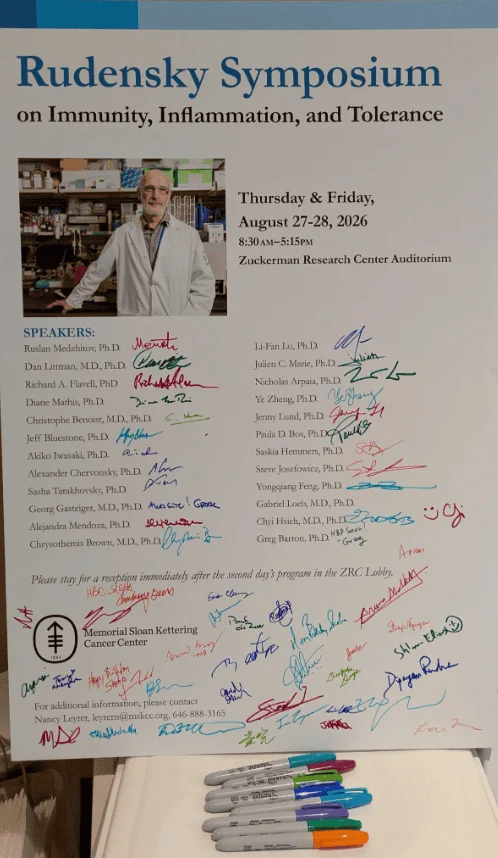
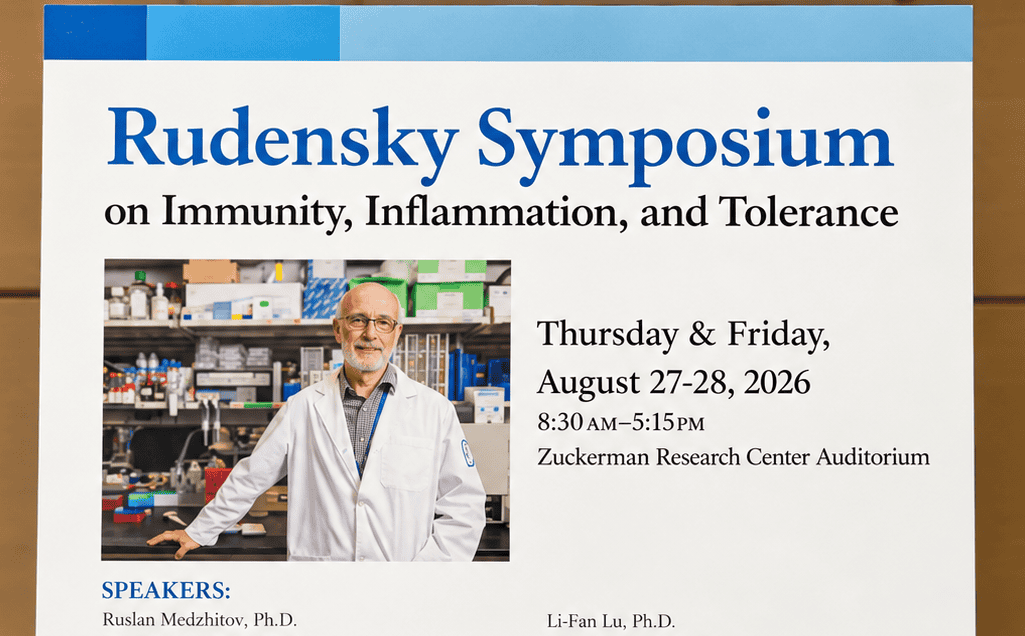
The Rudensky Symposium on Immunity, Inflammation and Tolerance, held on August 27–28, 2026, transcended the typical format of a scientific conference, serving as both a rigorous academic exchange and a profound celebration of a scientific luminary. Hosted in honor of the 70th birthday of Dr. Alexander “Sasha” Rudensky, PhD, a distinguished investigator at Memorial Sloan Kettering Cancer Center (MSKCC), the two-day event brought together an extraordinary assembly of his former trainees, long-standing collaborators, and esteemed colleagues. Their relationships, spanning decades, underscored the deep personal and professional bonds forged in the pursuit of scientific discovery. Throughout the symposium, cutting-edge scientific presentations were thoughtfully interwoven with shared anecdotes and cherished memories, painting a vivid picture of the profound mentorship and enduring friendships that have shaped countless lives and careers within the immunology community.
A Legacy of Discovery and Mentorship Supported by CRI
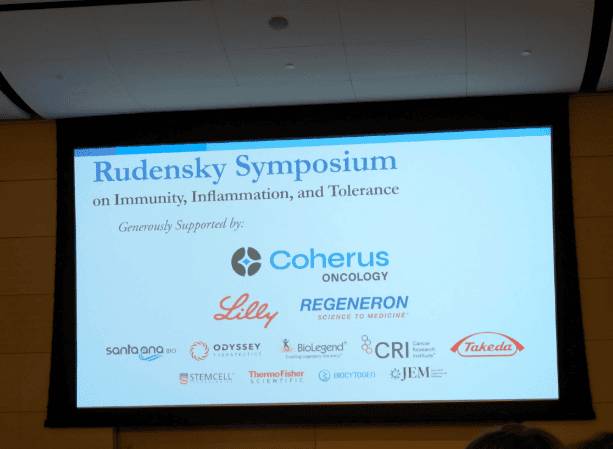
The Cancer Research Institute (CRI) proudly stood as a key supporter of this pivotal symposium, celebrating Dr. Rudensky not only as a titan in immunology but also as a valued member of its Scientific Advisory Council (SAC). For more than two decades, CRI has been a steadfast champion of Dr. Rudensky’s groundbreaking research and his unparalleled commitment to nurturing the next generation of scientists. This enduring partnership has included financial backing for his laboratory, facilitating the work of over a dozen CRI-funded fellows who have trained under his direct guidance. These fellows, now leaders in their own right, represent a direct legacy of CRI’s investment in both innovative science and the people who drive it forward.
Dr. Rudensky’s indelible contributions to the field were formally recognized in 2015 when he received the prestigious CRI William B. Coley Award for his pioneering work on regulatory T cells, or Tregs. These specialized immune cells are critical to maintaining immune homeostasis, acting as natural brakes on the immune system to prevent excessive responses that could lead to autoimmunity or tissue damage. His foundational research illuminated how Tregs function to protect healthy tissues while also revealing their complex roles in contexts ranging from infection to cancer. The Coley Award, named after the father of cancer immunotherapy, Dr. William B. Coley, is among the highest honors in cancer immunology, recognizing scientists who have made seminal discoveries that have significantly advanced the field. Dr. Rudensky’s selection underscored the profound impact of his work on understanding immune tolerance, a concept now recognized as fundamental to harnessing the immune system against cancer.
CRI’s deep connections within this scientific community, as evidenced by its long-standing support for Dr. Rudensky and many other luminaries present at the symposium, reflect a strategic and unwavering commitment. The institute has consistently championed the funding of basic immunology research in parallel with targeted cancer immunology. This holistic approach is rooted in the fundamental belief that a comprehensive understanding of how the immune system operates in its healthy state is indispensable for deciphering how to effectively manipulate and harness it to detect, treat, and ultimately prevent cancer. Attendees at the symposium noted the tangible manifestation of CRI’s mission, observing how foundational discoveries, often sparked by questions seemingly unrelated to oncology, frequently lay the groundwork for transformative cancer therapies.
Interconnected Pathways: From Homeostasis to Cancer
A central, unifying theme emerged across the symposium’s diverse scientific discussions, which spanned topics as varied as tissue repair mechanisms, the intricate world of the gut microbiome, the nuances of immune tolerance, and the complexities of cancer development. This common thread revealed that the very processes meticulously designed by evolution to maintain healthy tissues in a state of delicate balance—or "homeostasis"—are also the same fundamental mechanisms that critically influence how cancer initiates, progresses, metastasizes, and ultimately responds to therapeutic interventions. Understanding these profound connections is actively paving the way for entirely new directions in cancer prevention and therapy, often stemming from groundbreaking discoveries that initially began with a different biological question, far removed from the direct study of malignancy.
Basic Science Illuminates Tissue Equilibrium
Several presentations at the symposium highlighted the critical role of basic science, commencing with questions not explicitly focused on cancer, yet ultimately revealing profound principles directly relevant to oncology. Dr. Ruslan Medzhitov, a distinguished CRI scientist and 2003 CRI Coley Awardee, presented compelling research detailing how stressed cells within tissues may actively recruit macrophages. These immune cells, traditionally viewed primarily as defenders against infection, appear to assume a novel role as sophisticated "tissue maintenance crews," diligently working to remove damaged protein "garbage." This revelation suggests a fundamental, previously underappreciated function of immune cells in maintaining tissue integrity and health, a role that could have significant implications for understanding chronic diseases, aging, and even the early stages of cancer development where cellular stress is rampant.
The symposium further underscored that the functions of Tregs, Dr. Rudensky’s primary focus, extend far beyond their well-established role in merely suppressing immune responses. Dr. Diane Mathis, also a highly regarded CRI scientist and a 2024 CRI Coley Awardee, presented her groundbreaking work on distinct populations of Tregs that actively contribute to tissue repair. Specifically, her research demonstrated how these specialized Tregs help injured muscle control inflammation, guide the intricate process of regeneration, and crucially, limit excessive scarring. Complementing this, Dr. Christophe Benoist, another eminent CRI scientist and co-recipient of the 2024 CRI Coley Award with Dr. Mathis, showcased research indicating that the specific molecular target a Treg recognizes can fundamentally determine its unique identity and diverse functions. These insights collectively deepen our understanding of Treg heterogeneity and their multifaceted roles in maintaining not just immune tolerance, but overall tissue health and repair. The importance of these findings is paramount, as precise immune restraint is a biological imperative. Insufficient regulation can lead to devastating autoimmunity and widespread tissue damage, while excessive immune suppression can inadvertently provide a fertile ground for cancer cells to evade detection and proliferate unchecked.
Pioneering Immunoprevention: Can Immunity Act Before Cancer Takes Hold?
A fascinating dimension of the symposium explored the immune system’s potential to intervene even before a visible tumor manifests. Dr. Richard A. Flavell, a distinguished CRI scientist and 2012 CRI Coley Awardee, delved into the mechanisms of early cancer immunosurveillance. His research involved studying mutant intestinal stem cells in mouse models, specifically focusing on a cancer-linked BRAF mutation, before any overt tumor existed. His compelling findings demonstrated that while cells carrying this BRAF mutation gained a competitive survival advantage, a significant proportion were still eliminated, suggesting an active immune-mediated clearance mechanism.
These preclinical experiments offered powerful evidence that immune recognition plays a decisive role in determining which abnormal cells survive and expand in the earliest stages of oncogenesis. Critically, when these mutant cells were engineered to lose a key molecule involved in communicating with T cells, they exhibited a much higher propensity to proliferate and take over the small, highly competitive compartments where intestinal stem cells reside. Furthermore, Dr. Flavell’s work implicated both Tregs and the immune signaling molecule IL-10 in helping to restrain the expansion of these early mutant clones. This preclinical work, while not yet translated to human therapies, presents a powerful conceptual framework: the immune system may profoundly influence cancer development from the very moment a potentially dangerous cell begins to compete with its normal neighbors, opening avenues for future immunoprevention strategies.
Approaching the complex inflammation-cancer connection from a different yet complementary angle, Dr. Julien C. Marie, PhD, presented research highlighting the delicate balance required for intestinal immune health. In mouse models, disrupting a crucial regulatory signal known as TGF-β was shown to push intestinal Th17 cells, another type of immune cell, into a persistently inflammatory state. This chronic inflammation was directly associated with localized DNA damage, a known precursor to cancer, and eventually led to the development of malignancy. Crucially, Dr. Marie’s team demonstrated that restoring the TGF-β signal could reverse key aspects of this harmful inflammatory state, suggesting that even deeply entrenched inflammatory programs associated with cancer development might retain a degree of flexibility and could potentially be modulated therapeutically.
The Tumor Ecosystem: Beyond Individual Cells
The symposium also broadened its scope to consider cancer not merely as a disease of rogue cells, but as an intricate interplay within a wider ecosystem. Dr. Dan Littman, a prominent CRI SAC member and 2016 CRI Coley Awardee, presented his groundbreaking work connecting the gut microbiome to the efficacy of cancer immunotherapy. His preclinical research explored in detail how commensal gut bacteria actively "train" T cells, influencing their development and functional characteristics, and critically, how these microbial communities profoundly shape responses to checkpoint immunotherapy. This research illustrates a remarkable biological principle: an immune response initiated and shaped within the intestine can exert systemic effects, influencing cancer progression and therapeutic outcomes in distant parts of the body, highlighting the gut-brain-immune axis’s relevance to oncology.
Further illustrating the complexity of the tumor microenvironment (TME), Dr. Paula D. Bos, PhD, showcased research on how Tregs can influence breast cancer progression through their interactions with macrophages and the physical scaffolding surrounding a tumor. Her team’s work demonstrated that temporarily depleting Tregs in mouse tumors shifted local macrophages toward a more tumor-fighting (anti-tumorigenic) state. Concurrently, this intervention disrupted the highly aligned collagen fibers that often form "highways" for cancer cell escape and metastasis. Subsequently, mice treated in this manner exhibited significantly fewer circulating tumor cells and reduced metastatic disease. Dr. Bos emphasized that the overarching goal is not a broad, indiscriminate elimination of Tregs, which could lead to severe autoimmune responses, but rather to use these experiments to reveal more specific, targeted ways to influence macrophage behavior and precisely impede tumor spread without compromising systemic immune tolerance.
Continuing the exploration of immune-suppressive tumor neighborhoods, Dr. Nicholas Arpaia, PhD, presented his group’s identification of a specific fibroblast population that actively recruits suppressive Tregs around lung tumors. This discovery provides a new cellular target for potentially disrupting tumor-promoting immune suppression. Dr. Arpaia also detailed innovative work developed in collaboration with CRI Lloyd J. Old STAR, Dr. Tal Danino, PhD. Their joint efforts focus on engineering bacteria to deliver immunomodulatory therapies directly inside tumors, thereby concentrating potent immune-activating treatments precisely where they are needed most, minimizing systemic side effects, and enhancing therapeutic efficacy. These synergistic approaches underscore the growing understanding that effective cancer therapy requires manipulating not just the cancer cells themselves, but also the complex cellular and structural ecosystem in which they reside.
Progress Forged Through People and Perseverance
The Rudensky Symposium on Immunity, Inflammation and Tolerance served as a powerful testament to the intricate journey of scientific progress. It eloquently demonstrated how transformative advances in cancer research are not isolated events but rather the cumulative outcome of pursuing fundamental questions about immune cells, tissue dynamics, and their complex interactions. Beyond the scientific data, the symposium vividly illustrated how true progress in science is inextricably linked to the human elements of dedicated mentorship, open collaboration, the courage for rigorous intellectual disagreement, and critically, the freedom to pursue questions whose immediate clinical relevance may not be immediately obvious.
Seeing generations of scientists—from established luminaries to emerging leaders—gathered in one room made the "ripple effect" of Dr. Rudensky’s influence palpably tangible. The visible display of a symposium poster board, signed by his vast "Research Family," served as a poignant symbol of the enduring connections forged in his laboratory and beyond. For more than 70 years, the Cancer Research Institute has been a foundational investor in this very ecosystem of discovery, steadfastly supporting both the cutting-edge science and, just as crucially, the exceptional people who are dedicated to carrying it forward. The Rudensky Symposium brought this long-term commitment vividly to life: witnessing former trainees evolve into esteemed mentors, observing how foundational discoveries in basic immunology inform entirely new fields of cancer research, and celebrating the intricate web of collaborations that connect fundamental scientific questions to the ultimate, shared goal of profoundly improving patients’ lives. This confluence of intellectual rigor and personal tribute underscored that while science unveils the mysteries of life, it is ultimately human connection and shared purpose that drive its most profound impact.
