
 By Budi Oetomo Narendra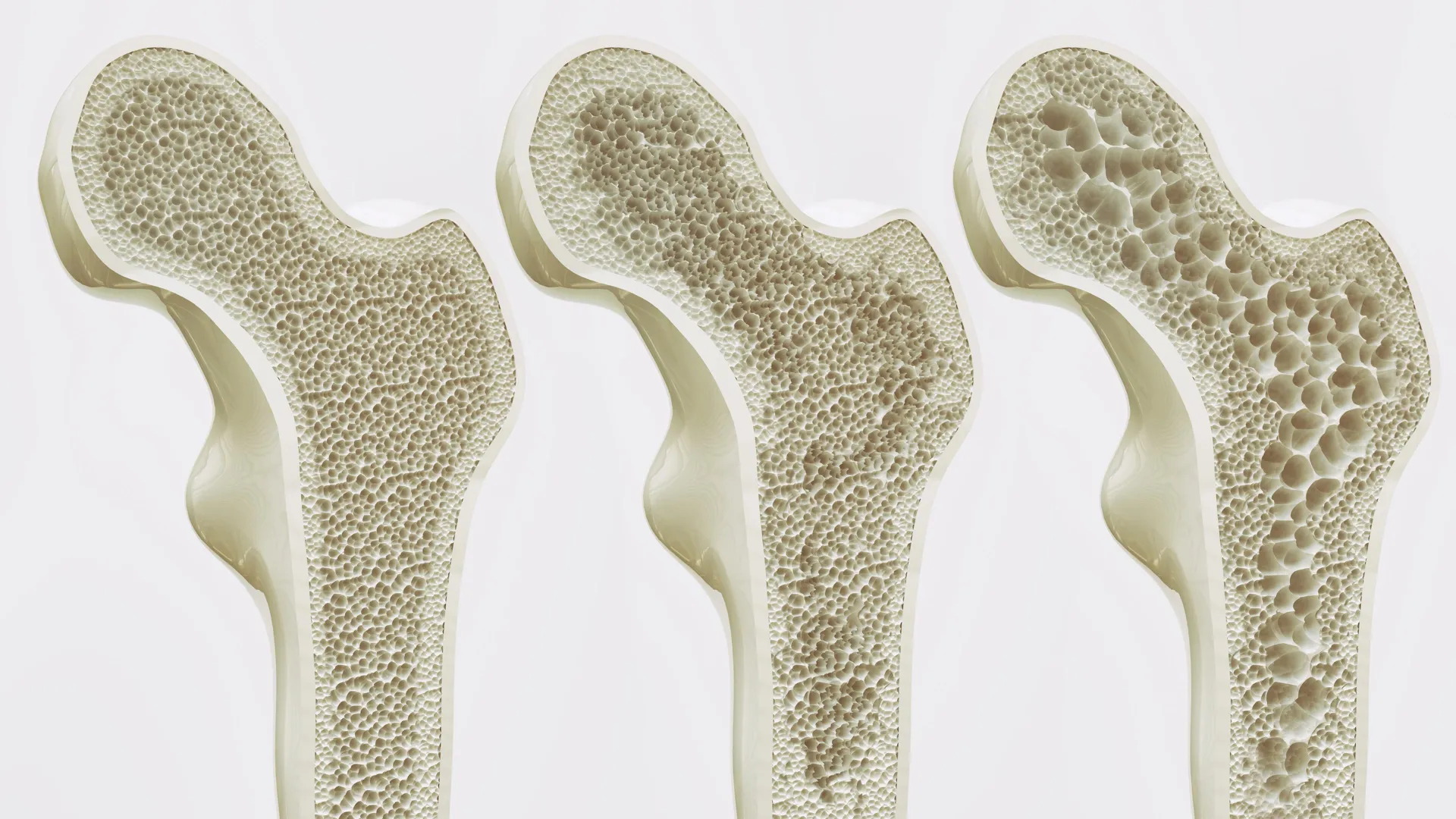
A landmark systematic review and meta-analysis published in The BMJ has cast significant doubt on the widespread practice of routinely recommending calcium and vitamin D supplements to most older adults for the prevention of falls and broken bones. The extensive analysis, which synthesized data from 69 randomized controlled trials involving over 153,000 participants, concludes that these popular supplements offer little to no clinically meaningful protection for the general older population. This finding necessitates a critical re-evaluation of current clinical guidelines and public health recommendations that have long endorsed these supplements as a cornerstone of bone health maintenance.
The Pervasive Challenge of Falls and Fractures in Aging Populations
Falls represent a critical public health challenge, particularly among the elderly. Statistics from organizations like the Centers for Disease Control and Prevention (CDC) and the World Health Organization (WHO) consistently highlight the alarming prevalence: approximately one in three adults aged 65 and older experiences a fall each year. The consequences are often severe, ranging from minor injuries to debilitating fractures, particularly hip fractures, which carry a significant risk of mortality and long-term disability. Annually, over 300,000 older adults are hospitalized for hip fractures in the United States alone. Beyond the immediate physical trauma, falls and fractures frequently lead to chronic pain, a profound loss of independence, reduced quality of life, and in many cases, necessitate a transition to residential care. The economic burden is also staggering; in the U.S., medical costs for falls exceeded $50 billion in 2015, a figure projected to rise substantially with an aging global population. Given these profound impacts, identifying truly effective strategies for preventing falls and fractures remains a top priority for healthcare systems worldwide.
A Longstanding Belief Under Scrutiny: The Role of Calcium and Vitamin D
The association between calcium, vitamin D, and bone health is deeply ingrained in both medical understanding and public perception. Calcium is undeniably the primary structural component of bone, providing its strength and rigidity. Vitamin D, meanwhile, plays a crucial role in regulating calcium and phosphate absorption in the gut, thereby supporting normal bone mineralization and metabolism. For decades, the logical conclusion was that supplementing these vital nutrients would fortify bones, reduce fragility, and subsequently lower the risk of fractures. This belief was further bolstered by initial observational studies and biological plausibility, leading to widespread recommendations from clinicians, national health guidelines, and regulatory bodies across various countries.
The timeline of these recommendations has seen some evolution, yet the core message has largely persisted. In the early 2000s, for instance, many guidelines began to formally recommend specific daily intakes of calcium and vitamin D for older adults, often suggesting supplementation to meet these targets. Prescriptions for vitamin D supplements, whether alone or in combination with calcium, have consequently seen a substantial rise over the past two decades, reflecting the broad acceptance and clinical integration of this preventive strategy. Despite this widespread adoption, previous evidence reviews have yielded inconsistent results, particularly concerning the efficacy of calcium or vitamin D taken alone in reducing fracture risk. While combined supplementation sometimes showed more promising, albeit still equivocal, outcomes, a definitive consensus on their overall effectiveness in preventing both fractures and falls remained elusive. This persistent uncertainty underscored the urgent need for a robust, comprehensive synthesis of the available evidence.
Rigorous Methodology: Examining 69 Randomized Controlled Trials
To provide a clearer, more definitive picture, a team of researchers in Canada embarked on this extensive systematic review and meta-analysis. Their methodology focused exclusively on randomized controlled trials (RCTs), considered the gold standard in clinical research due to their ability to minimize bias and establish cause-and-effect relationships. By randomly assigning participants to either a treatment group (receiving supplements) or a control group (receiving a placebo or no treatment), RCTs help researchers isolate the effect of the intervention from other confounding factors.
The review encompassed a vast dataset, analyzing findings from 69 distinct RCTs involving a remarkable total of 153,902 older adults. The trials compared various supplement regimens: calcium alone, vitamin D alone, or a combination of both, against either a placebo or no active treatment. The primary outcomes of interest were the incidence of fractures (any fracture, hip fracture specifically) and falls. To ensure the reliability of their conclusions, the research team meticulously assessed the risk of bias within each individual study and rigorously evaluated the certainty of the evidence for each outcome using established research methods, such as the GRADE (Grading of Recommendations Assessment, Development and Evaluation) approach. This methodical approach allowed them to draw conclusions with varying degrees of confidence, from low to high certainty.
Little to No Meaningful Protection: The Core Findings
After establishing clear thresholds for what would constitute a clinically meaningful benefit – a critical step often overlooked in less rigorous reviews – the researchers found a consistent pattern across all analyses: calcium and vitamin D supplementation, whether alone or combined, offered little to no significant effect on reducing the chance of experiencing falls or fractures for most older adults.
- Calcium Supplements: Based on moderate certainty evidence from 11 trials involving 9,067 participants, calcium supplements alone showed little to no meaningful effect on fracture prevention.
- Vitamin D Supplements: The evidence for vitamin D alone was even stronger, with high certainty evidence derived from 36 trials involving 92,045 participants, also indicating little to no meaningful benefit for fracture prevention.
- Combined Calcium and Vitamin D: Even when taken together, the popular combination of calcium and vitamin D yielded high certainty evidence from 15 trials involving 51,126 participants, yet it, too, demonstrated little to no meaningful effect on fracture reduction.
This consistent pattern extended to more specific and severe outcomes. When researchers specifically examined hip fractures – often considered the most devastating type of osteoporotic fracture – the results remained largely unchanged. Calcium, vitamin D, and combined supplementation all appeared to have little to no effect, with the evidence rated as moderate to high certainty. Similarly, the review found no significant reduction in the incidence of falls across any of the supplementation categories.
Important Nuances and Crucial Exceptions
While the overall conclusions are robust, the researchers were careful to highlight important nuances and exceptions. They cautioned that some parts of their analysis involved relatively smaller numbers of trials or participants, meaning those specific findings should be interpreted with a degree of prudence. More importantly, the conclusions drawn from this broad population review may not apply universally to everyone.
Specifically, individuals with diagnosed bone disorders such as severe osteoporosis, or those undergoing treatment with specific medications for osteoporosis (e.g., bisphosphonates, denosumab), may have unique nutritional requirements and pathophysiological conditions that necessitate targeted supplementation. Similarly, individuals with severe vitamin D deficiency, typically defined as serum 25-hydroxyvitamin D levels below 20 ng/mL (50 nmol/L), may still benefit from supplementation to restore their levels to a healthy range, though the BMJ review primarily addressed supplementation for prevention rather than correction of severe deficiency. Clinicians are therefore advised to exercise judgment and consider individual patient profiles, co-morbidities, and existing medication regimens before altering current treatment plans. The study’s conclusions remained broadly consistent even when accounting for various demographic and health factors, including age, sex, a history of previous fractures, previous falls, and average calcium intake from dietary sources, which further strengthens confidence in the overall findings for the general older adult population.
A Call for Re-evaluation: Implications for Guidelines and Clinical Practice
The implications of this comprehensive review are substantial, prompting a direct challenge to established medical practices and public health directives. Based on their compelling findings, the researchers unequivocally state that the evidence "does not support routine supplementation with calcium or vitamin D, or combined supplementation to prevent fractures and falls" in the general older adult population.
This statement serves as a potent call to action. The authors strongly recommend that clinicians, guideline development panels, and regulatory agencies worldwide "should re-evaluate their general recommendations for calcium and vitamin D supplementation in light of current evidence." This re-evaluation is crucial not only to ensure that medical advice is aligned with the most current and robust scientific data but also to prevent unnecessary healthcare expenditures and potential patient disappointment or confusion. For instance, the U.S. Preventive Services Task Force (USPSTF) currently recommends against daily supplementation with 400 IU or less of vitamin D and 1000 mg or less of calcium for the primary prevention of fractures in postmenopausal women, but it finds insufficient evidence to assess higher doses. The BMJ review provides strong evidence to further inform such guidelines. The European Society for Clinical and Economic Aspects of Osteoporosis and Osteoarthritis (ESCEO) and the International Osteoporosis Foundation (IOF) currently recommend calcium and vitamin D for osteoporosis management, which may also need to be nuanced in light of these findings.
An accompanying editorial in The BMJ echoes this sentiment, emphasizing that while the current review provides significant clarity, more rigorous and adequately powered trials are still needed to precisely determine whether specific, high-risk subgroups might indeed derive a meaningful benefit from supplementation. This highlights the ongoing evolution of medical knowledge and the need for continuous research.
Shifting Focus: Exercise and Multi-Component Strategies Offer Proven Benefits
In light of the diminishing returns observed for routine supplementation, the editorial authors propose a critical shift in attention and funding towards interventions that have already demonstrated clear and meaningful benefits in preventing falls and related injuries. This redirection of resources is crucial for maximizing public health impact.
Foremost among these proven strategies are physical activity interventions, specifically:
- Balance Training: Programs designed to improve balance and coordination can significantly reduce the risk of falls. These often include exercises like tai chi, single-leg stands, and dynamic balance movements.
- Resistance Exercise: Strength training helps to build and maintain muscle mass, which is vital for stability, power, and the ability to recover from a stumble. Strengthening major muscle groups in the legs, hips, and core is particularly beneficial.
- Multi-component Programs: The most effective fall prevention strategies often combine several approaches tailored to an individual’s specific risk factors. These can include:
- Comprehensive Exercise Regimens: Integrating balance, strength, and flexibility training.
- Home Hazard Assessment and Modification: Identifying and removing environmental risks in the home (e.g., loose rugs, poor lighting, cluttered pathways).
- Medication Review: Assessing and adjusting medications that may increase fall risk (e.g., sedatives, certain blood pressure medications).
- Vision Correction: Ensuring optimal vision through regular eye exams and appropriate corrective lenses.
- Patient Education: Empowering individuals with knowledge about fall risks and preventive behaviors.
Beyond structured programs, ensuring adequate dietary calcium intake through food sources (e.g., dairy products, fortified plant milks, leafy greens) and maintaining a healthy lifestyle that includes regular weight-bearing exercise, avoidance of smoking, and moderate alcohol consumption, remain foundational elements of bone health.
A Paradigm Shift for Bone Health
Ultimately, the findings from this comprehensive BMJ review represent a significant moment in the understanding of bone health and fall prevention in older adults. They suggest a necessary paradigm shift: the prevention of falls and fractures is a complex challenge that is unlikely to be solved by the simple addition of calcium or vitamin D supplements to a daily routine for most individuals. Instead, a more holistic, evidence-based approach centered on targeted physical activity, environmental modifications, and individualized risk assessment is emerging as the most effective path forward for safeguarding the health and independence of aging populations worldwide. This review serves as a powerful reminder that while nutritional supplements can play a role in specific circumstances, they are not a panacea, and public health efforts must prioritize interventions with demonstrated efficacy.
