
 By admin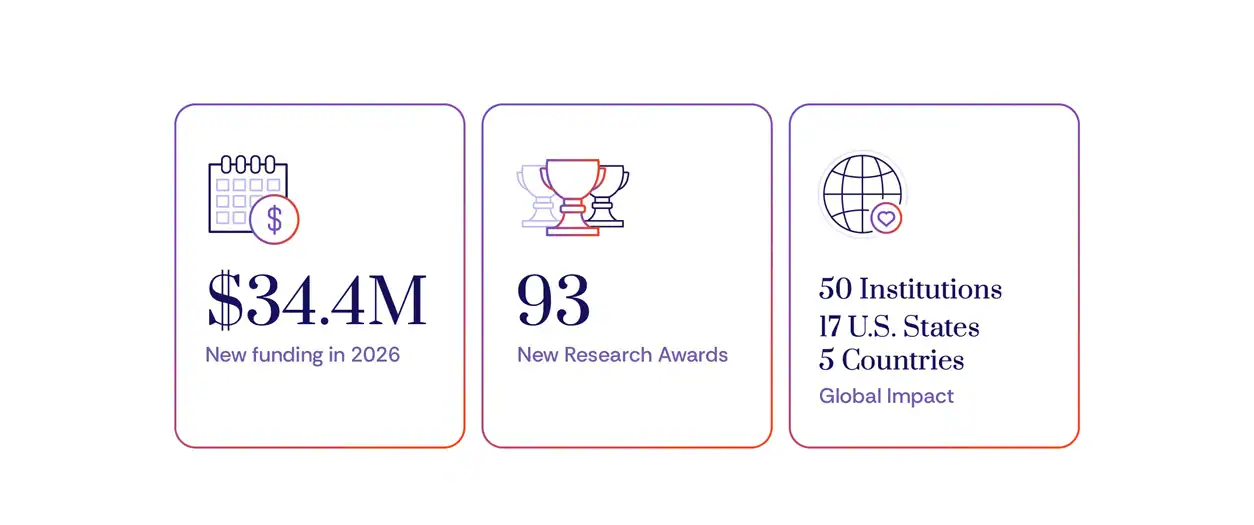
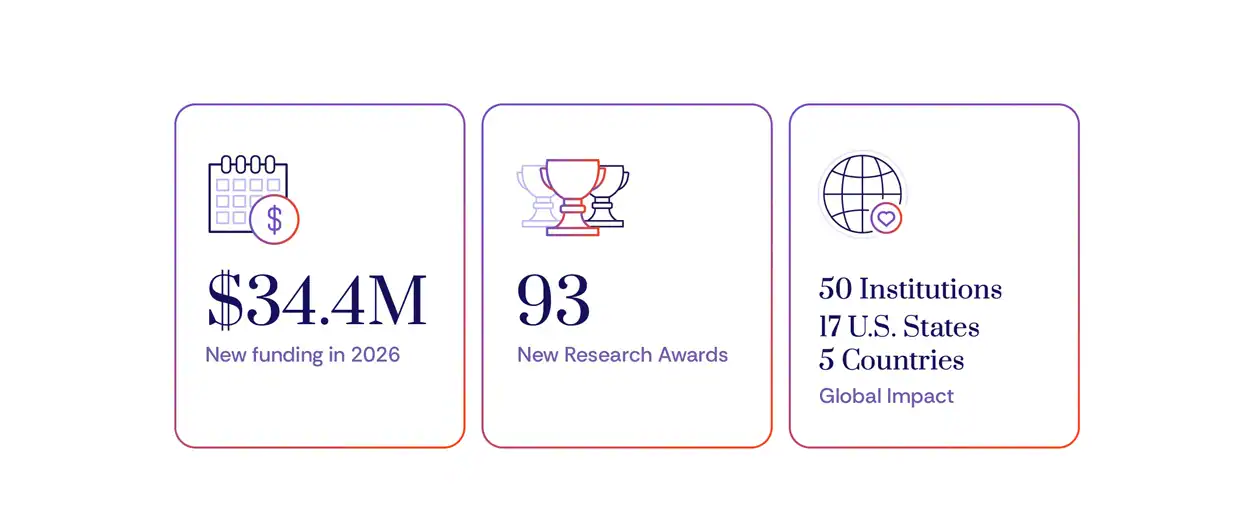
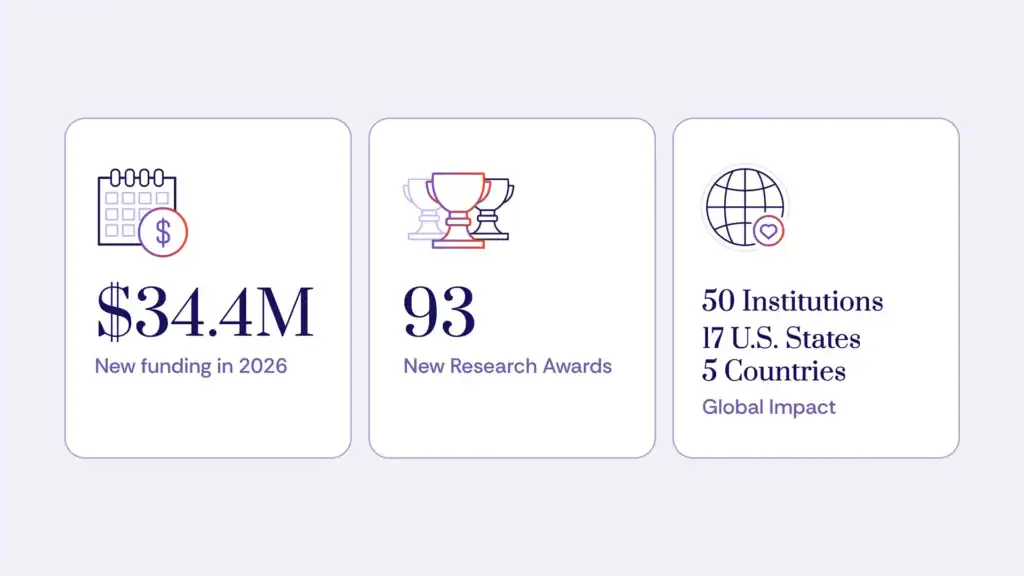
In a period marked by significant fiscal austerity and widespread funding cuts across the scientific landscape, the Cancer Research Institute (CRI) has announced a landmark commitment of $34.4 million in new funding for the fiscal year 2025–26. This unprecedented investment, distributed across 93 awards, represents CRI’s largest grantmaking year in its illustrious 70-year history, directly challenging a prevailing climate of uncertainty that has threatened the progress of critical biomedical research. The strategic decision by CRI to escalate its support for scientists comes as a stark contrast to the challenges faced by researchers nationwide, who have grappled with diminished resources and an increasingly precarious environment for securing vital grants. This bold move underscores CRI’s unwavering mission to accelerate breakthroughs in cancer immunotherapy, ensuring that innovative science not only endures but thrives even in the face of adversity.
The new funding will extend its reach to scientists stationed at 50 institutions across five countries and 17 states, reflecting a broad, international commitment to fostering a collaborative and robust research ecosystem. However, the sheer volume of these figures only begins to tell the story of the profound impact these investments are poised to have. Behind each awarded grant lies a dedicated scientist, driven by an urgent question, pushing the boundaries of knowledge. These recipients range from emerging talents launching their independent careers to established investigators leading ambitious programs that promise to redefine therapeutic paradigms in cancer treatment. At every critical juncture of their professional development, these researchers require more than just groundbreaking ideas; they need substantial financial resources, operational flexibility, and the steadfast confidence of funders prepared to invest in the transformative potential of their work. CRI’s record investment serves as a beacon of hope, providing the essential lifelines needed to translate laboratory discoveries into tangible benefits for patients worldwide.
Navigating the Funding Labyrinth: Challenges for Scientific Research
The fiscal year 2025–26 has been characterized by a confluence of economic pressures and shifting priorities that have created a particularly challenging environment for scientific research funding. Following a period of heightened investment in public health during the global pandemic, many governmental and institutional budgets have experienced contractions. This trend has been exacerbated by inflationary pressures, which diminish the purchasing power of existing grants, and a general tightening of capital in both public and private sectors. Research institutions, particularly those heavily reliant on federal grants from entities like the National Institutes of Health (NIH) and the National Cancer Institute (NCI), have reported increased competition for a shrinking pool of funds. This has led to lower success rates for grant applications and, in many cases, forced researchers to scale back ambitious projects or even postpone critical experiments.
For early-career scientists, this landscape presents an even more formidable barrier. The transition from a postdoctoral fellow to an independent principal investigator (PI) is widely recognized as one of the most perilous stages in a scientist’s journey, often termed the "valley of death" in academia. Aspiring PIs must not only establish their own laboratories and define original areas of investigation but also generate compelling preliminary data—often with limited resources—to compete for long-term, substantial funding. This period is fraught with vulnerability; promising ideas, despite their immense potential, can languish or be abandoned simply due to the difficulty of securing initial, flexible support. The intense competition, coupled with the administrative burdens of grant writing and the pressure to publish high-impact findings, can deter talented individuals from pursuing independent research careers, leading to a significant loss of potential innovation for the scientific community. CRI’s strategic focus on this vulnerable transition point aims to counteract these systemic challenges, ensuring that groundbreaking ideas do not stall due to a lack of early-stage investment.
A Legacy of Sustained Support: CRI’s Seventy-Year Commitment
For over seven decades, the Cancer Research Institute has stood as a vanguard in the fight against cancer, distinguished by its prescient investment in exceptional scientists before their greatest discoveries come to fruition. Established in 1953, CRI pioneered the concept of funding immunology research with the specific aim of harnessing the body’s own immune system to combat cancer. This visionary approach, initially met with skepticism, laid the groundwork for what is now one of the most transformative fields in oncology: cancer immunotherapy. Over the years, CRI has consistently provided researchers with the intellectual freedom to follow scientific curiosity and take the calculated risks that are often prerequisites for truly meaningful progress. This long-term, flexible support model has been instrumental in nurturing generations of scientific leaders and accelerating pivotal discoveries that have fundamentally altered cancer treatment paradigms.
The organization’s commitment is exemplified by a comprehensive continuum of support programs designed to foster scientific talent at every critical career stage. These programs ensure that a promising idea receives sustained backing from its nascent stages through to its potential clinical application. The journey often begins with CRI’s Postdoctoral Fellowships, which provide foundational support for emerging researchers to hone their expertise under established mentors, delving into novel areas of immunological research. These fellowships are crucial for cultivating the next generation of cancer immunologists, equipping them with the skills and knowledge necessary to embark on independent careers.
Building on this foundation, the newly launched CRI IGNITE Award represents a strategic intervention designed to bridge the precarious gap between postdoctoral training and establishing an independent research program. IGNITE, an acronym for "Inspiring Growth and Nurturing Independence Through Excellence," provides precisely the kind of catalytic support needed at this vulnerable juncture. It empowers talented researchers to establish their own laboratories, pursue bold, original questions, and generate the crucial preliminary data required to compete for larger, longer-term funding. This targeted investment is critical for retaining top talent in academia and ensuring that innovative ideas do not falter due to a lack of transitional support. Completing this spectrum of support are the prestigious CRI Lloyd J. Old STAR Awards, which grant established, world-renowned investigators the exceptional freedom and substantial resources to pursue high-risk, high-impact ideas that might be too unconventional for traditional funding mechanisms. Together, these interconnected programs form a robust pipeline, ensuring that exceptional individuals have the resources and opportunities to advance their groundbreaking work at the most pivotal moments of their careers.
Pioneering Immunotherapy: The Case of Dr. Simone Park
The profound impact of CRI’s sustained investment strategy is vividly illustrated by the journey of Dr. Simone Park, an inaugural recipient of the CRI IGNITE Award at the University of Pennsylvania. Dr. Park’s career trajectory is a testament to the power of continuous support from the earliest stages of scientific inquiry. CRI first recognized Dr. Park’s exceptional potential during her postdoctoral fellowship, providing her with the initial backing to explore innovative immunological concepts. Now, as she embarks on the critical next phase of her professional life, the IGNITE Award is instrumental in helping her establish and grow her independent research program.
Dr. Park’s cutting-edge research is centered on tissue-resident memory T cells (TRM cells)—specialized immune cells that take up long-term residence in various tissues throughout the body, including tumor sites. These TRM cells are increasingly recognized for their potential to provide durable, localized protection against pathogen recurrence and, critically, against cancer recurrence. Her work delves into a fundamental question: what mechanisms enable these TRM cells to persist within tissues for extended periods and continue to function as potent anti-tumor defenders? By unraveling the complex biology underlying the remarkable durability and effector functions of these cells, Dr. Park aims to identify novel strategies for enhancing their persistence and activity. The ultimate goal is to develop more robust and longer-lasting immune protection against cancer, potentially leading to breakthroughs in preventing relapse and improving long-term outcomes for patients. Her investigations could pave the way for new immunotherapeutic approaches, such as targeted cellular therapies or vaccines designed to specifically boost the function and longevity of TRM cells within tumor microenvironments.
Dr. Park’s success reflects more than an individual achievement; it underscores the immense value of supporting promising scientists comprehensively throughout their careers. From fostering their initial expertise and providing the environment for skill development to nurturing their independence and empowering them to lead their own laboratories, this holistic approach is crucial. Scientists like Dr. Park are not merely conducting experiments; they are shaping the future of cancer immunotherapy, driving the next wave of discoveries that will ultimately transform patient care. Without strategic, multi-stage funding mechanisms like those offered by CRI, many such brilliant minds might struggle to translate their early promise into independent, impactful research.
Beyond the Bench: A Comprehensive Ecosystem of Progress
CRI’s commitment to advancing cancer research extends far beyond the direct funding of individual scientific awards. The organization recognizes that accelerating discovery and translating complex biological insights into better treatments for patients requires a multifaceted, interconnected ecosystem of support. This broader commitment encompasses several critical areas:
- Advancing Clinical Studies: CRI actively supports innovative clinical trials designed to test novel immunotherapies, refine existing treatments, and explore combination therapies. This includes facilitating collaborations between academic institutions, industry partners, and regulatory bodies to expedite the translation of promising preclinical findings into human trials, ensuring that patients have access to cutting-edge therapeutic options.
- Developing Data Programs and Shared Resources: In the era of big data, the efficient collection, analysis, and sharing of research data are paramount. CRI invests in initiatives that build robust data platforms, create shared resources, and promote open science practices. These efforts enable researchers globally to access valuable datasets, validate findings, and accelerate discovery by leveraging collective knowledge and computational power.
- Equipping Scientists with New Computational Skills: Modern immunology and oncology are increasingly data-driven fields. CRI supports training programs and workshops that equip scientists with essential computational and bioinformatics skills, enabling them to effectively analyze complex genomic, proteomic, and clinical datasets. This ensures that researchers are adept at utilizing advanced analytical tools to extract meaningful insights from their experiments.
- Empowering Patients and Caregivers: Recognizing that scientific progress must ultimately serve those affected by cancer, CRI dedicates resources to providing trusted information and support to patients and caregivers navigating the complexities of cancer immunotherapy. This includes accessible educational materials, patient forums, and advocacy initiatives that empower individuals to make informed decisions about their care and participate actively in the research process.
Each of these investments contributes synergistically to a broader ecosystem designed to move discovery forward with unparalleled efficiency and impact. The intricate interplay between foundational research, clinical translation, data infrastructure, technological literacy, and patient engagement ensures that every step of the journey, from basic scientific inquiry to bedside application, is supported and optimized.
Official Perspectives and Future Outlook

Dr. Jill O’Donnell-Tormey, CEO and Director of Scientific Affairs at the Cancer Research Institute, commented on the organization’s pivotal year: "In a fiscal year where many research programs faced unprecedented financial headwinds, CRI made a deliberate and strategic choice to double down on our mission. We believe that moments of uncertainty are precisely when sustained investment in science is most critical. Our record $34.4 million in new funding isn’t just a number; it represents our profound commitment to the brilliant minds whose relentless pursuit of knowledge will ultimately eradicate cancer. We are nurturing the next generation of scientific leaders and empowering established investigators to take bold risks, knowing that these investments will yield transformative results for patients waiting for new possibilities."
Dr. Simone Park, reflecting on the impact of the IGNITE Award, stated, "The transition to establishing an independent lab is incredibly challenging, especially in the current funding climate. The CRI IGNITE Award has been absolutely instrumental. It provides not just the financial resources but also the confidence and flexibility to pursue my independent research questions on tissue-resident memory T cells. This support allows me to focus on the science, generate critical preliminary data, and build my program with the stability needed to address fundamental questions in cancer immunology. It’s truly a launchpad for a career dedicated to finding more durable immune protection against cancer."
Patient advocacy groups have also lauded CRI’s steadfast commitment. A representative from the National Cancer Patient Alliance remarked, "The continued and even increased investment in cancer research, particularly in innovative fields like immunotherapy, offers immense hope to patients and their families. Knowing that organizations like CRI are actively working to overcome funding challenges ensures that the pipeline of new treatments remains robust, bringing us closer to a future where cancer is a manageable, or even curable, disease for everyone."
The 2026 Annual Impact Report from the Cancer Research Institute is expected to capture the full scope of what this unwavering commitment made possible during this record-setting year. It will serve as a comprehensive record of promises kept: to the visionary scientists whose ideas deserve every opportunity to flourish, to the millions of patients globally who eagerly await new therapeutic possibilities, and to the dedicated supporters who believe implicitly in the profound power of research to fundamentally change and save lives. While uncertainty may indeed alter the landscape in which scientific progress unfolds, it does not, and cannot, change the fundamental requirements for achieving that progress: exceptional individuals, bold and innovative ideas, and the sustained, unwavering support necessary to bring these elements together. With extraordinary work still on the horizon, the Cancer Research Institute affirms that it is, indeed, just getting started.
