
 By Nana O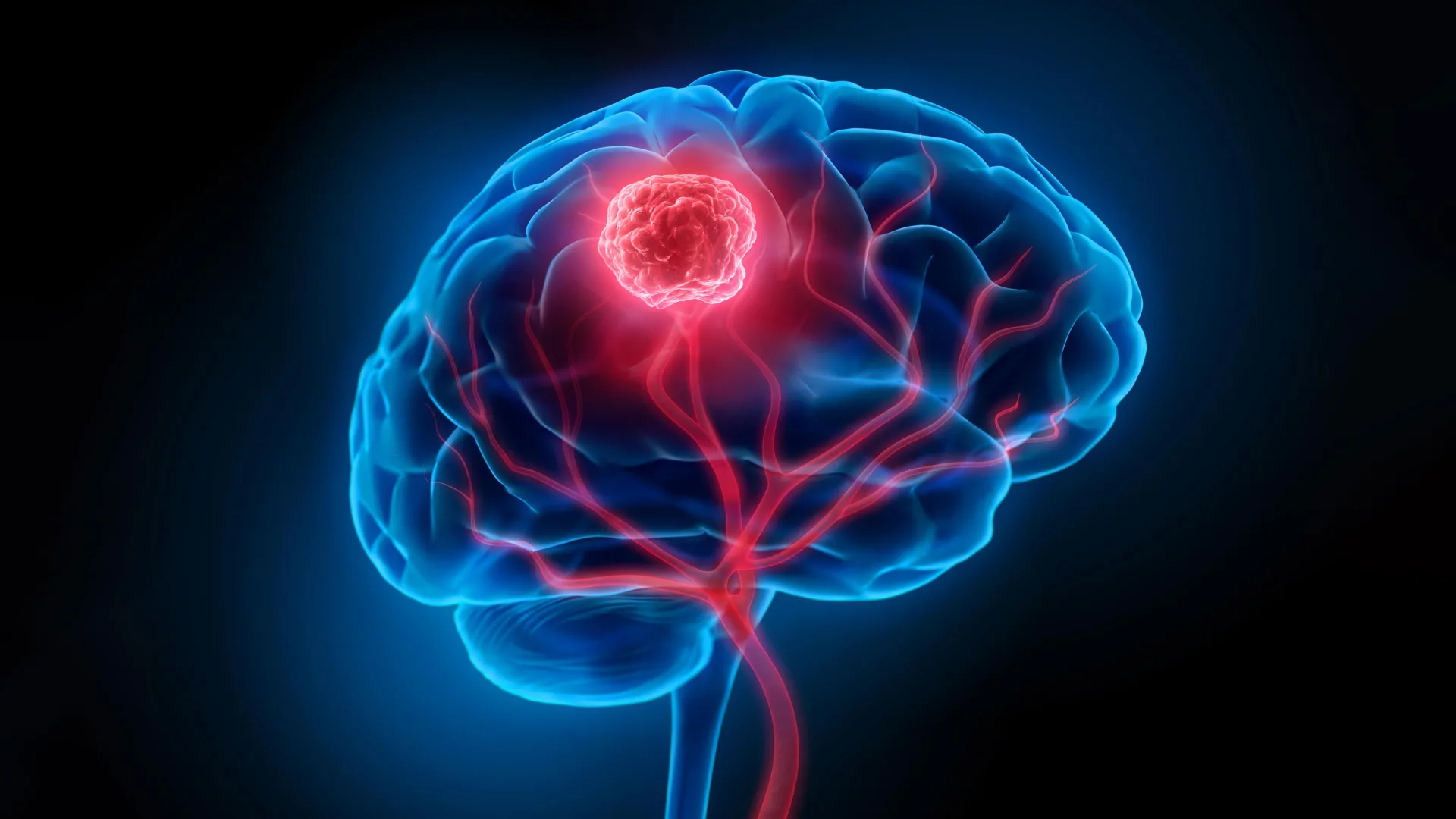
Glioblastoma, a notoriously aggressive form of brain cancer, has long presented a formidable challenge to the medical community. Its insidious nature, characterized by invasive growth into surrounding healthy brain tissue, makes complete surgical eradication a precarious endeavor. The delicate balance surgeons must strike to remove cancerous cells without compromising vital neurological functions, coupled with the formidable barrier posed by the blood-brain barrier—which impedes the delivery of therapeutic agents—contributes to a grim prognosis, with a five-year survival rate hovering around a mere 7 percent. However, a groundbreaking development from researchers at the University of Technology Sydney (UTS), in collaboration with Harvard University and Henan University, promises to alter this grim landscape. This pioneering team has engineered a sophisticated "double-punch" nanozyme platform designed to simultaneously address both the surgical and therapeutic hurdles in glioblastoma treatment through a single, intelligent nanoparticle system. The seminal findings detailing this innovative approach have been published in the esteemed journal Science Translational Medicine, marking a significant leap forward in the fight against this devastating disease.
A Dual-Action Nanoparticle for Enhanced Glioblastoma Management
The core innovation lies in a meticulously engineered two-dimensional material, a sheet of atoms so thin it can be precisely assembled atom by atom, drawing inspiration from advanced semiconductor manufacturing techniques. This unique atomic-level construction imbues the material with a remarkable ability to transition between two distinct yet complementary roles, activated by the same near-infrared light.
"We’ve engineered a single material that does two jobs in sequence," explained Dr. Bingyang Shi, Chair Professor of nanomedicine from the School of Electrical, Mechanical and Biomedical Engineering at UTS and a lead author on the study. "It’s a precise guide for the surgeon during the operation, and then a targeted clean-up treatment afterward." This sequential functionality is central to the platform’s potential to revolutionize glioblastoma care.
Enhancing Surgical Precision: Illuminating the Unseen
The first critical function of this nanozyme platform is its role as a highly sensitive imaging agent during surgical procedures. Once administered, the nanoparticles are engineered to cross the blood-brain barrier, a feat that significantly enhances their accessibility to tumor cells. Crucially, a fluorescent dye incorporated into the nanoparticle structure emits a glow when exposed to near-infrared light, a wavelength invisible to the human eye. This allows surgeons to visualize and precisely delineate even minuscule clusters of glioblastoma cells, some as small as 44 micrometers. This level of resolution surpasses the capabilities of current clinical imaging tools, enabling surgeons to achieve a more complete and accurate removal of the visible tumor mass.
"During surgery, it functions as a highly sensitive imaging agent," Professor Shi elaborated. "A fluorescent dye engineered onto the sheet glows under a near-infrared wavelength invisible to the naked eye, allowing surgeons to see individual tumor cell clusters as small as 44 micrometers, a resolution beyond current clinical imaging tools. A targeting molecule attached to the material also helps it cross the blood-brain barrier and accumulate specifically in glioma cells." The ability to pinpoint and excise these microscopic nests of cancer cells, often invisible to conventional methods, represents a significant advancement in surgical oncology.
Post-Operative Therapeutic Intervention: Eliminating Residual Disease
Following the removal of the visibly apparent tumor, the same nanoparticle platform can be deployed within the surgical cavity. Upon reactivation with the near-infrared light, the nanoparticles initiate a potent therapeutic sequence designed to eradicate any remaining microscopic cancer cells that eluded surgical removal. This second phase of treatment is multifaceted, leveraging the unique properties of the nanoparticle’s constituent platinum atoms.
"After the visible tumor is removed, the same material is administered into the surgical cavity and reactivated with the same wavelength of light for postoperative phototherapy," Professor Shi detailed. "The platinum atoms convert the tumor’s own hydrogen peroxide into oxygen, counteracting the low-oxygen environment that normally shields cancer cells from treatment, while the light simultaneously generates heat and reactive molecules that destroy microscopic cancer cells that surgery could not reach."
This dual therapeutic mechanism is particularly critical for glioblastoma, where the infiltration of cancer cells into surrounding brain tissue makes complete removal virtually impossible. The low-oxygen, or hypoxic, environment within tumors is a well-established protective shield for cancer cells, rendering them less susceptible to conventional treatments like chemotherapy and radiation. By converting hydrogen peroxide into oxygen, the nanoparticles create a more oxygen-rich environment, thereby sensitizing any residual cancer cells to further treatment. Simultaneously, the light-activated photothermal effect generates localized heat, and the production of reactive oxygen species (ROS) further contributes to the destruction of these lingering malignant cells.
Addressing the Challenge of Tumor Recurrence
Tumor recurrence remains the Achilles’ heel of glioblastoma treatment. Even after meticulous surgery and adjuvant therapies, microscopic cancer cells can persist and proliferate, leading to the inevitable return of the disease. The development of this two-stage nanoparticle system directly confronts this critical challenge. By providing enhanced visualization for more complete surgical resection and then actively targeting and eliminating any residual microscopic disease, the platform aims to significantly reduce the likelihood of recurrence.
Pre-Clinical Efficacy: Promising Results in Animal Models
The efficacy of this novel nanoparticle platform has been rigorously evaluated in pre-clinical studies using mouse models of glioblastoma. The results have been remarkably encouraging. In mice treated with the nanoparticle approach following surgery, tumor recurrence was significantly reduced, and importantly, every treated mouse remained alive at the 60-day mark. In stark contrast, mice that underwent surgery alone had a survival rate of only 42 days. This substantial improvement in survival underscores the therapeutic potential of the dual-action nanozyme.
Furthermore, extensive follow-up testing revealed no detectable neurological or motor impairments in the treated mice, suggesting a favorable safety profile for the platform. This is a critical consideration for any treatment aimed at the brain, where even minor side effects can have profound impacts on a patient’s quality of life.
A Glimpse into the Future: Cautious Optimism and Next Steps
While the findings are undoubtedly promising, the research team emphasizes that this technology is still in its early stages and has thus far only been tested in animal models. The transition from preclinical success to human application is a complex and lengthy process, involving extensive clinical trials to ensure both safety and efficacy in human patients.
"The results are very encouraging, but this is still early-stage research carried out in mouse models, not in people – and that distinction is important," Professor Shi cautioned. "Its imaging and therapeutic performance will also need to be confirmed at the scale of a human brain."
The researchers are optimistic that if the platform continues to perform as expected through the rigorous stages of human clinical trials, it could fundamentally transform the surgical and therapeutic management of glioblastoma. The vision is one where surgeons can operate with unprecedented clarity, identifying and removing more of the tumor, and then subsequently employ a targeted therapy to eliminate any remaining microscopic disease, thereby dramatically improving patient outcomes and reducing the devastating impact of tumor recurrence.
Broader Implications and the Road Ahead
The development of this dual-function nanozyme platform represents a paradigm shift in nanomedicine and its application to complex oncological challenges. It exemplifies the power of interdisciplinary research, bringing together expertise in materials science, nanomedicine, surgery, and oncology. The ability to engineer a single material that performs sequential, targeted actions at the atomic level opens up a vast landscape of possibilities for treating a wide range of diseases.
The successful translation of this technology from the laboratory to the clinic could have profound implications for glioblastoma patients, offering a tangible ray of hope where options have historically been limited. It underscores the continuous advancements being made in the field of cancer research and highlights the critical importance of investing in fundamental scientific inquiry.
The journey from laboratory breakthrough to widespread clinical adoption is often long and arduous, fraught with scientific, regulatory, and financial hurdles. However, the groundbreaking work by the UTS, Harvard, and Henan universities collaboration provides a compelling case for continued research and development in this area. The prospect of significantly improving the survival rates and quality of life for individuals battling glioblastoma is a powerful motivator, and this innovative nanoparticle platform represents a significant stride towards realizing that crucial objective. The scientific community will be closely watching as this promising technology progresses through its next phases of evaluation, with the ultimate goal of bringing this revolutionary treatment to patients in need.
