
 By Nana O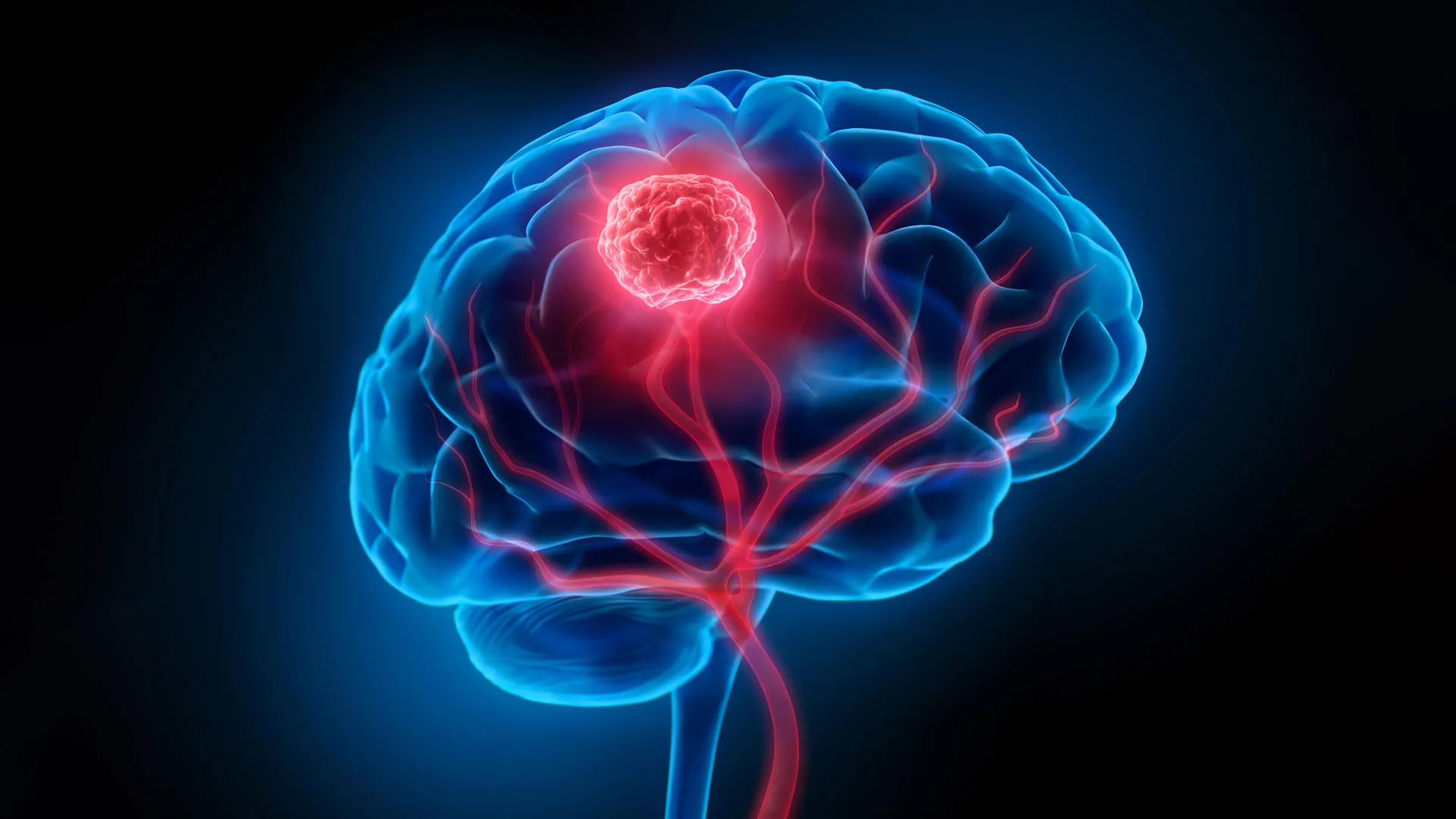
Glioblastoma, a notoriously aggressive form of brain cancer, presents a formidable challenge in the field of oncology. Its insidious nature lies in the tendency of cancerous cells to infiltrate surrounding healthy brain tissue, rendering complete surgical excision a precarious undertaking. Surgeons are perpetually constrained by the necessity of preserving vital neurological functions, a task made exponentially more difficult when the tumor’s tendrils extend beyond visible boundaries. Compounding this surgical hurdle is the presence of the blood-brain barrier (BBB), a biological defense mechanism that vigilantly guards the brain by severely limiting the passage of therapeutic agents, including chemotherapy drugs and even the energy delivered through radiotherapy. The combined impact of these challenges is starkly reflected in the grim prognosis for patients; the five-year survival rate for glioblastoma hovers at a dishearteningly low 7 percent.
However, a groundbreaking development emerging from a collaborative effort between researchers at the University of Technology Sydney (UTS), Harvard University, and Henan University offers a beacon of hope. These institutions have unveiled a novel ‘double-punch’ nanozyme platform, a sophisticated single-system nanoparticle engineered to simultaneously address both the surgical and therapeutic limitations inherent in glioblastoma treatment. The groundbreaking findings of this research were recently published in the prestigious journal Science Translational Medicine, marking a significant stride in the pursuit of more effective glioblastoma therapies.
A Dual-Action Nanotechnology for Enhanced Glioblastoma Care
The core innovation of this research lies in its elegant simplicity and profound impact. Dr. Bingyang Shi, Chair Professor of nanomedicine at UTS, explained the ingenious design: "We’ve engineered a single material that does two jobs in sequence. It’s a precise guide for the surgeon during the operation, and then a targeted clean-up treatment afterward." This two-pronged approach is orchestrated by an ultra-thin, two-dimensional sheet constructed from individual atoms meticulously placed using techniques adapted from the semiconductor manufacturing industry. This atomically precise structure imbues the material with the remarkable ability to dynamically switch between two distinct roles, activated by the same wavelength of near-infrared light.
The first function of this advanced nanoparticle platform is to act as a highly sensitive imaging agent during surgical procedures. "During surgery, it functions as a highly sensitive imaging agent," stated Professor Shi. He elaborated that a fluorescent dye integrated into the nanoparticle sheet emits a glow when exposed to near-infrared light, which is imperceptible to the human eye. This allows surgeons to visualize and identify individual tumor cell clusters with unprecedented precision, down to a size of 44 micrometers. This level of detail surpasses the capabilities of current clinical imaging modalities, providing surgeons with a significantly enhanced ability to delineate the tumor’s extent. Furthermore, a specially engineered targeting molecule attached to the nanoparticle facilitates its passage across the blood-brain barrier and ensures its preferential accumulation within glioma cells, further refining its precision as an imaging agent.
Illuminating Microscopic Tumors and Eradicating Residual Cells
The implications of this enhanced visualization are profound. By making tiny brain tumor clusters visible, surgeons can more accurately assess the tumor’s boundaries and identify infiltrating cells that might otherwise be missed. This improved visibility directly translates to more complete and confident tumor resection, a critical factor in improving patient outcomes.
Once the visible tumor has been surgically removed, the same nanoparticle platform is deployed for a second, therapeutic role. Administered into the surgical cavity, the nanoparticles are reactivated with the same near-infrared light. This activation triggers a cascade of potent anti-cancer mechanisms. The platinum atoms embedded within the nanoparticle structure play a crucial role by converting the tumor’s own naturally occurring hydrogen peroxide into oxygen. This process is vital because glioblastoma tumors often create a hypoxic (low-oxygen) microenvironment, which typically shields cancer cells from treatment and promotes their survival. By replenishing oxygen, the nanoparticles disrupt this protective shield. Simultaneously, the near-infrared light generates heat and reactive oxygen species, both of which are highly effective at destroying any microscopic cancer cells that may have escaped surgical removal.
Addressing the Scourge of Glioblastoma Recurrence
The persistent threat of glioblastoma recurrence is a major driver of its dismal survival rates. Even after what appears to be a complete surgical removal, microscopic cancer cells can remain scattered throughout the brain. These tenacious cells, often shielded by their low-oxygen environment or their infiltration into otherwise healthy tissue, can later proliferate and lead to tumor regrowth. The ‘double-punch’ nanoparticle platform is specifically designed to confront this critical challenge. By combining precise imaging to maximize surgical removal with a targeted post-operative therapeutic intervention, the platform aims to eradicate these residual cancer cells, thereby significantly reducing the likelihood of recurrence.
Promising Preclinical Data in Mouse Models
The efficacy of this innovative approach has been rigorously tested in preclinical studies using mouse models of glioblastoma. The results have been exceptionally encouraging. In experiments where mice underwent surgery followed by the nanoparticle treatment, all treated mice remained alive at the 60-day mark. In stark contrast, mice that received surgery alone had an average survival of only 42 days. This substantial difference in survival underscores the therapeutic power of the nanoparticle platform. Furthermore, extensive follow-up testing revealed no detectable neurological or motor impairments associated with the treatment in the treated mice, suggesting a favorable safety profile.
A Glimpse into the Future: Cautious Optimism and the Path Forward
While the preclinical results are undeniably promising, the research team is keen to temper expectations with a dose of scientific realism. Professor Shi emphasized, "The results are very encouraging, but this is still early-stage research carried out in mouse models, not in people – and that distinction is important." The next crucial phase of development will involve scaling up the technology for human trials. The imaging and therapeutic performance of the nanoparticle platform will need to be meticulously validated in the vastly more complex environment of a human brain.
If this technology continues to demonstrate efficacy and safety through further rigorous testing, the potential impact on glioblastoma treatment is immense. The hope is that surgeons will one day be able to visualize and remove more of the tumor during an operation, and subsequently, the same nanoparticle system can be employed to treat the microscopic remnants left behind. This represents a meaningful step forward in the ongoing battle to reduce recurrence, which remains one of the most significant hurdles in providing effective and lasting treatment for individuals diagnosed with glioblastoma. The development signifies a paradigm shift, moving towards a more integrated and intelligent approach to combating one of the deadliest forms of cancer.
Broader Implications for Cancer Nanomedicine
The successful translation of this ‘double-punch’ nanozyme platform could have far-reaching implications beyond glioblastoma. The underlying principles of using precisely engineered nanoparticles for sequential imaging and therapeutic functions, while also overcoming biological barriers like the BBB, are applicable to a wide range of challenging cancers. This research not only offers a specific solution for glioblastoma but also contributes significantly to the broader field of nanomedicine, paving the way for the development of next-generation targeted therapies that are more effective, less toxic, and ultimately, more capable of improving patient survival and quality of life. The collaborative spirit demonstrated by UTS, Harvard, and Henan universities in tackling such a complex medical problem highlights the power of international scientific cooperation in driving innovation and pushing the boundaries of what is possible in medical science.
