
 By admin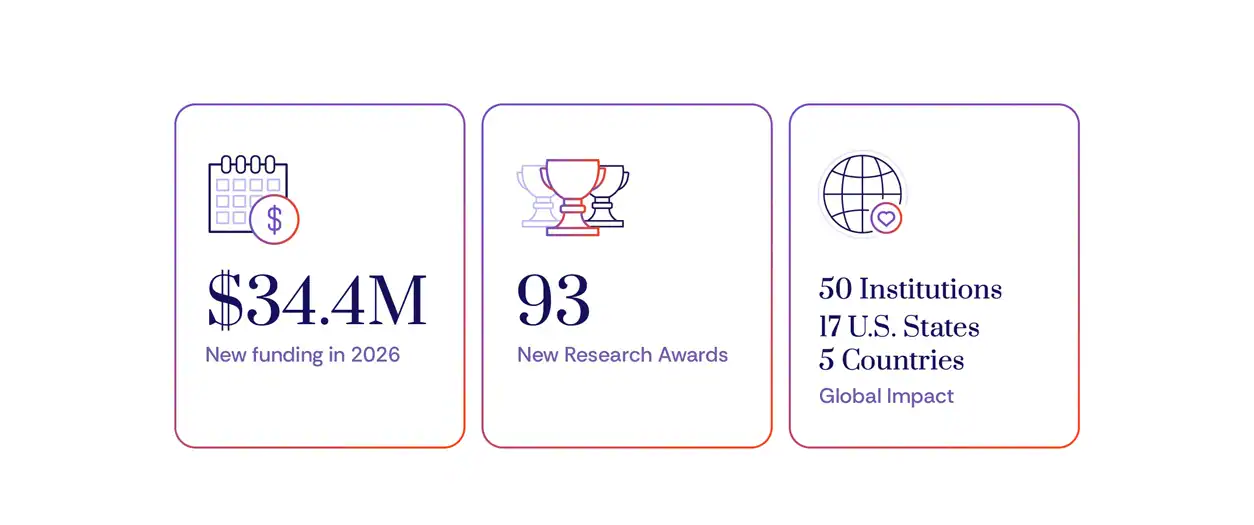
There are moments when an organization’s mission is tested not by opportunity, but by uncertainty. This past year was one of those moments, as the global scientific community grappled with unprecedented challenges ranging from economic volatility to shifting research priorities. Yet, amidst this precarious landscape, the Cancer Research Institute (CRI) demonstrated an unwavering resolve, making a deliberate and decisive choice: to keep science moving forward, intensifying its support for groundbreaking cancer immunotherapy research at a critical juncture.
Navigating the Headwinds of Global Uncertainty in Scientific Funding
The fiscal year 2025-26 unfolded against a backdrop of significant apprehension within the scientific research ecosystem. Across numerous countries, researchers faced substantial funding cuts, often stemming from broader economic slowdowns, re-prioritization of national budgets, and a more competitive grant environment. Biomedical research, particularly long-term, high-risk endeavors, frequently bears the brunt of such fiscal constraints. This challenging atmosphere threatened to stifle innovation, deter promising young scientists, and delay potentially life-saving discoveries. For cancer research, a field where incremental progress often culminates in transformative breakthroughs, any slowdown carries profound implications for patient outcomes.
The inherent uncertainty extended beyond financial limitations. Supply chain disruptions, restrictions on international collaboration, and evolving regulatory landscapes further complicated the pursuit of scientific inquiry. In this environment, the role of philanthropic organizations like CRI became even more pivotal. Their agility and mission-driven focus allowed them to respond decisively, filling critical gaps that governmental and institutional funding mechanisms struggled to address. CRI’s strategic decision to double down on its commitment was not merely an act of philanthropy; it was a calculated investment in the future of medicine, recognizing that periods of adversity often necessitate bolder action to maintain momentum.
A Landmark Year for the Cancer Research Institute: Record Investment in Innovation
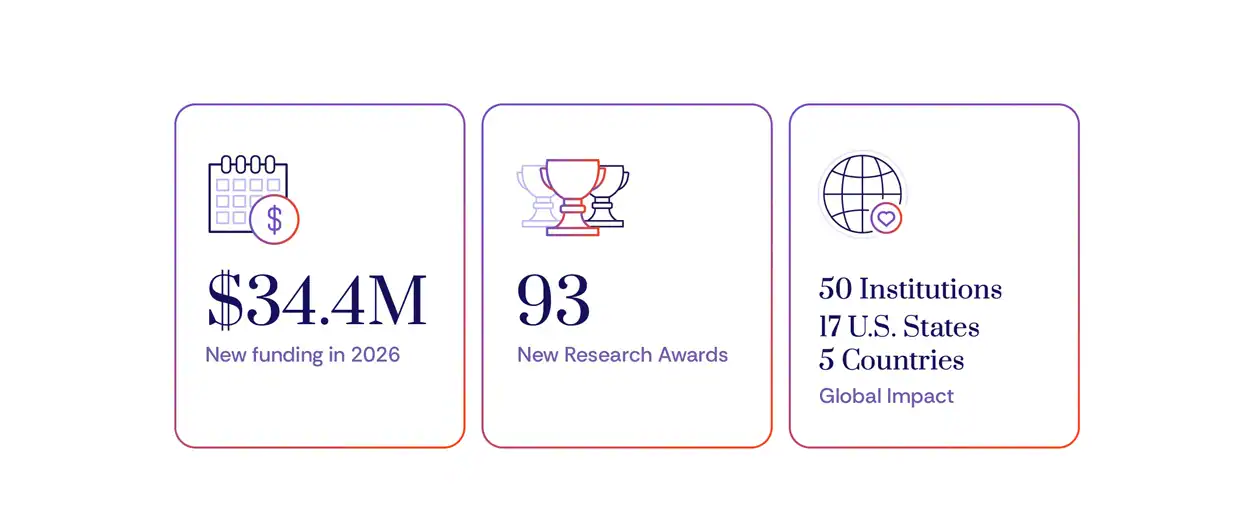
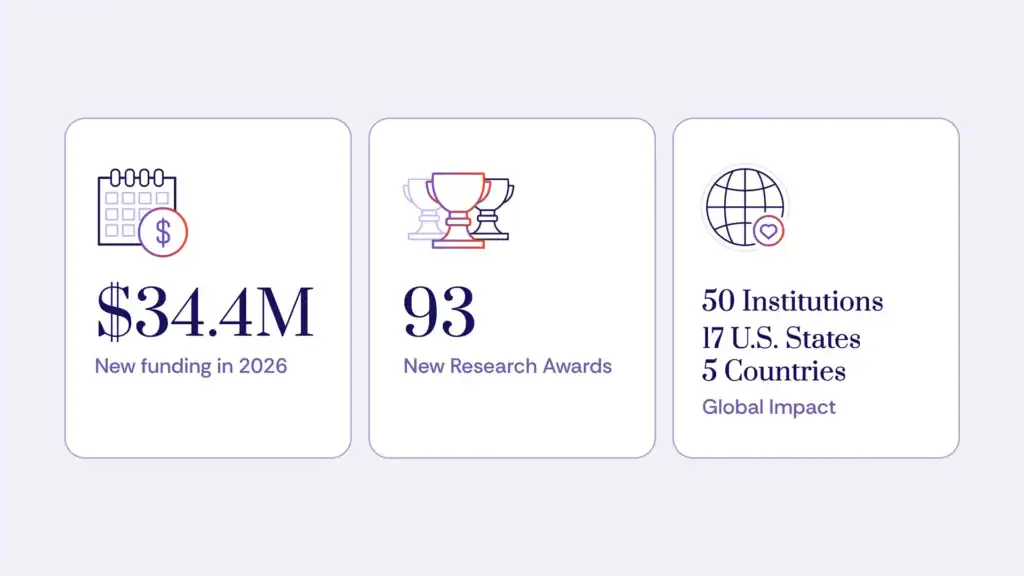
Defying the prevailing trends, the Cancer Research Institute announced a record-setting fiscal year 2025-26, committing an unprecedented $34.4 million in new funding. This substantial investment was distributed across 93 awards, marking CRI’s largest grantmaking year ever. These critical funds reached a diverse and expansive network of scientists, spanning 50 institutions across five countries and 17 states within the United States. This broad geographical reach underscores CRI’s commitment to fostering a global collaborative effort against cancer, leveraging diverse perspectives and scientific strengths.
The magnitude of this investment is particularly significant when contextualized against the general decline in public and private research funding witnessed in other sectors during the same period. While exact comparative figures are often complex to ascertain due to varied reporting standards, anecdotal evidence and reports from scientific associations indicated a contraction in many areas of biomedical research funding. CRI’s ability to not only maintain but dramatically increase its funding during such a period highlights the robust support it garners from its donors and its strategic financial planning. The selection process for these awards is rigorous, involving expert peer review to identify the most promising and impactful research proposals in the field of cancer immunotherapy. This ensures that every dollar invested is directed towards projects with the highest potential to advance understanding and develop new treatments.
Beyond the Numbers: Nurturing Scientific Talent and Bold Ideas
While the figures themselves are impressive, they represent only a fraction of the story. Behind every one of the 93 awards is a dedicated scientist, driven by an important question and a relentless pursuit of knowledge. These awardees represent a spectrum of career stages, from those just embarking on their research journeys to established leaders poised to redefine the direction of the field.
- Launching Careers: For many, particularly postdoctoral fellows and early-career investigators, CRI funding provides the initial launchpad. These critical early grants offer the foundational support needed to transition from training to independent research.
- Establishing Independent Laboratories: A significant hurdle for emerging scientists is securing the resources to establish their own laboratories. CRI’s investments enable these researchers to build teams, acquire essential equipment, and develop preliminary data – crucial steps towards securing larger, long-term funding from national agencies.
- Leading Ambitious Programs: For more established investigators, CRI support can fund high-risk, high-reward projects that might be considered too speculative for conventional funding mechanisms. This flexibility allows scientific leaders to explore novel hypotheses and pursue audacious ideas that have the potential to yield transformative breakthroughs.
At every stage, these scientists require more than just a brilliant idea. They need the financial resources, the flexibility to adapt their research as new data emerges, and the confidence that funders are willing to invest in the profound possibilities their work could unlock. For over 70 years, CRI has been a steadfast partner in this endeavor, supporting exceptional scientists often before their greatest discoveries have been made, granting them the intellectual freedom to follow the science wherever it leads and to take the calculated risks inherent in meaningful progress. This long-term vision has been instrumental in shaping the landscape of cancer immunotherapy.
The Critical Juncture: Introducing the CRI IGNITE Award
One of the most significant new initiatives highlighted by CRI’s record funding year is the introduction of the CRI IGNITE Award. This program specifically targets one of the most consequential and vulnerable periods in a scientist’s professional journey: the transition from postdoctoral training to an independent research career. This phase is often referred to as the "valley of death" in scientific funding, where promising ideas and talented individuals can falter not due to a lack of potential, but because the sustained support required to build an independent program is exceedingly difficult to secure.
Researchers at this stage face immense pressure. They must establish their own laboratories from scratch, define original and compelling areas of investigation, and generate the early, compelling evidence necessary to compete for long-term, multi-year funding from major government agencies like the National Institutes of Health. Without adequate bridge funding, many talented individuals are forced to abandon promising lines of inquiry or even leave academic research altogether. The IGNITE Award—an acronym for Inspiring Growth and Nurturing Independence Through Excellence—was specifically designed to help exceptional early-career scientists navigate this treacherous gap. It provides crucial support precisely when talented researchers are poised to build their independent programs and pursue bold, innovative questions of their own design, thereby ensuring that the next generation of scientific leaders can thrive.
A Beacon of Progress: Dr. Simone Park’s Journey and the Power of Sustained Investment
The profound impact of the IGNITE Award and CRI’s continuum of support is vividly exemplified by Dr. Simone Park, an inaugural IGNITE Award recipient at the University of Pennsylvania. Dr. Park’s journey with CRI began earlier in her career when she received support as a postdoctoral fellow. This initial investment enabled her to develop foundational expertise and contribute to critical research during her training phase.
Today, as Dr. Park takes the pivotal step of establishing her independent research program, the IGNITE Award is providing the essential scaffolding. Her research is focused on tissue-resident memory T cells (TRMs), specialized immune cells that persist in tissues and are believed to offer long-lasting protection against cancer recurrence. Dr. Park’s work delves into fundamental questions: What molecular and cellular mechanisms enable these TRMs to persist so effectively? How do they maintain their potent anti-tumor defense capabilities over extended periods? By unraveling the intricate biology behind their durability, she aims to identify novel strategies for harnessing and enhancing these cells to create stronger, more enduring immune protection against various cancers.
Dr. Park’s trajectory is more than an individual success story; it serves as a powerful testament to the value of supporting promising scientists throughout their careers. CRI’s multi-stage approach—from postdoctoral fellowships that launch research careers, to IGNITE Awards that foster true independence, to the prestigious CRI Lloyd J. Old STAR Awards that empower established investigators with the freedom to pursue high-risk, high-impact ideas—forms a robust continuum of support. This holistic framework helps ensure that exceptional individuals have the resources and opportunities to advance their work at every pivotal moment, ultimately accelerating the pace of discovery and translation in cancer immunotherapy. The long-term impact of such sustained investment is the cultivation of scientific leaders who will shape the future of cancer treatment for decades to come.
A Holistic Approach to Accelerating Discovery and Patient Impact
CRI’s commitment extends far beyond direct research awards. The institute understands that accelerating the defeat of cancer requires a multifaceted approach, fostering a comprehensive ecosystem designed to move discovery forward and translate increasingly complex biology into tangible benefits for patients. This broader strategy encompasses several key areas:
- Advancing Clinical Studies: CRI actively supports innovative clinical trials that test new immunotherapy approaches, moving promising laboratory findings into patient care. This includes funding for early-phase trials that are crucial for demonstrating safety and efficacy, paving the way for larger studies.
- Developing Data Programs and Shared Resources: Recognizing the increasing importance of big data in modern biomedical research, CRI invests in initiatives that facilitate data sharing, develop advanced computational tools, and create shared resources for the scientific community. This accelerates discovery by allowing researchers to leverage vast datasets and cutting-edge analytical methods.
- Equipping Scientists with New Computational Skills: The rapid evolution of technologies like artificial intelligence and machine learning necessitates a highly skilled workforce. CRI offers training programs and workshops designed to equip scientists with the computational and data science expertise required to navigate and exploit the complexities of modern immunology and oncology research.
- Patient and Caregiver Support: Crucially, CRI understands that scientific progress must ultimately benefit patients. The institute provides trusted information and support to patients and caregivers navigating the often-complex landscape of cancer immunotherapy. This includes educational resources, patient navigation services, and advocacy efforts to ensure that breakthrough treatments are accessible to those who need them most.
Each of these investments contributes synergistically to a broader mission. They create an environment where fundamental discoveries can be rapidly translated into clinical applications, where collaboration is fostered, and where patients are empowered with knowledge and hope. This integrated strategy is central to CRI’s long-standing impact and its vision for a future free from the burden of cancer.

Broader Implications and the Path Forward
The Cancer Research Institute’s 2026 Annual Impact Report, which encapsulates the achievements of this record-setting year, is more than just a financial statement; it is a powerful record of promises kept. It signifies a profound commitment to the scientists whose bold ideas deserve the chance to grow, to the millions of patients worldwide waiting for new possibilities, and to the dedicated supporters who believe implicitly in the transformative power of research to change and save lives.
The implications of CRI’s sustained investment, particularly during a period of global uncertainty, are far-reaching. By bolstering the careers of early-stage scientists, funding high-risk, high-reward projects, and fostering a collaborative research environment, CRI is directly accelerating the pace of innovation in cancer immunotherapy. This acceleration translates into a more robust pipeline of potential treatments, earlier detection methods, and ultimately, improved prognoses and quality of life for cancer patients. The field of immunotherapy, once a niche area, has now become a cornerstone of cancer treatment, offering durable responses for many patients. CRI’s foundational support for this field over decades has been instrumental in its rise, and its continued investment ensures future breakthroughs.
While uncertainty may indeed alter the landscape in which science advances, it does not, and cannot, change what true progress fundamentally requires: exceptional people with audacious ideas, coupled with the sustained and flexible support necessary to bring these elements together. The journey to fully eradicate cancer is a marathon, not a sprint, demanding relentless dedication and unwavering optimism. The Cancer Research Institute, through its visionary leadership and the generosity of its supporters, has clearly demonstrated that it is prepared to lead the charge. There is extraordinary work still ahead, and as this landmark year demonstrates, CRI is just getting started in its tireless fight against cancer.
