
 By Gabriel Paijo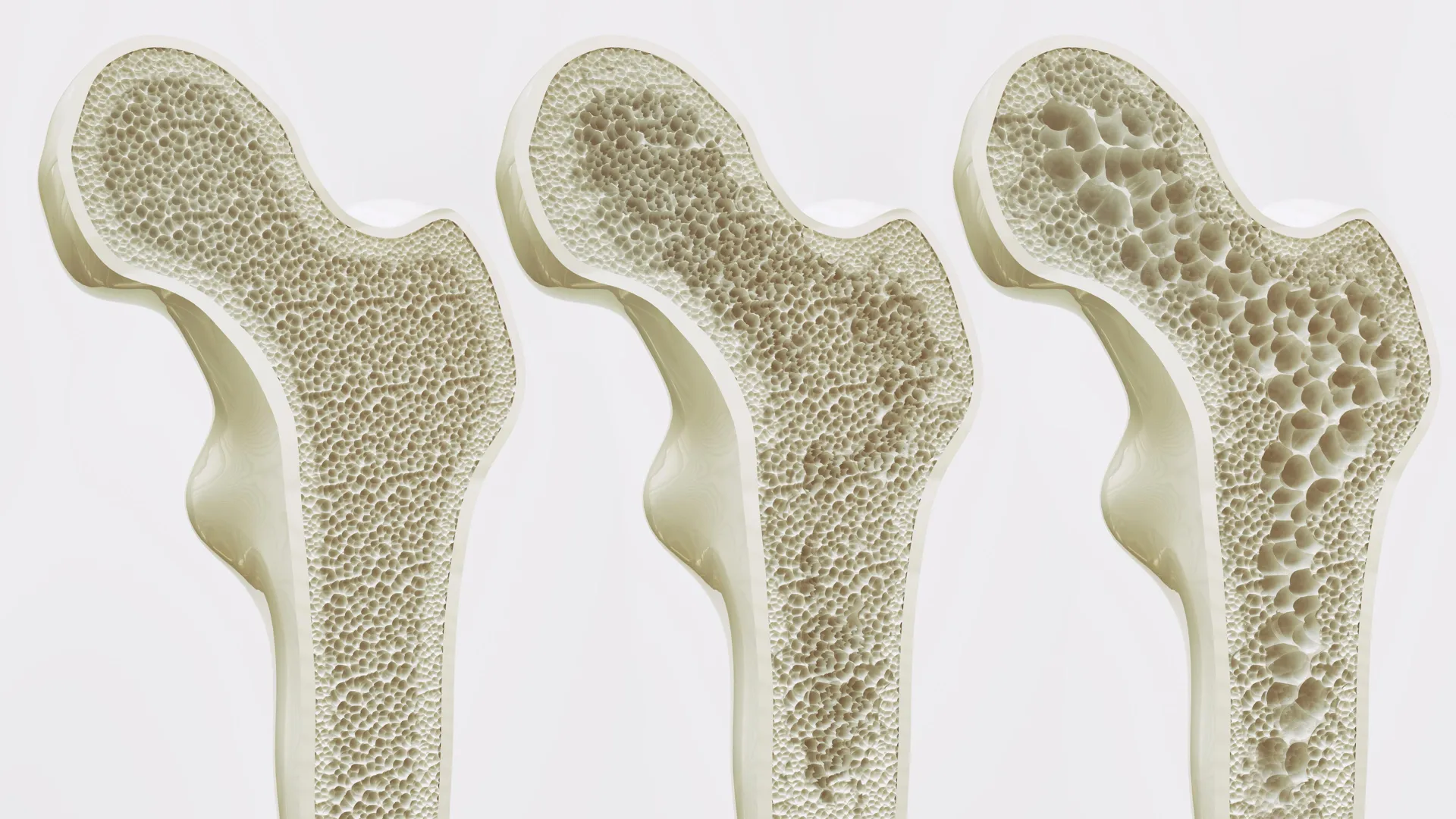
A comprehensive systematic review and meta-analysis published in The BMJ has challenged decades of nutritional wisdom, concluding that routine supplementation with calcium, vitamin D, or a combination of both provides little to no clinically meaningful protection against fractures or falls for the majority of older adults. The study, led by researchers in Canada, synthesized data from dozens of randomized controlled trials involving hundreds of thousands of participants, marking one of the most robust assessments of bone-health supplements to date. The findings arrive at a time when vitamin D prescriptions and over-the-counter sales have reached record highs, prompting experts to call for a fundamental re-evaluation of clinical guidelines and public health recommendations for the aging population.
The Public Health Challenge of Aging and Bone Health
As global populations age, the incidence of falls and subsequent fractures has become a critical public health priority. Statistics indicate that approximately one-third of adults aged 65 and older experience at least one fall per year. These incidents are far from benign; they are the leading cause of injury-related hospitalizations and deaths among seniors. A single fall can precipitate a cascade of health declines, including hip fractures, chronic pain, a permanent loss of mobility, and a forced transition into long-term residential care.
For decades, the medical community has leaned on calcium and vitamin D as the primary pharmacological defense against this decline. Calcium serves as the fundamental structural mineral of bone tissue, while vitamin D acts as a vital hormonal regulator that facilitates calcium absorption in the gut and maintains serum calcium levels for proper bone metabolism. Because of this biological synergy, the "bone duo" became a cornerstone of geriatric preventative care. However, despite the biological plausibility of supplementation, the real-world efficacy of these pills in preventing the actual event of a bone break has remained a subject of intense scientific debate.
Methodology: A Massive Undertaking in Evidence Synthesis
To resolve the inconsistencies found in smaller, isolated studies, the research team conducted a rigorous review of 69 randomized controlled trials (RCTs). These trials encompassed a total of 153,902 participants, providing a massive dataset that allowed for high-level statistical certainty. Randomized controlled trials are the "gold standard" of medical research because they minimize bias by randomly assigning participants to either a treatment group or a control group (receiving a placebo or no treatment).
The researchers categorized the evidence into three main interventions:
- Calcium supplements alone.
- Vitamin D supplements alone (including various dosages and forms like D2 and D3).
- Combined calcium and vitamin D supplementation.
The team utilized the GRADE (Grading of Recommendations, Assessment, Development, and Evaluations) approach to assess the certainty of the evidence. This methodological rigor ensured that the conclusions were not just based on the presence of an effect, but on whether that effect was large enough to actually matter in a clinical setting—a concept known as "minimal clinically important difference."
Detailed Findings: High Certainty of Low Efficacy
The results of the meta-analysis were remarkably consistent across different demographics and supplement types. When the researchers applied the threshold for what constitutes a "meaningful benefit"—essentially asking if the supplements reduced the risk of fracture by a significant enough margin to justify routine use—the data fell short.
For vitamin D supplementation alone, the researchers analyzed 36 trials involving 92,045 participants. They found high-certainty evidence that vitamin D does not provide a meaningful reduction in the risk of any fracture or hip fracture. Similarly, high-certainty evidence from 15 trials involving over 51,000 participants showed that taking calcium and vitamin D together failed to reach the threshold for clinical significance.
Calcium alone was supported by moderate-certainty evidence from 11 trials. While calcium is essential for bone density, the supplement form did not translate into fewer broken bones in the general older population. Furthermore, the researchers looked specifically at the risk of falls—a common justification for vitamin D use due to its perceived effect on muscle function. The results were the same: moderate to high-certainty evidence suggested that these supplements do not prevent falls in community-dwelling older adults.
A History of Shifting Recommendations
The skepticism surrounding routine bone supplementation has been building for over a decade, though public perception and clinical practice have been slow to change.
- The 1990s – Early 2000s: Early studies, particularly those involving institutionalized elderly patients in nursing homes, suggested significant benefits. These populations often had severe nutritional deficiencies, making them highly responsive to supplements.
- The 2010s: Larger trials of community-dwelling adults (those living independently) began to show "null" results. In 2013, the U.S. Preventive Services Task Force (USPSTF) issued a recommendation against daily supplementation of 400 IU of vitamin D and 1,000 mg of calcium for the primary prevention of fractures in postmenopausal women.
- The Present: Despite these warnings, the "Vitamin D craze" persisted, fueled by observational studies linking low vitamin D levels to various chronic diseases. However, as this latest BMJ review highlights, correlation does not equal causation. While low vitamin D may be a marker of poor health, taking a pill to raise those levels does not necessarily fix the underlying risk of injury.
Critical Exceptions: Who Still Needs Supplements?
The researchers were careful to note that their findings apply to "routine" supplementation for the general older population. There are specific cohorts for whom calcium and vitamin D remain essential therapeutic tools.
Individuals diagnosed with osteoporosis—a condition characterized by porous and fragile bones—often require these supplements as an adjunct to potent bone-building medications (such as bisphosphonates). Additionally, people with known bone metabolism disorders or those with profound vitamin D deficiencies (rickets in children or osteomalacia in adults) must continue supplementation under medical supervision.
The study also noted that the findings might not apply to individuals in residential care or those with extremely limited sun exposure and poor diets, where the baseline level of deficiency is much higher than that of the average community-dwelling senior. The researchers emphasized that patients should not discontinue prescribed medications without consulting their healthcare provider, as the study focused on prevention in the general population rather than treatment for diagnosed conditions.
The Economic and Industry Context
The implications of this study extend into the economic realm. The global vitamin D market was valued at approximately $1.3 billion in 2023 and is projected to continue growing. Calcium supplements represent another multi-billion-dollar industry. In many healthcare systems, including the UK’s National Health Service (NHS) and various U.S. Medicare plans, the cost of prescribing these supplements to millions of seniors adds up to a significant portion of the preventative care budget.
If routine supplementation offers no meaningful protection, these funds could potentially be redirected toward more effective interventions. The researchers argue that the "prescriptive momentum"—the tendency for doctors to continue prescribing a long-standing treatment out of habit—needs to be interrupted by updated clinical guidelines that reflect the current weight of evidence.
Shifting Focus: The Power of Physical Intervention
In a linked editorial, experts suggested that the medical community should shift its focus from "pills to programs." While the evidence for supplements has weakened, the evidence for physical activity has grown stronger.
Strategies that have shown a much higher degree of efficacy in preventing falls and fractures include:
- Balance and Functional Training: Exercises like Tai Chi or specific physical therapy regimens that improve proprioception and stability.
- Resistance Training: Weight-bearing exercises that strengthen the muscles surrounding the bones, providing better structural support and reducing the impact of a fall.
- Home Safety Assessments: Identifying and removing environmental hazards such as loose rugs, poor lighting, and lack of handrails.
- Multifactorial Programs: Comprehensive approaches that combine exercise, vision checks, and medication reviews to address all potential causes of instability.
The editorial emphasizes that while taking a pill is easy, engaging in a structured exercise program is more demanding but offers far greater rewards in terms of independence and physical resilience.
Conclusion and Future Outlook
The BMJ review serves as a landmark document in the evolution of geriatric medicine. It highlights a growing consensus that the "magic bullet" approach to bone health—simply adding a supplement to one’s daily routine—is insufficient for the complex problem of age-related fractures.
The researchers’ call for regulatory agencies and guideline panels to re-evaluate their recommendations suggests a looming shift in how doctors will discuss bone health with their patients in the coming years. Rather than a standard prescription for calcium and vitamin D, the future of healthy aging may rely on a more nuanced approach: one that prioritizes dietary intake of nutrients, targeted supplementation for those in genuine need, and a heavy emphasis on physical strength and environmental safety.
As the scientific community continues to refine its understanding of nutrition and aging, this study stands as a reminder that more is not always better, and that the most effective path to health often involves movement and lifestyle changes rather than the contents of a supplement bottle.
