
 By Budi Oetomo Narendra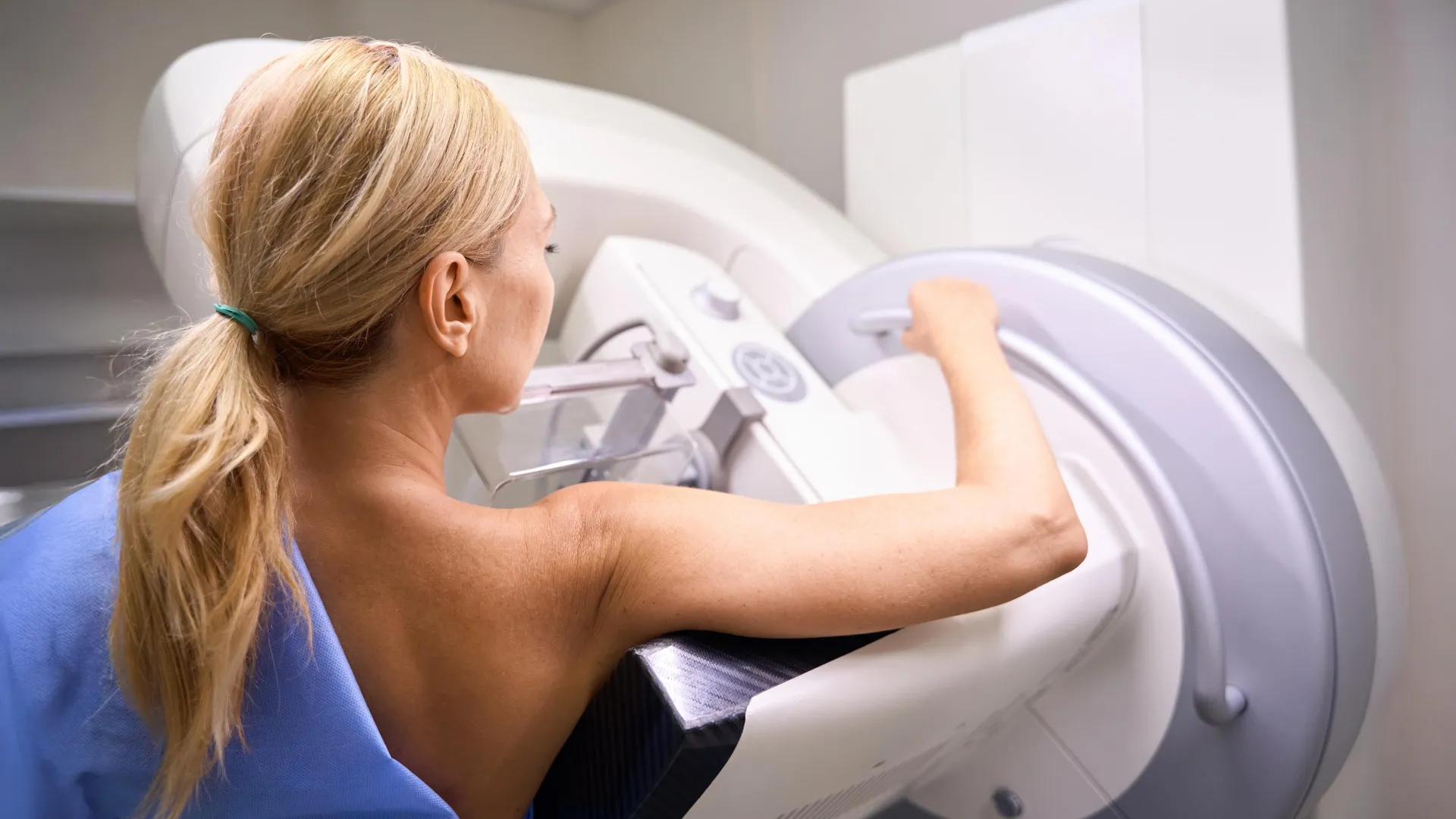
For decades, the discourse surrounding breast cancer screening has been shadowed by the concern of overdiagnosis—the identification of cancers that, left undetected, would never have caused symptoms or threatened a woman’s life during her natural lifespan. This phenomenon has long been acknowledged as one of the potential, albeit undesirable, outcomes of widespread screening initiatives. However, a groundbreaking new study, drawing on a comprehensive reanalysis of all randomized controlled trials (RCTs) of mammography screening coupled with extensive real-world data from Denmark, presents a dramatically revised understanding of the prevalence of overdiagnosis, suggesting it is far less common than previously thought.
The findings, led by researchers from the University of Southern Denmark, Lillebælt Hospital, the University of Copenhagen, and Queen Mary University of London, indicate that overdiagnosis in breast cancer screening is likely below 5%, a stark contrast to earlier estimates that ranged as high as 30-50%. These prior, higher figures have significantly influenced international debates, shaping both public health policies and individual women’s decisions regarding participation in population-based breast cancer screening programs. The revelation that these earlier estimates may have been substantially inflated due to methodological considerations, particularly insufficient follow-up time and the influence of screening on control groups, promises to reframe the risk-benefit assessment of mammography screening globally.
The Enduring Debate on Overdiagnosis: A Historical Context
Breast cancer screening, primarily through mammography, aims to detect malignancies at an early, more treatable stage, thereby reducing mortality. Its introduction in the mid-20th century marked a significant advancement in women’s health. However, as screening programs became more widespread, researchers began to observe an increase in cancer diagnoses that didn’t always translate into a proportionate decrease in advanced cancers or overall mortality, sparking the debate about overdiagnosis.
Overdiagnosis is a complex issue, defined as the detection of a cancer that would never have progressed to cause harm or symptoms within a woman’s lifetime. This can include indolent tumors that grow very slowly or not at all, or those found in individuals with limited life expectancy due to other health conditions. The implications for women are profound: an overdiagnosed cancer often leads to unnecessary anxiety, follow-up diagnostic procedures, and treatments such as surgery, radiation, chemotherapy, or hormonal therapy, all of which carry their own risks, side effects, and psychological burdens. Furthermore, it contributes to healthcare costs without providing a commensurate health benefit.
Estimates of overdiagnosis have varied widely across studies, leading to considerable uncertainty and sometimes conflicting advice for women. Some influential analyses of randomized trials, particularly those with shorter follow-up periods, suggested that a significant proportion—up to half—of screen-detected cancers might be overdiagnosed. These figures fueled concerns and contributed to a more cautious approach to screening in some regions, while others maintained a strong commitment to broad screening programs, citing overall mortality reductions. This ongoing scientific contention highlighted the critical need for a more definitive and robust assessment of overdiagnosis rates.
A New Methodological Lens: Combining Trials with Real-World Data
The current study sought to cut through this long-standing ambiguity by undertaking a rigorous re-evaluation. "The aim of our study was to bring together the evidence from all randomized controlled trials to get a clearer picture of the extent of overdiagnosis in breast cancer screening," explained Sisse Helle Njor, a professor at the University of Southern Denmark and Lillebælt Hospital, underscoring the comprehensive nature of their approach. She further noted, "Randomized trials have often been cited as evidence that overdiagnosis is a substantial problem. Our study shows that this interpretation is not as straightforward as it may seem."
To achieve this clarity, the research team performed a combined reanalysis of results from all eight major randomized trials of mammography screening. These trials, which formed the bedrock of evidence for screening efficacy, include:
- The New York Health Insurance Plan (HIP) study
- The Malmö Mammographic Screening Trial
- The Two-County Trial (Sweden)
- The Edinburgh Breast Screening Project
- The Canadian National Breast Screening Study (CNBSS-1 and CNBSS-2)
- The Stockholm Mammographic Screening Trial
- The Gothenburg Mammography Screening Trial
- The UK Age Trial
Beyond re-examining these pivotal trials, a crucial innovation of this study was its integration with real-world data from Denmark. Denmark provided a unique and invaluable reference point due to the staggered introduction of organized breast cancer screening programs across its regions. Some areas initiated screening as much as 17 years earlier than others. This natural experiment allowed researchers to meticulously track the evolution of breast cancer diagnoses immediately following the introduction of screening and observe how these patterns developed over extended periods. This longitudinal perspective was critical to disentangling true overdiagnosis from other phenomena, such as lead-time bias.
The Crucial Role of Timing and Follow-up
A central tenet of the new analysis revolves around the concept of "timing effects." When screening is introduced, there is an initial, inevitable rise in the number of breast cancer diagnoses. This is primarily because screening detects cancers earlier than they would have been found without screening—a phenomenon known as "lead time." If all these early detections were truly beneficial, then over time, this initial surge should be followed by a corresponding drop in diagnoses, as those cancers that would have been found later are now diagnosed earlier.
However, if a study concludes its follow-up period before this subsequent decline becomes evident, researchers can mistakenly attribute a portion of the initial increase to overdiagnosis. This methodological pitfall has likely skewed many previous estimates. "When screening is introduced, the number of breast cancer diagnoses initially rises because cancers are detected earlier than they would have been without screening. Over time, this should be followed by a drop, as some of these cancers would otherwise have been diagnosed later," explained Elsebeth Lynge, professor emerita at the Department of Public Health, University of Copenhagen. "This pattern can also be affected if women in either group continue to undergo screening after the trials had ended, which was common. If researchers do not take these factors into account, the initial increase can be mistaken for overdiagnosis."
The Danish data proved instrumental in illustrating this temporal dynamic. By comparing breast cancer incidence at matching points in time in both the re-analyzed randomized trials and Denmark’s routine screening programs, the researchers could assess the similarities in patterns and what these revealed about the true scale of overdiagnosis. They focused on three critical factors that can influence overdiagnosis estimates:
- Differences in screening exposure: Ensuring accurate accounting for who was actually screened and for how long in both the intervention and control groups.
- Length of follow-up: Emphasizing the need for sufficiently long follow-up periods to observe the full temporal shift in diagnoses.
- Potential for control group screening: Recognizing that women in control arms of trials might later seek screening outside the study, thereby confounding comparisons.
By meticulously accounting for these factors, particularly the extended follow-up periods available in the Danish registries and the matured data from the RCTs, the researchers found that the additional breast cancer cases detected in the trials closely mirrored the patterns observed in Denmark, where overdiagnosis associated with screening is estimated to be below 5%.
Reframing the Narrative: From High Estimates to Realistic Interpretations
The implications of this reanalysis are profound. "Taken together, we believe some previous high estimates of overdiagnosis, which influenced screening guidelines and communication, were based on evidence before trial data had fully matured," stated Matejka Rebolj, Senior Epidemiologist at Queen Mary University of London. "When interpreted in their full temporal context, randomized trial data are consistent with overdiagnosis of less than five percent, rather than with estimates nearing 50%." This dramatically shifts the perceived balance between the benefits of early detection and the potential harms of overdiagnosis.
The study included an examination of both invasive breast cancer and ductal carcinoma in situ (DCIS), a non-invasive condition that is often considered a precursor to invasive cancer but sometimes regresses or remains stable. The reanalysis suggests that even for DCIS, often cited as a major contributor to overdiagnosis, the overall rate of overdiagnosis is lower than previously believed when viewed through a comprehensive temporal lens.
This new understanding offers significant reassurance to women considering or participating in breast cancer screening. For years, the specter of overdiagnosis has been a source of anxiety, leading some women to hesitate or opt out of screening programs. The clarity provided by this study empowers healthcare providers to offer more accurate and positive information regarding the benefits of screening.
Broader Impact and Implications for Public Health
The findings are poised to have a far-reaching impact on public health policy, clinical guidelines, and patient communication worldwide.
- Revised Screening Guidelines: National and international health organizations, which often base their recommendations on aggregated evidence from randomized trials, may now review their guidelines. A lower estimated rate of overdiagnosis strengthens the argument for continued, population-based mammography screening, particularly for target age groups where mortality reduction benefits are most pronounced.
- Enhanced Patient Communication: Clinicians and public health educators can now provide women with more accurate and less alarming information about the risks and benefits of screening. This can foster greater trust in screening programs and potentially increase participation rates, ultimately leading to more lives saved through early detection.
- Reduced Patient Anxiety: For women, the reassurance that the risk of overdiagnosis is small compared to the benefit of preventing premature death can alleviate considerable psychological burden. Understanding that the vast majority of screen-detected cancers are clinically significant and require treatment can empower women to make informed decisions with greater confidence.
- Economic Impact: While overdiagnosis carries economic costs due to unnecessary treatments, a lower rate implies a more efficient use of healthcare resources in the context of screening. This can contribute to more sustainable public health programs.
- Future Research Directions: This study sets a new benchmark for interpreting screening trial data. It highlights the critical importance of long-term follow-up and careful consideration of methodological biases in future research on screening outcomes for all types of cancer.
"Most women will not develop breast cancer, but with this study we can now be reassured that the benefits of detecting breast cancer early and preventing premature death will outweigh the small risk of unnecessary treatment," Professor Njor affirmed. She concluded, "With this in mind, we hope this study will provide a framework for a more realistic interpretation of the evidence and help us better inform women when they are invited for screening."
The study represents a pivotal moment in the ongoing scientific dialogue about breast cancer screening. By meticulously re-evaluating historical data through a contemporary and comprehensive lens, researchers have provided crucial clarity on a complex issue, bolstering the evidence base for mammography screening as a vital tool in the fight against breast cancer. The emphasis on robust methodology, long-term follow-up, and real-world validation ensures that the new estimates are not just numerically lower, but are grounded in a deeper, more accurate understanding of disease progression and detection in screened populations.
About the Study:
The researchers performed a new, comprehensive analysis of existing mammography screening research. Their analysis included all eight seminal randomized trials in this field: the New York Health Insurance Plan, Malmö, Two-County, Edinburgh, the Canadian National Breast Screening Study, Stockholm, Gothenburg, and UK Age. Two regional screening programs in Denmark were used as a crucial real-world reference, allowing for the observation of long-term incidence patterns. The study examined both invasive breast cancer and ductal carcinoma in situ (DCIS). When reassessing the earlier trials, the team focused on three key factors that significantly influence estimates of overdiagnosis: differences in screening exposure between groups, the total length of follow-up for participants, and the potential for women in control groups to later receive screening themselves, which can obscure true differences. After meticulously taking these differences into account, the researchers concluded that overdiagnosis may be substantially less common than earlier estimates suggested.
Funding:
The research received significant support, with Casper Urth Pedersen supported by the Novo Nordisk Foundation (reference: NNF22OC0076184), and Matejka Rebolj supported by Cancer Research UK (reference: C8162/A29083).
