
 By Billy Candra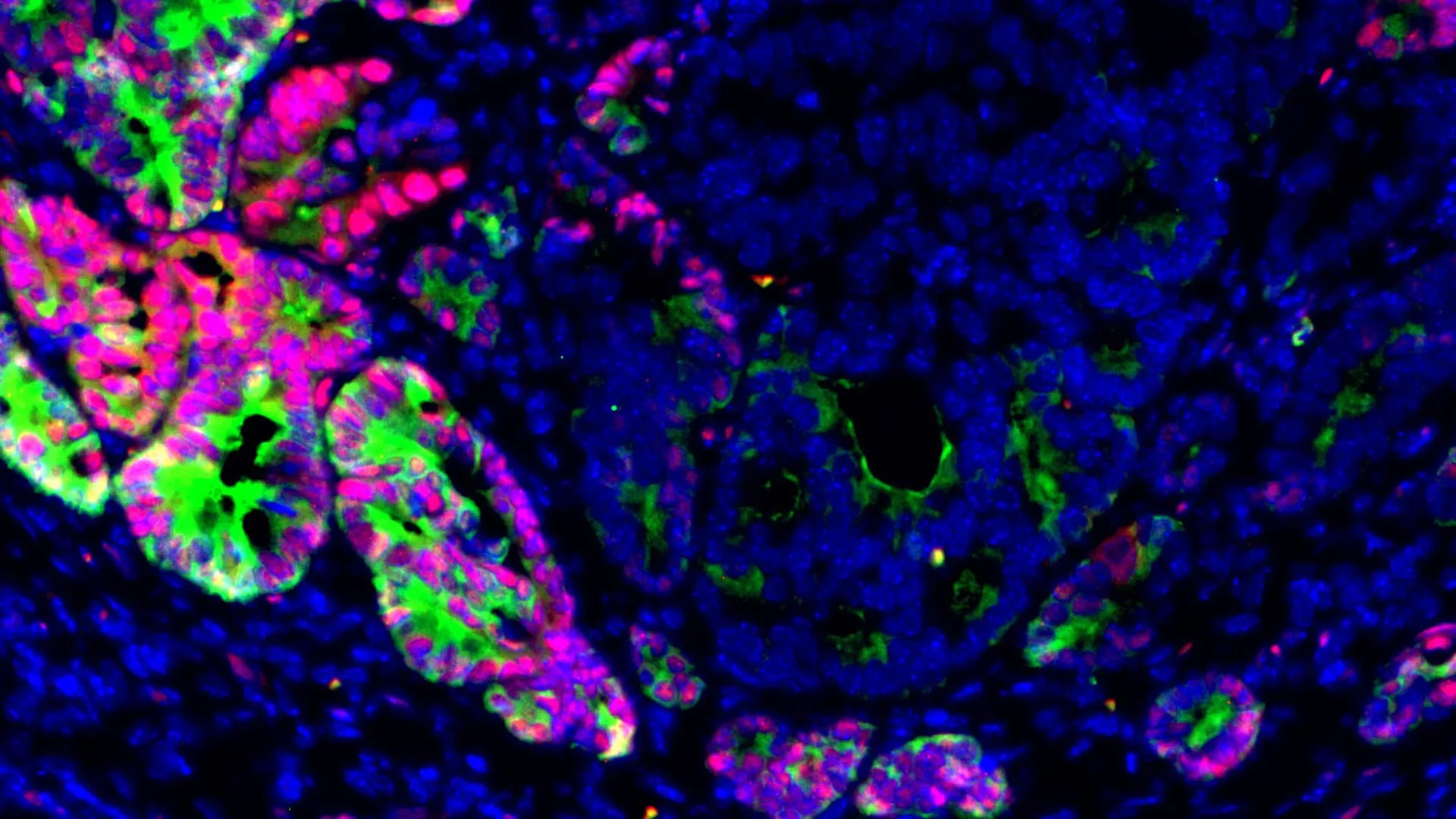
Researchers at Weill Cornell Medicine and the Massachusetts Institute of Technology have identified a key factor that may help colorectal cancer (CRC) spread to the liver, a discovery with profound implications for understanding and potentially preventing one of the most lethal aspects of the disease. Their findings suggest that the loss of GATA6, a crucial transcription factor responsible for regulating gene expression, can transform cancer cells into a more primitive, adaptable state, making metastasis possible. This groundbreaking insight, published on June 22 in Cell Stem Cell, shifts the focus from purely genetic mutations to epigenetic changes as primary drivers of metastatic progression, opening new avenues for therapeutic intervention.
The Enigma of Colorectal Cancer Metastasis
Colorectal cancer is the third most common cancer diagnosed in both men and women in the United States, and the second leading cause of cancer-related deaths globally. According to the American Cancer Society, over 153,000 new cases are projected for 2023, with more than 52,000 deaths. A stark reality of CRC is that while early-stage localized disease boasts a five-year survival rate exceeding 90%, this figure plummets dramatically to around 15% once the cancer metastasizes, particularly to the liver. The liver is the most common site for CRC metastasis, affecting approximately 50% of patients during their disease course. For years, scientists have diligently searched for specific genetic mutations that might trigger this deadly spread, yet no definitive "driver mutations" have consistently emerged to explain why some primary tumors metastasize while others remain localized. This persistent enigma has underscored the complexity of cancer progression and highlighted the need for alternative explanatory models.
The new study provides a compelling answer, pointing to a different, less understood mechanism: epigenetic alteration. Unlike genetic mutations, which involve permanent changes to the DNA sequence itself, epigenetic changes modify gene activity without altering the underlying DNA. These changes act like a cellular "dimmer switch," influencing which genes are turned on or off and, consequently, which proteins cells produce and what functions they perform.
GATA6: The Molecular "Identity Keeper" Gone Astray
At the heart of this discovery is GATA6, a transcription factor that normally functions as a molecular "identity keeper" within the cells lining the intestine. Its role is to help these cells maintain their specialized functions and differentiate properly. The research team, co-led by Dr. Norihiro Goto, assistant professor of medicine in the Division of Gastroenterology & Hepatology at Weill Cornell, found that GATA6 levels were significantly lower in liver metastases observed in both murine models and human colorectal cancer patients. Furthermore, reduced GATA6 expression correlated directly with poorer patient outcomes, reinforcing its critical role in disease progression.
"We discovered that GATA6 loss acts as a critical switch that can change cancer cells in the primary tumor from non-metastatic to pro-metastatic," stated Dr. Norihiro Goto. "Our findings suggest that epigenetic changes may be more important for promoting liver metastasis." This statement represents a significant paradigm shift in how the scientific community might approach the study and treatment of metastatic CRC. Dr. Saori Goto, an instructor in medicine at Weill Cornell, served as the first author of the study, with Dr. Omer H. Yilmaz, associate professor of biology at the Massachusetts Institute of Technology, also co-leading the impactful work.
Chronology of Discovery: From Tissue Samples to Organoid Models
Historically, understanding the metastatic process has been challenging due to the limitations of studying established liver metastases. As Dr. Norihiro Goto explained, analyzing patient samples from already formed liver metastases provides only a snapshot, failing to capture the crucial early signals and transformations that enable cells to become metastatic in the first place. The process of metastasis is dynamic, involving a cascade of events: detachment from the primary tumor, invasion into the bloodstream or lymphatic system, survival in circulation, extravasation into a distant organ, and subsequent colonization. Each step requires specific adaptations from the cancer cell.
To overcome this limitation and observe these early, pivotal events, the research team pioneered an innovative laboratory model utilizing organoids. Organoids are miniature, three-dimensional clusters of cells grown in a lab that replicate many characteristics of real organs or tumors, offering a powerful tool for disease modeling. These particular organoids were derived from actual liver metastases, providing a realistic starting point. The scientists then implanted these organoids into the colons of mice, allowing them to form primary tumors. Crucially, they repeatedly harvested cancer cells that had successfully spread to the liver in these mice, used them to create new organoids, and reimplanted these "metastasis-experienced" organoids. This iterative process allowed the team to essentially "train" and observe how cancer cells gradually acquired and refined their metastatic capabilities over several generations. This methodical approach provided an unprecedented view into the adaptive journey of a cancer cell becoming metastatic.
Lineage Plasticity: The Key to Cancer’s Adaptability
Through their meticulous experiments with the organoid models, the researchers unveiled a profound mechanism: the loss of GATA6 promotes what is known as lineage plasticity. Lineage plasticity refers to the remarkable ability of cells to alter their identity, specialized functions, and behaviors. When GATA6 was absent, colorectal cancer cells activated alternative genetic programs, essentially shedding their original intestinal identity and adopting a more flexible, primitive, "fetal-like" state.
This cellular reprogramming is not inherently pathological; the body normally employs such plasticity during essential processes like wound repair, tissue regeneration, and adaptation to physiological stress. For instance, during embryonic development, cells exhibit immense plasticity to form diverse tissues and organs. However, in the context of cancer, this otherwise beneficial biological program is hijacked. These transformed, highly adaptable cells, now stripped of their GATA6-enforced identity, were significantly better equipped to survive the arduous journey through the bloodstream, establish themselves in the foreign microenvironment of the liver, and initiate new tumors in distant organs.
A compelling indicator of this enhanced plasticity was the emergence of cells lacking LGR5, a well-known marker typically found in intestinal stem cells. Earlier research had established that LGR5-negative cells possess a greater capacity to initiate liver metastases. The new study definitively demonstrated that the suppression of GATA6 expression caused cancer cells to transition from an LGR5-positive state to an LGR5-negative state. These LGR5-negative cells, exhibiting fetal-like characteristics, were the ones endowed with the enhanced ability to spread to other organs. Conversely, the researchers found that restoring GATA6 activity or activating related molecular pathways effectively reduced the metastatic potential of colorectal cancer cells. This bidirectional control underscores GATA6’s central role.
Dr. Norihiro Goto, who is also a member of the Jill Roberts Institute for Research in Inflammatory Bowel Disease and the Sandra and Edward Meyer Cancer Center at Weill Cornell, further emphasized this point: "When we genetically delete GATA6, the frequency and burden of liver metastases in mouse models significantly increase, while having little effect on primary tumor growth." This observation is crucial because it suggests that metastasis may not simply be a byproduct of rapid primary tumor growth or size, but rather a distinct biological process driven by specific cellular state transitions. It challenges the long-held assumption that larger, faster-growing tumors are inherently more metastatic, instead highlighting the importance of qualitative changes within cancer cells.
Implications for Diagnosis, Prognosis, and Future Therapies
The findings from this study carry substantial implications for clinical practice and future cancer research. The identification of GATA6 as a critical regulator of metastatic potential immediately raises its prospect as a biomarker for metastatic risk. Tumors exhibiting low GATA6 levels could indicate a higher likelihood of containing cells capable of switching into a pro-metastatic state. Such information would be invaluable for clinicians, allowing them to identify patients who might benefit from more intensive monitoring, more aggressive upfront treatment strategies, or enrollment in clinical trials targeting metastatic prevention. Early risk stratification could transform patient management, moving towards personalized oncology approaches.
Beyond diagnostics, the study also points towards a novel therapeutic strategy. Current cancer treatments often focus on directly killing cancer cells or inhibiting their rapid proliferation. This new understanding suggests an alternative approach: developing therapies aimed at maintaining cellular identity or actively preventing cancer cells from adopting these highly flexible, pro-metastatic states. Imagine a drug that could "lock" cancer cells into their non-metastatic identity, even if they harbor other oncogenic mutations.
However, Dr. Norihiro Goto acknowledged the inherent challenges in developing such therapies. The biological programs that drive lineage plasticity and cellular reshaping are also vital for normal physiological processes, such as tissue repair and regeneration. Any therapeutic intervention would need to be exquisitely specific, targeting the pathological activation of these programs in cancer cells without disrupting their essential roles in healthy tissues. This necessitates a deeper understanding of the unique vulnerabilities present in GATA6-deficient cancer cells that are not shared by normal cells.
The Road Ahead: A New Horizon in Cancer Research
The research team is already planning future investigations to build upon these foundational discoveries. Their immediate priorities include identifying specific vulnerabilities unique to GATA6-deficient cancer cells that could be exploited by new therapeutic agents. This could involve screening for drugs that selectively inhibit the alternative genetic programs activated in the absence of GATA6, or compounds that force cancer cells back into a differentiated, non-metastatic state.
Furthermore, the team plans to delve into the intricate interplay between the tumor microenvironment and these cellular transitions. The liver, as the primary site of CRC metastasis, possesses a unique microenvironment comprising various cell types, including immune cells, stromal cells, and specialized liver cells, all of which can influence cancer cell behavior. Understanding how these components, along with liver-specific signals, influence GATA6-mediated lineage plasticity in preclinical models will be crucial for developing truly effective metastasis-blocking therapies.
"In addition to treating primary tumors, we need to find strategies to target the mechanism of liver metastasis," Dr. Norihiro Goto affirmed. "Our study is a step toward developing therapies that block the spread of cancer at the earliest stages." This statement encapsulates the profound potential of this research to shift the paradigm of colorectal cancer treatment, offering hope for improved outcomes for countless patients facing this formidable disease. By focusing on the epigenetic drivers of metastasis, scientists are moving closer to disarming cancer’s deadliest weapon: its ability to spread.
This research was made possible through the generous support of various organizations, including the Astellas Foundation, Research Abroad from Japan Society for the Promotion of Science, the National Institutes of Health (grants R00AG076987, 01CA254314, 5U01CA25055, R01CA258523, R01CA25723, R01DK133919, R01DK140310, R01CA299955, and 3OT2CA297570), Pew-Stewart Trust, AFAR and Glenn Foundation for Medical Research Breakthroughs in Gerontology, Kenneth Rainin Foundation, Crohn’s & Colitis Foundation, and Mark Foundation for Cancer Research. Their continued investment in fundamental research is vital for advancing our understanding of complex diseases like cancer and translating discoveries into tangible patient benefits.
