
 By Billy Candra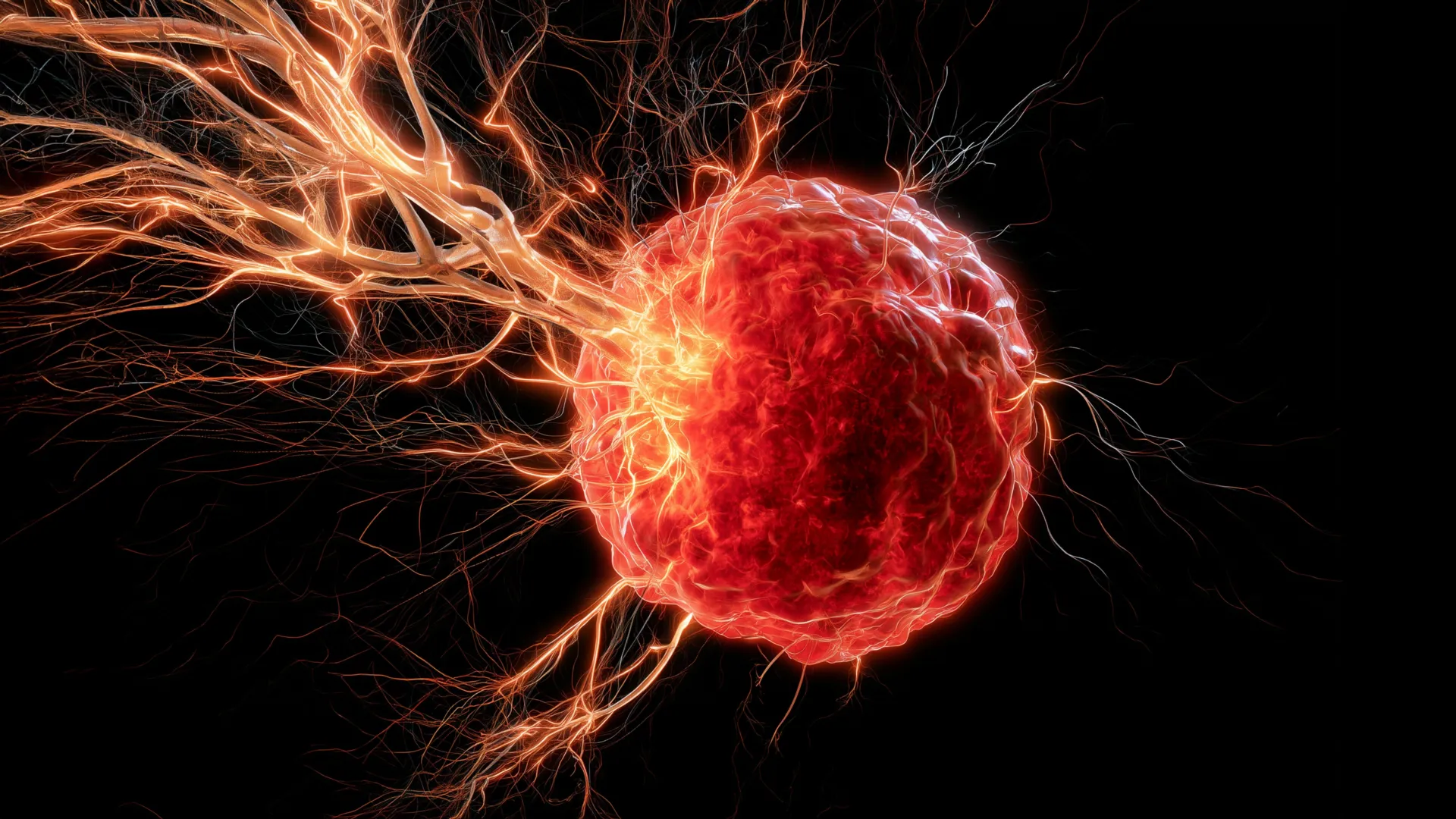
A groundbreaking study from the University of Oklahoma has illuminated a previously unclear mechanism by which an aggressive form of breast cancer, triple-negative breast cancer (TNBC), actively manipulates the body’s immune system to draw nerves into tumorous growths. This process, which creates conditions conducive to cancer proliferation and resistance to conventional treatments, offers a new paradigm for therapeutic intervention and holds significant promise for patients facing this particularly challenging diagnosis. The findings, recently published in the scientific journal Cell Death & Differentiation, detail how specific immune cells, known as macrophages, are co-opted by tumors to release a potent neurotrophic factor, effectively building a neural highway directly into the cancerous mass.
The Enigma of Tumor Innervation: A Long-Standing Question
For many years, oncologists and researchers have observed the presence of extensive nerve networks within a wide array of solid tumors. This phenomenon, termed tumor innervation, has increasingly been recognized as more than a mere bystander effect. Instead, it is understood to be an active, integral component of the tumor microenvironment (TME), the complex ecosystem surrounding and interpenetrating a tumor, comprising not only cancer cells but also immune cells, blood vessels, fibroblasts, and the extracellular matrix. While the existence of these nerve fibers was well-established, the precise mechanisms governing their recruitment and growth into tumors remained largely enigmatic. The new research from the University of Oklahoma, led by Dr. Maureen Cox, an assistant professor in the Department of Microbiology and Immunology at the OU College of Medicine and a research member of OU Health Stephenson Cancer Center, now provides a compelling explanation for this process specifically within triple-negative breast cancer, a subtype notorious for its aggressive nature and limited treatment options.
Understanding Triple-Negative Breast Cancer (TNBC): A Formidable Foe
Triple-negative breast cancer accounts for approximately 10-15% of all breast cancers, yet it disproportionately contributes to breast cancer mortality. Its "triple-negative" designation stems from the absence of three key receptors commonly found in other breast cancer types: the estrogen receptor (ER), the progesterone receptor (PR), and the human epidermal growth factor receptor 2 (HER2). These receptors are crucial because they serve as targets for highly effective hormone therapies and HER2-targeted drugs, which have revolutionized treatment for other breast cancer subtypes. Without these targets, TNBC patients are left with chemotherapy as the primary systemic treatment option.
TNBC is characterized by its aggressive biology, higher rates of metastasis (spread to distant organs), and a tendency for early recurrence after treatment. It disproportionately affects younger women, African American women, and those with BRCA1 gene mutations. Despite advances in chemotherapy regimens, the prognosis for TNBC patients remains poorer compared to those with other breast cancer subtypes, underscoring the urgent need for novel therapeutic strategies. The lack of specific molecular targets has historically made drug development for TNBC particularly challenging, driving researchers to explore alternative vulnerabilities within the cancer’s biology, such as those within the tumor microenvironment.
Macrophages: From Defenders to Enablers of Cancer Growth
The OU research pinpoints macrophages, a versatile type of immune cell, as the critical orchestrators in drawing nerves into TNBC tumors. Macrophages are integral components of the innate immune system, known for their phagocytic capabilities – essentially, they "eat" cellular debris, pathogens, and foreign substances. They also play vital roles in tissue repair, wound healing, and initiating adaptive immune responses. However, within the complex and often perverse landscape of the tumor microenvironment, macrophages can be reprogrammed by cancer cells, shifting from their traditional anti-tumor roles to become pro-tumorigenic agents. This plasticity makes them a double-edged sword in cancer biology.
In the context of TNBC, Dr. Cox and her team discovered that tumors actively recruit macrophages. Once these immune cells infiltrate the tumor, they undergo a phenotypic shift, adopting functions that inadvertently aid cancer progression. Crucially, these tumor-associated macrophages (TAMs) begin to secrete brain-derived neurotrophic factor (BDNF).
BDNF: A Hijacked Signal for Neural Infiltration
BDNF is a well-studied protein primarily recognized for its indispensable role in the central and peripheral nervous systems. It belongs to the neurotrophin family, a group of growth factors that support the survival, growth, and differentiation of neurons. In the brain, BDNF is vital for neurogenesis, synaptic plasticity, learning, and memory. Its signaling pathway, typically mediated through the TrkB receptor, is fundamental for healthy neurological function.
The University of Oklahoma study reveals a sinister hijacking of this essential biological signal by aggressive breast cancer. By releasing BDNF, the tumor-infiltrating macrophages effectively create a chemical gradient, encouraging nearby nerve fibers to grow directly toward and into the cancerous mass. This process, in essence, provides the tumor with its own dedicated neural network, which the researchers hypothesize contributes significantly to cancer progression and potentially to resistance to treatment. "Macrophages are the critical source for drawing nerves into the tumor," stated Dr. Maureen Cox. "Although macrophages typically play a positive role in the body, they are facilitating a negative function in this scenario of breast cancer." This statement underscores the insidious nature of cancer’s ability to subvert normal physiological processes for its own benefit.
Experimental Validation: Blocking BDNF Slows Tumor Growth
To validate their hypothesis, Dr. Cox and her colleagues moved from observation to intervention, testing their strategy in preclinical mouse models of triple-negative breast cancer. The results were compelling. When the researchers administered a drug designed to block BDNF signaling—specifically, by inhibiting its receptor, TrkB—they observed a dramatic and positive change. The nerve fibers no longer grew into the tumors. More importantly, this interruption of neural infiltration was directly correlated with a significant reduction in tumor growth.
This experimental success holds profound implications for therapeutic development. The fact that an existing drug, or a class of drugs, capable of targeting BDNF signaling is "already on the market" (as indicated by Dr. Cox) significantly accelerates the potential for clinical translation. Repurposing approved drugs can drastically reduce the time and cost associated with bringing new therapies to patients, as their safety profiles are already established. "It looks really promising that we can use this drug, which is already on the market, to target BDNF," Dr. Cox remarked, highlighting the immediate therapeutic potential.
The researchers also put forward a crucial hypothesis regarding the why behind this intervention’s success: "We believe that the nerves are immunosuppressive, so if we can stop the nerves from growing in the first place, maybe we can boost the immune response to help fight the cancer." This suggests a dual benefit: not only might blocking nerve infiltration directly impede tumor growth, but it could also "turn back on" or enhance the anti-tumor immunity that cancer typically suppresses, making the tumor more vulnerable to the body’s natural defenses or to existing immunotherapies.
Translational Relevance: Evidence from Human TNBC Patients
Moving beyond preclinical models, the research team sought to determine the relevance of their findings to human patients. They analyzed clinical data from individuals diagnosed with triple-negative breast cancer, examining tumor samples for correlations between the presence of macrophages, BDNF levels, and patient outcomes. Their analysis revealed a critical translational link: tumors containing higher levels of both macrophages and BDNF were significantly associated with poorer patient survival. This epidemiological evidence strongly supports the notion that the macrophage-BDNF-nerve pathway observed in mice is highly relevant to the progression and prognosis of TNBC in humans, bolstering the rationale for pursuing this pathway as a therapeutic target. This correlation underscores the potential for developing biomarkers to identify patients who might most benefit from BDNF-targeted therapies.
Broader Impact and Future Directions in Cancer Research
The implications of this discovery extend far beyond merely understanding tumor innervation. It opens the door to an entirely new class of cancer therapies—those that focus not solely on directly destroying cancer cells, but on meticulously modulating the intricate ecosystem that supports tumor growth. This represents a significant shift in cancer treatment philosophy, moving towards a more holistic approach that considers the tumor as a complex organ interacting dynamically with its host.
Dr. Cox and her team are now focused on several critical next steps. A primary goal is to precisely delineate the mechanisms by which nerves contribute to tumor growth and progression. While the study has established that nerves are recruited and that blocking this recruitment reduces tumor growth, the exact functions performed by these tumor-associated nerves remain an active area of investigation. Some existing evidence suggests multiple roles:
- Angiogenesis: Nerves may stimulate the formation of new blood vessels (angiogenesis), which are vital for supplying tumors with oxygen, nutrients, and a route for waste removal. A robust blood supply is essential for sustained tumor growth and metastasis.
- Metastasis: Other research indicates that cancer cells may utilize nerve fibers as physical conduits or "highways" to migrate away from the primary tumor site, facilitating local invasion and distant metastasis, a hallmark of aggressive cancers like TNBC.
- Immune Evasion: As hypothesized by Dr. Cox, nerves might actively contribute to the immunosuppressive microenvironment, dampening the activity of anti-tumor immune cells and allowing the cancer to evade detection and destruction by the body’s defenses.
- Pain Perception: Tumor innervation is also implicated in cancer-related pain, a significant quality-of-life issue for many patients. Understanding nerve recruitment could also lead to improved pain management strategies.
Beyond unraveling these intricate mechanisms, the researchers also plan to test the efficacy of BDNF pathway intervention in other aggressive and difficult-to-treat cancers. High-grade ovarian cancer, another malignancy characterized by aggressive growth, high recurrence rates, and often a poor prognosis, is a prime candidate for such investigations. If the macrophage-BDNF-nerve axis proves to be a conserved mechanism across multiple aggressive cancer types, the therapeutic implications would be even more far-reaching.
Ultimately, the overarching goal of this research is to restore the body’s intrinsic ability to fight cancer. "Ultimately, we want to turn the anti-tumor immunity back on in cancer patients so their own immune systems can reject the tumors," Dr. Cox emphasized. This vision aligns perfectly with the burgeoning field of immunotherapy, suggesting that targeting tumor innervation could be a powerful adjunct to existing or developing immunotherapeutic strategies, potentially making previously resistant tumors more susceptible to immune attack.
Research Support and Collaborative Environment
This pivotal research was made possible through significant funding and a collaborative scientific environment. Support was provided by the National Institute of General Medical Sciences of the NIH (award numbers P20GM103447 and P20GM103639), underscoring the national recognition of the study’s potential impact. Additionally, Oklahoma’s Tobacco Settlement Endowment Trust (TSET), a critical funder of the Stephenson Cancer Center and TSET Health Promotion Research Center at the University of Oklahoma, played a vital role. Further support came from the Oklahoma Shared Clinical and Translational Resources through an Institutional Development Award from the National Institute of General Medical Sciences (grant no. U54GM104938). This robust funding infrastructure highlights the commitment to fostering translational research that bridges fundamental scientific discovery with direct patient benefit.
The Stephenson Cancer Center, a cornerstone of OU Health, is a National Cancer Institute-designated cancer center, signifying its commitment to excellence in cancer research, prevention, and treatment. Such centers are crucial hubs for interdisciplinary collaboration, bringing together basic scientists, clinicians, and patient advocates to accelerate the pace of discovery and improve patient outcomes. The environment at OU Health Stephenson Cancer Center provides the ideal platform for pioneering work like Dr. Cox’s, pushing the boundaries of what is known about cancer and charting new paths toward effective therapies.
A New Horizon for Cancer Treatment
The findings from the University of Oklahoma represent a significant leap forward in understanding the complex interplay between cancer cells and their surrounding microenvironment. By unraveling the macrophage-BDNF-nerve axis in triple-negative breast cancer, Dr. Cox and her team have not only provided clarity on a long-standing biological question but have also identified a tangible, actionable therapeutic target. The potential to repurpose existing drugs to disrupt this nerve-recruitment process, thereby impeding tumor growth and potentially enhancing immune responses, offers a beacon of hope for patients with TNBC and possibly other aggressive cancers. As research continues to delve deeper into the precise roles of tumor-associated nerves, the scientific community anticipates that this discovery will contribute substantially to the development of more effective, nuanced, and ultimately, life-saving cancer treatments.
