
 By admin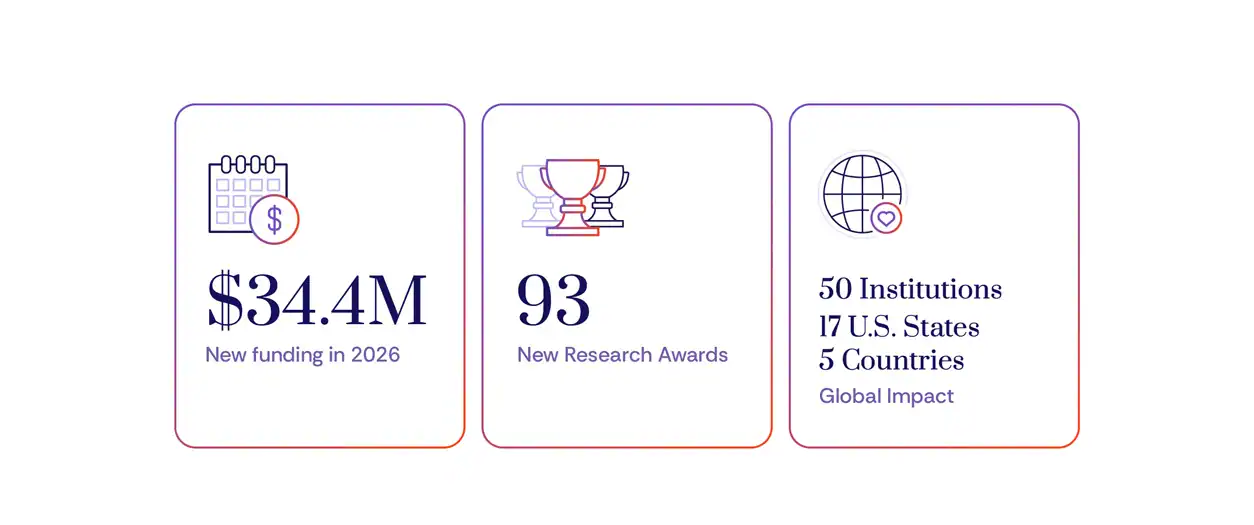
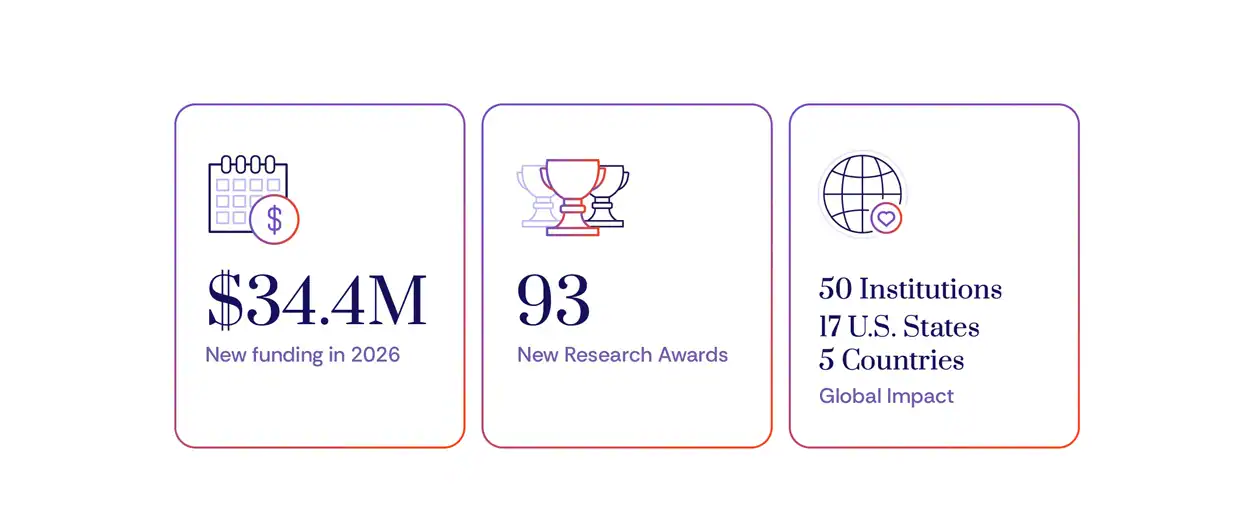
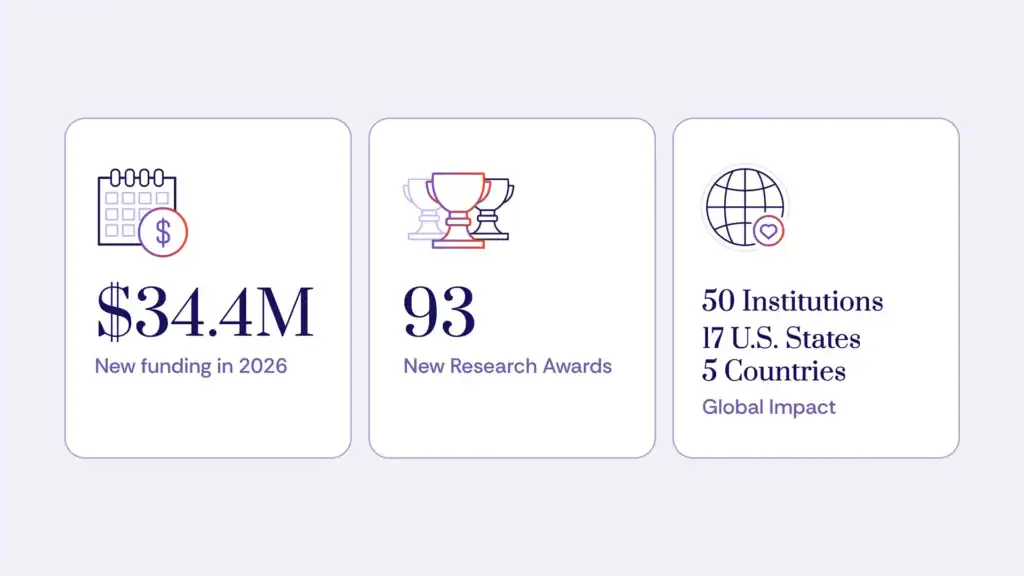
In a fiscal year marked by pervasive uncertainty and significant funding cuts across the national research landscape, the Cancer Research Institute (CRI) has demonstrated an unwavering commitment to advancing scientific discovery, announcing an unprecedented investment of $34.4 million in new funding. This substantial allocation, distributed across 93 awards, represents CRI’s largest grantmaking year ever in fiscal year 2025-26, reaching scientists at 50 institutions spanning five countries and 17 U.S. states. This proactive stance by CRI comes at a critical juncture for scientific progress, underscoring the organization’s dedication to nurturing innovation and ensuring the continuous forward momentum of cancer immunotherapy research, even when broader economic and political climates present formidable obstacles. The institute’s leadership affirmed that this deliberate choice was born from a recognition that moments of uncertainty are precisely when steadfast support for groundbreaking science becomes most crucial.
Navigating a Challenging Research Environment
The broader scientific community has faced a tumultuous period, with numerous research institutions and individual investigators grappling with tightened budgets, increased competition for dwindling federal grants, and a generally more precarious funding environment. Factors contributing to this climate often include fluctuating government priorities, economic downturns impacting philanthropic giving, and the ever-rising costs associated with cutting-edge scientific experimentation. For cancer research, a field where breakthroughs can take decades and require sustained, significant investment, such funding volatility poses a severe threat to long-term projects and the careers of promising scientists. The potential for research to stall, for critical discoveries to be delayed, or for talent to leave the field entirely becomes a tangible concern. Against this backdrop, CRI’s decision to not only maintain but significantly increase its investment stands as a powerful testament to its strategic foresight and dedication to its mission of conquering all cancers by fueling the development of immune-based treatments.
A Strategic Surge in Support: The 2025-26 Grantmaking Initiative
CRI’s record-setting $34.4 million commitment in fiscal year 2025-26 was not merely an increase in volume but a strategic deployment of resources designed to maximize impact. The 93 new awards were carefully distributed to support a diverse portfolio of research projects, from fundamental investigations into immune system mechanisms to translational studies aimed at bringing laboratory findings closer to patient applications. This broad reach, encompassing researchers in leading institutions across global scientific hubs and diverse U.S. states, reflects a commitment to identifying and supporting the most innovative ideas wherever they may emerge.
Dr. Jill O’Donnell-Tormey, CEO and Director of Scientific Affairs at the Cancer Research Institute, commented on the initiative, stating, "When the landscape becomes challenging, it is precisely when the mission of organizations like ours is tested. Our deliberate choice to ‘keep science moving forward’ was not just an aspiration but a strategic imperative. We understood that the breakthroughs of tomorrow depend on the sustained support of researchers today, particularly when other avenues of funding may be constrained. This record investment is a direct reflection of our unwavering belief in the power of immunotherapy and the brilliant minds driving its progress."
The significant financial outlay underscores CRI’s historical role as a nimble and responsive funder, often stepping in to support high-risk, high-reward research that might struggle to secure conventional funding. This approach has historically yielded disproportionate returns in scientific progress, enabling foundational discoveries that later attract broader investment and ultimately lead to clinical advancements.
The Cornerstone of Progress: Investing in the Scientific Journey
Beyond the impressive figures, CRI’s grantmaking philosophy is deeply rooted in the understanding that scientific progress is inextricably linked to the individuals driving it. The institute recognizes that behind every award is a scientist pursuing an important question, often at critical junctures in their professional development. These include early-career researchers launching their independent laboratories, mid-career investigators establishing ambitious programs, and seasoned leaders poised to shift the paradigm of the field. Each stage demands not only intellectual prowess and innovative ideas but also the essential resources, flexibility, and confidence that dedicated funders can provide.
For over seven decades, CRI has championed this philosophy, consistently investing in exceptional scientists long before their greatest discoveries come to fruition. This sustained support offers researchers the crucial freedom to follow compelling scientific leads, to pivot when necessary, and to undertake the inherent risks that often characterize truly meaningful, transformative progress. This long-term view contrasts sharply with more restrictive funding models that may prioritize immediate, tangible outcomes over the foundational, often exploratory, work that underpins major breakthroughs.
The IGNITE Award: Nurturing Independence at a Critical Juncture
A key component of CRI’s strategic investment in the scientific journey is the newly introduced CRI IGNITE Award, an acronym for "Inspiring Growth and Nurturing Independence Through Excellence." This award directly addresses one of the most consequential and vulnerable periods in a scientist’s career: the transition from postdoctoral training to establishing an independent research laboratory.
This transitional phase is fraught with challenges. Researchers must secure their own funding, develop entirely new lines of inquiry distinct from their mentors, build and manage a lab team, and generate sufficient preliminary data to compete for increasingly competitive long-term grants from federal agencies like the National Institutes of Health (NIH). Many promising ideas, despite their significant potential, can falter during this period not due to a lack of scientific merit, but because securing the necessary bridge funding and institutional support is extraordinarily difficult. This "valley of death" for early-career researchers represents a critical loss of talent and innovative potential for the entire scientific enterprise.
The IGNITE Award is meticulously designed to bridge this gap, providing crucial support precisely when talented researchers are poised to build their independent programs and embark on bold, original lines of inquiry. It offers not just financial resources but also the validation and confidence needed to take significant steps towards establishing a lasting impact in their chosen field. By investing in these nascent careers, CRI aims to cultivate the next generation of leaders in cancer immunotherapy, ensuring a robust pipeline of innovation for decades to come.
A Testament to Sustained Support: The Journey of Dr. Simone Park
The profound impact of CRI’s continuum of support is vividly exemplified by the trajectory of Dr. Simone Park, PhD, an inaugural IGNITE Award recipient at the University of Pennsylvania. Dr. Park’s journey with CRI began during her postdoctoral fellowship, a period when the institute first recognized her exceptional talent and the promise of her research. This early investment provided the foundational support she needed to develop her expertise and refine her scientific questions.
Now, as she transitions to establishing her independent research program, the IGNITE Award is playing a pivotal role. Dr. Park’s current research focuses on tissue-resident memory T cells – specialized immune cells that persist within tissues and hold immense potential for providing durable, long-lasting protection against cancer recurrence. Her work delves into the fundamental biological mechanisms that enable these cells to maintain their presence and function as potent anti-tumor defenders over extended periods. By unraveling the intricacies of their durability, Dr. Park aims to identify novel strategies for enhancing and prolonging immune protection against various cancers, potentially leading to more effective and sustained therapeutic outcomes for patients.
Dr. Park’s success story is more than an individual triumph; it underscores the profound value of supporting promising scientists across the entirety of their careers. CRI’s multi-tiered approach, encompassing postdoctoral fellowships, IGNITE Awards for independence, and the prestigious CRI Lloyd J. Old STAR Awards for established investigators pursuing high-risk, high-impact ideas, creates a cohesive continuum of support. This ensures that exceptional individuals have the resources and opportunities to advance their work at every pivotal moment, fostering their growth into the scientific leaders who will ultimately define the future of cancer immunotherapy.
"The support from CRI, initially as a postdoctoral fellow and now with the IGNITE Award, has been absolutely transformative," stated Dr. Park. "It has provided the crucial runway I needed to transition from my mentorship phase to launching my own independent laboratory. This isn’t just about funding; it’s about the freedom to explore ambitious ideas, take calculated risks, and build a program focused on answering fundamental questions that I believe will profoundly impact how we treat cancer in the future."
Beyond Grants: A Holistic Approach to Accelerating Discovery
CRI’s commitment to eradicating cancer extends far beyond its direct research awards. The institute adopts a comprehensive, holistic approach to accelerating discovery and translating complex biology into tangible benefits for patients. This multifaceted strategy includes:
- Advancing Clinical Studies: CRI actively supports innovative clinical trials designed to test new immunotherapy approaches and combinations, moving promising laboratory findings into patient care.
- Developing Data Programs and Shared Resources: Recognizing the increasing importance of big data in modern science, CRI invests in initiatives that facilitate data sharing, analysis, and the development of shared resources, enabling researchers to leverage collective knowledge and accelerate insights.
- Equipping Scientists with New Computational Skills: The institute understands that contemporary biomedical research demands proficiency in computational biology and bioinformatics. CRI supports training programs and resources to empower scientists with the necessary skills to analyze complex datasets and utilize advanced computational tools.
- Patient and Caregiver Support: Crucially, CRI recognizes that the journey through cancer is profoundly challenging for patients and their families. The institute provides trusted information and support resources to help patients and caregivers navigate the complexities of cancer immunotherapy, ensuring they have access to accurate, up-to-date knowledge and practical guidance.
Each of these investments contributes to a broader, interconnected ecosystem designed to relentlessly drive discovery forward. This integrated approach ensures that scientific breakthroughs are not isolated events but are nurtured within a supportive framework that facilitates their progression from basic science to clinical application, ultimately leading to better treatments and improved outcomes for patients worldwide.
A Record of Promises Kept: The 2026 Annual Impact Report
The unprecedented achievements of fiscal year 2025-26 will be comprehensively detailed in CRI’s forthcoming 2026 Annual Impact Report. This report will serve as a definitive record of the institute’s promises kept – promises made to the dedicated scientists whose bold ideas deserve every opportunity to flourish, to the countless patients eagerly awaiting new possibilities in their fight against cancer, and to the generous supporters whose belief in the transformative power of research makes this vital work possible.

"The 2026 Annual Impact Report will not just be a collection of statistics; it will be a narrative of resilience, commitment, and profound impact," stated a CRI spokesperson. "It will highlight how, even amidst global uncertainties, focused investment in brilliant minds and innovative science can yield extraordinary progress. This report will be a beacon of hope, illustrating the tangible steps we are taking towards a future free from the devastation of cancer."
Implications for the Future of Cancer Immunotherapy
CRI’s strategic funding during a period of widespread constraint has significant implications for the future trajectory of cancer immunotherapy. By prioritizing sustained investment in early-career and established scientists, the institute is actively cultivating a robust and diverse talent pool, ensuring that the field continues to attract and retain the brightest minds. The emphasis on high-risk, high-reward research, particularly through programs like IGNITE and the Lloyd J. Old STAR Awards, encourages innovative thinking and exploration of unconventional avenues that may lead to revolutionary breakthroughs.
The broader impact extends to patient care. Continued investment in fundamental and translational research accelerates the pace at which new immune-based therapies are developed, refined, and brought to the clinic. This directly translates to an expanding arsenal of treatment options for patients, offering hope where previously there might have been none. Furthermore, by supporting global collaborations and diverse research topics, CRI contributes to a richer understanding of cancer biology and immunology, paving the way for personalized and highly effective treatments.
The past year underscored a fundamental truth: uncertainty may alter the landscape in which science advances, but it does not change what progress fundamentally requires. It demands exceptional people with bold, transformative ideas, coupled with the sustained and flexible support necessary to bring those ideas to fruition. The Cancer Research Institute’s record-setting investment in fiscal year 2025-26 is a powerful declaration that the extraordinary work of conquering cancer is not only ongoing but is accelerating. And as the institute looks to the future, it affirms that, despite the challenges, it is truly just getting started.
