
 By Billy Candra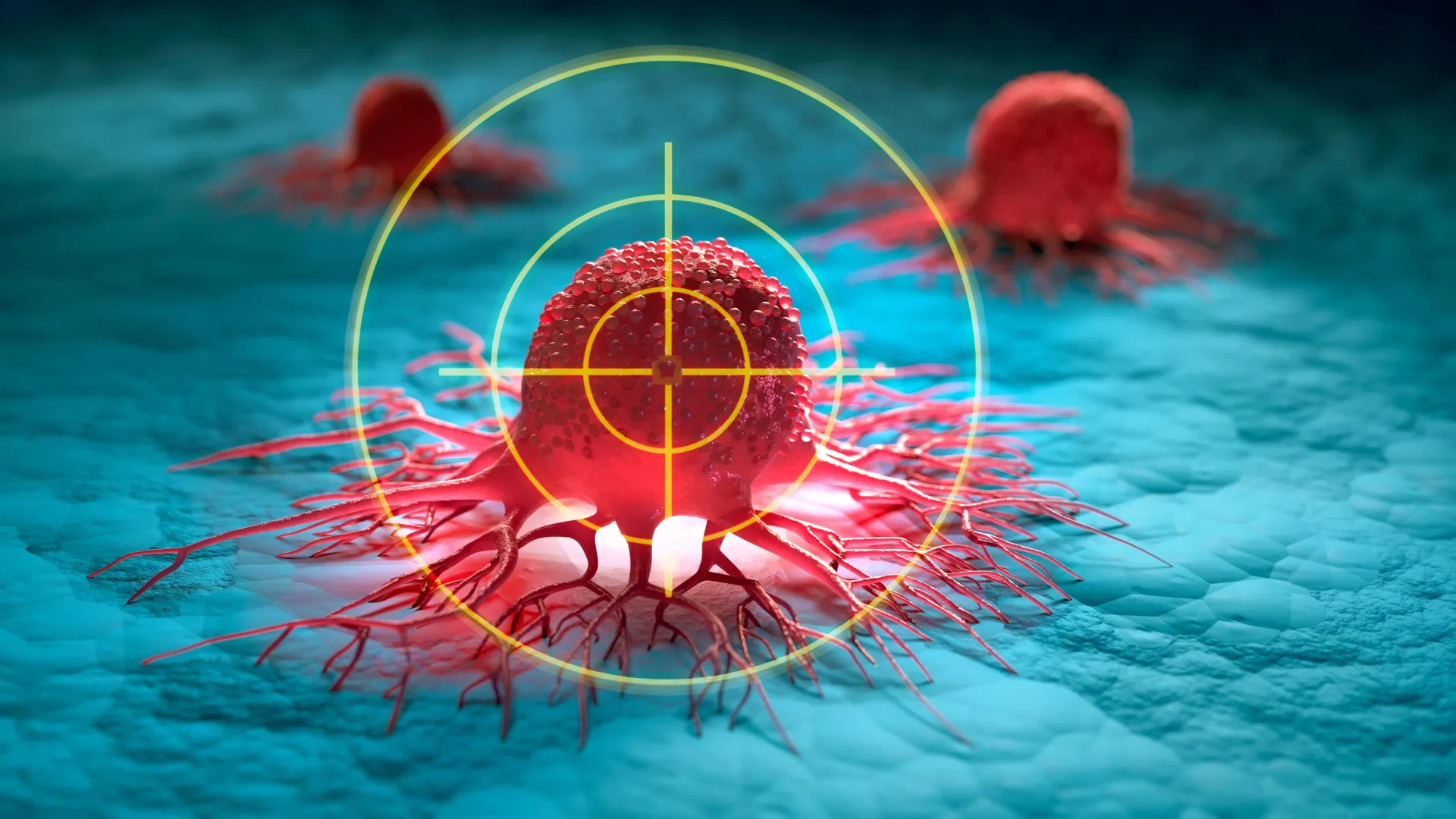
This innovative research, meticulously detailed in the January 22 online issue of Cancer Cell, a Cell Press Journal, demonstrated remarkable efficacy in aggressive preclinical models of metastatic ovarian and lung cancer. The findings herald a potentially transformative pathway for treating advanced solid tumors, a category of cancers notoriously resistant to existing immunotherapies and a major contributor to cancer-related mortality worldwide.
The Persistent Challenge of Metastatic Cancer
Metastatic cancer, the process by which cancer cells spread from their primary site to distant parts of the body, is the overwhelming cause of cancer-related deaths, accounting for approximately 90% of all fatalities. Despite significant advancements in oncology, treating metastatic solid tumors, such as those found in the lung and ovaries, remains an immense clinical challenge. These cancers often develop complex defense mechanisms, including an immunosuppressive tumor microenvironment (TME), which effectively neutralizes the body’s natural immune response and renders many conventional therapies ineffective.
According to the American Cancer Society, lung cancer alone is the leading cause of cancer death, with a five-year survival rate dropping significantly when the disease metastasizes. Ovarian cancer, often diagnosed at advanced stages due to its subtle symptoms, also presents a grim prognosis once it has spread. The critical need for novel strategies that can overcome these formidable biological barriers has driven researchers to explore unconventional avenues.
A Paradigm Shift: Targeting the Tumor Microenvironment
Traditional immunotherapies, including earlier generations of CAR T-cell therapies and checkpoint inhibitors, primarily focus on activating immune cells to recognize and destroy cancer cells directly. While highly successful in certain hematological (blood) cancers, their impact on solid tumors has been limited. This limitation largely stems from the solid tumor’s ability to create an impenetrable, immune-suppressing fortress around itself, preventing immune cells from infiltrating and executing their cytotoxic functions.
"What we call a tumor is really cancer cells surrounded by cells that feed and protect them. It’s a walled fortress," explains Dr. Jaime Mateus-Tique, lead study author and a faculty member in Immunology and Immunotherapy at the Icahn School of Medicine at Mount Sinai. He elaborated on the rationale behind their novel approach: "With immunotherapy, we kept running into the same problem – we can’t get past this fortress’s guards. So, we thought: what if we targeted these guards, turned them from protectors to friends, and used them as a gateway to bring a wrecking force within the fortress."
This perspective represents a significant paradigm shift. Instead of a direct assault on the cancer cells themselves, the Mount Sinai team strategically targets the tumor microenvironment (TME) – the complex ecosystem of cells, blood vessels, and signaling molecules that support tumor growth and metastasis. Central to this TME are tumor-associated macrophages (TAMs), immune cells that, under normal circumstances, play a vital role in healing and fighting infection. Within the tumor’s influence, however, these same macrophages are "reprogrammed" to become complicit in the cancer’s survival, actively suppressing immune responses, fostering tumor growth, and facilitating its spread.
Unpacking the "Trojan Horse" Strategy
The therapeutic inspiration drawn from the ancient Greek tale of the Trojan horse is particularly apt. Rather than attempting a frontal assault on the tumor, the therapy gains entry by covertly neutralizing its protectors. The treatment selectively targets and removes these tumor-associated macrophages, thereby dismantling the tumor’s protective shield and transforming the local environment from immune-suppressed to immune-active.
Macrophages are versatile immune cells that normally act as the body’s clean-up crew, engulfing cellular debris and pathogens, and orchestrating immune responses. However, within the confines of a tumor, they undergo a phenotypic switch, adopting roles that inadvertently benefit the cancer. These "reprogrammed" macrophages, or TAMs, contribute to angiogenesis (new blood vessel formation to feed the tumor), immunosuppression (disabling other immune cells), and even directly promoting cancer cell proliferation and migration. By neutralizing these cells, the Mount Sinai team aims to strip the tumor of its primary defenders, leaving it vulnerable to the immune system. Crucially, the therapy is designed to be highly selective, targeting only the macrophages within the tumor environment while leaving healthy macrophages elsewhere in the body unaffected, minimizing potential side effects.
Re-engineering CAR T Cells for a New Mission
The foundation of this innovative therapy lies in Chimeric Antigen Receptor (CAR) T cells. CAR T-cell therapy is a revolutionary form of immunotherapy where a patient’s own T cells (a type of immune cell) are extracted, genetically engineered in a lab to produce a new receptor (CAR) that allows them to recognize and bind to specific proteins on cancer cells, and then reinfused into the patient. These re-engineered T cells then act as "living drugs," seeking out and destroying cancer cells.
Historically, CAR T-cell therapies have achieved remarkable success in treating certain blood cancers like leukemia and lymphoma. However, their application to solid tumors has been fraught with challenges. One major hurdle is the difficulty in identifying suitable, unique cancer-specific targets (antigens) on solid tumor cells that are not also present on healthy cells, which could lead to severe "on-target, off-tumor" toxicity. Another is the aforementioned immunosuppressive microenvironment of solid tumors, which can render even successfully targeted CAR T cells ineffective.
To circumvent these challenges, the Mount Sinai researchers ingeniously redirected their CAR T cells. Instead of programming them to recognize cancer cells directly, they engineered them to specifically identify and eliminate tumor-associated macrophages. This strategic pivot addresses the antigen-specificity problem for solid tumors by targeting a common component of the TME rather than variable cancer cell markers.
Beyond merely targeting TAMs, the team further enhanced these CAR T cells. They were modified to act as miniature drug factories, releasing interleukin-12 (IL-12), a potent immune-stimulating cytokine, directly into the tumor microenvironment. IL-12 is known for its powerful ability to activate killer T cells and natural killer (NK) cells, thereby amplifying the immune system’s attack on the cancer. This dual-action approach – removing the tumor’s protective shield (TAMs) and simultaneously unleashing a potent immune activator (IL-12) – creates a highly hostile environment for cancer cells.
Dramatic Preclinical Success and Scientific Validation
The efficacy of this re-engineered CAR T-cell therapy was rigorously tested in aggressive preclinical models of metastatic ovarian and lung cancer. The results were compelling and highly encouraging. Mice treated with the engineered cells exhibited significantly prolonged survival, living months longer than their untreated counterparts. Remarkably, a substantial number of treated animals achieved complete cures, a rare and highly sought-after outcome in metastatic cancer models.
To precisely understand the mechanisms underpinning these dramatic outcomes, the researchers employed advanced spatial genomics techniques. These sophisticated analyses provided an unprecedented view into the molecular and cellular changes occurring within the tumors. They conclusively revealed that the treatment effectively reshaped the tumor microenvironment: the immune-suppressing macrophages were cleared, and there was a concomitant influx and activation of immune cells capable of killing cancer cells. This transformation was visually and molecularly evident, confirming the therapy’s ability to convert a "cold," immunosuppressive tumor into a "hot," immune-responsive one.
Broader Implications and a New Era for Immunotherapy
This novel approach holds profound implications for cancer treatment, particularly due to its "antigen-independent" nature. By targeting macrophages, which are ubiquitous in virtually all solid tumors, rather than relying on specific, often elusive, cancer cell markers, the strategy could potentially be applied to a vast array of different cancers. This includes many types that have historically proven refractory to traditional immunotherapy, offering hope where few options currently exist. The consistent effectiveness observed in both lung and ovarian cancer models strongly underscores its potential as a broadly applicable treatment platform.
"Macrophages are found in every type of tumor, sometimes outnumbering the cancer cells. They’re there because the tumor uses them as a shield," states Dr. Brian Brown, senior author of the study and Director of the Icahn Genomics Institute, Vice Chair of Immunology and Immunotherapy, and Associate Director of the Marc and Jennifer Lipschultz Precision Immunology Institute at the Icahn School of Medicine at Mount Sinai. He added, "What’s so exciting is that our treatment converts these cells from protecting the cancer to killing it. We’ve turned foe into ally." This sentiment reflects a growing recognition within the oncology community that effectively tackling cancer requires a multi-pronged approach, often extending beyond direct targeting of the malignant cells themselves.
The scientific community has been grappling with the limitations of current CAR T-cell therapies for solid tumors. This new strategy offers a powerful conceptual framework to overcome these hurdles. By disarming the tumor’s defenses from within and simultaneously boosting the immune response, it presents a compelling alternative to therapies that struggle against the tumor’s inherent resistance mechanisms. The potential to expand CAR T-cell therapy’s reach from primarily blood cancers to a broad spectrum of solid tumors could redefine treatment paradigms for millions of patients globally.
The Road Ahead: From Bench to Bedside
While the preclinical results are exceptionally promising, the researchers emphasize that these findings represent a crucial "proof of concept" rather than an immediate cure. The journey from successful animal studies to validated human therapies is long and arduous, requiring extensive clinical trials to ascertain both safety and efficacy in patients.
"This establishes a new way to treat cancer," reiterates Dr. Brown. "By targeting tumor macrophages, we’ve shown that it can be possible to eliminate cancers that are refractory to other immunotherapies." The immediate next steps for the Mount Sinai team involve further refining the approach in mouse models. A key area of focus is optimizing the precise control over where and how IL-12 is released within tumors. This fine-tuning is critical to maximize the therapy’s therapeutic impact while ensuring the highest possible safety profile as it progresses closer to potential human testing.
Beyond the immediate scope of lung and ovarian cancer, the researchers envision this strategy forming the basis for a new generation of CAR T therapies. These future treatments would fundamentally reshape tumors by targeting their critical support cells, rather than exclusively focusing on the cancer cells themselves. This broader vision suggests a future where immunotherapy could be tailored not just to the specific type of cancer cell, but to the unique immunological landscape of each patient’s tumor.
The detailed findings of this extensive collaborative effort are encapsulated in the paper titled, "Armored macrophage-targeted CAR-T cells reset and reprogram the tumor microenvironment and control metastatic cancer growth." The impressive list of authors includes Jaime Mateus-Tique, Ashwitha Lakshmi, Bhavya Singh, Rhea Iyer, Alfonso R. Sánchez-Paulete, Chiara Falcomata, Matthew Lin, Gvantsa Pantsulaia, Alexander Tepper, Trung Nguyen, Angelo Amabile, Gurkan Mollaoglu, Luisanna Pia, Divya Chhamalwan, Jessica Le Berichel, Hunter Potak, Marco Colonna, Alessia Baccarini, Joshua Brody, Miriam Merad, and Brian D. Brown, reflecting the multidisciplinary expertise required for such advanced biomedical research.
The work received substantial support from various esteemed organizations, including NIH grants (U01CA28408, R01CA254104), the Alliance for Cancer Gene Therapy, the Feldman Family Foundation, and the Applebaum Foundation, underscoring the significant investment and belief in the potential of this innovative research. As the scientific community closely watches, the Mount Sinai team’s "Trojan horse" strategy offers a beacon of hope for patients facing the daunting challenge of metastatic solid tumors, potentially ushering in a new era of immunotherapy that disarms cancer’s defenses from within.
