
 By Billy Candra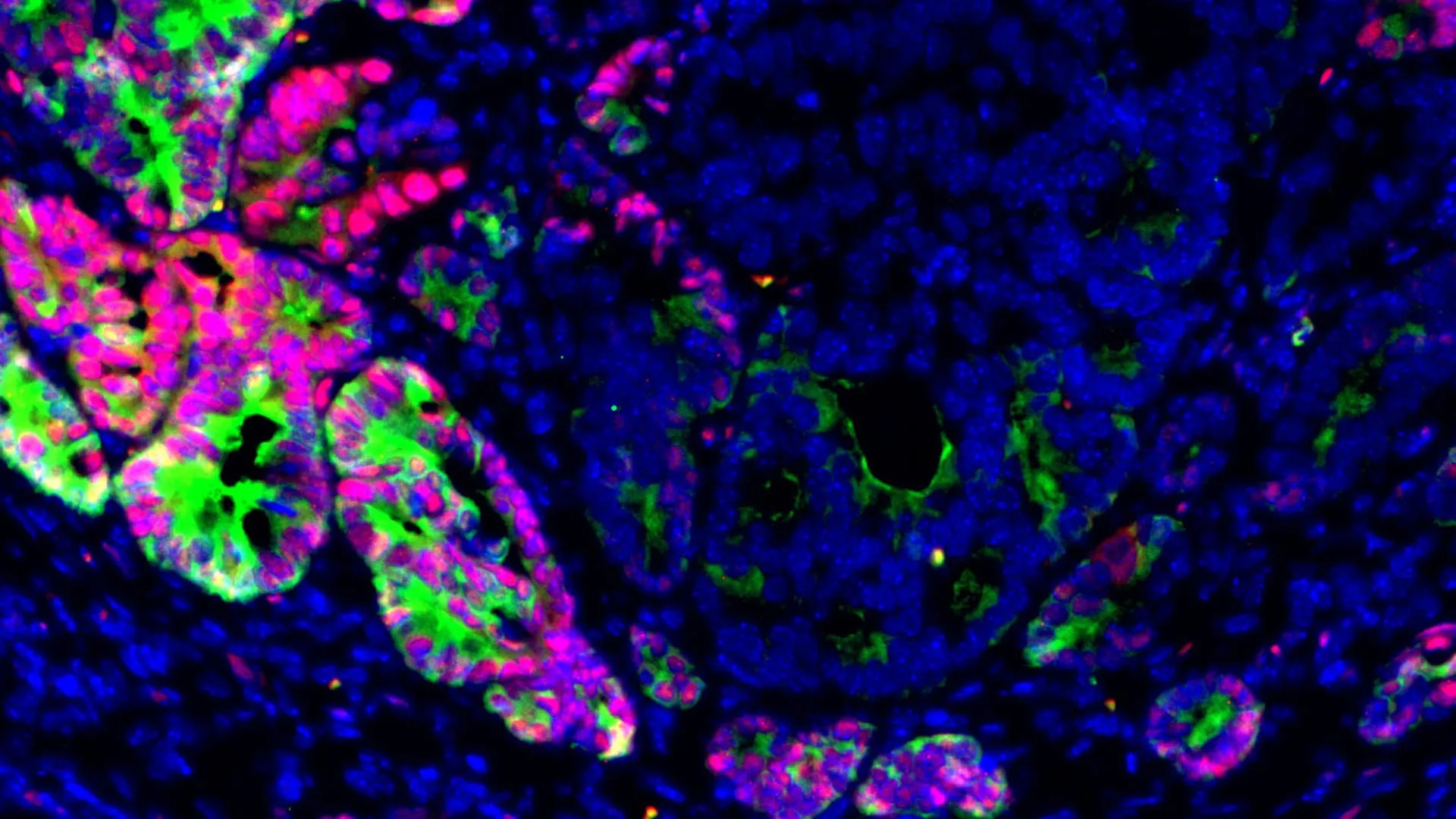
Researchers at Weill Cornell Medicine and the Massachusetts Institute of Technology have unveiled a pivotal mechanism that may facilitate the spread of colorectal cancer (CRC) to the liver, a development that often renders the disease far more challenging to treat and is the leading cause of mortality among CRC patients. Their groundbreaking findings, published on June 22 in the esteemed journal Cell Stem Cell, pinpoint the loss of GATA6, a crucial transcription factor responsible for regulating gene expression, as a key driver that pushes cancer cells into a more primitive, adaptable, and ultimately metastatic state. This profound understanding of how this cellular transformation occurs promises to open new avenues for developing targeted strategies aimed at preventing one of the deadliest aspects of colorectal cancer.
Colorectal cancer remains a formidable global health challenge. According to the World Health Organization, it is the third most commonly diagnosed cancer and the second leading cause of cancer death worldwide, with an estimated 1.9 million new cases and 935,000 deaths in 2020. In the United States alone, the American Cancer Society estimates over 150,000 new cases and more than 50,000 deaths annually. While early-stage CRC often responds well to treatment, the prognosis dramatically worsens once the cancer metastasizes, or spreads, to distant organs. The liver is the most common site for colorectal cancer metastasis, occurring in approximately 50-60% of patients. Once the cancer reaches the liver, the five-year survival rate plummets significantly, often falling below 15%, compared to over 90% for localized disease. This stark difference underscores the urgent need for a deeper understanding of the metastatic process and the development of effective interventions.
The Elusive Drivers of Metastasis
For decades, the scientific community has vigorously pursued the genetic mutations believed to trigger liver metastasis in colorectal cancer. The prevailing hypothesis centered on specific alterations within the DNA sequence of cancer cells that would confer metastatic capabilities. However, despite extensive research and advanced genomic sequencing technologies, no clear, consistent "driver mutations" specifically responsible for liver metastasis have definitively emerged. This lack of identifiable genetic culprits has long puzzled researchers and hindered the development of targeted therapies for metastatic disease.
The new study, however, shifts the paradigm, pointing towards a different and increasingly recognized mechanism: epigenetic changes. Unlike genetic mutations, which involve permanent alterations to the DNA sequence itself, epigenetic changes do not modify the DNA but rather influence which genes are turned "on" or "off" and, consequently, which proteins a cell produces. These modifications, such as DNA methylation or histone modifications, can dramatically alter cell behavior and identity without changing the underlying genetic code. This research suggests that such epigenetic reprogramming may be far more critical in promoting liver metastasis than previously understood genetic factors.
Dr. Norihiro Goto, assistant professor of medicine in the Division of Gastroenterology & Hepatology at Weill Cornell and a co-leader of the research, emphasized this critical distinction. "We discovered that GATA6 loss acts as a critical switch that can change cancer cells in the primary tumor from non-metastatic to pro-metastatic," Dr. Goto stated. "Our findings suggest that epigenetic changes may be more important for promoting liver metastasis." Dr. Saori Goto, an instructor in medicine at Weill Cornell, served as the first author of the seminal study, collaborating with Dr. Omer H. Yilmaz, associate professor of biology at the Massachusetts Institute of Technology, who also co-led the work.
GATA6: A Molecular Identity Keeper
In healthy intestinal cells, GATA6 normally functions as a molecular "identity keeper." It plays a vital role as a transcription factor, binding to specific DNA sequences to regulate the expression of genes essential for maintaining the specialized functions and mature identity of the cells lining the intestine. This includes ensuring they perform their roles in nutrient absorption and maintaining the gut barrier, preventing them from reverting to a less differentiated, more primitive state.
The study’s core discovery revealed a stark contrast in metastatic settings. The researchers found that GATA6 levels were significantly lower in liver metastases derived from both mouse models and human patients afflicted with colorectal cancer. Furthermore, this reduction in GATA6 expression was directly correlated with poorer patient outcomes, highlighting its potential prognostic significance. This observation strongly suggested that the disruption of GATA6’s normal function was not merely an incidental finding but a critical event preceding or accompanying the metastatic cascade.
Unraveling Metastasis Through Advanced Organoid Models
A significant challenge in studying metastasis has always been the inability to observe the early, dynamic cellular events that precede the formation of distant tumors. Traditional methods, such as analyzing tissue samples from established liver metastases, offer only a snapshot of the end stage of the process, making it difficult to discern the initial molecular and cellular transformations.
To overcome this limitation, the research team pioneered an innovative laboratory model utilizing organoids. These miniature, three-dimensional clusters of cancer cells are grown in vitro and remarkably recapitulate many of the architectural and functional characteristics of real tumors, providing a more physiologically relevant system than traditional two-dimensional cell cultures. As Dr. Norihiro Goto explained, "When researchers analyze patient samples from liver metastases, we fail to capture the important signals occurring in the early stages of the metastatic process."
To better understand these crucial early events, the scientists derived organoids directly from liver metastases and implanted them into the colons of mice. Over time, these implanted organoids developed into increasingly aggressive primary tumors that subsequently spread to the liver. Crucially, by repeating this process through several passages—taking cells from newly formed liver metastases and implanting them again—the team could meticulously observe and track how cancer cells progressively acquired and refined their metastatic abilities. This serial transplantation strategy provided an unprecedented view into the adaptive evolutionary journey of cancer cells towards metastasis.
Lineage Plasticity: The Key to Cellular Transformation
Through these meticulous experiments, the researchers uncovered that the loss of GATA6 directly promotes a phenomenon known as lineage plasticity. This is the remarkable ability of cells to alter their identity, switch between different cell types, and fundamentally change their behavior. When GATA6 was absent or significantly reduced, colorectal cancer cells did not simply malfunction; instead, they activated alternative genetic programs. This epigenetic reprogramming pushed them into a flexible, primitive, and notably, fetal-like state.
This transformed state confers several critical advantages to cancer cells, making them exceptionally well-equipped for metastasis. Cells in this plastic, fetal-like state are more robust, capable of surviving the harsh conditions of circulating through the bloodstream, evading immune surveillance, and ultimately establishing new tumors in distant organs like the liver. Such cellular reshaping is a normal, beneficial process in the body, employed during essential physiological events like wound repair, tissue regeneration, and adaptation to severe stress. However, in the context of cancer, this intrinsic biological program is hijacked, turning a survival mechanism into a driver of disease progression and lethality.
The LGR5 Marker and the Fetal-Like State
Further evidence supporting the role of lineage plasticity emerged from observations related to the LGR5 marker. LGR5 (Leucine-rich repeat-containing G-protein coupled receptor 5) is a well-established marker commonly found in intestinal stem cells, indicating a certain level of cellular differentiation and proliferative capacity within the normal gut lining. Earlier research has indicated that LGR5-negative cells possess a heightened capacity to initiate liver metastases.
The new study provided compelling evidence that the suppression or loss of GATA6 directly causes colorectal cancer cells to transition from an LGR5-positive state to an LGR5-negative state. These LGR5-negative cells, as observed, then displayed pronounced fetal-like characteristics, including enhanced migratory and invasive properties, making them highly capable of disseminating throughout the body and forming secondary tumors. Conversely, when the researchers genetically restored GATA6 activity within these cancer cells, or activated related signaling pathways that GATA6 normally influences, the metastatic potential of the colorectal cancer cells was significantly diminished.
Dr. Norihiro Goto further elaborated on these findings, stating, "When we genetically delete GATA6, the frequency and burden of liver metastases in mouse models significantly increase, while having little effect on primary tumor growth." This observation is particularly profound, as it suggests that metastasis is not merely a consequence of rapid primary tumor growth or increased tumor size. Instead, it strongly indicates that the ability to metastasize hinges more on specific, epigenetically driven transitions between cellular states, irrespective of the primary tumor’s bulk. Dr. Goto, who is also a member of the Jill Roberts Institute for Research in Inflammatory Bowel Disease and the Sandra and Edward Meyer Cancer Center at Weill Cornell, highlighted the implications of this decoupling of primary tumor growth from metastatic potential.
Potential Biomarker and Future Therapeutic Target
The profound findings from this research carry significant implications for both patient management and the development of novel cancer therapies. Firstly, the study raises the exciting possibility that GATA6 levels could serve as a valuable biomarker for assessing metastatic risk in colorectal cancer patients. Tumors exhibiting low GATA6 expression may harbor a higher proportion of cells capable of undergoing the metastasis-promoting cellular state switch. Such critical information could empower clinicians to identify patients at a heightened risk of developing liver metastases, allowing for closer monitoring, more aggressive upfront treatment strategies, or enrollment in preventative clinical trials. This personalized approach could significantly improve patient outcomes by intervening before widespread metastasis occurs.
Secondly, and perhaps more significantly, the study points towards an entirely new therapeutic strategy. Instead of solely focusing on eliminating fast-growing tumor cells, future treatments could be designed to maintain cellular identity or, critically, prevent cancer cells from adopting these highly flexible, pro-metastatic states. The challenge, as Dr. Norihiro Goto acknowledged, lies in developing therapies that specifically target these epigenetic processes in cancer cells without inadvertently interfering with normal tissue repair mechanisms, which often rely on similar biological programs of cellular plasticity. The delicate balance between targeting disease and preserving healthy physiological function will be a key consideration in future drug development.
Broader Impact and Future Directions
This research represents a significant leap forward in understanding the complex biology of colorectal cancer metastasis. It underscores the growing importance of epigenetic regulation in cancer progression, moving beyond a sole focus on genetic mutations. This paradigm shift could influence how cancer researchers approach other types of metastatic cancers, potentially revealing similar epigenetic switches that drive spread in different tumor types. The insights gained from this study contribute to the broader field of cancer biology by illuminating the intricate dance between cellular identity, plasticity, and disease progression.
Looking ahead, the research team has outlined several critical areas for future investigation. A primary focus will be on identifying unique vulnerabilities specific to GATA6-deficient cancer cells. Pinpointing these distinct weaknesses could pave the way for developing highly targeted therapies that selectively eliminate metastatic cells without harming healthy tissues. Additionally, the team plans to delve into how the tumor microenvironment—the complex ecosystem surrounding the cancer cells, including immune cells, stromal cells, and liver-specific signals—influences these crucial cellular transitions in preclinical models. Understanding these interactions is vital, as the microenvironment plays a significant role in supporting tumor growth and metastasis.
As Dr. Norihiro Goto concluded, "In addition to treating primary tumors, we need to find strategies to target the mechanism of liver metastasis. Our study is a step toward developing therapies that block the spread of cancer at the earliest stages." This research offers a beacon of hope for improving the prognosis and quality of life for countless individuals affected by colorectal cancer, moving us closer to a future where metastatic disease is no longer an insurmountable challenge but a treatable condition.
This research was supported in part by the Astellas Foundation; Research Abroad from Japan Society for the Promotion of Science; the National Institutes of Health (grants R00AG076987, 01CA254314,5U01CA25055, R01CA258523, R01CA25723, R01DK133919, R01DK140310, R01CA299955, and 3OT2CA297570); Pew-Stewart Trust; AFAR and Glenn Foundation for Medical Research Breakthroughs in Gerontology; Kenneth Rainin Foundation; Crohn’s & Colitis Foundation and Mark Foundation for Cancer Research.
