
 By admin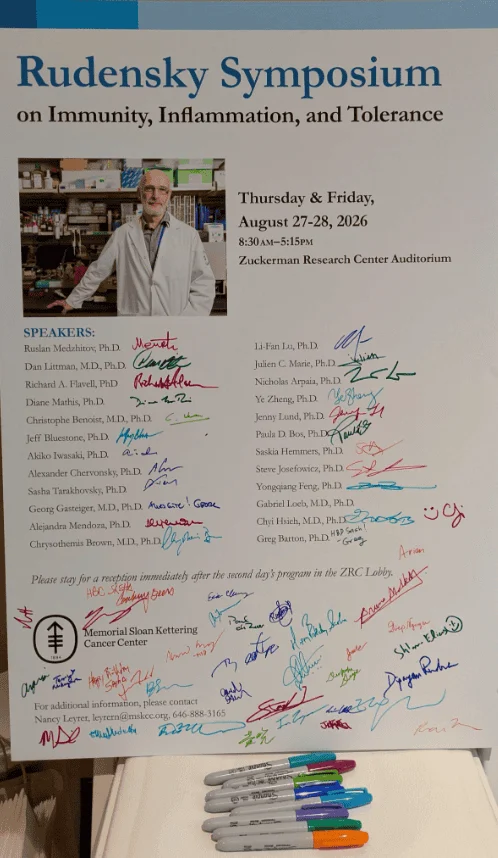
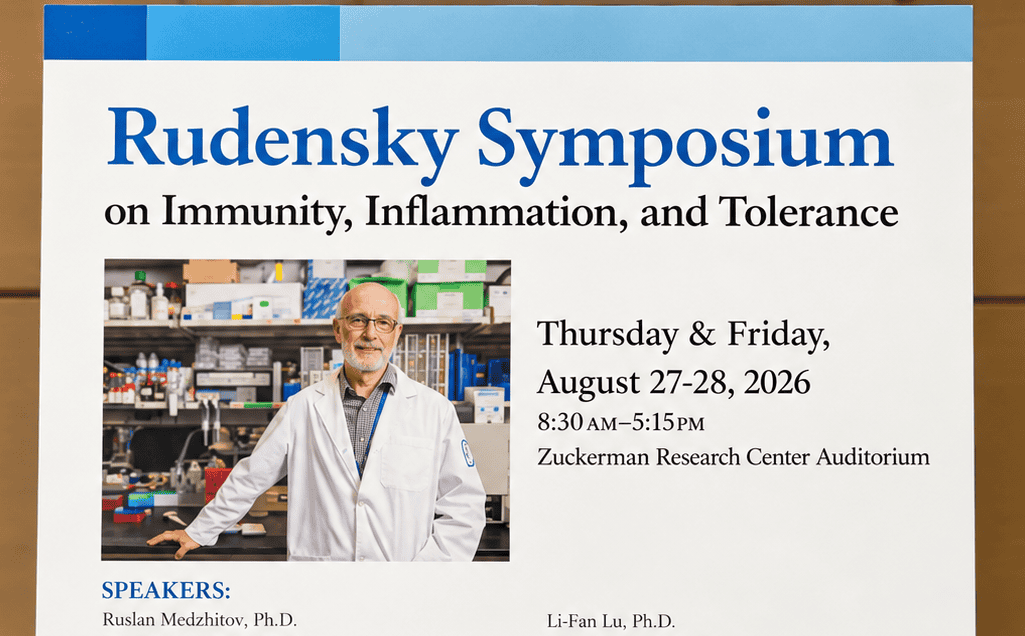
The Rudensky Symposium on Immunity, Inflammation and Tolerance, held on August 27–28, 2026, transcended the conventional scientific gathering, serving as both a profound academic forum and a heartfelt tribute to Dr. Alexander “Sasha” Rudensky on the occasion of his 70th birthday. Hosted in a vibrant academic setting, likely within the expansive network of Memorial Sloan Kettering Cancer Center, the event brought together an esteemed assembly of his former trainees, long-term collaborators, and distinguished colleagues, many of whom have shared scientific journeys spanning several decades. The meticulously curated scientific presentations were not merely intellectual exchanges but were frequently interwoven with personal anecdotes and shared memories, illuminating the profound impact of Dr. Rudensky’s mentorship and the enduring friendships that have indelibly shaped countless lives and illustrious careers within the immunology community. This confluence of cutting-edge research and personal reflection underscored the deeply human element at the heart of scientific discovery.
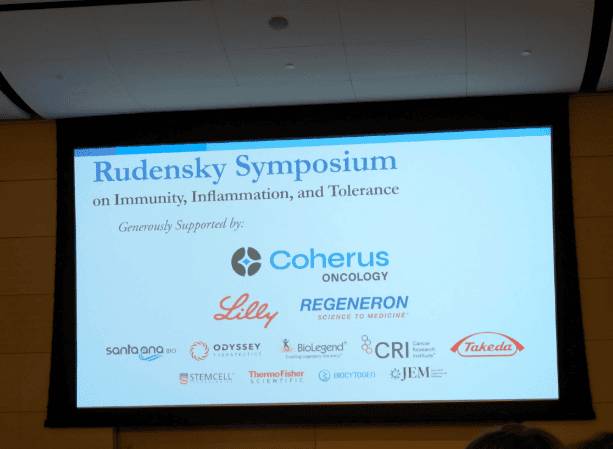
A pivotal supporter of this significant event, the Cancer Research Institute (CRI) proudly celebrated Dr. Rudensky, a distinguished member of its Scientific Advisory Council (SAC). For over two decades, CRI has been instrumental in backing Dr. Rudensky’s pioneering research and fostering his exemplary mentorship, extending support to more than a dozen CRI-funded fellows who have trained under his guidance. This enduring partnership reached a notable milestone in 2015 when Dr. Rudensky was honored with the prestigious CRI William B. Coley Award for his groundbreaking work on regulatory T cells, or Tregs – a specialized class of immune cells crucial for moderating excessive immune responses and safeguarding healthy tissues from inflammatory damage.
Dr. Rudensky’s Enduring Legacy and CRI’s Commitment to Foundational Science
Dr. Alexander Rudensky, a titan in the field of immunology, has dedicated his career to unraveling the complex mechanisms governing immune tolerance and the intricate functions of regulatory T cells. His laboratory at Memorial Sloan Kettering Cancer Center has been a crucible for transformative discoveries, particularly concerning the development, function, and therapeutic potential of Tregs. Before his seminal work, the precise role of these suppressive immune cells in maintaining self-tolerance and preventing autoimmunity was not fully understood. Dr. Rudensky’s research, beginning in the late 1990s and accelerating into the new millennium, elucidated how Tregs differentiate, recognize specific antigens, and exert their suppressive effects, fundamentally reshaping our understanding of immune regulation. This foundational knowledge has since paved the way for novel therapeutic strategies in autoimmune diseases, organ transplantation, and crucially, in cancer immunotherapy, where modulating Treg activity holds immense promise. His sustained contributions have cemented his status as a leading authority in the field, influencing generations of immunologists.
The CRI’s deep connection to this scientific community, exemplified by its sustained support for Dr. Rudensky, reflects a foundational commitment to funding basic immunology alongside targeted cancer immunology research. This strategic approach, which CRI has championed for over 70 years, is rooted in the conviction that a comprehensive understanding of the fundamental principles governing the immune system’s operation is indispensable for learning how to effectively harness its power against cancer. By investing in basic science, often funding projects that explore questions not immediately tied to oncology, CRI aims to uncover the bedrock knowledge upon which all translational and clinical advancements must ultimately stand. The symposium served as a powerful testament to this philosophy, showcasing how seemingly disparate inquiries into immune system mechanics invariably converge to offer new insights into cancer biology and treatment.
Indeed, a pervasive theme woven through the myriad discussions of tissue repair, the gut microbiome, immune tolerance, and cancer progression was the interconnectedness of biological processes. The delicate mechanisms that maintain homeostasis and prevent pathology in healthy tissues often exert profound influences on how cancer initiates, progresses, metastasizes, and responds to therapeutic interventions. Recognizing and deciphering these intricate connections is now opening entirely new avenues for cancer prevention and therapy, frequently stemming from discoveries that initially began with a different, seemingly unrelated biological question. This cross-pollination of ideas and methodologies highlights the serendipitous yet ultimately directed path of scientific progress, a journey that Dr. Rudensky has masterfully navigated throughout his career.
Unveiling Tissue Homeostasis: Insights from Basic Science
A significant portion of the symposium’s agenda was dedicated to presentations that, while not explicitly focused on oncology, unveiled fundamental biological principles with profound relevance to cancer research. These talks underscored CRI’s philosophy that foundational discoveries in immunology often illuminate unexpected pathways to cancer treatment.
Dr. Ruslan Medzhitov, a distinguished CRI scientist and 2003 CRI Coley Awardee, presented groundbreaking work on how stressed cells actively recruit macrophages to clear damaged cellular components – a process he compellingly described as immune cells serving as "tissue maintenance crews" rather than solely as defenders against infection. This paradigm shift suggests that macrophages play a vital, ongoing role in tissue surveillance and repair, continuously removing "cellular garbage" to maintain optimal function and prevent the accumulation of harmful debris. The implications for cancer are substantial: dysregulation of these maintenance functions could contribute to chronic inflammation, DNA damage accumulation, and the creation of a pro-tumorigenic microenvironment, making the understanding of basic macrophage biology critical for cancer prevention and therapy. This work fundamentally expands our understanding of innate immunity’s diverse roles.
The symposium further highlighted the expanded roles of regulatory T cells (Tregs) beyond their well-established function of suppressing immune responses. Dr. Diane Mathis, who alongside Dr. Christophe Benoist received the 2024 CRI Coley Award, elucidated distinct populations of Tregs that play crucial roles in facilitating tissue repair. Her research revealed that specific Treg subsets are instrumental in controlling inflammation following muscle injury, guiding the regeneration process, and significantly limiting scarring. This specialized function points to Tregs as key orchestrators of tissue integrity and regeneration, not just immune suppressors. Such discoveries suggest that Tregs could be selectively targeted to enhance tissue repair in various clinical contexts, including recovery from cancer therapies.
Complementing this, Dr. Christophe Benoist, co-recipient of the 2024 CRI Coley Award, presented findings demonstrating how the specific molecular target recognized by a Treg can profoundly influence its identity and functional specialization. This intricate level of specificity suggests that Tregs are not a monolithic population but rather a diverse army, each subset tailored to respond to particular signals and perform unique tasks within various tissues. These insights are paramount because the precision of immune restraint is critical: insufficient regulation can lead to debilitating autoimmunity and widespread tissue damage, while excessive suppression can inadvertently enable cancer cells to evade immune surveillance and proliferate unchecked. Targeting specific Treg subsets or their molecular targets thus offers a nuanced approach to modulating immune responses in disease, moving beyond broad immune suppression towards highly precise interventions.
Immunosurveillance: Intercepting Cancer at its Earliest Stages
The concept of cancer immunosurveillance – the immune system’s capacity to recognize and eliminate nascent cancer cells – has been a cornerstone of immunology for decades. However, recent research presented at the symposium pushed the boundaries of this concept, exploring how early immune interventions might prevent cancer from taking hold even before a visible tumor forms.
Dr. Richard A. Flavell, a renowned CRI scientist and 2012 CRI Coley Awardee, delved into this nascent stage of cancer development by studying mutant intestinal stem cells. His preclinical investigations in mouse models focused on cells carrying a cancer-linked BRAF mutation, a common oncogenic driver found in various human cancers. While these mutant cells initially gained a competitive survival advantage over their normal counterparts, Dr. Flavell’s team observed that a significant proportion of them were still eliminated by the immune system. This suggested an active, early immunosurveillance mechanism at play, even within the microscopic environment of the gut crypts.
Crucially, his experiments demonstrated that immune recognition is a determinant factor in which abnormal cells survive this early competitive phase. When mutant cells were genetically engineered to lose a key molecule involved in communicating with T cells, they were significantly more likely to expand and take over the small, specialized compartments where intestinal stem cells reside. Furthermore, Dr. Flavell’s research indicated that Tregs and the immune signal IL-10 appeared to play a vital role in restraining these early, potentially dangerous clonal expansions. While still preclinical, this work offers a powerful conceptual framework: the immune system may actively influence cancer development from the very moment a potentially dangerous cell emerges and begins to compete with its normal neighbors. This opens exciting possibilities for immunoprevention strategies, long before a full-blown malignancy manifests, by enhancing the immune system’s ability to clear these early aberrant cells.
Approaching the intricate inflammation-cancer nexus from a different angle, Dr. Julien C. Marie presented compelling data on how disruptions in regulatory signaling can drive oncogenesis. In his murine models, interfering with a crucial regulatory signal known as TGF-β pushed intestinal Th17 cells – another type of immune cell known for its role in inflammation – into a persistently inflammatory state. This chronic inflammation was directly associated with localized DNA damage and, eventually, the development of cancer. Importantly, Dr. Marie’s work demonstrated that restoring the TGF-β signal could reverse aspects of this harmful inflammatory state, suggesting that even established inflammatory programs linked to cancer development may retain a degree of flexibility and could potentially be modulated therapeutically to prevent or reverse disease progression. This research highlights the critical balance maintained by regulatory cytokines and the potential for targeted interventions to interrupt inflammatory pathways that fuel cancer.
The Tumor Ecosystem: Beyond the Cancer Cell
The symposium also highlighted the increasingly recognized importance of the tumor’s wider ecosystem – the complex interplay between cancer cells, immune cells, stromal cells, and even the microbiome – in shaping disease progression and treatment response. This holistic view of cancer biology is driving many contemporary therapeutic innovations.
Dr. Dan Littman, a distinguished CRI SAC member and 2016 CRI Coley Awardee, presented his seminal preclinical work connecting the gut microbiome to the efficacy of cancer immunotherapy. His research explored how commensal gut bacteria actively ‘train’ T cells and profoundly influence responses to checkpoint immunotherapy, even affecting cancers located far from the intestine. This groundbreaking work illustrates how an immune response initiated or modulated within the gut can exert systemic effects, influencing anti-tumor immunity in distant organs. These findings underscore the potential for microbiome-based interventions, such as specific dietary changes or probiotic/fecal microbiota transplantation, to enhance the effectiveness of current immunotherapies and broaden their applicability to a wider patient population.
Dr. Paula D. Bos shed light on how Tregs can indirectly influence breast cancer progression by interacting with other components of the tumor microenvironment, specifically macrophages and the physical scaffolding (extracellular matrix) surrounding a tumor. Her research demonstrated that temporarily removing Tregs in mouse models of breast cancer shifted macrophages towards a more tumor-fighting (M1-like) state. Concurrently, this intervention disrupted the highly aligned collagen fibers that often act as ‘highways’ for cancer cells to escape the primary tumor and metastasize. Consequently, these mice exhibited fewer circulating tumor cells and significantly less metastatic disease. This work is critical because the goal is not a broad, potentially harmful elimination of all Tregs, which could trigger severe autoimmunity. Instead, these experiments reveal more specific, nuanced ways to influence macrophage behavior and impede tumor spread, potentially through targeted modulation of Treg-macrophage interactions or the enzymatic degradation of the tumor matrix.
Further expanding on the concept of immune-suppressive tumor neighborhoods, Dr. Nicholas Arpaia presented his group’s identification of a specific fibroblast population that actively recruits suppressive Tregs around lung tumors. Understanding these cellular interactions within the tumor microenvironment is crucial for developing strategies to ‘re-educate’ the local immune response and transform a ‘cold’ (non-responsive) tumor into a ‘hot’ (immunologically active) one. Dr. Arpaia also detailed innovative work developed in collaboration with CRI Lloyd J. Old STAR Dr. Tal Danino, which involves engineering bacteria to deliver immunomodulatory therapies directly inside tumors. This highly localized delivery system aims to concentrate immune-stimulating treatments precisely where they are needed most, minimizing systemic side effects and maximizing anti-tumor efficacy. Such approaches represent a significant leap forward in precision immunotherapy, transforming the tumor itself into a therapeutic factory.
The Human Element: Mentorship, Collaboration, and Future Horizons
The Rudensky Symposium served as a powerful reminder that scientific breakthroughs in cancer research are not merely the product of isolated experiments but emerge from a vibrant ecosystem of basic questions about immune cells, tissue dynamics, and their intricate interactions. More profoundly, the symposium underscored that sustained progress fundamentally depends on robust mentorship, fostering open collaboration, encouraging rigorous intellectual disagreement, and upholding the academic freedom to pursue questions whose immediate clinical relevance may not always be obvious.
The palpable presence of generations of scientists gathered in one room – from established leaders to emerging postdoctoral fellows – made the "ripple effect" of mentorship and scientific lineage vividly tangible. This intergenerational exchange, where former trainees now stand as mentors themselves, and foundational discoveries seed and nourish new scientific domains, epitomizes the very spirit of scientific advancement. "The atmosphere here is truly unique," commented one senior attendee, reflecting on the symposium. "It’s a testament to Sasha’s incredible legacy that his scientific family, spread across the globe, has come together not just to share data, but to celebrate the bonds that make science such a fulfilling endeavor." A representative from the Cancer Research Institute added, "Dr. Rudensky embodies the ideal CRI-funded scientist – brilliant, collaborative, and deeply committed to nurturing the next generation. This symposium perfectly encapsulates CRI’s mission to support both groundbreaking science and the exceptional people who drive it."
For over 70 years, the Cancer Research Institute has been a steadfast investor in this foundational pursuit of discovery, meticulously supporting not only the cutting-edge science but, just as importantly, the brilliant individuals who are dedicated to carrying it forward. The Rudensky Symposium brought this long-term commitment vividly to life: showcasing how trainees evolve into influential mentors, how seminal discoveries seed and nourish new scientific domains, and how collaborative endeavors seamlessly connect fundamental biological questions to the overarching and shared goal of improving patients’ lives through revolutionary immunotherapies. The collective insights shared over these two days painted a compelling picture of a future where a deeper understanding of immune tolerance and tissue homeostasis can unlock unprecedented strategies for cancer prevention, early intervention, and more effective treatments. As the scientific community continues to build upon the formidable legacy of pioneers like Dr. Alexander Rudensky, the promise of harnessing the immune system to conquer cancer moves ever closer to reality, driven by a relentless pursuit of knowledge and an unwavering commitment to human health.
