
 By admin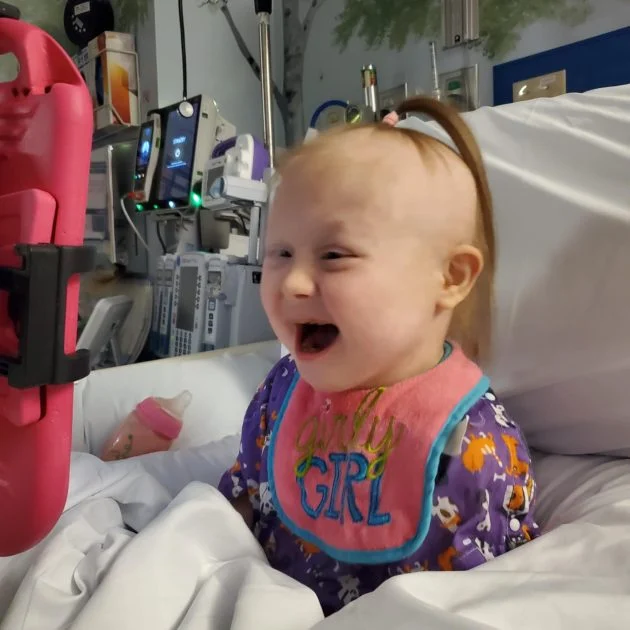
The landscape of pediatric oncology is defined by stories of profound courage, medical complexity, and the unwavering strength of families facing the unimaginable. Among these stories is that of Lauren Kate, a nine-year-old girl from Tennessee whose recent diagnosis of B-Cell Acute Lymphoblastic Leukemia (ALL) has set her on a rigorous path of medical intervention and recovery. Born with Down syndrome, Lauren Kate had already demonstrated a lifetime of resilience before her cancer diagnosis, but the events following September 23, 2025, have required a new level of endurance from both the young girl and her dedicated support system. Her journey highlights not only the individual struggle of a "warrior" but also the broader clinical challenges and the critical importance of specialized pediatric care in the United States.
The Chronology of Diagnosis: From Concern to Clinical Intervention
The transition from a typical childhood routine to a life-altering medical crisis often occurs with startling speed. For Lauren Kate’s family, the first signs of illness were subtle but persistent. In the weeks leading up to her diagnosis, her mother observed a noticeable shift in Lauren’s energy levels and behavior. The vibrant nine-year-old, known for her love of the television program Bubble Guppies and her close bond with her sister, Emma, began exhibiting signs of extreme fatigue and lethargy that were uncharacteristic of her usual self.
The pivotal moment of concern arrived when her mother discovered large, palpable bumps under Lauren’s neck—a clinical sign of lymphadenopathy, or swollen lymph nodes. Recognizing the potential gravity of these symptoms, her family secured an urgent appointment with their primary care physician. During this initial consultation, preliminary blood work revealed a highly abnormal white blood cell count, a primary indicator of hematologic distress. The medical team acted with immediacy, directing the family to East Tennessee Children’s Hospital in Knoxville for specialized emergency evaluation.
The hours following their arrival at the hospital were characterized by high-stakes diagnostic testing. On September 23, 2025, the clinical team confirmed the diagnosis: B-Cell Acute Lymphoblastic Leukemia. For the family, the announcement brought a wave of shock and disbelief, yet it also provided a definitive framework for the battle ahead. The diagnosis marked the end of uncertainty and the beginning of an intensive, multi-year treatment protocol designed to eradicate the malignant cells from Lauren’s body.
Understanding B-Cell Acute Lymphoblastic Leukemia (ALL)
B-Cell Acute Lymphoblastic Leukemia is a type of cancer that originates in the bone marrow, the soft tissue inside bones where blood cells are produced. In patients with ALL, the bone marrow creates an overabundance of immature white blood cells known as lymphoblasts. These abnormal cells fail to function as healthy B-cells—which are responsible for producing antibodies and fighting infection—and instead crowd out healthy red blood cells, white blood cells, and platelets.
According to the American Cancer Society, ALL is the most common form of leukemia in children, accounting for approximately three out of four pediatric leukemia cases. While the diagnosis is devastating, advancements in medical research have significantly improved the prognosis for pediatric patients. The five-year survival rate for children with ALL now exceeds 90% in the United States, a testament to the evolution of chemotherapy and targeted therapies. However, the journey to remission is arduous, often involving several phases of treatment including induction, consolidation, and long-term maintenance.
The Intersection of Down Syndrome and Pediatric Leukemia
Lauren Kate’s journey is further complicated by her underlying diagnosis of Down syndrome (Trisomy 21). Medical literature has long established a significant correlation between Down syndrome and an increased risk of developing certain types of leukemia. Children with Down syndrome are estimated to be 20 times more likely to develop Acute Lymphoblastic Leukemia than their peers in the general population.
The genetic basis for this increased susceptibility is a subject of ongoing research. The presence of an extra 21st chromosome affects the regulation of blood cell production and can lead to specific mutations that predispose individuals to hematologic malignancies. While children with Down syndrome often face higher toxicities from traditional chemotherapy, they also frequently show a highly favorable response to treatment, particularly in certain subtypes of leukemia. This necessitates a delicate balancing act for oncologists, who must tailor dosage and supportive care to maximize efficacy while minimizing the physical toll on the patient’s body.
Clinical Procedures and the Path of Treatment
Since her diagnosis in late 2025, Lauren Kate has undergone a series of invasive and taxing medical procedures. Central to her treatment has been the insertion of a port-a-cath, a device placed under the skin that allows the medical team to administer chemotherapy and draw blood without repeated needle sticks. This is a standard but significant step for pediatric oncology patients, symbolizing the long-term nature of their clinical care.
Lauren’s regimen has also included multiple lumbar punctures, often referred to as spinal taps. These procedures are essential for both diagnostic and therapeutic purposes; they allow doctors to check the cerebrospinal fluid for the presence of leukemia cells and to administer "intrathecal" chemotherapy directly into the central nervous system. This proactive approach is vital for preventing the cancer from spreading to the brain and spinal cord, a common site for relapse in ALL patients.
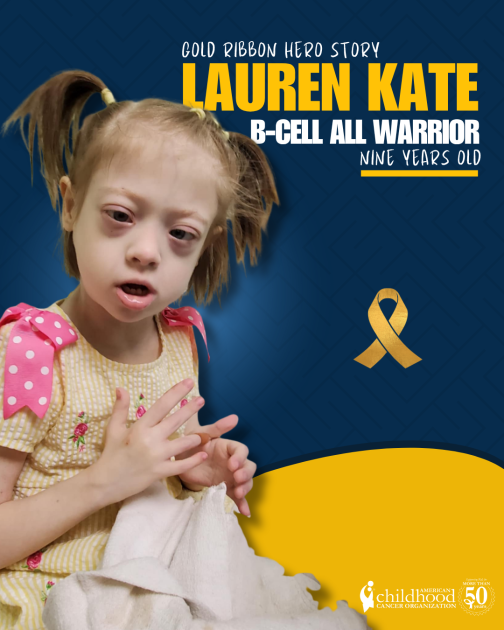
In addition to these procedures, Lauren has endured bone marrow aspirations and biopsies to monitor her response to chemotherapy. The physical strain of these treatments is compounded by the emotional and social impact of "countless days away from home," as she remains under the close supervision of the oncology team at East Tennessee Children’s Hospital.
The Role of Family and the Psychological Impact of Childhood Cancer
While the medical team focuses on the biological battle, the psychological and emotional burden of childhood cancer falls heavily on the family unit. For Lauren Kate, her sister Emma serves as a vital source of normalcy and joy. Maintaining the bond between siblings is a critical component of pediatric recovery, as it provides the patient with a sense of identity beyond their diagnosis.
Statements from the family reflect a dual reality: the "hard days" of treatment-induced illness and the "vibrant, fun-loving" moments where Lauren’s personality shines through. Experts in pediatric psycho-oncology emphasize that the ability to find joy in small things—such as a favorite television show like Bubble Guppies—is a key coping mechanism for children navigating the trauma of chronic illness.
The impact on parents is equally profound. The transition from caregiver to "medical manager" involves navigating complex insurance landscapes, managing medication schedules, and providing constant emotional support while grappling with their own fears. The rally of support around Lauren Kate demonstrates the necessity of a "village" in the face of pediatric cancer, involving extended family, friends, and specialized organizations.
Regional Excellence: East Tennessee Children’s Hospital
The role of East Tennessee Children’s Hospital (ETCH) in Lauren’s care highlights the importance of regional pediatric specialty centers. As a comprehensive facility, ETCH provides access to pediatric-specific hematologists, oncology nurses, and child life specialists who are trained to communicate with children in age-appropriate ways. For families in the Appalachian region and East Tennessee, having access to such a facility is crucial, as it reduces the need for long-distance travel to national centers while providing a high standard of care that follows National Comprehensive Cancer Network (NCCN) guidelines.
The hospital’s ability to quickly mobilize diagnostic resources on the day of Lauren’s referral was instrumental in her early prognosis. In pediatric leukemia, the time between the onset of symptoms and the initiation of induction therapy can be a critical factor in long-term outcomes.
Broader Implications and the Importance of Advocacy
Lauren Kate’s story is a microcosm of the larger struggle against childhood cancer in the United States. Despite the high survival rates for ALL, cancer remains the leading cause of death by disease for children past infancy. Organizations such as the American Childhood Cancer Organization (ACCO) play a pivotal role in bridging the gap between medical treatment and family support.
Advocacy groups focus on several key areas:
- Research Funding: Only a small fraction of federal cancer research funding is dedicated specifically to pediatric cancers. Most treatments used today were developed decades ago and can have long-term "late effects" on developing bodies.
- Legislative Support: Advocacy for policies that provide paid leave for parents of critically ill children and better insurance coverage for experimental treatments.
- Educational Resources: Providing families with the information they need to understand complex diagnoses like B-Cell ALL.
The call to action—"Together, we can make a difference"—is more than a slogan; it is a necessity. Funding for pediatric cancer research is essential for developing "precision medicine" that can target leukemia cells more effectively with fewer side effects, a particularly important goal for children with Down syndrome who may have unique sensitivities to standard drugs.
Conclusion: A Legacy of Strength
As Lauren Kate continues her fight against B-Cell Acute Lymphoblastic Leukemia, her journey serves as a reminder of the fragility of health and the incredible strength of the human spirit. Her status as a "warrior" is earned through every round of chemotherapy and every day spent in the hospital. While the road ahead remains long, the combination of advanced medical protocols, the expertise of East Tennessee Children’s Hospital, and the unwavering love of her family provides a foundation of hope.
The broader community is encouraged to view Lauren’s story not just as a narrative of illness, but as an invitation to support the infrastructure of childhood cancer care. Whether through donations to research, blood drives, or community support for families in crisis, the collective effort ensures that children like Lauren Kate do not have to fight their battles alone. Her vibrant spirit, even in the face of ALL, remains a testament to the resilience that defines the thousands of children diagnosed with cancer each year.
