
 By Gabriel Paijo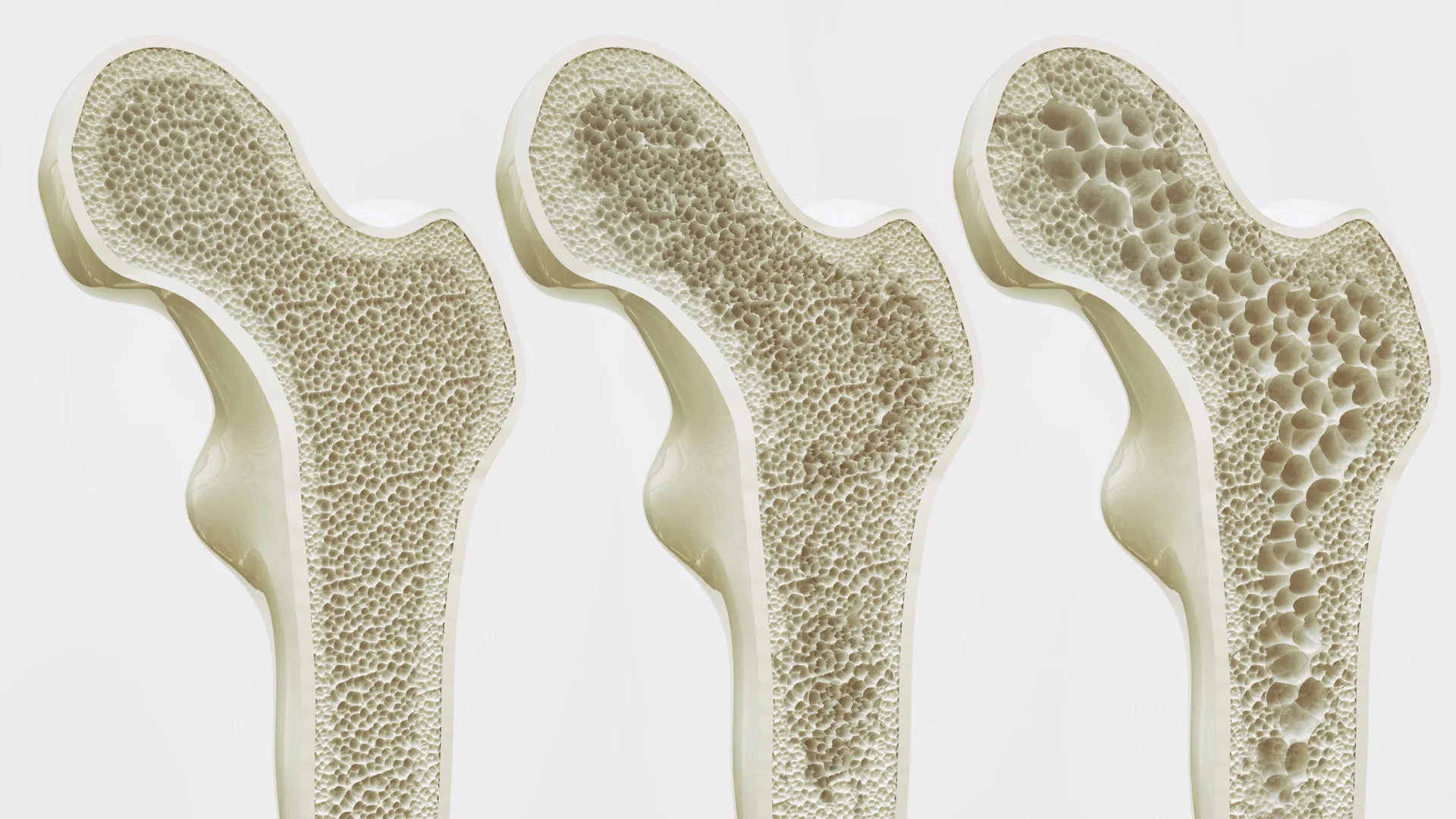
A comprehensive meta-analysis published in the British Medical Journal (BMJ) has challenged decades of conventional medical wisdom regarding geriatric bone health, concluding that routine supplementation of calcium and vitamin D provides little to no clinical benefit in preventing falls or fractures for the majority of older adults. The study, which synthesized data from dozens of randomized controlled trials involving hundreds of thousands of participants, suggests that the multi-billion-dollar global supplement industry may be offering a solution that fails to address the underlying physiological risks associated with aging.
Falls represent one of the most significant public health challenges for an aging global population. According to data from the Centers for Disease Control and Prevention (CDC) and similar international health bodies, approximately one in three adults aged 65 and older experiences a fall each year. These incidents are not merely minor accidents; they are the leading cause of both fatal and non-fatal injuries among seniors. A single fall can precipitate a cascade of health declines, including hip fractures, chronic pain, and traumatic brain injuries. Beyond the physical toll, the loss of independence and the psychological fear of falling often lead to social isolation and a transition into long-term residential care. Consequently, identifying effective preventative strategies is a priority for healthcare systems worldwide.
A Historical Context of Bone Health Recommendations
For more than half a century, calcium and vitamin D have been the dual pillars of bone health advocacy. Calcium is the primary mineral found in bones, providing the structural framework necessary for skeletal integrity. Vitamin D serves as a critical hormonal precursor that facilitates the absorption of calcium in the gut and maintains adequate serum phosphate concentrations to enable normal mineralization of bone.
The medical community’s reliance on these supplements gained significant momentum in the 1990s and early 2000s. During this period, several influential studies suggested that supplementing the diet with these nutrients could reverse age-related bone loss. This led to a surge in clinical guidelines recommending daily intake of 1,000 to 1,200 mg of calcium and 600 to 800 IU of vitamin D for older populations. The market responded accordingly; vitamin D prescriptions and over-the-counter sales have risen substantially over the last two decades, fueled by a growing public perception of vitamin D as a "panacea" for various ailments, ranging from bone density to immune function.
However, as more rigorous, large-scale data emerged, the scientific consensus began to fracture. While early observational studies showed a correlation between high vitamin D levels and better bone health, later randomized controlled trials—the gold standard of medical evidence—frequently failed to replicate the same protective effects. The recent BMJ review represents the most definitive effort to date to reconcile these conflicting findings.
Methodology: The Rigor of the BMJ Review
To provide a conclusive answer to these lingering questions, a team of researchers in Canada conducted a systematic review and meta-analysis of 69 randomized controlled trials (RCTs). The scope of the study was vast, encompassing data from 153,902 participants. By focusing on RCTs, the researchers aimed to minimize the "healthy user bias" often found in observational studies, where individuals who take supplements are also more likely to engage in other healthy behaviors like regular exercise and balanced dieting.
The researchers categorized the trials into three primary intervention groups:
- Calcium supplementation alone compared to a placebo or no treatment.
- Vitamin D supplementation alone compared to a placebo or no treatment.
- Combined calcium and vitamin D supplementation compared to a placebo or no treatment.
A critical component of this review was the establishment of "clinically meaningful thresholds." The researchers did not merely look for statistical significance—which can sometimes be found in very large datasets even if the real-world effect is negligible—but rather for a degree of risk reduction that would actually change a patient’s life or a clinician’s approach to care.
Analyzing the Data: High Certainty of Minimal Benefit
The findings of the meta-analysis were strikingly consistent across different categories. After adjusting for various risk factors, the researchers found that the evidence did not support the routine use of these supplements for the general older population.
Calcium Alone
Based on moderate-certainty evidence from 11 trials involving 9,067 participants, the researchers concluded that calcium supplements alone had little to no effect on the risk of experiencing any type of fracture. While calcium is essential for bone density, the study suggests that for those already consuming a standard diet, additional supplementation does not provide a protective "buffer" against the impact of a fall.
Vitamin D Alone
The evidence regarding vitamin D was even more robust. Drawing from 36 trials involving 92,045 participants, the researchers reported high-certainty evidence that vitamin D supplementation alone does not meaningfully reduce the risk of fractures or falls. This is particularly significant given the widespread popularity of vitamin D as a standalone supplement.
Combined Supplementation
The most common clinical recommendation—taking calcium and vitamin D together—was also scrutinized. Analyzing 15 trials with 51,126 participants, the researchers found high-certainty evidence that the combination therapy offered no significant protection against fractures or falls compared to a placebo.
Even when the analysis was narrowed down to specific high-risk outcomes, such as hip fractures—which are associated with the highest rates of mortality and disability in the elderly—the results remained the same. The data consistently showed that neither supplement, alone or in combination, provided the "shield" that many patients and doctors had hoped for.
Critical Exceptions and Nuances
Despite the broad nature of the findings, the researchers emphasized that the results are not a "one-size-fits-all" directive to stop all supplementation. There are specific cohorts for whom calcium and vitamin D remain vital.
Individuals diagnosed with osteoporosis—a condition characterized by severely weakened bones—often require these supplements as part of a broader pharmacological treatment plan. Many osteoporosis medications, such as bisphosphonates, require adequate levels of calcium and vitamin D to function effectively. Furthermore, individuals with specific metabolic bone disorders or those with severe, clinically diagnosed vitamin D deficiencies (osteomalacia) still require targeted supplementation.
The study’s conclusions primarily apply to "community-dwelling" older adults—those living independently who do not have a diagnosed bone disease. The researchers also noted that the evidence was less clear for institutionalized individuals, such as those in nursing homes, who may have much lower baseline levels of vitamin D due to lack of sunlight exposure and may benefit more from supplementation.
The Call for a Paradigm Shift in Clinical Guidelines
The implications of this study are profound for the medical community. The researchers explicitly stated that their findings "do not support routine supplementation with calcium or vitamin D, or combined supplementation to prevent fractures and falls." They have called upon clinicians, guideline panels, and regulatory agencies to re-evaluate their general recommendations.
An accompanying editorial in the BMJ echoed these sentiments, suggesting that the focus of public health funding and clinical attention should shift away from the "supplement cabinet" and toward more effective, evidence-based interventions. The editorial noted that while supplements are an easy "fix" to prescribe, they may be distracting from more difficult but more effective lifestyle changes.
Moving Toward More Effective Interventions: The Role of Exercise
If supplements are not the answer to preventing falls and fractures, what is? The BMJ report and its associated editorial point toward physical intervention as a more reliable strategy.
Evidence consistently shows that balance training and resistance exercise offer meaningful protection against the injuries associated with aging. Resistance exercise, such as weightlifting or using resistance bands, helps maintain muscle mass (sarcopenia prevention) and improves bone density through mechanical loading. Balance training, including practices like Tai Chi or specific physical therapy regimens, improves proprioception—the body’s ability to sense its position in space—thereby reducing the likelihood of a fall occurring in the first place.
Public health experts suggest that "multi-factorial" programs are the most successful. These programs include:
- Physical Activity: Specifically focusing on strength and stability.
- Home Safety Assessments: Identifying and removing hazards such as loose rugs, poor lighting, and lack of handrails.
- Vision Checks: Ensuring that older adults have correct prescriptions to avoid tripping hazards.
- Medication Reviews: Some medications can cause dizziness or hypotension, increasing fall risk.
Economic and Public Health Impact
The economic argument for shifting the focus from supplements to exercise is also compelling. In the United States, the annual cost of fall-related injuries is estimated at over $50 billion. In the United Kingdom, the NHS spends approximately £2 billion annually on hip fractures alone.
If healthcare systems redirected even a fraction of the resources currently spent on supplement prescriptions and marketing toward community-based exercise programs and fall-prevention education, the impact on public health could be substantial. While a bottle of vitamins is relatively inexpensive for an individual, the aggregate cost to the healthcare system—and the "opportunity cost" of failing to implement more effective measures—is significant.
Conclusion: A New Chapter in Senior Health
The BMJ review serves as a landmark document in the ongoing evolution of geriatric medicine. It highlights a common phenomenon in science: that early, promising theories (like the supplement-bone health link) must be constantly re-tested against rigorous data.
For the millions of older adults who currently take calcium and vitamin D, the message is not one of panic, but of prioritization. While these nutrients remain essential parts of a healthy diet, they are not a substitute for physical activity and environmental safety. As the global population continues to age, the shift from "passive" prevention through pills to "active" prevention through physical engagement may be the most important step in ensuring that "adding years to life" also means "adding life to years."
Healthcare providers are now encouraged to have more nuanced conversations with their patients, moving away from routine supplementation and toward personalized plans that emphasize strength, balance, and overall physical function. In the quest to protect the aging skeleton, it appears that the most powerful tools are not found in the pharmacy, but in the gymnasium and the physical therapy clinic.
