
 By admin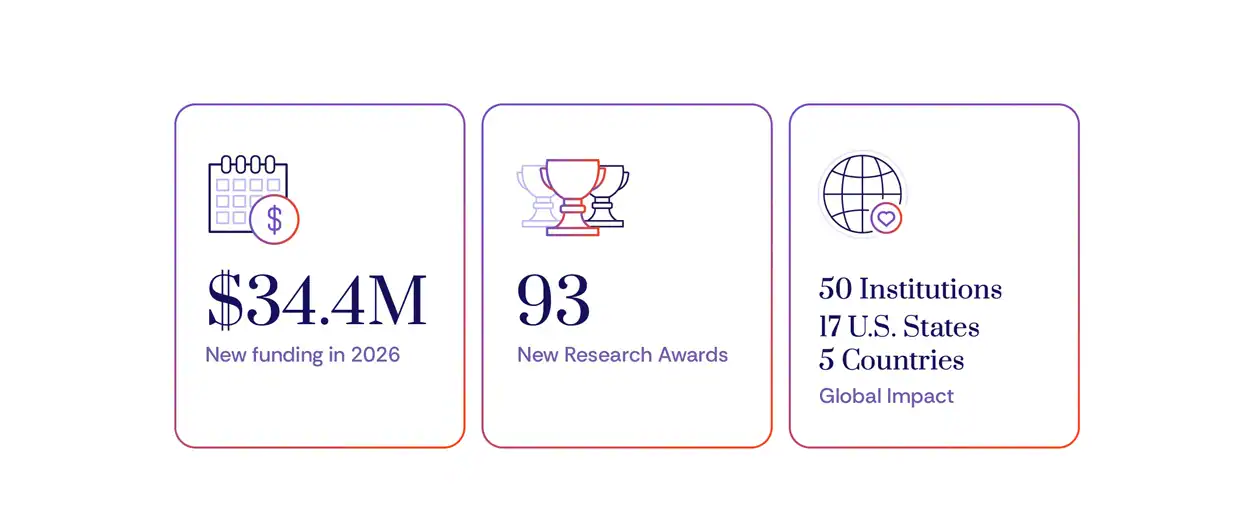
There are moments when an organization’s mission is tested not by opportunity, but by uncertainty. This past year was one of those moments. As researchers across the country and globally grappled with significant funding cuts and an increasingly volatile research environment, the Cancer Research Institute (CRI) made a resolute and strategic decision: to not only maintain but accelerate the pace of scientific discovery. This commitment culminated in fiscal year 2025–26 being CRI’s largest grantmaking year ever, a testament to its unwavering dedication to advancing breakthrough cancer immunotherapies.
Navigating a Challenging Research Landscape
The period leading up to and including fiscal year 2025–26 presented a formidable landscape for scientific research. Across the United States and in many international scientific hubs, public funding for biomedical research faced significant headwinds. Economic downturns, shifting governmental priorities, and an increasingly competitive grant environment led to widespread concerns among researchers. Many promising projects faced delays or outright cancellation due to a lack of secure, long-term funding. Early-career scientists, in particular, found themselves at a precarious juncture, struggling to establish independent laboratories and secure the initial data necessary to compete for larger, more established grants.
This climate of uncertainty threatened to stifle innovation at a critical time when advancements in fields like cancer immunotherapy held immense promise. Scientific progress often relies on consistent, sustained investment, allowing researchers the freedom to explore novel hypotheses and pursue high-risk, high-reward ideas. When funding becomes scarce, the instinct might be to retrench and prioritize only the safest, most immediate projects. However, CRI chose a different path, recognizing that true progress in the fight against cancer demands an audacious commitment, especially when the path forward is unclear.
Dr. Jill O’Donnell-Tormey, CEO and Director of Scientific Affairs at CRI, commented on the organization’s strategic decision: "We observed the escalating challenges faced by the scientific community, particularly the brilliant minds at the forefront of cancer research. Rather than pull back, we saw an imperative to double down on our mission. The potential breakthroughs in immunotherapy are too significant to allow uncertainty to slow our momentum. Our supporters, our scientists, and most importantly, patients, depend on our steadfast commitment." This sentiment underscores a foundational belief within CRI that investment in fundamental science is not a luxury, but an absolute necessity for future medical progress.
A Record-Breaking Commitment to Scientific Advancement
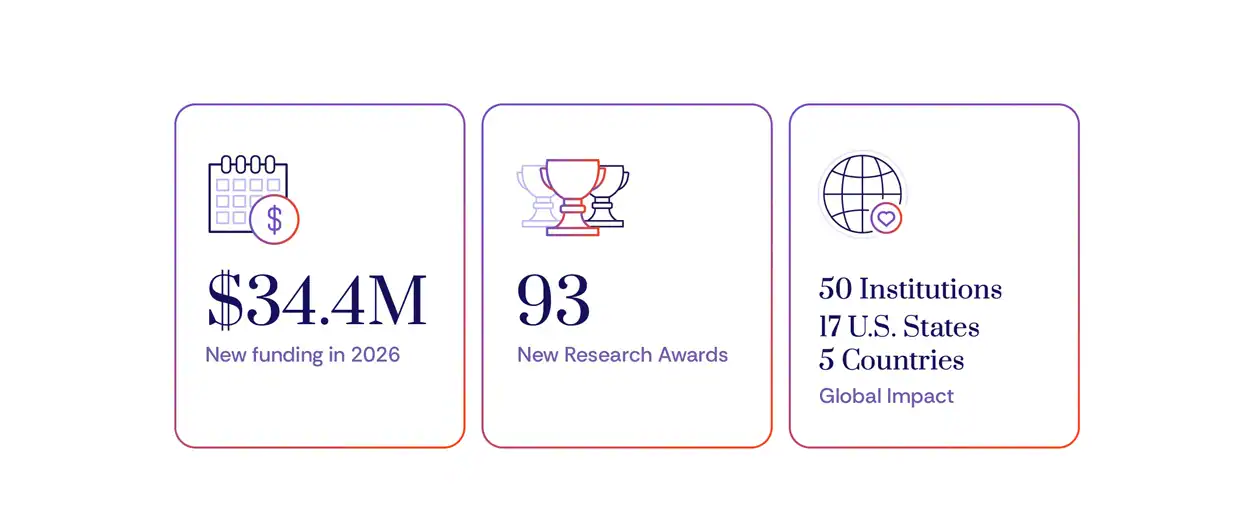
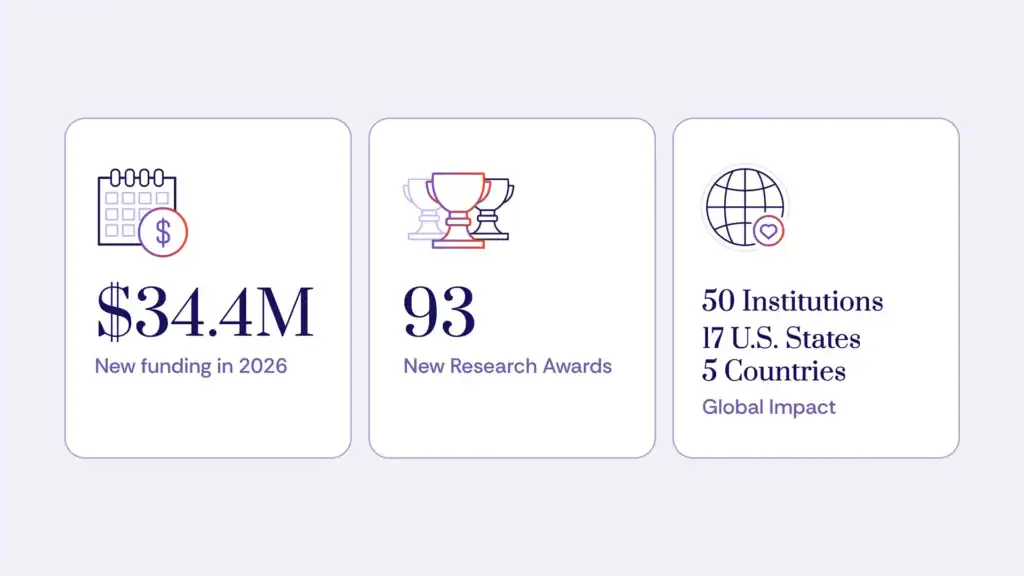
In a powerful demonstration of this philosophy, the Cancer Research Institute committed an unprecedented $34.4 million in new funding across 93 awards during fiscal year 2025–26. This monumental investment represents CRI’s largest grantmaking year in its history, significantly surpassing previous annual allocations. These critical funds reached a diverse and expansive network of scientists, spanning 50 institutions across five countries and 17 states within the U.S. This broad geographical distribution highlights CRI’s global reach and its strategic intent to foster collaboration and innovation wherever scientific excellence thrives.
The numbers, while impressive, tell only part of the story. Behind every one of these 93 awards is a dedicated scientist pursuing an important, often groundbreaking, question that could unlock new insights into cancer biology and treatment. Some recipients are at the very beginning of their professional journeys, launching their careers with the foundational support needed to transform ambitious ideas into tangible research programs. Others are more established, using CRI funding to establish independent laboratories or lead ambitious programs capable of fundamentally changing the direction of the field of cancer immunology.
The essence of CRI’s funding philosophy extends beyond merely supporting projects; it is about investing in the individual scientist. As articulated by Dr. O’Donnell-Tormey, "Scientists, regardless of their career stage, need more than just a good idea. They need the resources, the flexibility to adapt to new findings, and crucially, the confidence of funders who are willing to invest in what their work could make possible, even if the path isn’t perfectly clear from the outset." This approach, cultivated over CRI’s more than 70-year history, has allowed it to support exceptional scientists often before their greatest discoveries were made, granting them the intellectual freedom to follow the science wherever it leads and to take the calculated risks that meaningful progress frequently requires.
The Critical Juncture: Introducing the CRI IGNITE Award
A cornerstone of CRI’s enhanced funding strategy in this challenging environment is the introduction of the new CRI IGNITE Award. This program specifically addresses one of the most consequential – and vulnerable – periods in a scientist’s professional journey: the transition from postdoctoral training to an independent research career. This phase is fraught with unique challenges. Researchers must simultaneously establish their own laboratories, define original areas of investigation distinct from their mentors, and generate the crucial early evidence needed to successfully compete for long-term, substantial funding from national bodies like the National Institutes of Health (NIH).
During this critical transition, many promising ideas can falter, not because they lack scientific potential or rigor, but because the necessary support to pursue them is incredibly difficult to secure. The chasm between proving concept as a postdoc and securing independent funding can be wide, often leading talented individuals to leave academia or shelve innovative research lines. Recognizing this systemic vulnerability, CRI created IGNITE – an acronym for "Inspiring Growth and Nurturing Independence Through Excellence" – to help exceptional early-career scientists bridge this precarious gap. The award provides targeted support at precisely the moment when talented researchers are ready to build their independent programs and pursue bold, self-generated research questions. This strategic intervention ensures that innovative ideas receive the foundational support they need to develop, mature, and ultimately contribute to the broader scientific landscape.
Illuminating Impact: The Case of Dr. Simone Park
The profound impact of this kind of sustained investment, particularly through initiatives like IGNITE, is vividly exemplified by the trajectory of Dr. Simone Park, an inaugural IGNITE Award recipient at the University of Pennsylvania. Dr. Park’s journey with CRI began earlier in her career when she received support as a postdoctoral fellow. This initial backing allowed her to hone her skills and contribute to critical research under mentorship. Today, as she embarks on the pivotal next step of establishing her own independent laboratory, the IGNITE Award is instrumental in facilitating her research program.
Dr. Park’s groundbreaking work focuses on tissue-resident memory T cells (TRM cells), a specialized population of immune cells that remain in tissues after an infection or immunization. These cells are increasingly recognized for their potential to provide lasting, localized protection against cancer recurrence. Her research delves into fundamental questions: What molecular and cellular mechanisms enable these TRM cells to persist in tissues for extended periods? And what allows them to continue acting as powerful anti-tumor defenders, ready to recognize and eliminate nascent cancer cells? By unraveling the intricate biology behind their remarkable durability and function, Dr. Park hopes to identify novel strategies for creating stronger, longer-lasting immune protection against various cancers. Her findings could pave the way for new immunotherapeutic approaches, potentially reducing relapse rates and improving long-term outcomes for patients.
Dr. Park’s career path is more than an individual achievement; it stands as a powerful testament to the value of supporting promising scientists consistently throughout their professional development. CRI’s continuum of support has allowed her to develop deep expertise, build critical independence, and grow into the kind of scientific leader who will undoubtedly shape the future of cancer immunotherapy. This long-term, holistic approach is central to CRI’s overall impact strategy. Its programs form an integrated continuum of support, beginning with postdoctoral fellowships that launch research careers, extending through IGNITE Awards that foster crucial independence, and culminating in the prestigious CRI Lloyd J. Old STAR Awards, which empower established investigators with the freedom to pursue high-risk, high-impact ideas that could redefine entire fields. Together, these meticulously designed programs help ensure that exceptional individuals have the opportunities and resources to advance their work at the most pivotal moments, from foundational discovery to translational application.
A Holistic Ecosystem of Support: Beyond Grantmaking
CRI’s commitment to accelerating cancer research extends far beyond its impressive portfolio of research awards. The organization understands that a robust and dynamic research ecosystem requires multifaceted support. To this end, CRI actively advances clinical studies, recognizing that discoveries in the lab must be translated into effective treatments for patients. This involves funding early-phase clinical trials that test innovative immunotherapies and collaborating with clinical researchers to design studies that can swiftly move promising candidates from bench to bedside.
Furthermore, CRI develops critical data programs and shared resources, acknowledging that access to high-quality, standardized data is paramount for modern biomedical research. These initiatives facilitate data sharing, collaboration, and the application of advanced analytical techniques, helping researchers worldwide glean deeper insights from complex biological information. In an era increasingly driven by computational biology, CRI also equips scientists with new computational skills through specialized training programs, ensuring that researchers are proficient in utilizing cutting-edge bioinformatics tools to analyze vast datasets and model complex biological processes.
Crucially, CRI’s mission also encompasses direct support for patients and caregivers. Through trusted information resources and robust support networks, the organization helps individuals navigate the complexities of cancer immunotherapy. This ensures that patients have access to accurate, up-to-date information about treatment options, clinical trials, and managing side effects, empowering them to make informed decisions about their care. Each of these diverse investments contributes to a broader, interconnected ecosystem designed to move discovery forward and translate increasingly complex biological understanding into tangible, life-saving treatments for patients worldwide.
The Broader Implications for Global Cancer Research
The Cancer Research Institute’s strategic decision to dramatically increase its funding during a period of widespread scientific austerity carries significant broader implications for global cancer research. In an environment where public funding often struggles to keep pace with scientific opportunity, private philanthropic organizations like CRI play an increasingly vital role in sustaining momentum and fostering innovation. By providing flexible, investigator-initiated funding, CRI empowers scientists to pursue unconventional ideas that might be deemed too risky for more conservative public grants, yet hold the potential for paradigm-shifting discoveries.
This counter-cyclical investment ensures that the pipeline of promising research does not dry up, even when economic conditions are challenging. It reinforces the importance of supporting individual scientific talent and fostering an environment where curiosity and bold inquiry are rewarded. The long-term vision inherent in CRI’s continuum of support—from nurturing early-career scientists to empowering established leaders—is crucial for building a sustainable future for cancer research. It creates a robust cadre of experts who will continue to push the boundaries of immunotherapy for decades to come.

Moreover, CRI’s focus on immunotherapy, a field that has revolutionized cancer treatment in recent years, ensures that investments are channeled into an area of immense potential. By supporting both fundamental immunological research and its clinical translation, CRI is directly contributing to the development of new therapies that harness the body’s own immune system to fight cancer, offering hope for more effective and less toxic treatments.
Looking Ahead: Sustained Progress Against Cancer
The 2026 Annual Impact Report, which captures the remarkable achievements of CRI during this record-setting year, is more than just a financial statement. It is a powerful record of promises kept: promises to the brilliant scientists whose innovative ideas deserve every chance to grow and flourish; promises to the millions of patients and their families waiting anxiously for new possibilities and more effective treatments; and promises to the dedicated supporters whose belief in the transformative power of research makes all of this possible.
The past year underscored a fundamental truth: uncertainty may indeed alter the landscape in which science advances, creating new obstacles and challenges. However, it does not, and must not, change what true progress requires. It demands exceptional people with unparalleled intellect and dedication, bold ideas that challenge conventional wisdom, and the sustained, unwavering support necessary to bring these elements together into a cohesive force for change.
The Cancer Research Institute’s record investment in fiscal year 2025–26 is a beacon of hope and a testament to resilience. It demonstrates that with strategic vision and unwavering commitment, even in the face of global uncertainty, the relentless pursuit of scientific discovery can not only continue but accelerate. There is extraordinary work still ahead in the fight against cancer, and as the CRI’s recent achievements prove, the journey towards a world free from this disease is just getting started, fueled by innovation and a profound belief in the power of science.
