
 By Billy Candra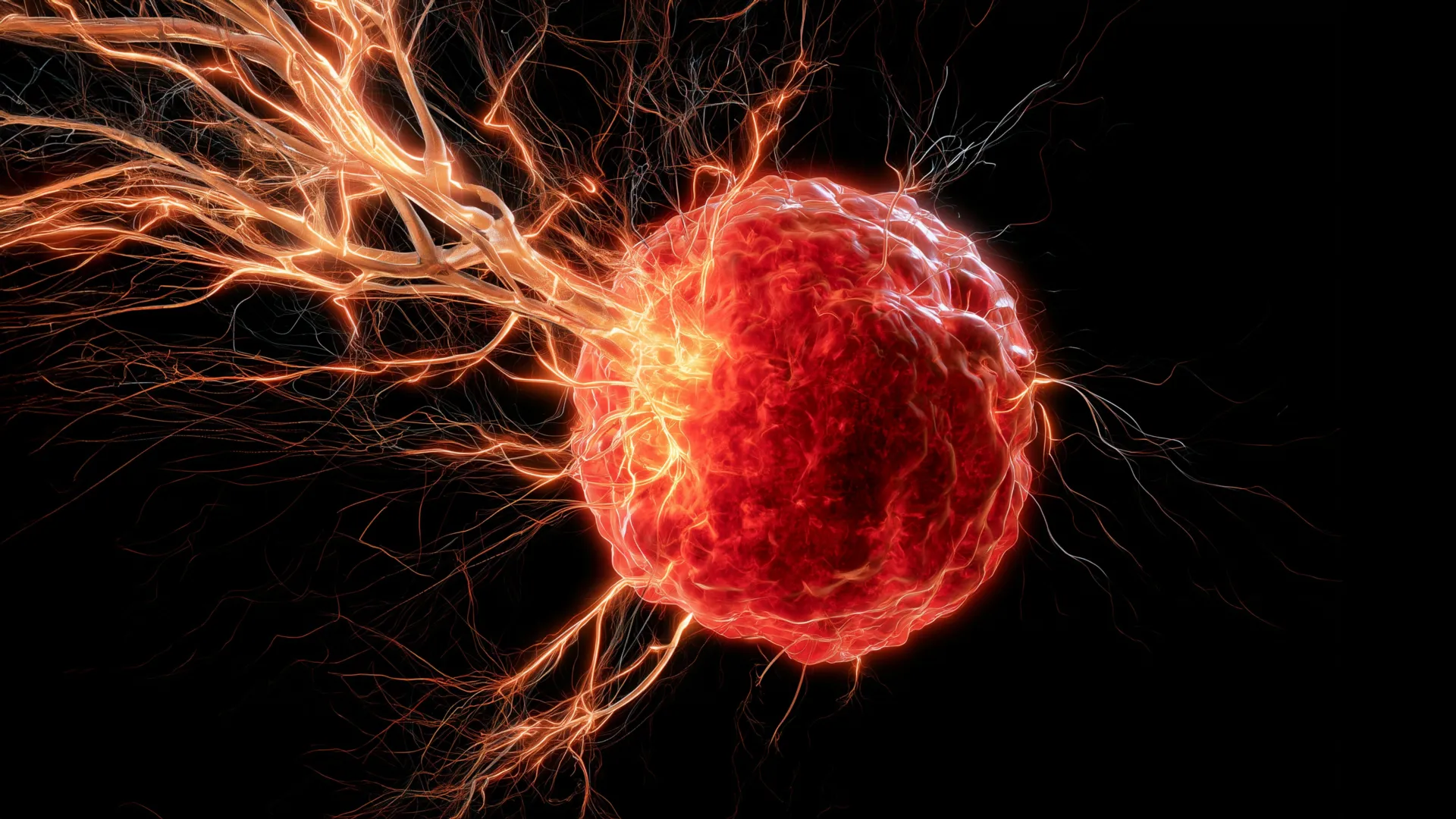
New research from the University of Oklahoma (OU) has shed critical light on a previously mysterious aspect of cancer progression, revealing how an aggressive form of breast cancer manipulates the immune system to attract nerves into tumors. This intricate biological manipulation creates conditions that appear to facilitate cancer growth and resistance to treatment, offering a novel target for therapeutic intervention. Published in the esteemed journal Cell Death & Differentiation, the study details a mechanism specific to triple-negative breast cancer (TNBC), a particularly challenging subtype of the disease known for its rapid progression and limited treatment options.
For years, oncologists and cancer biologists have observed the presence of extensive nerve networks within many solid tumors. However, the precise mechanisms by which these nerves infiltrate and interact with cancerous tissue have largely remained elusive. This groundbreaking study from the OU College of Medicine and OU Health Stephenson Cancer Center provides a compelling explanation for this phenomenon in TNBC, identifying key cellular and molecular players in this sinister alliance.
The Enigma of Triple-Negative Breast Cancer
To appreciate the significance of this discovery, it is crucial to understand the unique challenges posed by triple-negative breast cancer. TNBC accounts for approximately 10-15% of all breast cancers and is characterized by the absence of three key receptors: estrogen receptors (ER), progesterone receptors (PR), and human epidermal growth factor receptor 2 (HER2). Unlike other breast cancer subtypes, TNBC cells do not rely on hormones or HER2 for growth, rendering common targeted therapies like hormone therapy or HER2-blocking drugs ineffective.
This lack of specific targets means that treatment options for TNBC are primarily limited to chemotherapy, often in combination with surgery and radiation, and more recently, certain immunotherapies. Despite aggressive treatment regimens, TNBC tends to be more aggressive, grow faster, and has a higher likelihood of recurrence and metastasis compared to other breast cancer types. Patients with TNBC often face a poorer prognosis, with lower five-year survival rates, underscoring the urgent need for new therapeutic strategies. The median age of diagnosis for TNBC is also generally younger, and it disproportionately affects women of African American and Hispanic descent. The distinct molecular landscape of TNBC, often associated with BRCA1 mutations, further complicates its management and highlights the importance of understanding its unique biological vulnerabilities.
Unraveling the Nerve-Growth Mechanism
The OU research team, led by Dr. Maureen Cox, an assistant professor in the Department of Microbiology and Immunology at the OU College of Medicine and a research member of OU Health Stephenson Cancer Center, focused their investigation on the intricate interplay within the tumor microenvironment (TME). The TME is a complex ecosystem surrounding the tumor, comprising not only cancer cells but also immune cells, blood vessels, fibroblasts, and nerves, all interacting to influence tumor growth, progression, and response to therapy.
Their findings reveal a sophisticated manipulation orchestrated by TNBC cells. The researchers discovered that tumors actively recruit macrophages, a type of immune cell traditionally recognized for its protective roles in fighting infections and repairing damaged tissues. However, once these macrophages infiltrate the tumor microenvironment, their function appears to be subverted. Instead of acting as defenders, these tumor-associated macrophages (TAMs) are reprogrammed to release brain-derived neurotrophic factor (BDNF).
BDNF is a potent protein widely known for its crucial role in supporting the growth, survival, and differentiation of nerve cells in the brain and peripheral nervous system. It is vital for learning, memory, and overall neurological health. In the context of breast cancer, however, the researchers found that tumors exploit this very same biological signal. By prompting macrophages to secrete BDNF, the cancer effectively creates a chemical beacon, encouraging nearby nerves to grow toward and eventually infiltrate the cancerous mass. This process of nerve ingrowth, or neo-neurogenesis, within the tumor microenvironment may significantly contribute to cancer progression, enhance resistance to current treatments, and potentially facilitate metastatic spread.
Dr. Cox emphasized the pivotal role of these immune cells in this process. "Macrophages are the critical source for drawing nerves into the tumor," she stated. "Although macrophages typically play a positive role in the body, they are facilitating a negative function in this scenario of breast cancer." This revelation adds another layer of complexity to the already multifaceted role of macrophages in cancer, highlighting how these normally beneficial cells can be co-opted by aggressive tumors to serve their own survival and propagation.
Macrophages: A Double-Edged Sword in Cancer
Macrophages are highly plastic cells, capable of adopting diverse functional phenotypes depending on the signals they receive from their microenvironment. In the context of cancer, they are often classified into M1-like (pro-inflammatory, anti-tumor) and M2-like (anti-inflammatory, pro-tumor) phenotypes. Tumor-associated macrophages (TAMs) typically exhibit an M2-like phenotype, contributing to various aspects of tumor progression, including angiogenesis (formation of new blood vessels), immune suppression, tissue remodeling, and metastasis. The OU study now identifies nerve recruitment as another critical pro-tumor function orchestrated by TAMs via BDNF secretion.
The understanding of macrophages’ dual role has evolved significantly over the past two decades. Early research primarily focused on their anti-tumor capabilities. However, as the complexity of the tumor microenvironment became clearer, scientists realized that tumors could "educate" or polarize macrophages into a pro-tumor phenotype, turning the body’s own defense mechanisms against itself. This discovery of BDNF-mediated nerve recruitment further solidifies the notion that TAMs are central orchestrators of tumor progression and therapeutic resistance.
Pre-Clinical Success: Blocking the Signal in Mice
The identification of BDNF as a key mediator in nerve recruitment opened a promising avenue for therapeutic intervention. Instead of solely focusing on directly destroying cancer cells, which often leads to resistance, future therapies could aim to disrupt the communication pathways that support tumor growth and survival. The OU team tested this innovative strategy in preclinical models.
In their mouse models of triple-negative breast cancer, Dr. Cox and her colleagues administered a drug designed to block BDNF signaling. The results were compelling: the treated mice exhibited a significant reduction in nerve infiltration into the tumors. More importantly, this blockade of BDNF signaling led to a substantial reduction in overall tumor growth.
This finding is particularly exciting because, as Dr. Cox noted, "It looks really promising that we can use this drug, which is already on the market, to target BDNF." The potential to repurpose an existing drug, or a class of drugs, that targets the BDNF pathway could dramatically accelerate the translation of this research into clinical practice. Repurposing drugs offers significant advantages, including known safety profiles, established manufacturing processes, and potentially faster regulatory approval, thereby reducing the time and cost associated with developing entirely new compounds.
The therapeutic implications extend beyond merely inhibiting tumor growth. Dr. Cox speculated on another crucial benefit: "We believe that the nerves are immunosuppressive, so if we can stop the nerves from growing in the first place, maybe we can boost the immune response to help fight the cancer." This suggests a multi-pronged benefit, where blocking nerve infiltration not only reduces a pro-growth signal but also potentially enhances the efficacy of existing or future immunotherapies by reducing the tumor’s immunosuppressive shield. This concept aligns with the growing interest in combination therapies that target multiple pathways simultaneously to overcome cancer’s adaptive mechanisms.
Clinical Corroboration: Evidence from Patients
To ascertain the relevance of their findings to human disease, the researchers meticulously examined clinical data from patients diagnosed with triple-negative breast cancer. They analyzed tumor samples for the presence of macrophages and BDNF levels, correlating these findings with patient outcomes. The analysis revealed a stark and concerning pattern: tumors with higher levels of both macrophages and BDNF were significantly associated with poorer patient survival. This critical corroboration provides strong evidence that the mechanism observed in mouse models is highly relevant to human TNBC patients, validating the potential translational impact of their discovery.
This correlation between specific molecular markers (macrophages and BDNF) and clinical outcomes underscores their potential utility not only as therapeutic targets but also as prognostic biomarkers. Identifying patients whose tumors exhibit high levels of these factors could help stratify risk, guide treatment decisions, and potentially identify those who might benefit most from therapies designed to block BDNF signaling.
A New Therapeutic Horizon: Implications for Treatment
The discovery from the University of Oklahoma represents a significant leap forward in understanding the complex biology of aggressive breast cancer and opens several promising avenues for future clinical development. The ability to disrupt the nerve-tumor interaction through BDNF blockade offers a novel therapeutic strategy, particularly for TNBC, where treatment options are limited.
Beyond the immediate potential for drug repurposing, this research could spur the development of new, highly specific inhibitors of the BDNF/TrkB signaling pathway. The TrkB receptor is the primary high-affinity receptor for BDNF, mediating its biological effects. Developing drugs that precisely target TrkB could offer a more refined approach to interrupting this pro-tumor pathway with potentially fewer off-target effects.
Moreover, the findings suggest exciting possibilities for combination therapies. By blocking nerve infiltration and potentially reversing immunosuppression, BDNF pathway inhibitors could be combined with conventional chemotherapy, radiation, or, critically, with immunotherapies to enhance their effectiveness. Immunotherapy has shown promise in some TNBC patients, but a significant proportion still do not respond. Modulating the TME by targeting nerves could create a more permissive environment for immune cells to attack the tumor, thereby expanding the population of patients who benefit from immunotherapy.
Beyond Breast Cancer: Future Research Directions
The implications of this research extend beyond triple-negative breast cancer. Dr. Cox and her team are keen to further elucidate the exact mechanisms by which nerves contribute to tumor growth and progression. While the study established that nerves are drawn into tumors and correlate with poorer outcomes, the precise molecular crosstalk between nerves and cancer cells remains an active area of investigation.
Some existing evidence suggests that nerves might stimulate the formation of new blood vessels (angiogenesis), which are crucial for supplying tumors with oxygen and nutrients necessary for their rapid growth. Other research indicates that cancer cells may exploit nerves as "highways" for migration, facilitating their escape from the primary tumor and subsequent metastasis to distant sites, a process known as perineural invasion. Understanding these intricate interactions will be vital for developing more targeted and effective interventions.
Building on their success in breast cancer, the researchers also plan to investigate the same intervention strategy in high-grade ovarian cancer, another aggressive malignancy known for its poor prognosis and resistance to conventional treatments. The shared characteristics of aggressiveness and difficulty in treatment between TNBC and high-grade ovarian cancer suggest that similar nerve-tumor interactions might be at play, making this a logical next step for their research. This broader application could potentially benefit patients with other hard-to-treat cancers where the neuro-tumor microenvironment plays a critical role.
Ultimately, the overarching goal of Dr. Cox and her team is to reactivate the body’s natural anti-tumor immunity. "Ultimately, we want to turn the anti-tumor immunity back on in cancer patients so their own immune systems can reject the tumors," she affirmed. This vision aligns with the broader paradigm shift in oncology towards harnessing the power of the patient’s immune system to fight cancer, moving closer to a future where cancer can be managed as a chronic disease or even cured for more individuals.
Funding and Collaboration: The Engine of Discovery
This pioneering research was made possible through significant support from various esteemed institutions. Key funding was provided by the National Institute of General Medical Sciences of the National Institutes of Health (NIH) through award numbers P20GM103447 and P20GM103639. Additional crucial support came from Oklahoma’s Tobacco Settlement Endowment Trust (TSET), which serves as a primary funder for the Stephenson Cancer Center and TSET Health Promotion Research Center at the University of Oklahoma. Further backing was supplied by the Oklahoma Shared Clinical and Translational Resources through an Institutional Development Award from the National Institute of General Medical Sciences (grant no. U54GM104938).
This multi-faceted funding underscores the collaborative and interdisciplinary nature of modern cancer research, where significant discoveries often emerge from the combined efforts of numerous scientific teams and the sustained financial commitment of governmental and philanthropic organizations. Such support is indispensable for advancing our understanding of complex diseases like cancer and translating laboratory breakthroughs into tangible benefits for patients. The work at the University of Oklahoma exemplifies how focused, well-supported research can unlock new biological insights and pave the way for innovative therapeutic strategies, offering renewed hope in the ongoing fight against aggressive cancers.
