
 By Nana O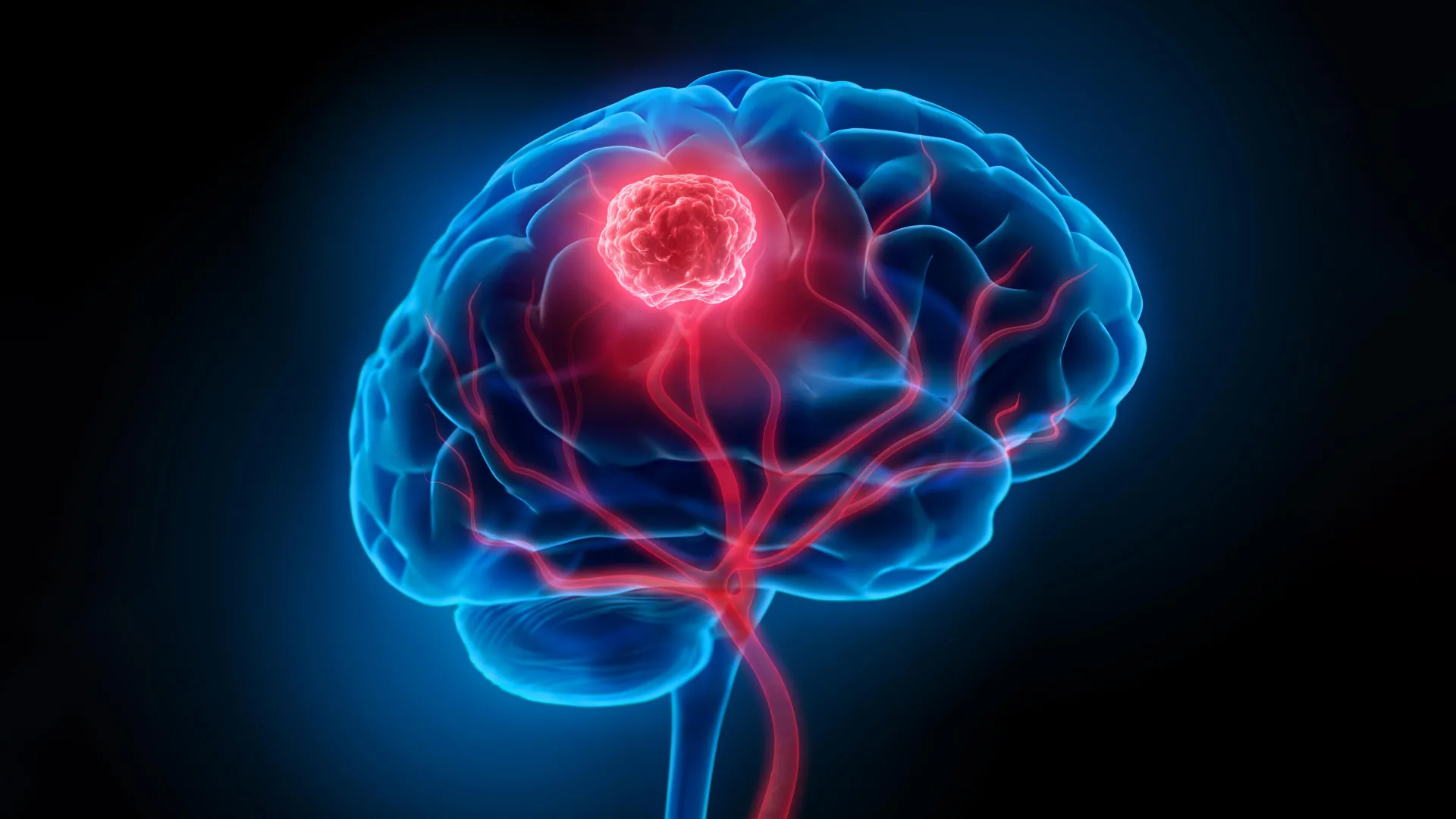
Glioblastoma, a notoriously aggressive form of brain cancer, continues to present one of the most formidable challenges in oncology. Characterized by its rapid growth and diffuse infiltration into surrounding healthy brain tissue, glioblastoma often evades complete eradication through conventional treatments, leading to a grim prognosis for many patients. The five-year survival rate currently hovers around a mere 7 percent, underscoring the urgent need for innovative therapeutic strategies. A significant hurdle in treating this insidious disease is the blood-brain barrier, a highly selective physiological interface that severely restricts the passage of therapeutic agents, including chemotherapy drugs and even the efficacy of radiotherapy, into the brain. Compounding these difficulties, the infiltrative nature of glioblastoma cells means that even with the most skilled surgical intervention, microscopic tumor remnants can be left behind, serving as seeds for future recurrence. It is this complex interplay of biological barriers and cellular invasiveness that has historically rendered glioblastoma so resistant to treatment.
A Dual-Action Nanomaterial: The ‘Double-Punch’ Platform
In a significant stride toward overcoming these deeply entrenched obstacles, researchers from the University of Technology Sydney (UTS), in collaboration with esteemed institutions such as Harvard University and Henan University, have unveiled a groundbreaking ‘double-punch’ nanozyme platform. This sophisticated system, detailed in a recent publication in the prestigious journal Science Translational Medicine, ingeniously employs a single family of smart nanoparticles to address both the diagnostic and therapeutic challenges posed by glioblastoma.
Dr. Bingyang Shi, Chair Professor of Nanomedicine at UTS’s School of Electrical, Mechanical and Biomedical Engineering, articulated the core innovation: "We’ve engineered a single material that does two jobs in sequence. It’s a precise guide for the surgeon during the operation, and then a targeted clean-up treatment afterward." This sequential functionality is the hallmark of the platform, promising a more comprehensive and effective approach to glioblastoma management.
At the heart of this revolutionary technology lies an ultra-thin, two-dimensional sheet meticulously constructed from individual atoms. The fabrication process, adapted from advanced semiconductor manufacturing techniques, involves the precise placement of atoms one by one, creating a structure with unique switchable capabilities. This unique atomic arrangement allows the material to transition between two distinct roles, acting first as an imaging agent to guide surgical resection and subsequently as a therapeutic agent to eliminate residual cancer cells. Crucially, both of these functions are activated by the same wavelength of near-infrared (NIR) light, simplifying the application and enhancing its clinical feasibility.
Illuminating the Unseen: Enhanced Surgical Visualization
The initial application of this nanozyme platform during surgery is as a highly sensitive imaging agent. Professor Shi elaborated on this critical function: "During surgery, it functions as a highly sensitive imaging agent. A fluorescent dye engineered onto the sheet glows under a near-infrared wavelength invisible to the naked eye, allowing surgeons to see individual tumor cell clusters as small as 44 micrometers, a resolution beyond current clinical imaging tools." This remarkable resolution is a substantial improvement over existing intraoperative imaging modalities, which often struggle to detect the subtle infiltrations of glioblastoma cells.
Furthermore, the nanoparticles are equipped with a specially designed targeting molecule. This molecule acts as a key, enabling the nanoparticles to actively cross the formidable blood-brain barrier and specifically accumulate within glioma cells. This targeted accumulation ensures that the imaging signal is concentrated precisely where it is needed, minimizing background noise and maximizing the ability of surgeons to differentiate between cancerous tissue and healthy brain parenchyma. By making microscopic tumor clusters visible, this technology offers surgeons unprecedented precision, potentially leading to more complete tumor resection and reducing the likelihood of leaving behind viable cancer cells that could fuel recurrence.
Post-Operative Annihilation: A Targeted ‘Clean-Up’ Operation
Once the visible portion of the tumor has been surgically removed, the same nanoparticle platform transitions to its therapeutic role. Administered into the surgical cavity, the material is again activated by the same near-infrared light. This activation triggers a two-pronged attack on any remaining microscopic cancer cells.
"After the visible tumor is removed, the same material is administered into the surgical cavity and reactivated with the same wavelength of light for postoperative phototherapy," explained Professor Shi. "The platinum atoms convert the tumor’s own hydrogen peroxide into oxygen, counteracting the low-oxygen environment that normally shields cancer cells from treatment, while the light simultaneously generates heat and reactive molecules that destroy microscopic cancer cells that surgery could not reach."
This dual therapeutic mechanism is particularly significant. Glioblastoma tumors often create a hypoxic (low-oxygen) microenvironment, which not only protects cancer cells from traditional therapies but also promotes their invasiveness and resistance to treatment. By converting endogenous hydrogen peroxide into oxygen, the platinum component of the nanozyme platform actively re-oxygenates the tumor bed. This not only enhances the effectiveness of subsequent treatments but also directly targets the tumor’s ability to thrive in an oxygen-deprived state. Simultaneously, the photothermal effect of the activated nanoparticles generates localized heat, further damaging cancer cells, while the generation of reactive oxygen species (ROS) creates a highly toxic environment for any surviving microscopic tumor cells. This ‘clean-up’ phase is designed to eradicate the insidious remnants of the tumor that evade even the most meticulous surgical dissection.
Addressing the Scourge of Recurrence
The persistent challenge of glioblastoma recurrence is a driving force behind this research. Even after seemingly successful surgery, residual microscopic cancer cells can lie dormant, only to proliferate and lead to tumor regrowth months or years later. This recurrence is a primary determinant of the poor survival rates associated with the disease. The ‘double-punch’ nanozyme platform is specifically engineered to combat this post-surgical threat.
Pre-clinical trials conducted in mouse models of glioblastoma have yielded highly encouraging results. In these studies, the nanoparticle-enhanced treatment regimen demonstrated a significant reduction in tumor recurrence following surgery. Notably, every mouse treated with the nanoparticle platform remained alive at the 60-day mark, a stark contrast to the control group that received surgery alone, where the average survival was limited to 42 days. Crucially, extensive follow-up testing revealed no detectable neurological or motor impairments associated with the treatment in these animal models, suggesting a favorable safety profile.
A Promising Horizon, Grounded in Early-Stage Research
While the findings are undeniably promising, the research team is careful to emphasize the early stage of this development. "The results are very encouraging, but this is still early-stage research carried out in mouse models, not in people – and that distinction is important," Professor Shi stressed. The translation of these findings from animal models to human patients is a complex and lengthy process, requiring rigorous validation and extensive clinical trials.
The researchers acknowledge that the imaging and therapeutic performance of the nanozyme platform will need to be meticulously evaluated at the scale of a human brain. The intricate anatomy and physiological differences between rodent and human brains necessitate careful adaptation and thorough testing to ensure efficacy and safety in human subjects.
"If this continues to hold up through that process, the hope is that surgeons could one day see more of the tumor during an operation and treat more of what’s left behind afterward," Professor Shi articulated the long-term vision. "It’s a meaningful step towards reducing recurrence, which remains one of the biggest challenges for people with glioblastoma." The potential implications of this technology are profound. If proven successful in human clinical trials, it could revolutionize the surgical management of glioblastoma, leading to improved patient outcomes, extended survival, and a better quality of life for individuals battling this devastating disease.
Broader Context and Future Outlook
The development of this dual-function nanoparticle platform emerges from a growing field of nanomedicine dedicated to creating intelligent drug delivery systems and advanced diagnostic tools. Over the past two decades, significant advancements have been made in designing nanoparticles capable of crossing biological barriers, targeting specific cells, and delivering therapeutic payloads with unprecedented precision. However, the integration of both advanced imaging and potent therapeutic capabilities within a single, sequentially activated system represents a notable leap forward.
The specific focus on glioblastoma is particularly significant given its status as the most common and deadliest primary malignant brain tumor in adults. According to the Central Brain Tumor Registry of the United States, glioblastoma accounts for approximately 15 percent of all primary brain tumors and has an incidence rate of about 3 new cases per 100,000 people annually. The relentless nature of the disease and the limited efficacy of current treatments highlight the critical need for disruptive innovations.
The research team’s commitment to a multi-institutional collaboration, bringing together expertise in materials science, nanomedicine, neurosurgery, and oncology, is a testament to the complexity of the problem and the collaborative spirit required to address it. The adaptation of semiconductor manufacturing techniques for biomedical applications is also indicative of the interdisciplinary nature of modern scientific discovery.
Looking ahead, the next crucial steps will involve securing funding for preclinical toxicology studies and then progressing to Phase I clinical trials to assess safety and preliminary efficacy in human patients. Regulatory hurdles, manufacturing scalability, and cost-effectiveness will also be important considerations for the eventual clinical adoption of this technology. However, the initial success in animal models provides a robust foundation and a compelling rationale for continued investment and research into this promising new avenue for treating glioblastoma. The ‘double-punch’ nanozyme platform, by offering enhanced visualization and targeted post-operative therapy, represents a beacon of hope for patients and clinicians alike in the ongoing battle against this devastating brain cancer.
