
 By admin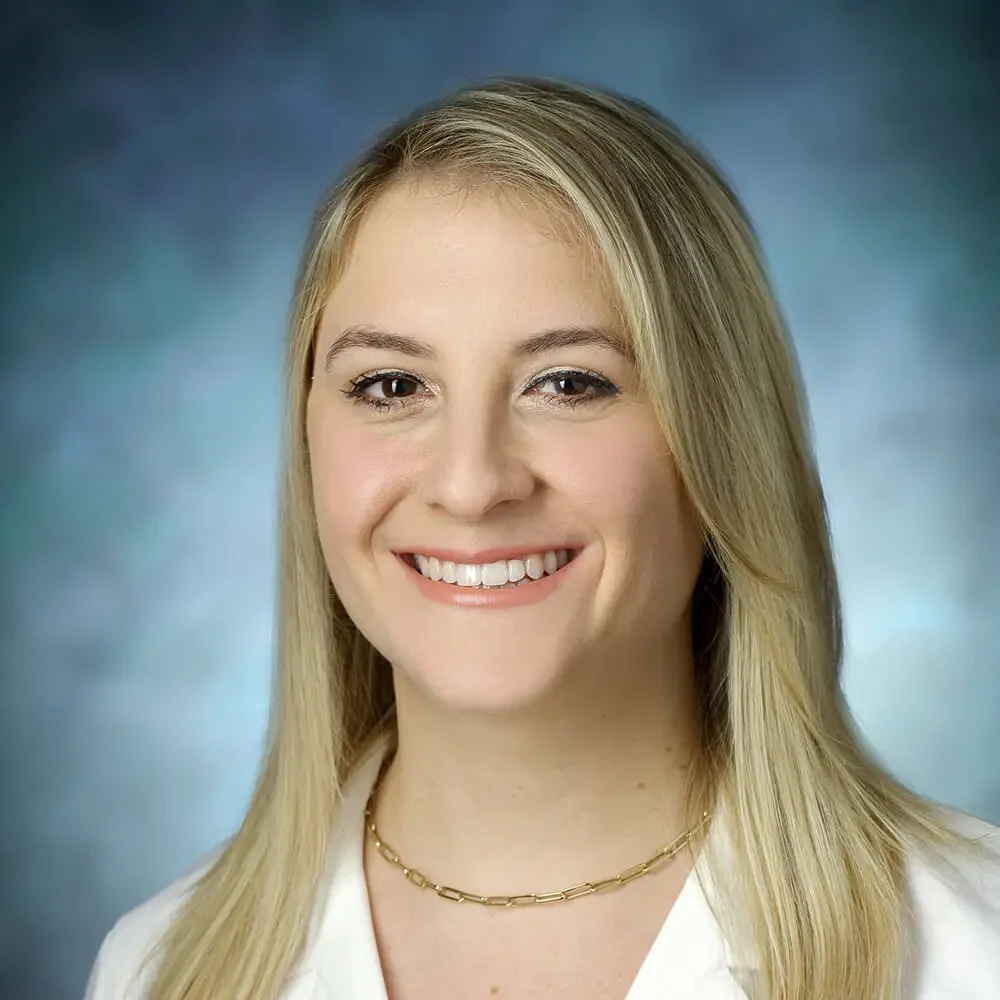
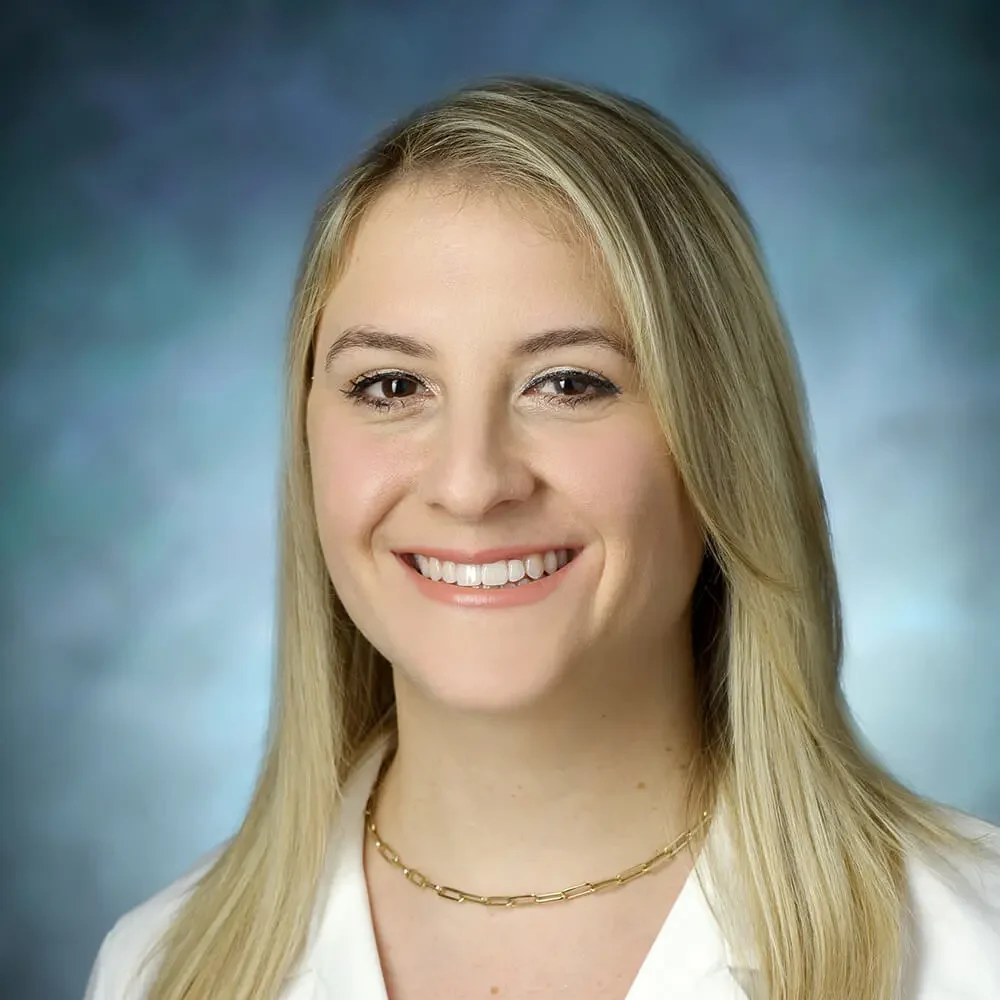
The landscape of cancer treatment is undergoing a profound transformation, shifting from a generalized approach to one hyper-focused on the individual patient. At the forefront of this paradigm shift is Dr. Julie Deutsch, a distinguished physician-scientist and pathologist at Johns Hopkins University. Dr. Deutsch has been awarded the prestigious Cancer Research Institute (CRI) STAR award, a testament to her innovative research aimed at developing next-generation, tissue-based biomarkers. Her work promises to revolutionize how clinicians understand and combat cancer, moving beyond aggregate therapy success rates to deliver truly personalized, effective care. This accolade arrives at a critical juncture for oncology, as the field grapples with the imperative to refine treatment strategies, minimize patient toxicity, and maximize therapeutic efficacy through data-driven insights.
A New Frontier in Personalized Cancer Treatment
Dr. Deutsch’s research is rooted in a fundamental understanding that every cancer is unique, and therefore, every patient’s response to therapy will differ. Her vision challenges the conventional wisdom that a therapy’s overall success rate is sufficient for guiding individual patient care. Instead, she champions an approach where the efficacy of a treatment is precisely determined for a specific patient, utilizing an unprecedented depth of information gleaned from routinely collected tissue samples. As a pathologist, Dr. Deutsch spends countless hours examining these samples under a microscope. However, where others might see standard pathology slides, she perceives an untapped reservoir of biological data—a wealth of information that, when unlocked, could provide clinicians with critical insights into a patient’s unique cancer profile and predict their likely response to various treatments.
The core of her philosophy is eloquently summarized in her own words: “I’ve seen the power of having the pathology specimen and what information we can glean from it make a real difference for patients. Not only in prognosticating them, but also in giving clinicians an opportunity to make decisions based on the pathology that these patients have.” This perspective underscores the immense potential residing within the existing clinical infrastructure, waiting to be fully harnessed through advanced analytical techniques.
Integrating Pathology with Advanced Computational Approaches
With the backing of the recently awarded CRI STAR grant, Dr. Deutsch is poised to merge the foundational discipline of pathology with cutting-edge computational methods, including advanced machine learning algorithms. Her objective is to extract previously hidden layers of information from tissue samples that are already a standard part of cancer diagnosis and monitoring. This innovative integration is designed to move beyond traditional visual assessment, allowing sophisticated algorithms to identify intricate patterns and correlations that are imperceptible to the human eye.
The goal of this ambitious endeavor is nothing less than precision oncology at its most practical and impactful. Dr. Deutsch aims to develop biomarkers that can dynamically reveal how an individual patient is responding to therapy, identifying subtle signs of response or emerging resistance long before they become clinically apparent. Ultimately, this will empower clinicians to make timely, informed decisions, ensuring that the right patient receives the right treatment at the right time. The human and financial costs of ineffective treatments are substantial, often exposing patients to debilitating toxicities without therapeutic benefit. Dr. Deutsch emphasizes this critical need, stating, “You don’t want to expose patients to a therapy that they’re not going to benefit from, and they’re just going to have toxicity. Really trying to match the right patient with the right therapy is so critically important.” This highlights the ethical imperative driving her research: to spare patients unnecessary suffering and accelerate their path to effective care.
The Strategic Significance of the CRI STAR Award
The Cancer Research Institute’s STAR (Scientists Taking A Risk) award is uniquely structured to foster groundbreaking research by investing in exceptional scientists rather than narrowly defined projects. This flexible funding mechanism is particularly valuable for researchers like Dr. Deutsch, who are pushing the boundaries of traditional disciplines and exploring uncharted territories. It provides the freedom to pursue ambitious ideas, adapt research directions as new scientific insights emerge, and venture into areas that might not fit the rigid criteria of conventional funding streams.
For Dr. Deutsch, this flexibility has been instrumental in the evolution of her research trajectory. Machine learning, now a central pillar of her work, was not an initial component of her envisioned path as a pathologist. However, through interdisciplinary collaboration and a steadfast commitment to following where the science leads, she embraced this new methodology, opening an entirely novel avenue to address the complex questions of cancer treatment. “The ability to be in the right space and have access to samples and come up with new ideas, and that ability to sort of adapt in real time to the changing needs of science and of medicine is really amazing,” she reflects, expressing her excitement for the future.
The STAR award also arrives at a particularly crucial moment for early-career researchers engaged in implementation science—the critical work of translating laboratory discoveries into real-world patient care. Such research often struggles to secure funding through traditional channels, despite its immense practical value. The CRI’s proactive investment underscores its commitment to nurturing the next generation of scientific leaders and accelerating the translation of innovative ideas into tangible patient benefits. “As an early-stage researcher, my career goals and ability to conduct research would not be possible without foundations like this,” Dr. Deutsch acknowledges, highlighting the indispensable role of philanthropic organizations like CRI in advancing medical science.
The Evolution of Cancer Treatment: From Broad Strokes to Precision
To fully appreciate the impact of Dr. Deutsch’s work, it is essential to understand the historical trajectory of cancer treatment. For decades, cancer therapy was largely characterized by a "one-size-fits-all" approach, often involving aggressive chemotherapy and radiation that indiscriminately targeted rapidly dividing cells, healthy and cancerous alike. While these treatments saved lives, they also came with severe side effects and varying degrees of efficacy across patient populations.
The late 20th and early 21st centuries saw the emergence of targeted therapies, which selectively attacked specific molecular pathways known to drive cancer growth. Biomarkers, such as HER2 in breast cancer or EGFR mutations in lung cancer, became crucial tools for identifying patients most likely to respond to these new drugs. This marked a significant leap towards personalized medicine, yet limitations remained. Many patients still did not respond, or developed resistance over time, indicating a need for even finer diagnostic and predictive tools.
Dr. Deutsch’s research represents the next wave in this evolution: dynamic, real-time precision oncology. It seeks not just to identify if a patient might respond based on a single snapshot biomarker, but how they are responding throughout the course of treatment, adapting strategies as the disease evolves. This level of dynamic insight is crucial because cancer is not a static entity; it adapts, mutates, and develops resistance, necessitating an equally adaptive treatment approach.
The Untapped Potential of Pathology and AI
Pathology specimens are the bedrock of cancer diagnosis. Every tumor removed, every biopsy taken, is meticulously processed and examined by pathologists. These slides contain a wealth of morphological, cellular, and molecular information. However, traditional pathology largely relies on human visual interpretation, which, while highly skilled, has inherent limitations in detecting subtle, complex patterns across vast datasets.
This is where the integration of artificial intelligence (AI), specifically machine learning, becomes a game-changer. Machine learning algorithms can be trained on enormous datasets of pathology images, correlated with patient outcomes, treatment responses, and genetic information. These algorithms can then learn to identify intricate patterns, features, and spatial relationships within the tissue architecture that may be imperceptible or too complex for the human eye to consistently recognize. For instance, AI could detect subtle changes in cell morphology, nuclear features, stromal interactions, or immune cell infiltration patterns that correlate with a patient’s likelihood of responding to a particular immunotherapy or targeted agent.
According to a report by Grand View Research, the global market for AI in healthcare was valued at over $11 billion in 2021 and is projected to grow significantly, with diagnostics and drug discovery being key segments. Within diagnostics, AI-powered pathology is gaining traction, promising to enhance accuracy, efficiency, and predictive capabilities. Studies have shown AI models can achieve expert-level performance in tasks like cancer detection and grading, and increasingly, in predicting treatment response. Dr. Deutsch’s work directly leverages this burgeoning field, aiming to transform pathology from a purely diagnostic discipline into a powerful predictive engine for personalized therapy.
Addressing the Critical Challenge of Implementation and Scalability
While the discovery of promising biomarkers is a monumental achievement, Dr. Deutsch keenly recognizes that its true value lies in its practical application. A defining characteristic of her research is its strong emphasis on implementation – translating laboratory discoveries into tools that are genuinely useful for patients in real time. This means developing approaches that are not only effective at major academic medical centers, equipped with state-of-the-art technology and specialized expertise, but also scalable to a broader healthcare landscape.
The challenge of implementation in healthcare is multifaceted. It involves overcoming technological barriers, ensuring cost-effectiveness, navigating regulatory pathways, and integrating new tools seamlessly into existing clinical workflows. Many groundbreaking scientific discoveries never reach widespread patient benefit because the "last mile" of implementation research is often underfunded and underestimated. Dr. Deutsch’s commitment to this aspect is a testament to her patient-centric vision. She articulates this succinctly: “You can have the best biomarker in the world, but if it doesn’t get to patients and doesn’t help them in real time, then it’s useless.” This focus on practicality ensures that her innovations have a direct and measurable impact on patient care, bridging the gap between scientific advancement and clinical utility.
Statements from Related Parties and Broader Implications
While specific quotes from Johns Hopkins or CRI leadership were not provided in the original content, it is logical to infer their enthusiastic support. A representative from the Cancer Research Institute might state, "The CRI STAR award is designed to empower visionary scientists like Dr. Julie Deutsch, whose innovative work in integrating pathology and machine learning epitomizes the future of cancer research. Her dedication to developing practical, implementable biomarkers aligns perfectly with our mission to accelerate discoveries that directly benefit patients. We are proud to invest in her transformative vision."
Similarly, a spokesperson from Johns Hopkins Medicine could affirm, "Dr. Julie Deutsch’s groundbreaking research exemplifies the spirit of innovation and patient-centered care that defines Johns Hopkins. Her pioneering efforts in leveraging advanced computational methods to unlock the predictive potential of pathology specimens will undoubtedly set new standards in precision oncology. We are immensely proud of her achievements and the recognition she has received through the CRI STAR award, which underscores the significant impact her work will have on cancer patients globally."
The broader implications of Dr. Deutsch’s research are profound and far-reaching:
- For Patients: The most immediate and significant impact will be improved patient outcomes. By receiving therapies precisely tailored to their individual cancer and real-time response, patients can expect higher efficacy rates, reduced exposure to debilitating side effects, and a better quality of life. It offers hope for those whose cancers are resistant to conventional treatments, by providing a pathway to identify alternative effective therapies sooner.
- For Healthcare Systems: Precision oncology, driven by advanced biomarkers, has the potential to streamline treatment pathways, reduce healthcare costs associated with ineffective therapies, and optimize the utilization of expensive drugs. By preventing patients from undergoing treatments from which they will not benefit, resources can be reallocated more efficiently, enhancing overall healthcare delivery.
- For Scientific Research: Dr. Deutsch’s work fosters crucial interdisciplinary collaboration between pathology, oncology, computer science, and engineering. It pushes the boundaries of how medical data is collected, analyzed, and interpreted, setting a precedent for future research in personalized medicine across various diseases.
- Future of Oncology: This research paves the way for a future where cancer treatment is not merely reactive but proactively adaptive. Clinicians will have access to dynamic biomarkers that guide therapy adjustments in real-time, ushering in an era of truly intelligent and responsive cancer care.
Conclusion
Ultimately, every facet of Dr. Julie Deutsch’s research is anchored in her unwavering commitment to the patient. By ingeniously extracting novel information from readily available tissue samples—and, critically, devising practical strategies to deploy this information—she aims to fundamentally transform how clinicians make treatment decisions for individual cancer patients. Her poignant observation, “Without that information, you’re sort of just flying blind. And that’s not good enough for patients,” encapsulates the driving force behind her pioneering efforts.
From uncovering new answers hidden within familiar pathology slides to ensuring that these life-changing insights reach the patients who need them most, Dr. Deutsch embodies the bold, patient-centered thinking that the CRI STAR program was specifically designed to champion. The Cancer Research Institute’s investment in her vision is an investment in a future where increasingly precise biomarkers will render cancer treatment more personal, more informed, and ultimately, far more effective for everyone touched by this devastating disease. Her work stands as a beacon of hope, illuminating a path toward a future where "flying blind" in cancer care becomes a relic of the past.
