
 By Suherman Candra Maholtra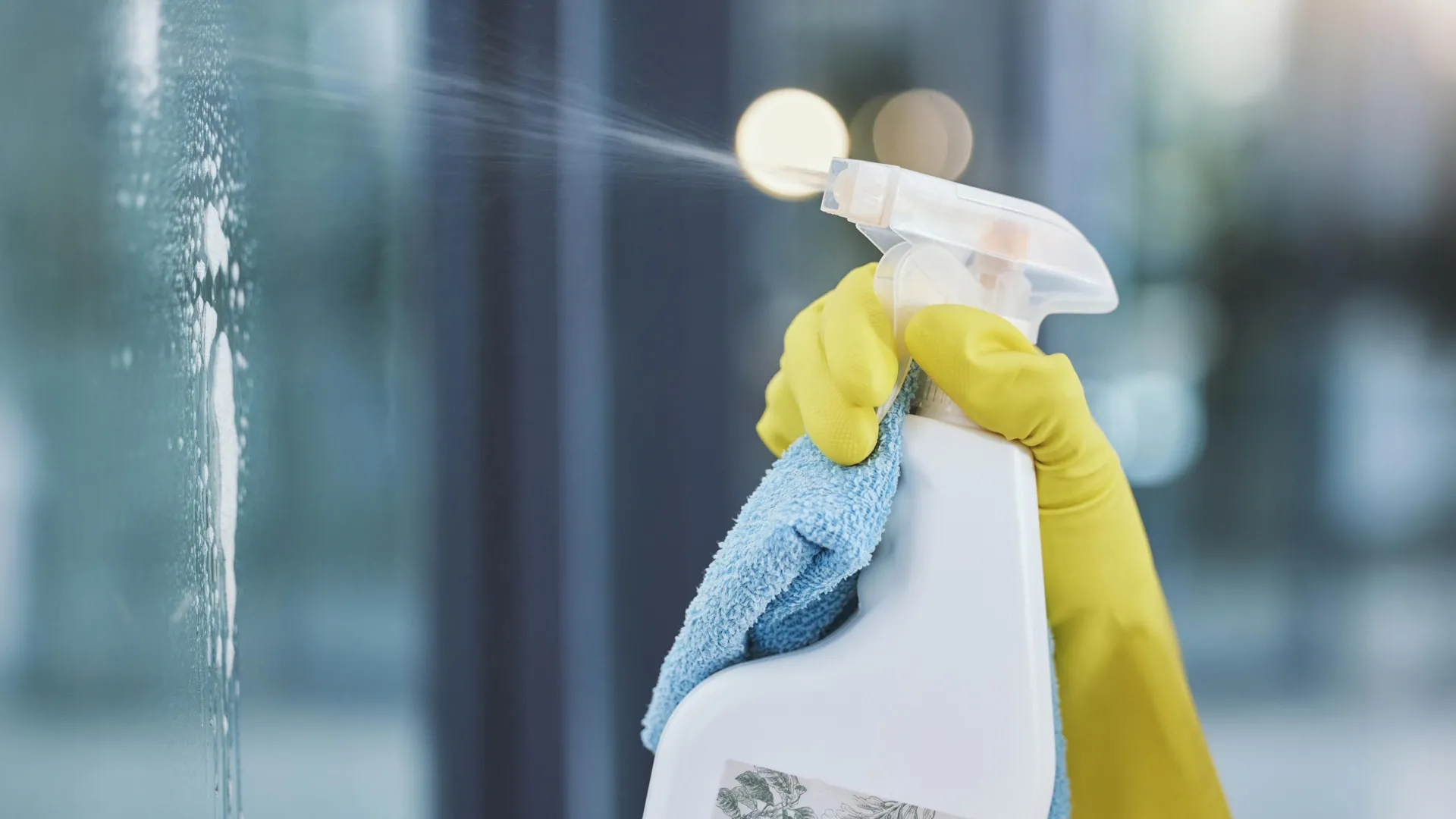
The pervasive association between a "clean" indoor environment and the scent of citrus, pine, or lavender is a deeply ingrained consumer expectation. However, new research presented at the American Chemical Society (ACS) suggests that these pleasant aromas may serve as a deceptive mask for a complex and potentially hazardous chemical process. A study led by Brandon Boor, an Assistant Professor of Civil and Construction Engineering at Purdue University, reveals that the fragrance compounds found in both conventional and botanical cleaning products can react with indoor air to generate high concentrations of nanoparticles. These ultrafine particles, often invisible to the naked eye and undetected by standard home air quality monitors, are capable of penetrating deep into the human respiratory system, posing significant health risks that mirror or even exceed those found in heavy outdoor traffic environments.
The Chemistry of the "Clean" Smell
At the heart of this atmospheric phenomenon are terpenes—volatile organic compounds (VOCs) that provide plants with their distinctive scents. Common terpenes found in cleaning agents include limonene (citrus), pinene (pine), thymol (thyme), and linalool (lavender). While these compounds are naturally occurring, their concentration in concentrated cleaning liquids is orders of magnitude higher than what is found in nature. When these products are sprayed onto surfaces or used in mopping, the terpenes evaporate into the air.
Once airborne, these terpenes undergo a process known as oxidation. When they encounter ozone—a gas that enters homes from the outdoors or is generated by certain indoor electronic devices—a rapid chemical reaction occurs. This reaction initiates "nucleation," the process by which gas molecules cluster together to form solid or liquid particles. These initial clusters, or nanoclusters, are incredibly small, often measuring only 1 to 3 nanometers in diameter. However, the Purdue study found that in the presence of high terpene concentrations, these particles grow at an extraordinary rate—up to 300 nanometers per hour—quickly reaching sizes that are easily inhaled and deposited in the lungs.
The Purdue "Living Lab" Experiments
To quantify these reactions under realistic conditions, Boor and his team utilized a specialized "model home" on the Purdue University campus. This facility, designed as a living laboratory, includes a functional kitchen, bathroom, and standard flooring, allowing researchers to simulate everyday household chores. The team tested a variety of products, ranging from conventional liquid cleaners to "green" botanical disinfectant sprays and wipes.
Using high-resolution mass spectrometry and aerosol instrumentation, the researchers monitored the air in real-time as they performed routine tasks like wiping countertops and mopping floors. The data revealed a staggering surge in particle production. A single cleaning session could generate billions, and in some cases trillions, of nanoparticles. The concentrations measured indoors often reached 10^5 to 10^8 particles per cubic centimeter. For perspective, these levels are frequently higher than the particle counts measured on a sidewalk next to a busy metropolitan highway.
"You’re not seeing smoke, dust, or haze in the air," Boor noted during his presentation. "Instead, you think the air smells great so it must be clean. But clean air should not really smell of anything."
Chronology of Research: From Pandemic to Discovery
The impetus for this research can be traced back to the onset of the COVID-19 pandemic in 2020. As global health organizations emphasized the importance of surface disinfection to curb the spread of the virus, the use of household cleaners and industrial disinfectants spiked dramatically. Dr. Boor and his colleague, Nusrat Jung, observed that the "smellscape" of indoor environments was changing.
By 2021, the team began focused experiments on how these increased chemical loads affected indoor air quality. They hypothesized that the sheer volume of disinfectants being used in poorly ventilated spaces could be creating a secondary pollution event. By 2022, the study expanded to include the interaction between cleaning products and emerging air purification technologies, such as far-UV (UV-C) lamps. The findings presented at the 2023 ACS fall meeting represent the culmination of several years of intensive field and laboratory work, highlighting a previously underappreciated link between hygiene practices and indoor atmospheric chemistry.
The Synergy of Ozone and UV-C Technology
A significant component of the Purdue study involved the interaction between scented cleaners and germicidal far-UV (UV-C) lamps. These lamps are increasingly used in schools, hospitals, and offices to deactivate airborne pathogens. However, UV-C light interacts with oxygen molecules in the air to produce ozone as a byproduct.
When researchers operated these lamps simultaneously with scented cleaning activities, they observed an "intense" intensification of nanoparticle formation. The ozone levels produced by the lamps, while relatively low (20 to 40 parts per billion), were sufficient to act as a catalyst for the high concentrations of terpenes in the room. This synergy created a "perfect storm" for secondary organic aerosol (SOA) formation, leading to a much higher respiratory dose for any occupants in the room. This finding raises critical questions for facility managers and homeowners who may be using multiple layers of "protection"—chemical cleaners and UV air purifiers—simultaneously.
Health Implications and Physiological Impact
The primary concern regarding these nanoparticles is their size. Most of the particles generated during the experiments measured between 1 and 30 nanometers. Particles of this size are classified as ultrafine particles (UFPs). Unlike larger dust particles that are trapped by the mucus and cilia in the upper respiratory tract, UFPs can bypass these defenses.
Medical literature suggests that once UFPs reach the alveolar region of the lungs, they can cause localized inflammation and oxidative stress. Because of their high surface-area-to-mass ratio, they can carry toxic chemicals directly into the lung tissue. Furthermore, research into aerosol medicine indicates that the smallest of these particles may have the ability to translocate across the lung-blood barrier, entering the systemic circulation and potentially affecting other organs, including the heart and brain.
While the Purdue study focused on the physical formation of these particles, the chemical composition of the resulting aerosols is also a point of concern. The secondary pollutants formed via terpene oxidation can include formaldehyde and other highly reactive organic compounds, which are known respiratory irritants and potential carcinogens.
Supporting Data: Indoor vs. Outdoor Pollutant Loads
The Purdue abstract provides specific technical data that underscores the severity of indoor nanoparticle events compared to outdoor environments:
- Terpene Mixing Ratios: Indoors, these rose to 10–1,000 parts per billion (ppb) during cleaning. In a natural forest, terpene levels are typically much lower, allowing for a slower, more diluted reaction.
- Nucleation Rates: The rate at which new particles formed indoors was approximately 10^5 particles per cubic centimeter per second. This exceeds typical outdoor nucleation rates by several orders of magnitude.
- Growth Rates: Particles grew at rates up to 300 nanometers per hour. In the atmosphere, such growth usually takes much longer, but the confined space and high concentration of "precursor" gases indoors accelerate the process.
- Total Concentration: Indoor concentrations peaked at 10^5 to 10^8 cm^-3, creating a "transient" but high-intensity exposure scenario for the person performing the cleaning.
Industry and Regulatory Context
Currently, indoor air quality is significantly less regulated than outdoor air quality. While the Environmental Protection Agency (EPA) sets standards for outdoor particulate matter (PM2.5 and PM10), there are no federal mandates for ultrafine particle concentrations inside residential or commercial buildings.
The cleaning product industry, valued at billions of dollars, relies heavily on fragrance as a marketing tool to signal "freshness." The Purdue findings suggest a need for a shift in consumer education and perhaps a re-evaluation of product formulations. While "botanical" products are often marketed as safer or more natural alternatives to synthetic cleaners, the study found they are just as capable of producing nanoparticles because they contain high levels of natural terpenes like limonene and thymol.
Broader Implications and Recommendations
The goal of this research, according to Dr. Boor, is not to discourage cleaning. The removal of bacteria and viruses from surfaces remains a vital public health necessity. Instead, the study advocates for "informed cleaning." The researchers suggest several strategies to mitigate the risks of invisible air pollution:
- Selection of Unscented Products: Choosing fragrance-free or unscented versions of cleaners significantly reduces the terpene load in the air, thereby cutting off the "fuel" for nanoparticle formation.
- Enhanced Ventilation: Using exhaust fans that vent to the outdoors or opening windows during and after cleaning can help dilute the concentration of VOCs and ozone, slowing down the reaction and flushing out formed particles.
- Strategic Timing: Avoiding the use of ozone-generating devices, such as certain air purifiers or UV lamps, during cleaning sessions can prevent the catalytic reaction that leads to intense particle bursts.
- Air Filtration: While standard filters may not catch the smallest nanoclusters, high-quality HEPA filters can help capture particles as they grow into the 100-300 nanometer range.
The study concludes that as we continue to spend upwards of 90% of our time indoors, understanding the "indoor atmosphere" is as critical as monitoring the outdoor one. The "invisible" pollution generated by a simple mop and bucket highlights the need for a more scientific approach to how we maintain our living and working spaces. True cleanliness, the researchers argue, is characterized by the absence of pollutants—not the presence of a pleasant scent.
