
 By Nana O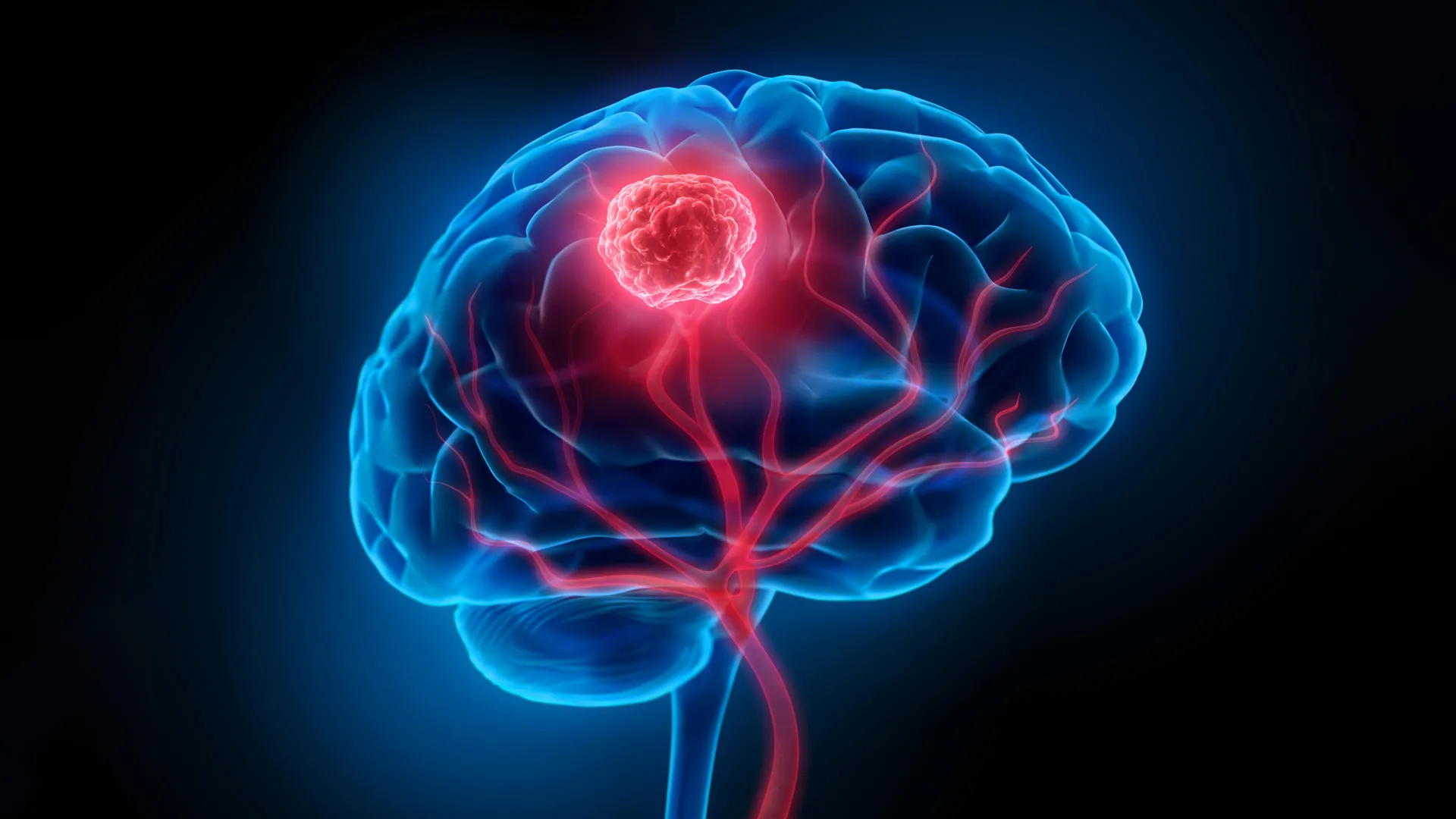
Glioblastoma, the most aggressive form of brain cancer, presents a formidable challenge to medical science. Its insidious nature lies in the cancer cells’ tendency to infiltrate surrounding healthy brain tissue, making complete surgical removal a perilous endeavor. Surgeons are constantly balancing the imperative to excise as much of the tumor as possible with the critical need to preserve vital neurological functions. This delicate surgical dance is further complicated by the blood-brain barrier, a biological shield that significantly impedes the delivery of therapeutic agents, including chemotherapy drugs and radiotherapy, directly to the tumor site. The combined effect of these obstacles contributes to the grim reality of glioblastoma, where the five-year survival rate hovers at a mere 7 percent, underscoring the urgent need for innovative treatment strategies.
A Paradigm Shift in Glioblastoma Treatment: The UTS-Led Nanoparticle Breakthrough
In a significant stride towards overcoming these entrenched challenges, researchers from the University of Technology Sydney (UTS), in collaboration with Harvard University and Henan University, have unveiled a groundbreaking ‘double-punch’ nanozyme platform. This sophisticated system of smart nanoparticles is engineered to address both the surgical and therapeutic limitations of glioblastoma treatment through a single, integrated approach. The pioneering findings, detailing the development and efficacy of this novel platform, were recently published in the esteemed scientific journal Science Translational Medicine, signaling a potential paradigm shift in how this devastating disease is managed.
Dr. Bingyang Shi, Chair Professor of Nanomedicine at UTS’s School of Electrical, Mechanical and Biomedical Engineering, articulated the core innovation behind the platform. "We’ve engineered a single material that does two jobs in sequence," Professor Shi explained. "It’s a precise guide for the surgeon during the operation, and then a targeted clean-up treatment afterward." This sequential functionality is the lynchpin of the technology, offering a multi-pronged attack against glioblastoma.
The heart of this innovative system is an exceptionally thin, two-dimensional sheet constructed from individual atoms meticulously placed, a process adapted from advanced semiconductor manufacturing techniques. This atomic-level precision in fabrication imbues the material with the remarkable ability to transition between two distinct roles, both activated by the same wavelength of near-infrared light. Initially, it serves as a high-precision imaging agent during surgery, enhancing the surgeon’s ability to visualize and delineate tumor margins. Following the surgical resection, the same nanoparticle platform is repurposed for post-operative phototherapy, targeting and eradicating any residual microscopic cancer cells that may have evaded surgical removal.
Illuminating the Invisible: Enhanced Surgical Visualization
One of the most immediate and impactful applications of this nanoparticle platform lies in its capacity to significantly improve surgical visualization. Glioblastoma tumors are notoriously difficult to distinguish from healthy brain tissue, often appearing as infiltrative masses rather than discrete nodules. Current clinical imaging tools, while valuable, can struggle to detect the smallest clusters of cancer cells, which can be the seeds of future recurrence.
Professor Shi highlighted the platform’s prowess in this regard: "During surgery, it functions as a highly sensitive imaging agent." The nanoparticles are engineered with a fluorescent dye that emits a glow under near-infrared light, a wavelength invisible to the human eye. This enables surgeons to discern individual tumor cell clusters as small as 44 micrometers, a level of detail that surpasses the resolution of existing clinical imaging modalities. Furthermore, a specially designed targeting molecule attached to the nanoparticle material facilitates its passage across the blood-brain barrier, allowing it to selectively accumulate within glioma cells. This dual action – enhanced imaging and targeted delivery – empowers surgeons to achieve more complete tumor resection with greater precision, minimizing damage to healthy brain tissue.
The Post-Operative Clean-Up: Eradicating Residual Disease
The challenges of glioblastoma do not end with the visible tumor’s removal. Microscopic cancer cells, often dispersed into the surrounding brain, can persist even after meticulous surgery. These tenacious cells are a primary driver of tumor recurrence, a devastating outcome for patients. The UTS-led research addresses this critical unmet need with the nanoparticle platform’s second function: targeted phototherapy.
Once the visible tumor has been excised, the same nanoparticle material can be administered into the surgical cavity. Upon activation with near-infrared light, the nanoparticles initiate a two-pronged therapeutic assault. Firstly, the embedded platinum atoms catalyze a reaction with the tumor’s own hydrogen peroxide, converting it into oxygen. This process is crucial, as glioblastoma tumors often create a hypoxic (low-oxygen) microenvironment that renders them resistant to conventional treatments. By increasing oxygen levels, the nanoparticles create a more favorable environment for therapy. Simultaneously, the near-infrared light triggers the generation of heat and reactive oxygen species (ROS). These agents are highly potent and can effectively destroy any remaining microscopic cancer cells that escaped surgical detection. This "clean-up" phase is pivotal in preventing early recurrence and improving long-term patient outcomes.
Pre-Clinical Validation: Promising Results in Animal Models
The efficacy of this novel nanozyme platform has been rigorously tested in pre-clinical studies using mouse models of glioblastoma. The results have been highly encouraging, demonstrating a significant reduction in tumor recurrence following surgery in treated animals. In a direct comparison, mice treated with the nanoparticle platform after surgery exhibited a median survival of 60 days, a substantial improvement over the 42-day survival observed in mice that received surgery alone. This indicates a tangible benefit in extending survival and potentially preventing the regrowth of the tumor.
Crucially, comprehensive follow-up assessments revealed no detectable neurological or motor impairments associated with the nanoparticle treatment in the mouse models. This is a critical finding, as any new treatment for brain cancer must not only be effective but also minimize the risk of causing further neurological damage. The absence of such side effects in the pre-clinical trials suggests a favorable safety profile for the nanozyme platform.
Navigating the Path Forward: From Bench to Bedside
Despite the exceptionally promising results, the research team and the broader scientific community emphasize that this technology remains in its early stages of development. The success observed in animal models is a vital first step, but the translation of these findings to human patients requires extensive further research and clinical trials.
Professor Shi reiterated this crucial distinction: "The results are very encouraging, but this is still early-stage research carried out in mouse models, not in people – and that distinction is important." The complexities of the human brain and the vast differences in scale and biological responses between rodents and humans necessitate thorough investigation. The imaging and therapeutic performance of the nanoparticle platform will need to be validated at the scale of a human brain, and its safety and efficacy in human patients must be rigorously established through phased clinical trials.
The potential implications of this technology, should it successfully navigate the rigorous path to clinical approval, are profound. Surgeons could gain unprecedented clarity during operations, allowing them to identify and remove more of the tumor with greater accuracy. Post-operatively, the targeted therapeutic capabilities of the nanoparticles could effectively neutralize residual cancer cells, significantly reducing the likelihood of recurrence. This would represent a monumental leap forward in the management of glioblastoma, a disease that has long been characterized by its devastating prognosis.
The development of this dual-action nanozyme platform is a testament to the power of interdisciplinary collaboration and cutting-edge nanotechnology. By addressing the fundamental challenges of surgical visualization and post-operative tumor clearance, this innovation offers a beacon of hope for patients and clinicians alike, pushing the boundaries of what is possible in the relentless pursuit of a cure for glioblastoma. The journey from laboratory breakthrough to widespread clinical application is often long and arduous, but the early success of this nanoparticle platform suggests a future where glioblastoma may be a far less formidable adversary.
