
 By admin
The indelible spirit of Victoria Ann Michelis, known affectionately as Vicky, continues to champion the vulnerable and drive progress in medical science through the Victoria Ann Michelis Fund. Refusing to be defined by her battle with ovarian cancer, Vicky lived a life marked by unwavering advocacy, profound compassion for those around her, and a fearless candor. Today, her legacy is meticulously upheld by her devoted friend, Rob Malone, who channels her generosity into causes close to her heart, particularly groundbreaking research aimed at expanding treatment options for individuals confronting aggressive cancers like her own.
Understanding Ovarian Cancer: A Formidable Foe
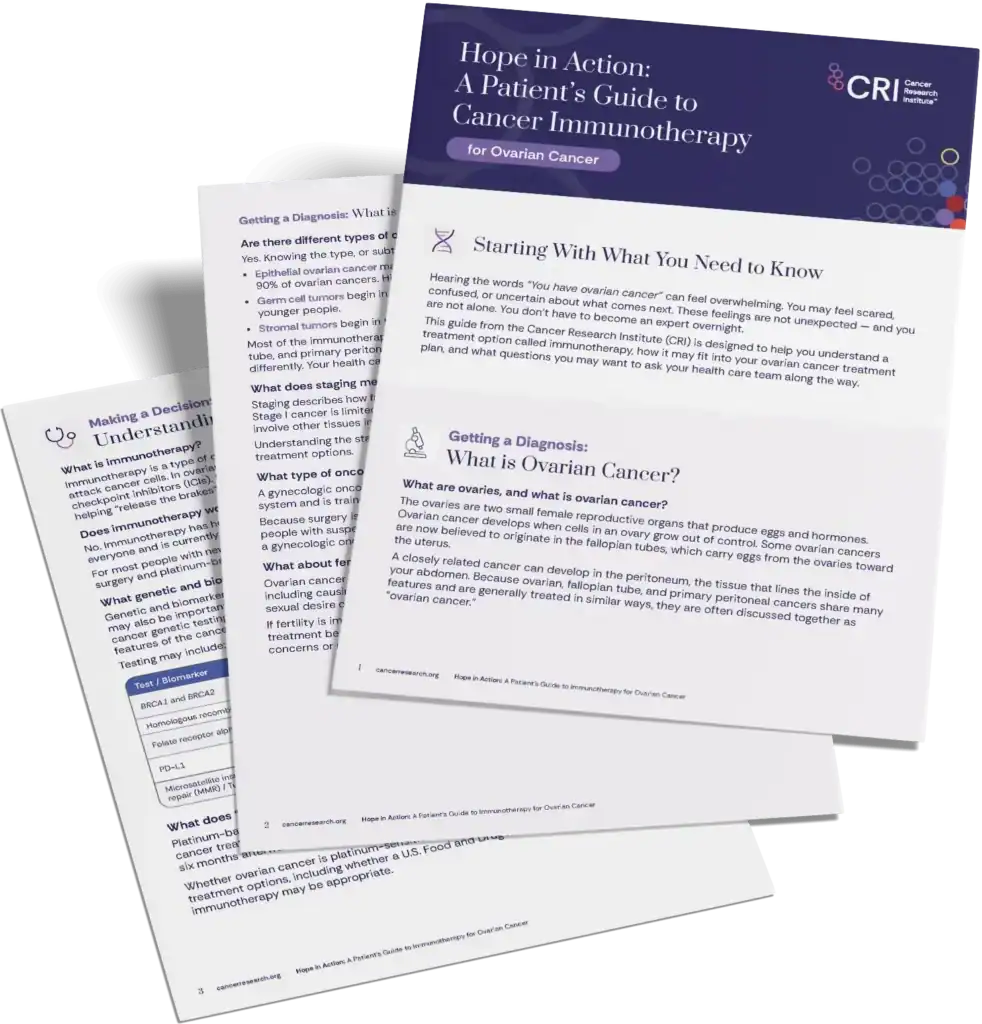
Ovarian cancer, a complex and often insidious disease, originates in the ovaries—two small, almond-shaped reproductive organs responsible for egg production and hormone synthesis in women. Recent scientific advancements suggest that a significant proportion of ovarian cancers may, in fact, initiate in the fimbriae, the finger-like projections at the ends of the fallopian tubes that sweep eggs from the ovaries towards the uterus. A closely related malignancy, peritoneal cancer, can also arise from the peritoneum, the membrane lining the abdominal cavity. These three cancers are often grouped due to their similar cellular origins and treatment approaches.
Globally, ovarian cancer remains a devastating health challenge. In 2024, an estimated 331,000 women worldwide received an ovarian cancer diagnosis, with over 200,000 succumbing to the disease. The United States alone anticipates approximately 21,010 new cases and 12,450 deaths in 2026. These statistics underscore its position as a leading cause of cancer-related mortality among women. The high mortality rate is largely attributed to the disease’s silent nature; its symptoms are often subtle, non-specific, and easily mistaken for less serious conditions, leading to late-stage diagnosis when the cancer has already metastasized and treatment options are significantly limited. Symptoms can include bloating, pelvic or abdominal pain, difficulty eating or feeling full quickly, and urinary frequency or urgency. Unfortunately, there are currently no reliable early screening tests comparable to mammograms for breast cancer or Pap tests for cervical cancer, making awareness of symptoms and prompt medical attention crucial.
Vicky Michelis: A Champion for the Underdog

Vicky Michelis embodied a rare blend of tenacity, deeply held convictions, and an innate drive to support those in need. Her personal philosophy consistently gravitated towards empathy for the marginalized and a staunch defense of the vulnerable. Rob Malone fondly recalls her professional life: "Through the years, she worked at many different jobs, all of them oriented around interacting with people," he recounts. "And one thing that was characteristic of every one of her interactions is, if you were a bigwig and too impressed with yourself, she had very little regard for you. If you were a small person who was struggling, she was all about you." This unwavering commitment to championing the underdog became a defining characteristic throughout her life, influencing not only her personal relationships but also her approach to her own health crisis.
In a cruel twist of fate, Vicky herself became one of the "underdogs" in need of fierce advocacy when she experienced symptoms of hypercalcemia—an abnormally high level of calcium in the blood. This led to a diagnosis of small cell carcinoma of the ovary, hypercalcemic type (SCCOHT), an exceptionally rare and aggressive form of ovarian cancer. SCCOHT accounts for less than 1% of all ovarian cancers, with only an estimated 500-600 cases ever reported globally. Its rarity often means a lack of standardized treatment protocols and a particularly challenging prognosis due to its rapid progression and resistance to conventional therapies.
Rob remembers Vicky’s initial response to this devastating news with a remarkable degree of objective determination. She approached the diagnosis not with despair, but with a researcher’s mindset. She meticulously investigated her options, sought out specialists, and became an unwavering advocate for herself throughout her arduous treatment journey. However, even for someone as resilient as Vicky, the gravity of the situation was immense. Rob recalls a poignant phone call when the full weight of her diagnosis seemed to settle upon her: "They said the word ‘cancer,’ and they were talking about me," Vicky confided, a stark realization of her new reality.
The Battle, Remission, and a Renewed Purpose
Vicky endured several grueling years of surgery and chemotherapy, navigating the intense physical and emotional toll of aggressive cancer treatment. Against formidable odds, she eventually received the "thumbs up" from her medical team, signaling a period of remission. Both she and Rob dared to believe she had triumphed over the disease. This hard-won victory, however, profoundly reshaped her perspective and ignited a new passion: raising awareness about ovarian cancer.
Her personal ordeal illuminated the critical challenges in recognizing ovarian cancer. She understood firsthand how its subtle symptoms often lead to delayed diagnoses, frequently at advanced stages when the disease is far more difficult to treat. Driven by a desire to spare others a similar fate, Vicky channeled her energy into a new mission. She established a small nonprofit organization dedicated to educating the public about ovarian cancer and empowering women to recognize its potential symptoms. Rob succinctly describes this endeavor as "her way of giving back," a testament to her inherent generosity and her unwavering commitment to helping others navigate life’s toughest challenges. Her efforts contributed significantly to patient education, emphasizing the importance of listening to one’s body and seeking timely medical advice.

A Cruel Recurrence and an Enduring Legacy
Tragically, in 2017, Vicky’s cancer returned. This recurrence, particularly for such an aggressive and rare form of the disease, presented an even more daunting challenge. "She tried everything she could try," Rob recounts, painting a picture of relentless determination in the face of dwindling options. "She looked for trials, and she went so aggressive with the treatments that it just weakened and harmed her." Despite her courageous fight and the exhausting pursuit of every possible avenue, Vicky’s condition deteriorated. She passed away in 2020, leaving behind a profound void but an equally powerful legacy.
The values that defined Vicky’s life—her boundless generosity, deep compassion, and fierce commitment to supporting others—did not dissipate with her passing. Anticipating her eventual departure, Vicky had meticulously planned for her estate, entrusting Rob with the significant responsibility of establishing a charitable fund after specific personal gifts were distributed to her closest loved ones. Rob embraced this charge with the same dedication and loyalty that characterized their friendship.
The Victoria Ann Michelis Fund: A Catalyst for Change
Named in her honor, the Victoria Ann Michelis Fund stands as a vibrant testament to Vicky’s enduring spirit. The fund is strategically designed to support smaller, US-based nonprofit organizations working in areas Vicky held dear: advocating for underserved children, advancing cancer research and patient care, assisting individuals experiencing hunger, homelessness, or other vulnerabilities, and promoting animal welfare. This multi-faceted philanthropic approach reflects the broad spectrum of her compassion and her desire to make a tangible difference across various societal needs.
Among its key beneficiaries, the Victoria Ann Michelis Fund has made substantial contributions to the Cancer Research Institute (CRI), an organization renowned for its unwavering pursuit of bold, innovative ideas in cancer immunotherapy. Rob Malone’s decision to support CRI was deeply informed by Vicky’s personal frustrations with conventional treatments. "Vicky was frustrated that she kept being put down the same old chemotherapy paths for treatment, that there wasn’t something innovative or different that could have been done," Rob explains. "And that’s why I think CRI would appeal to her, because you’re pursuing the other options." This aligns perfectly with CRI’s mission to explore novel immunotherapeutic strategies that harness the body’s own immune system to fight cancer, particularly for challenging tumors that have historically shown limited response to traditional therapies.

Advancing Immunotherapy for Solid Tumors
The fund’s support for CRI is directly translating into crucial scientific advancements. One notable recipient of funding through the Victoria Ann Michelis Fund is CRI Irvington Postdoctoral Fellow Dr. Hyung Jun Kim. Dr. Kim’s research focuses on the intricate process of re-engineering macrophages, a type of immune cell, to enhance their effectiveness against solid tumors.
Solid tumors, which include ovarian tumors, have presented unique challenges for immunotherapy. The complex microenvironment surrounding these tumors often acts as a formidable barrier, actively suppressing immune responses and physically impeding immune cells from infiltrating and effectively attacking cancer cells. Macrophages, while present in the tumor microenvironment, can sometimes be "hijacked" by the cancer to promote tumor growth and suppress anti-tumor immunity. Dr. Kim’s pioneering work seeks to reprogram these macrophages, transforming them from tumor-supporting cells into potent cancer fighters. This research holds immense promise for overcoming the inherent defenses of solid tumors, potentially unlocking new therapeutic possibilities not only for ovarian cancer but also for a wide range of other difficult-to-treat solid malignancies. His findings could pave the way for next-generation immunotherapies that specifically target and re-educate the immune cells within the tumor’s immediate vicinity.
Further demonstrating its commitment to accelerating scientific discovery, the Victoria Ann Michelis Fund has also made a multiyear commitment to the CRI Discovery Engine. This first-of-its-kind initiative is designed to generate standardized, high-quality, AI-ready data from various cancer research studies. The goal is to create a robust and accessible data infrastructure that researchers across different institutions and studies can utilize, compare findings, identify novel patterns, and build upon one another’s work more efficiently.
Ovarian cancer is among the initial areas of focus for the Discovery Engine. By enabling scientists to more easily share and analyze vast datasets, the initiative aims to dramatically accelerate immunotherapy research in difficult-to-treat tumors. This collaborative, data-driven approach is critical for deciphering the complexities of cancer biology, identifying new biomarkers, and ultimately, developing more effective and personalized treatment options for patients. The integration of AI into data analysis promises to uncover insights that might be missed by traditional methods, significantly shortening the timeline from discovery to clinical application.
Carrying Vicky’s Generosity Forward: A Legacy of Hope
Vicky Ann Michelis adamantly refused to let cancer define her life, and it certainly does not define her enduring legacy. Her spirit lives vibrantly through the people she touched, the causes she championed, and the expansive generosity now extended in her name. The Victoria Ann Michelis Fund serves as a powerful testament to the instinct that guided Vicky throughout her life: to stand firmly beside those who needed an advocate, a supporter, or simply someone in their corner. This profound impulse continues to reach countless individuals and animals she never had the chance to meet, fostering hope and creating tangible positive change.
Moreover, Vicky’s legacy thrives in the cutting-edge research she helps fund—research working tirelessly towards a future she passionately desired but was tragically denied. It is a future where people grappling with ovarian cancer, and indeed all cancers, are afforded more treatment options, more robust reasons for hope, and crucially, more precious time with their loved ones. Through the vision and dedication of Rob Malone, and the enduring generosity of Vicky Michelis, the promise of scientific advancement continues to shine brightly, illuminating a path towards a world where cancer is no longer an insurmountable foe. Her life was a beacon of compassion, and her fund ensures that beacon continues to light the way forward for generations to come.
