
 By admin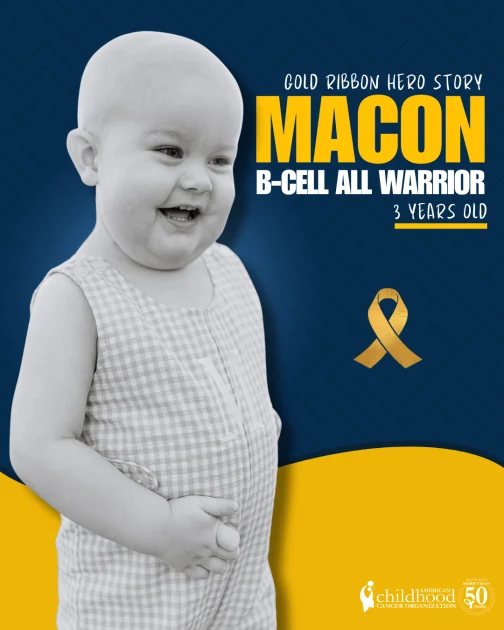
The Sudden Transition from Wellness to Critical Care
The diagnosis of childhood leukemia often occurs with startling speed, a reality experienced firsthand by Macon’s parents. Despite appearing asymptomatic and maintaining his usual playful demeanor, the internal biological markers indicated a severe hematological crisis. Following the initial screening at the pediatrician’s office, Macon was admitted to the emergency department for comprehensive diagnostic testing, including specialized blood work and imaging.
The confirmation of B-Cell Acute Lymphoblastic Leukemia—a cancer of the blood and bone marrow—sent the family into a state of profound shock. As noted by his mother, Madeline, the absence of physical symptoms made the news particularly difficult to process. This scenario is not uncommon in pediatric oncology, where the early stages of leukemia can mimic minor childhood ailments or, in some cases, remain entirely masked until a routine screening or a sudden acute episode occurs.
Clinical Progression and Treatment Complications
Macon’s medical journey began immediately following his diagnosis. The standard of care for B-ALL involves several phases of intensive therapy designed to eradicate leukemia cells and prevent recurrence. However, the path to recovery was complicated early on by secondary medical challenges. Macon required a port-a-cath—a small device implanted under the skin to allow easy access to the bloodstream for chemotherapy—to be placed twice. This was necessitated by a serious staph infection (Staphylococcus aureus) in his bloodstream, a dangerous complication for an immunocompromised patient.
The treatment regimen for B-ALL is among the most intensive in pediatric medicine. For Macon, this has included systemic chemotherapy, which targets rapidly dividing cancer cells throughout the body. Furthermore, he has undergone numerous lumbar punctures (spinal taps) to deliver chemotherapy directly into the cerebrospinal fluid, a necessary step to prevent the leukemia from spreading to the central nervous system. His clinical management also involves frequent bone marrow biopsies, a procedure used to monitor the presence of residual leukemia cells and assess how well the bone marrow is recovering and producing healthy blood cells.
Understanding B-Cell Acute Lymphoblastic Leukemia
B-Cell Acute Lymphoblastic Leukemia is the most common form of childhood cancer, accounting for approximately 75% to 80% of leukemia diagnoses in children. It occurs when the bone marrow makes too many immature lymphocytes, a type of white blood cell. In the case of B-cell ALL, these "blasts" are B lymphocytes that do not mature properly and cannot effectively fight infection. As these leukemia cells multiply, they crowd out healthy white blood cells, red blood cells, and platelets.
According to the American Cancer Society and the National Cancer Institute, the five-year survival rate for children with ALL has seen significant improvement over the last several decades, now exceeding 90%. However, this high success rate comes at the cost of a grueling and lengthy treatment process. The standard protocol for pediatric ALL typically spans two to three years, involving an initial induction phase to achieve remission, followed by consolidation and a long-term maintenance phase.
The Long-Term Treatment Strategy and Maintenance Phase
Currently, Macon is navigating the long-term chemotherapy phase of his protocol. This stage is designed to be a marathon rather than a sprint, intended to eliminate any lingering microscopic cancer cells that could cause a relapse. For Macon, this journey is projected to last a total of two and a half years.
Despite the physiological toll of chemotherapy, Macon has demonstrated remarkable resilience. His mother reports that he has completed his first full year of treatment and has tolerated the medications better than initially anticipated. Weekly blood monitoring remains a cornerstone of his care, and recent results indicate no circulating leukemia cells, suggesting that the current therapeutic approach is effective. If Macon continues to meet his clinical milestones without significant setbacks, he is scheduled to complete his final round of treatment and "ring the bell"—a symbolic ceremony marking the end of cancer therapy—in May 2027.
The Impact on the Family Dynamic and Pediatric Development
A diagnosis of childhood cancer exerts immense pressure on the family unit, requiring a total reorganization of daily life around hospital schedules, medication cycles, and infection control. For Macon, maintaining a sense of normalcy is vital for his developmental progress. He continues to engage in typical toddler activities, such as playing outdoors, interacting with his sister, and riding his toys.
The psychological burden on parents, however, is substantial. The transition from "parent" to "caregiver and medical advocate" happens overnight. Madeline’s reflections highlight the "shock, fear, and disbelief" that characterize the early days of diagnosis. Organizations like the American Childhood Cancer Organization (ACCO) emphasize that the emotional and financial strain on families is a critical component of the childhood cancer crisis that requires as much attention as the medical treatment itself.
Broader Implications for Pediatric Oncology Research and Advocacy
Macon’s case underscores several critical issues in the field of pediatric oncology. First is the indispensable value of routine pediatric screenings. Without the finger-prick test during his two-year well visit, Macon’s leukemia could have progressed to a much more dangerous stage before being detected.
Second, the length and intensity of his treatment highlight the need for continued research into less toxic therapies. While survival rates for B-ALL are high, the long-term side effects of chemotherapy on developing bodies—ranging from cardiac issues to cognitive delays—remain a concern for survivors. Advocacy groups argue that pediatric cancer remains underfunded compared to adult cancers, despite the fact that it is the leading cause of death by disease for children in the United States.
The Role of Support Systems and Public Awareness
The phrase "kids can’t fight cancer alone" serves as a rallying cry for the community support systems that sustain families like Macon’s. Support ranges from local community efforts to national organizations that provide educational resources, advocacy for increased research funding, and emotional support for siblings and parents.
Public awareness campaigns often focus on the "Gold Ribbon," the international symbol for childhood cancer. These campaigns aim to educate the public on the realities of the disease: that it is not a single illness but a collection of diverse and complex conditions requiring specialized pediatric care. Macon’s story is a testament to the efficacy of modern pediatric oncology, but it also serves as a reminder of the thousands of children currently in the "active treatment" phase who require years of medical intervention.
Looking Ahead: The Path to May 2027
As Macon moves forward into the second half of his treatment, the focus remains on maintaining his remission and managing the side effects of his maintenance chemotherapy. The "maintenance" phase, while generally less intensive than the "induction" or "consolidation" phases, still requires daily oral chemotherapy, monthly intravenous treatments, and periodic lumbar punctures.
The goal for May 2027 is not just the cessation of medicine, but the beginning of a life free from the constraints of a clinical schedule. For the medical community, Macon’s progress is a data point in the ongoing success story of B-ALL treatment. For his family, it is a daily exercise in hope and endurance. As Macon continues to play, laugh, and grow, he represents the resilience of pediatric patients who face life-threatening diagnoses with a strength that often surpasses their years.
The journey of this three-year-old "warrior" provides a window into the current state of pediatric cancer care: a field defined by rapid diagnostic capabilities, arduous but effective treatment protocols, and the unwavering necessity of family and community support. While the road to 2027 remains long, the current clinical indicators provide a positive outlook for Macon’s future beyond leukemia.
