
 By George Ongkojoyo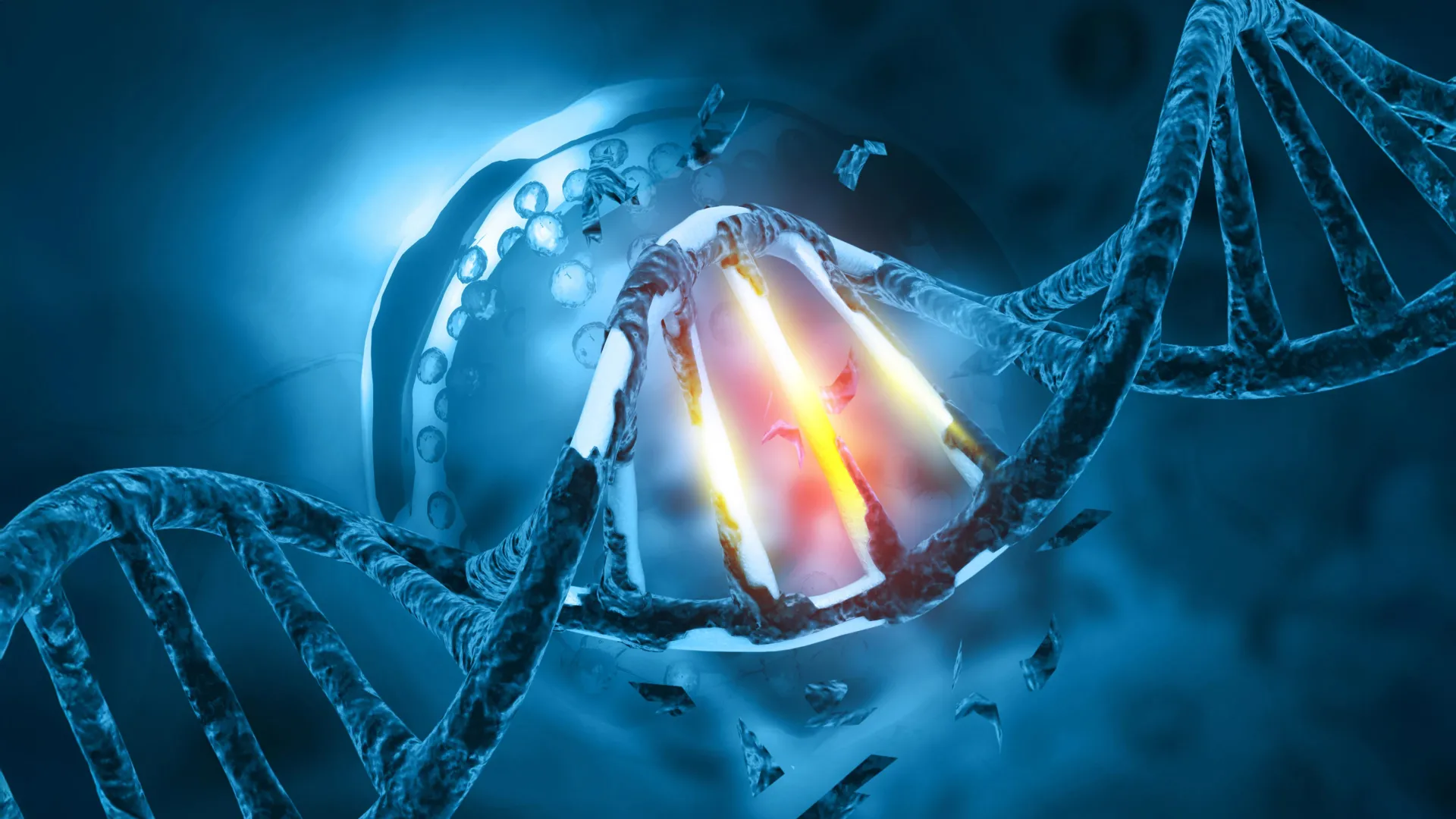
In the complex landscape of cellular biology, tumor suppressor genes have long been heralded as the primary sentinels of genomic integrity. These genetic sequences are responsible for producing proteins that meticulously monitor, repair, and maintain the fidelity of DNA during the rigorous process of cell division. By correcting errors and preventing the accumulation of harmful mutations, these proteins serve as a critical defense mechanism against the onset of malignancy. Traditionally, oncological research has focused on the dangers of these genes becoming silenced or underactive. However, a groundbreaking study from the Penn State College of Medicine has unveiled a paradoxical reality: an overabundance of a specific DNA repair protein can be just as detrimental as its absence.
The research, recently published in the prestigious journal Nature Communications, identifies the gene EXO1 (Exonuclease 1) as a double-edged sword in the fight against cancer. While EXO1 is essential for normal DNA maintenance, the study demonstrates that its overexpression can lead to catastrophic genomic instability. Instead of safeguarding the genetic blueprint, excessive EXO1 activity mimics the destructive patterns seen in hereditary cancers, potentially offering a new pathway for identifying patients who will respond to specialized, less-toxic chemotherapy treatments.
The Paradox of DNA Repair: When Protection Becomes Destruction
Under normal physiological conditions, the EXO1 protein functions as a set of "molecular scissors." Its primary role is to excise damaged or mismatched sections of DNA, allowing other repair enzymes to fill in the gaps with the correct genetic information. This process is vital for preventing the mutations that lead to tumor formation. However, the Penn State research team, led by Dr. George-Lucian Moldovan, professor of molecular and precision medicine, found that when the cell produces too much EXO1, these molecular scissors lose their precision.
The study reveals that excessive EXO1 begins to cut and degrade DNA structures that are healthy and essential for cell survival. Specifically, the protein targets newly formed DNA during the replication process. By over-trimming these structures, the protein creates "toxic lesions," including double-strand breaks—the most severe form of DNA damage. This process effectively destabilizes the entire genome, a hallmark of aggressive cancer development.
To verify that the damage was caused by the protein’s biochemical activity rather than its mere presence in the cell, the researchers conducted a series of controlled experiments. They created a "kinase-dead" or disabled version of the EXO1 protein that lacked its cutting ability. When this disabled protein was introduced into cells in high quantities, the DNA remained stable. This confirmed that it is the hyperactive "cutting" function of the protein that drives the genomic erosion seen in overexpressing tumors.
Identifying the Scope: Prevalence Across Multiple Cancer Types
The implications of this discovery are far-reaching, as EXO1 overexpression is not an isolated phenomenon. By analyzing extensive data from The Cancer Genome Atlas (TCGA)—a comprehensive genomics program managed by the National Cancer Institute—the researchers mapped the prevalence of this genetic anomaly across various malignancies.
The data indicates that EXO1 is overexpressed in approximately 20% to 30% of breast and ovarian cancers. Perhaps more significantly, the study found elevated levels of the gene in several other high-risk cancers, including:
- Melanoma: A lethal form of skin cancer known for its high mutation rate.
- Hepatobiliary Cancers: Including malignancies of the liver, gallbladder, and bile ducts.
- Testicular and Cervical Cancers: Highlighting the gene’s impact across diverse reproductive and systemic tissues.
A particularly notable finding was the strong association between elevated EXO1 levels and basal-like breast cancer. Often referred to as "triple-negative" breast cancer in clinical settings, this subtype is known for its aggressive nature, high rate of recurrence, and lack of targeted treatment options. The discovery that EXO1 may drive the progression of this specific subtype provides a new focal point for future therapeutic interventions.
The BRCA Connection: "BRCA-ness" Without the Mutation
One of the most significant revelations of the study is the functional similarity between EXO1 overexpression and mutations in the BRCA1 and BRCA2 genes. BRCA mutations are well-known for increasing the risk of hereditary breast and ovarian cancers because they impair the cell’s ability to protect and repair DNA during replication.
The Penn State team discovered that cells with excessive EXO1 behave almost identically to BRCA-mutant cells, a phenomenon sometimes referred to in oncology as "BRCA-ness." In these cells, the excess EXO1 overwhelms the protective mechanisms that normally safeguard DNA replication forks. The researchers found that EXO1 works in tandem with another protein, MRE11, to enlarge single-stranded DNA gaps and degrade reversed replication forks.
Crucially, this "BRCA-like" behavior occurred even in cells where the BRCA genes were perfectly healthy and functioning normally. "Mechanistically, this overexpression does exactly what the loss of the BRCA pathway does in BRCA-mutant tumor cells," Dr. Moldovan explained. This finding is a paradigm shift; it suggests that a large population of cancer patients who do not carry the BRCA mutation may still possess tumors with the same fundamental vulnerabilities as those who do.
Implications for Targeted Therapy and Precision Medicine
The identification of EXO1 as a driver of genomic instability opens the door to more personalized and effective treatment strategies. Currently, certain high-efficiency drugs, such as PARP inhibitors (e.g., olaparib), are primarily reserved for patients with confirmed BRCA mutations. These drugs work by exploiting the specific DNA repair deficiencies of the tumor, leading to "synthetic lethality" where the cancer cell can no longer repair itself and dies, while healthy cells remain relatively unharmed.
The Penn State study tested whether EXO1-overexpressing tumors would respond to these same treatments. The results were promising: tumors with elevated EXO1 were highly sensitive to olaparib. Furthermore, these tumors showed increased sensitivity to cisplatin, a common but often toxic chemotherapy drug. The researchers suggest that because EXO1-overexpressing cells are already weakened by genomic instability, lower doses of cisplatin might be effective, thereby reducing the grueling side effects often associated with the treatment.
"EXO1 doesn’t predict cancer risk in the way an inherited mutation does, but it could potentially serve as a biomarker to help predict which patients are more likely to respond to certain chemotherapy treatments," said Dr. Moldovan. This could significantly expand the number of patients eligible for PARP inhibitors and other targeted therapies, moving oncology closer to a model where treatment is dictated by the genetic landscape of the tumor rather than its organ of origin.
Chronology of Research and Future Directions
The study represents the culmination of years of investigation into the mechanisms of DNA replication and repair. The project was led by Alexandra Nusawardhana, who completed her doctorate in biomedical sciences at Penn State College of Medicine this year. Her work, alongside assistant professor Claudia Nicolae and Dr. Moldovan, utilized a multi-disciplinary approach combining bioinformatics, molecular biology, and laboratory-based drug testing.
The timeline of the research progressed through several key phases:
- Initial Hypothesis: Identifying EXO1 as a potential outlier in DNA repair based on preliminary genomic screenings.
- Data Mining: Utilizing the TCGA database to correlate EXO1 levels with patient outcomes and tumor types.
- In Vitro Testing: Artificially modulating EXO1 levels in human cancer cell lines to observe the direct impact on DNA integrity.
- Mechanistic Discovery: Identifying the synergy between EXO1 and MRE11 and the degradation of replication forks.
- Therapeutic Validation: Testing the sensitivity of these cells to olaparib and cisplatin.
Looking forward, the research team plans to move beyond the laboratory. The next stage involves the development of standardized clinical assays to measure EXO1 levels in patient biopsies. The long-term goal is to launch clinical trials that will evaluate the efficacy of PARP inhibitors in patients whose tumors overexpress EXO1, regardless of their BRCA status.
A New Era of Genomic-Based Oncology
The findings from Penn State College of Medicine contribute to a growing consensus in the medical community that the future of cancer care lies in precision medicine. By shifting the focus from the location of the tumor to the specific molecular drivers of the disease, clinicians can provide more effective treatments with fewer systemic impacts.
The discovery that an overabundance of a "good" protein like EXO1 can be a driver of malignancy serves as a reminder of the delicate balance required for cellular health. As researchers continue to untangle the complexities of the human genome, biomarkers like EXO1 will play a vital role in navigating the path from diagnosis to recovery.
Supported by funding from the National Institutes of Health (NIH) and the Four Diamonds organization, this research underscores the importance of continued investment in basic molecular science. As Dr. Moldovan concluded, treating cancers based on the landscape of genetic mutations rather than tissue type is the future of the field—a future where the "molecular scissors" of the cell are understood well enough to be used as a roadmap for cure.
