
 By George Ongkojoyo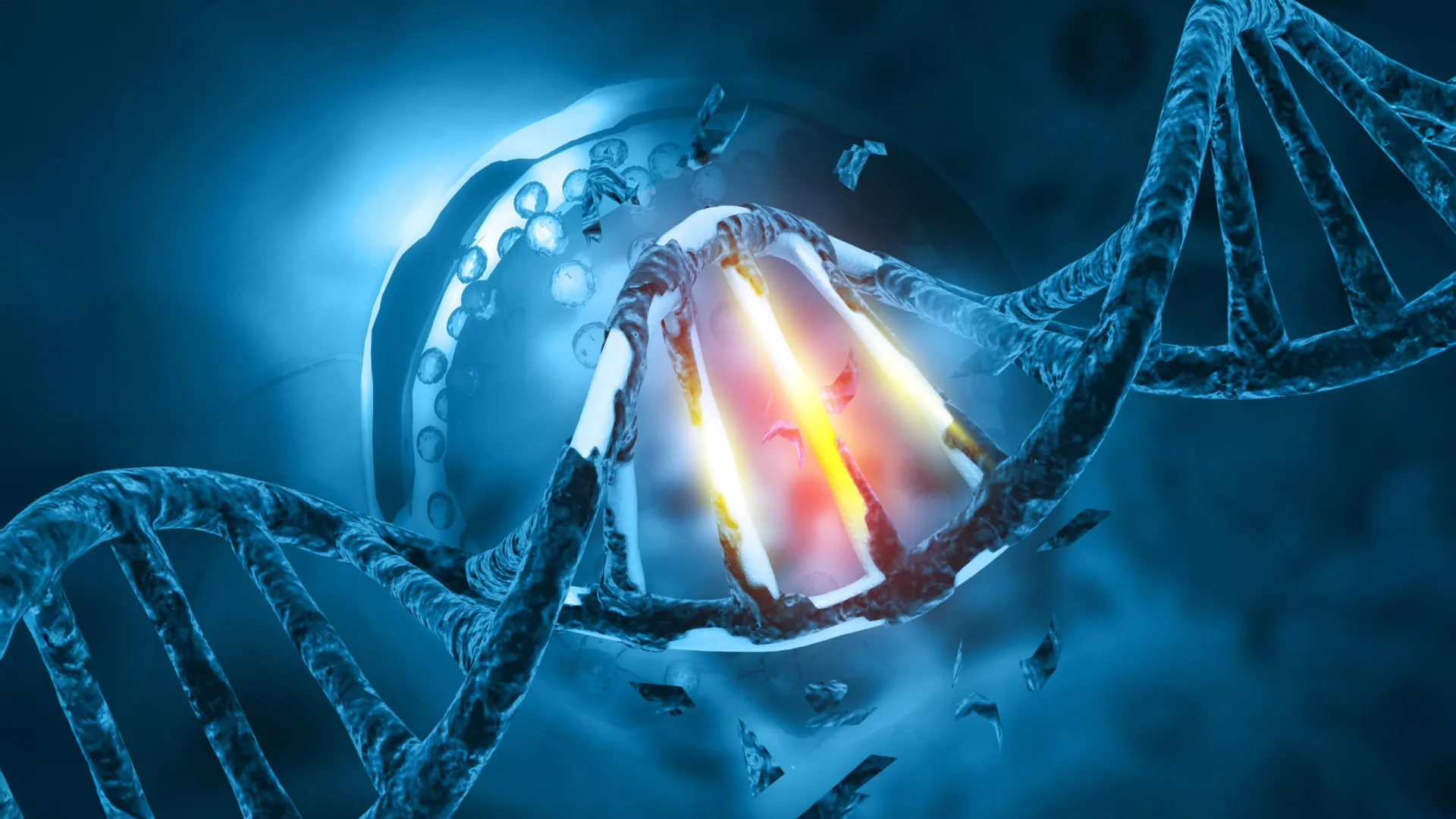
In the traditional understanding of oncology, tumor suppressor genes and DNA repair proteins are categorized as the primary guardians of the genome. These biological mechanisms are responsible for identifying genetic errors, repairing broken strands, and ensuring that the cellular blueprint remains intact during replication. However, a groundbreaking study from the Penn State College of Medicine has challenged this binary view, revealing that an overabundance of a specific repair protein, EXO1, can transition from a protector of the cell to a driver of genomic instability. This discovery suggests that for certain proteins, the "too much of a good thing" principle applies with lethal consequences for cellular health, yet offers a promising new window for personalized cancer treatment.
The research, published recently in the journal Nature Communications, demonstrates that when the gene EXO1 is overexpressed, it behaves less like a repair technician and more like a source of structural damage. By over-processing DNA, excessive EXO1 creates a state of "BRCAness"—a condition where cells exhibit the same vulnerabilities as those with BRCA1 or BRCA2 mutations, even when those genes are perfectly healthy. This finding is significant because it expands the potential patient population that could benefit from specialized therapies currently reserved for a narrow group of hereditary cancer patients.
The Dual Nature of EXO1: From Repair to Destruction
Under normal physiological conditions, EXO1 (Exonuclease 1) functions as a set of molecular scissors. Its primary role involves mismatch repair and the processing of DNA ends during recombination. It trims excess or damaged genetic material to allow for clean re-attachment of DNA strands. This precision is vital for maintaining the integrity of the 3 billion base pairs in the human genome.
However, the Penn State research team, led by George-Lucian Moldovan, a professor of molecular and precision medicine, found that when EXO1 levels are abnormally high, the protein begins to cut DNA structures that should be left alone. Instead of facilitating repairs, the "scissors" become hyperactive, eroding healthy DNA and causing the very instability that leads to the development and progression of tumors.
"EXO1 is an enzyme that, in the right amounts, is essential for life," Moldovan explained. "But when the balance is tipped, it becomes a liability. It doesn’t just fail to fix the DNA; it actively breaks it down, destabilizing the entire genome."
Genomic Instability and the "BRCAness" Phenomenon
One of the most striking aspects of the study is the discovery that EXO1 overexpression mimics the effects of BRCA mutations. BRCA1 and BRCA2 are well-known tumor suppressor genes. Mutations in these genes are famous for significantly increasing the risk of breast and ovarian cancers because the resulting proteins cannot protect DNA during replication.
The Penn State team observed that cancer cells with high levels of EXO1 displayed the same molecular hallmarks as BRCA-mutant cells. Specifically, both conditions lead to the accumulation of single-stranded DNA gaps and the degradation of "reversed replication forks"—structures that form when the DNA replication machinery encounters an obstacle and must temporarily back up.
In a healthy cell, proteins like BRCA1/2 protect these forks. In a cell with too much EXO1, the protein overwhelms these protective measures, working alongside another protein called MRE11 to chew away at the DNA. This process results in double-strand breaks, which are among the most toxic types of DNA lesions. While these lesions are dangerous for healthy tissue, they represent a unique vulnerability in cancer cells that can be exploited by modern medicine.
Prevalence Across Multiple Cancer Types
To understand the scope of EXO1’s impact, the researchers utilized data from The Cancer Genome Atlas (TCGA), a comprehensive database managed by the National Cancer Institute. Their analysis revealed that EXO1 overexpression is not a rare occurrence but a widespread feature across several aggressive malignancies.
The study found that EXO1 is overexpressed in approximately 20% to 30% of breast and ovarian cancers. Furthermore, the trend was observed in:
- Melanoma: A deadly form of skin cancer known for high mutation rates.
- Hepatobiliary Cancers: Including cancers of the liver, gallbladder, and bile ducts, which often have limited treatment options.
- Testicular and Cervical Cancers: Highlighting the protein’s role in reproductive system malignancies.
Notably, the researchers found a strong correlation between elevated EXO1 and basal-like breast cancer. This subtype, often referred to as triple-negative breast cancer (TNBC), is notoriously difficult to treat because it lacks the three most common receptors (estrogen, progesterone, and HER2) that modern drugs usually target. The identification of EXO1 as a driver in these cases provides a much-needed target for a population of patients who currently face a poorer prognosis.
Laboratory Validation and the Role of Enzymatic Activity
To confirm that the DNA damage was caused specifically by the enzymatic activity of EXO1 rather than its mere presence as a physical molecule, the team conducted controlled laboratory experiments using human cancer cell lines.
The researchers artificially increased EXO1 production in these cells and monitored the genomic consequences. To provide a rigorous control, they also engineered a "kinase-dead" or disabled version of the protein. This version was present in high quantities but lacked the biochemical ability to cut DNA.
The results were definitive: only the cells with active, overproduced EXO1 showed signs of genomic erosion and sensitivity to specific drugs. This confirmed that the destructive power of EXO1 lies in its catalytic function—its ability to physically "cut" the DNA—rather than a passive signaling role.
Implications for Targeted Therapy: The Rise of PARP Inhibitors
The discovery that EXO1-overexpressing tumors mimic BRCA-mutant tumors has immediate clinical implications. Currently, a class of drugs known as PARP inhibitors (such as olaparib) is used to treat patients with confirmed BRCA mutations. These drugs work through a principle called "synthetic lethality." By blocking PARP, an enzyme that repairs single-strand DNA breaks, the drug forces the cell to rely on other repair pathways. In BRCA-deficient cells, those other pathways are already broken, leading to a catastrophic accumulation of DNA damage that kills the cancer cell while sparing most healthy cells.
The Penn State study demonstrated that EXO1-overexpressing tumors are highly sensitive to olaparib, even in the absence of a BRCA mutation.
"The same drugs that are reserved for treating BRCA-mutant tumors and that have fewer side effects could potentially be used to treat EXO1 overexpressing tumors," said Professor Moldovan. "This would significantly expand the applicability of those drugs, offering a lifeline to a much larger group of patients."
In addition to PARP inhibitors, the team tested the response of these tumors to cisplatin, a standard but highly toxic chemotherapy drug. They found that EXO1-overexpressing cells were significantly more sensitive to cisplatin, suggesting that clinicians might be able to achieve the same therapeutic effect using lower doses, thereby reducing the grueling side effects often associated with heavy chemotherapy.
A Shift Toward Precision Oncology
The findings advocate for a fundamental shift in how cancer is diagnosed and treated. For decades, oncology has been organized by the organ of origin—treating "breast cancer" or "liver cancer" as monolithic entities. The Penn State research supports the growing movement toward "agnostic" or mutation-based treatment.
"We shouldn’t treat cancers based on what tissue they come from but based on the landscape of the genetic mutations present in the tumors," Moldovan asserted. "That would result in high-efficiency treatment. That’s the future of cancer treatment."
By using EXO1 as a biomarker, doctors could screen patients to see if their tumors exhibit "BRCAness" through this alternative pathway. If they do, those patients could be fast-tracked to targeted therapies that are more effective and less toxic than traditional broad-spectrum treatments.
Timeline and Future Research
The journey from this discovery to standard clinical practice involves several critical steps. While the laboratory and data-mining phases have provided a robust foundation, the transition to the clinic requires prospective validation.
- Phase 1 (Completed): Identification of EXO1 overexpression in TCGA data and mechanistic validation in human cell lines.
- Phase 2 (Current/Ongoing): Further characterization of the interaction between EXO1 and other proteins like MRE11, and the study of how cells might develop resistance to EXO1-targeted approaches.
- Phase 3 (Upcoming): The research team, including lead author Alexandra Nusawardhana and assistant professor Claudia Nicolae, is planning to design clinical trials. These trials will specifically recruit patients whose tumors show EXO1 overexpression to test the efficacy of PARP inhibitors in a clinical setting.
The work was supported by the National Institutes of Health (NIH) and Four Diamonds, reflecting a collaborative effort to bring basic science discoveries into the realm of pediatric and adult oncology.
Conclusion: A New Diagnostic Tool
While EXO1 does not currently appear to be a predictor of initial cancer risk—meaning it cannot yet be used to tell a healthy person if they will develop cancer—it is poised to become an invaluable tool for guiding the treatment of those already diagnosed.
As the medical community continues to map the complexities of the human genome, the realization that "too much repair" can be as dangerous as "too little" adds a sophisticated layer to our understanding of the disease. By identifying the molecular fingerprints of EXO1 hyperactivity, researchers have not only uncovered a new mechanism of cancer progression but have also identified a potential "Achilles’ heel" for some of the most aggressive cancers known to medicine. The future of oncology lies in this level of precision, where the unique genetic signature of a tumor dictates the most effective path to a cure.
