
 By admin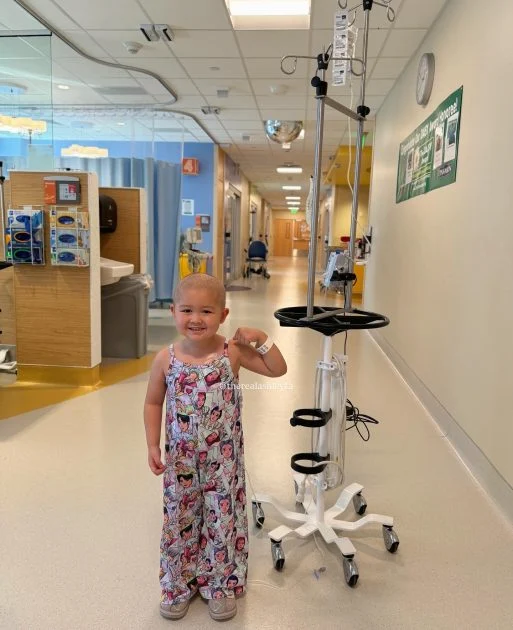
The appointment of four-year-old Rylee as a 2026 Ambassador for the American Childhood Cancer Organization (ACCO) highlights a narrative defined by the intersection of maternal intuition, the challenges of military family life, and the evolving landscape of pediatric oncology. Rylee, who is currently battling Acute Lymphoblastic Leukemia (ALL), represents the thousands of children diagnosed annually with the most common form of pediatric cancer. Her journey, documented by her mother, Ashley, serves as both a cautionary tale regarding the diagnostic process and a testament to the efficacy of modern immunotherapy. As the ACCO prepares to elevate Rylee’s story on a national stage, her case provides a critical look at the necessity of parental advocacy in the face of medical uncertainty and the vital role of specialized support systems for families navigating long-term treatment protocols.
The Diagnostic Challenge and the Power of Intuition
The trajectory of Rylee’s medical journey began with a series of non-specific symptoms that frequently mimic common childhood ailments, creating a diagnostic hurdle often encountered in pediatric oncology. For several days, Rylee exhibited signs that medical professionals initially attributed to minor issues such as allergies or routine viral infections. However, the progression of her symptoms—which included persistent fevers, chills, body aches, a swollen eye, enlarged lymph nodes, unexplained bruising, and joint pain—indicated a much more systemic and severe underlying condition.
Ashley’s experience in the days leading up to the diagnosis underscores a phenomenon often discussed in patient advocacy circles: the "clinical intuition" of a primary caregiver. Despite being told repeatedly that Rylee was "fine," Ashley continued to seek medical intervention, navigating a cycle of Urgent Care visits and Emergency Room admissions. The diagnostic breakthrough occurred on August 6, when Ashley demanded a comprehensive blood test. By 5:00 p.m. that evening, the results confirmed the presence of leukemia, a revelation that immediately shifted the family’s reality from routine concern to a high-stakes medical crisis.
The emotional burden of this diagnosis was compounded by the logistics of military life. At the time of the diagnosis, Rylee’s father, Jacob, was deployed overseas, thousands of miles away from his family. This left Ashley to navigate the initial shock and the immediate medical requirements—including an ambulance transport to a specialized facility in Denver—without her partner’s physical presence. This scenario is not uncommon for military families, who often face the "double burden" of service-related separation and acute medical emergencies.
Clinical Progression and the Reality of ALL Treatment
Acute Lymphoblastic Leukemia is a type of cancer of the blood and bone marrow that affects white blood cells. It is characterized by the overproduction of immature lymphocytes, which crowd out healthy blood cells. While ALL has one of the highest survival rates among childhood cancers—thanks to decades of clinical trials and research—the treatment regimen is notoriously grueling and spans several years.
Rylee’s initial week of treatment was a concentrated period of invasive procedures designed to stabilize her condition and begin the eradication of malignant cells. This included the surgical placement of a port (a central venous access device), a bone marrow biopsy to determine the extent of the disease, and a lumbar puncture to deliver chemotherapy directly into the spinal fluid—a preventative measure against the spread of leukemia to the central nervous system. Additionally, Rylee required three blood transfusions and two platelet transfusions to address the anemia and clotting issues caused by the cancer and its treatment, followed by her first intensive chemotherapy sessions.
By early September, Rylee was declared to be in clinical remission, meaning that no leukemia cells were detectable in her bone marrow. However, in the context of ALL, remission is not the end of the journey but rather the conclusion of the "induction" phase. The standard of care for ALL requires a long-term "maintenance" phase to ensure that dormant cancer cells do not cause a relapse. Rylee’s projected treatment end date is October 2027, marking a three-year commitment to medical surveillance and intervention.
Innovation in Immunotherapy: The Blinatumomab Protocol
A significant milestone in Rylee’s treatment occurred in October when she began her first cycle of Blinatumomab, commonly referred to as "Blina." Blinatumomab represents a shift toward targeted immunotherapy in pediatric oncology. Unlike traditional chemotherapy, which attacks all rapidly dividing cells, Blinatumomab is a bispecific T-cell engager (BiTE) antibody. It works by linking the patient’s own T-cells (immune cells) to the CD19 protein found on the surface of B-cell leukemia cells, allowing the immune system to recognize and destroy the cancer more effectively.
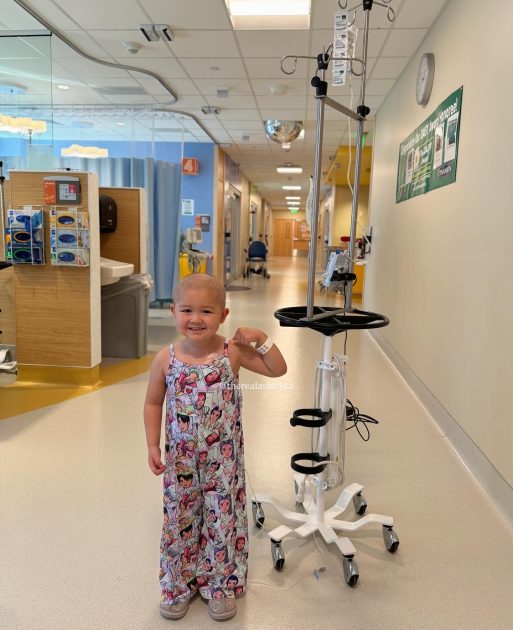
The administration of Blina is unique in its logistical requirements. The medication is delivered via a continuous intravenous infusion over a 28-day cycle. For a four-year-old, this requires carrying a portable infusion pump at all times. Rylee’s family adapted to this by utilizing a small "superhero" backpack to house the pump, allowing her to maintain a level of mobility and normalcy. This "backpack chemo" exemplifies the trend toward outpatient-friendly treatments that prioritize the patient’s quality of life while maintaining clinical efficacy.
The Role of the American Childhood Cancer Organization
As a 2026 ACCO Ambassador, Rylee joins a legacy of children who serve as the face of the oldest and largest grassroots childhood cancer organization in the United States. The ACCO plays a multifaceted role in the pediatric cancer landscape, focusing on advocacy, education, and direct family support. One of the organization’s most impactful initiatives is the "Medical Play Kit," which Rylee has utilized during her journey.
Medical play is a recognized therapeutic technique used to help children process the trauma of frequent hospitalizations and invasive procedures. By using toy versions of medical equipment—such as syringes, stethoscopes, and bandages—children can "treat" dolls or stuffed animals, effectively reclaiming a sense of agency in an environment where they often feel powerless. Rylee’s enthusiastic engagement with these kits, documented in her "unboxing" videos, illustrates how such resources can transform a child’s perception of their treatment, moving from a position of fear to one of curiosity and "playing doctor."
The ACCO’s resources are provided free of charge to families, filling a critical gap in the support network. For families like Rylee’s, who are facing years of medical expenses and the logistical strain of chronic illness, these resources provide both practical help and a sense of community.
Analysis: The Imperative of "Trusting the Gut"
The core message shared by Ashley following Rylee’s diagnosis is a call for parents to "trust your gut." This advice is grounded in the reality of the healthcare system, where time constraints and the prevalence of common childhood illnesses can lead to "diagnostic overshadowing"—a phenomenon where serious symptoms are dismissed as routine.
Data from pediatric oncology studies suggest that the time from the first symptom to a definitive diagnosis can vary significantly. Early detection of leukemia is vital, as it reduces the risk of complications such as extreme anemia, spontaneous bleeding, or organ failure due to high white blood cell counts. Ashley’s insistence on a blood test despite being told Rylee was "fine" highlights a critical aspect of modern medicine: the parent as an essential member of the care team.
Professional medical organizations increasingly recognize the value of "family-centered care," which encourages clinicians to listen to the concerns of caregivers who know the child’s baseline behavior best. In Rylee’s case, the mother’s persistence was the primary driver of the diagnostic blood work that ultimately saved her daughter’s life.
Broader Implications and the Path Forward
Rylee’s story is a microcosm of the broader challenges and triumphs in the field of childhood cancer. While medical advancements like Blinatumomab offer hope for more effective and less toxic treatments, the journey remains a marathon for the entire family. The psychological impact on siblings, the financial strain of long-term care, and the emotional toll on parents—especially those in the military community—require sustained societal and institutional support.
As Rylee continues her treatment through 2027, her role as an ACCO Ambassador will involve raising awareness about the need for increased research funding and better support systems. Currently, pediatric cancer research receives only a small fraction of the federal funding allocated to cancer research as a whole, a disparity that organizations like the ACCO work to address through legislative advocacy.
In conclusion, Rylee’s journey from a misdiagnosed patient to a "remission warrior" and national ambassador is a testament to the power of advocacy and the resilience of the human spirit. Her smile, her "superhero" backpack, and her interest in understanding her own body serve as a reminder that behind every clinical statistic is a child and a family fighting for a future. Through the continued efforts of the ACCO and the courage of families like Rylee’s, the goal of "making a difference" moves closer to becoming a reality for every child diagnosed with cancer.
